
Growing Orchids: A Guide to Beautiful, Long-Lasting Indoor Blooms
Orchids are distinctive houseplants, prized for their exotic flowers, remarkable range of colours and long-lasting blooms. Understanding how they grow in their natural habitats makes it much easier to provide the conditions they need at home and encourage healthy growth and repeat flowering.
Unlike many familiar houseplants, orchids have specialised growing habits that influence everything from watering and feeding to the type of compost they require. Once these basic requirements are understood, an orchid can provide months of colour and flower again for many years.
πΊ Why Orchids Are So Special
Orchids have earned their reputation as one of the world’s most admired flowering plants. Their popularity comes from a combination of beauty, longevity, and remarkable adaptability.
What makes orchids unique?
- Spectacular flowers available in countless colours and patterns
- Blooms that can last up to 12 weeks or longer
- Compact growth that suits modern homes
- Hundreds of varieties suitable for indoor growing
- The ability to flower repeatedly with proper care
Many orchids naturally grow in tropical rainforests, where they attach themselves to tree branches rather than growing in soil. This unusual lifestyle helps explain many of their care requirements.
π Expert Tip: Understanding how orchids grow in nature is the secret to keeping them healthy indoors. Replicating their natural environment will dramatically improve flowering success.
πΏ Understanding Orchid Origins
Understanding where orchids grow naturally helps explain their unusual care requirements.
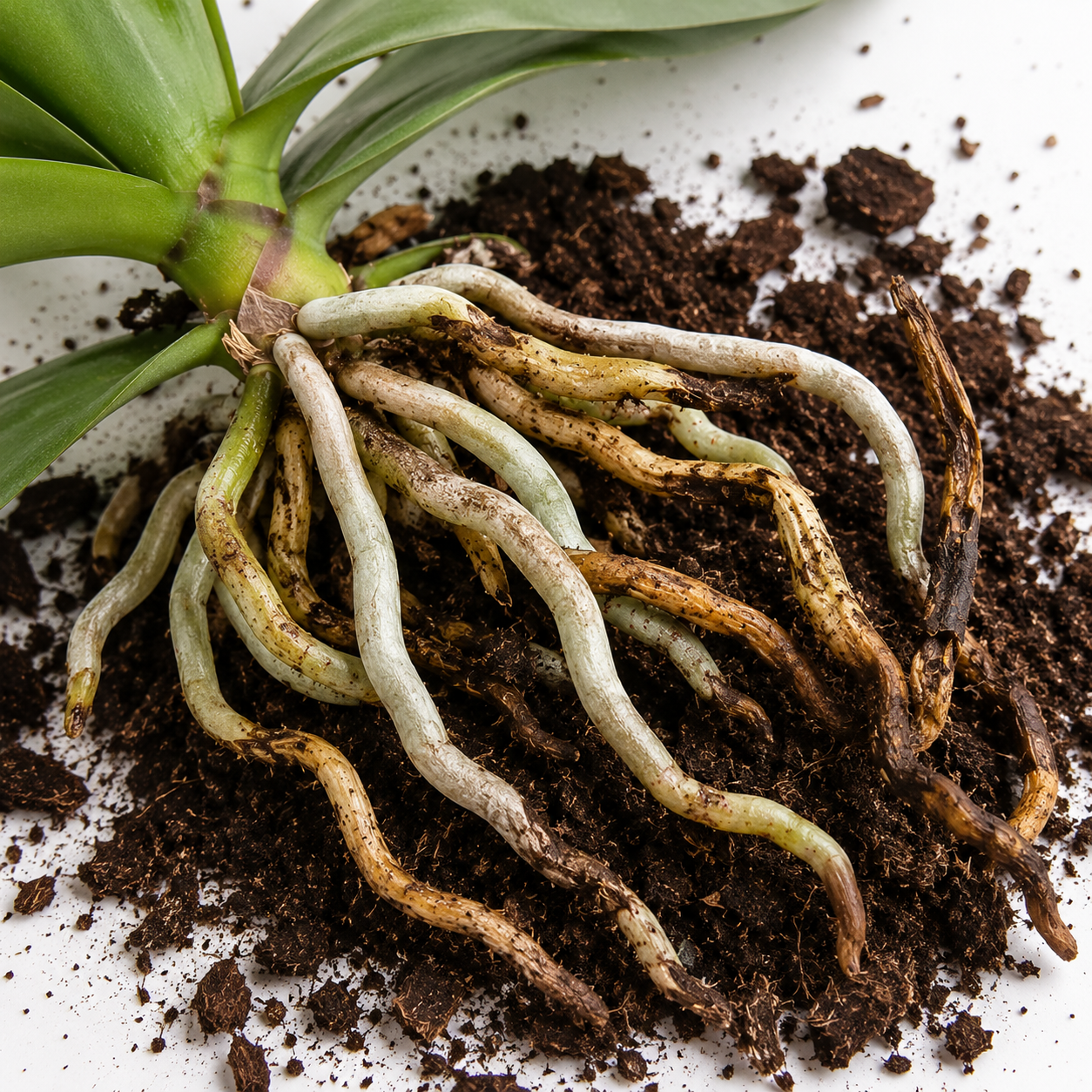
Many popular orchids, including the well-known Phalaenopsis or Moth Orchid, are epiphytes. This means they grow on trees rather than in the ground. Their roots cling to bark while absorbing moisture and nutrients from the surrounding air and rainfall.
This natural growing habit explains why orchids require:
- Excellent drainage
- Plenty of airflow around their roots
- High humidity
- Indirect light
- Specialised growing media
Rather than thriving in standard compost, orchids perform best when their roots have room to breathe.
πΈ Popular Orchid Varieties for the Home
If you are just starting with growing orchids, these varieties are ideal choices:
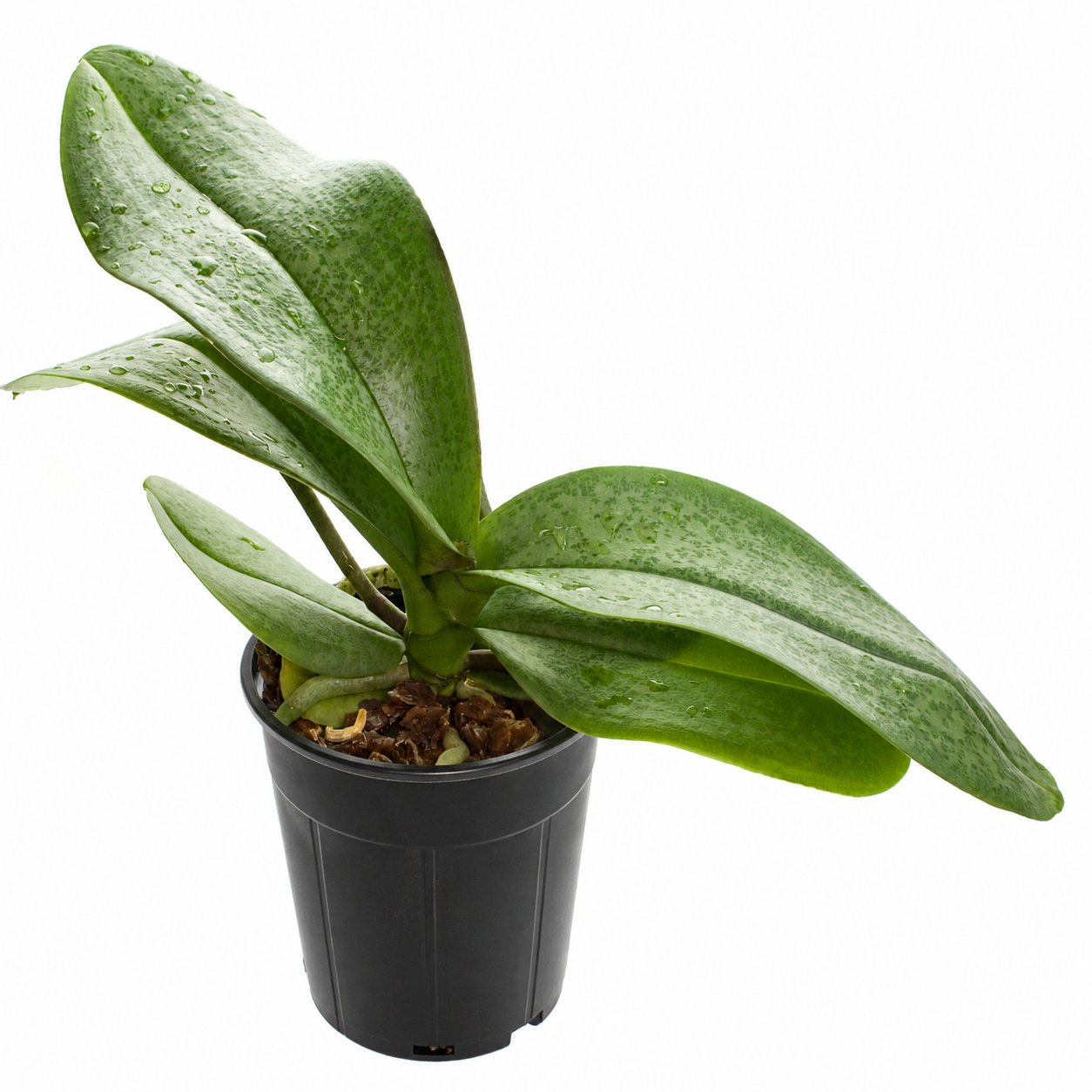
Β Phalaenopsis (Moth Orchid)
Benefits include:
- Long flowering period
- Wide range of colours
- Ideal for beginners
- Tolerates average indoor conditions
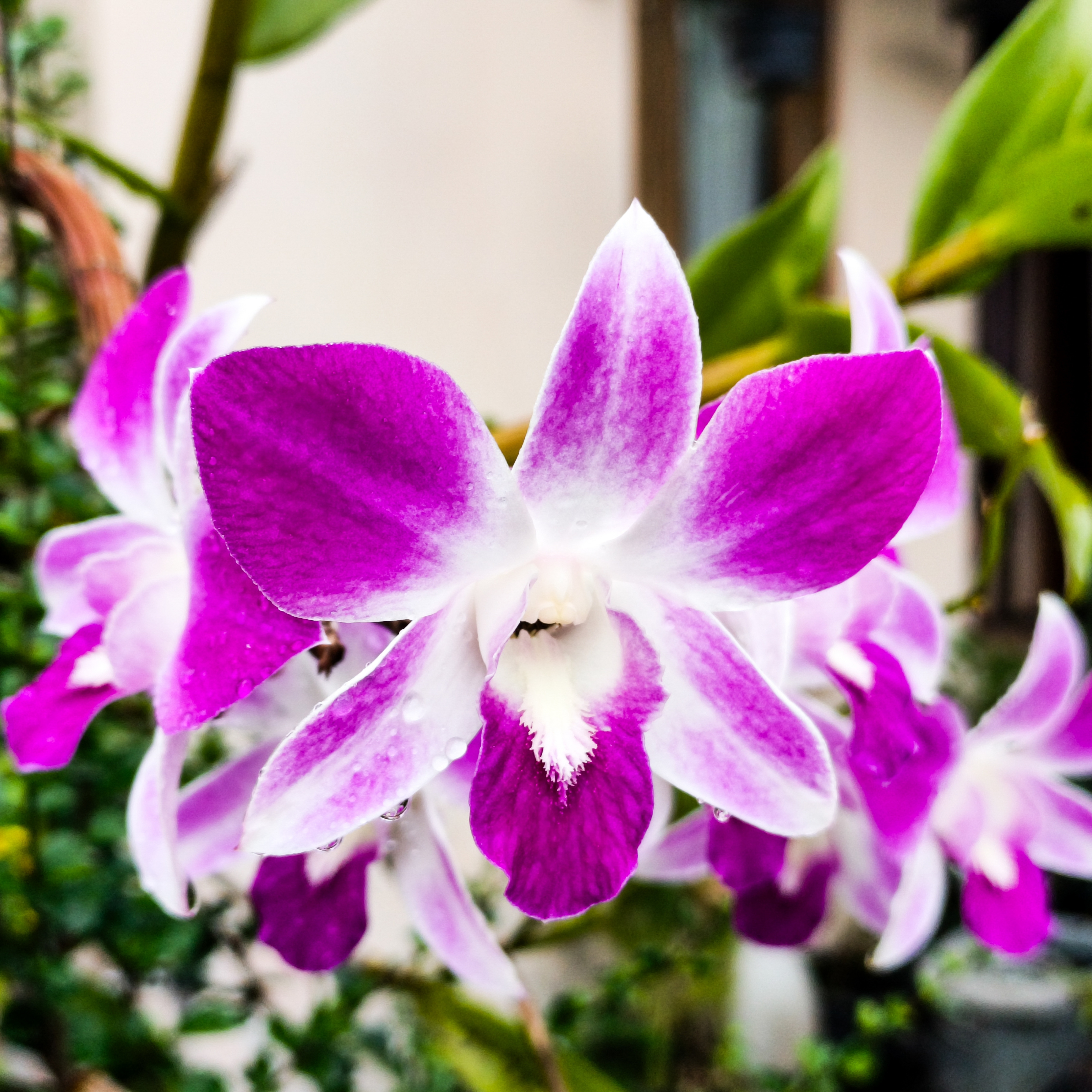
Dendrobium Orchids
Dendrobium Orchids are admired for their upright growth habit and impressive clusters of flowers. With over a thousand species in the Dendrobium family, they offer incredible diversity in colour, shape, and size. These orchids are particularly well suited to bright indoor locations and reward good care with abundant blooms. Their elegant appearance makes them a popular choice for adding height and structure to indoor plant displays.
Benefits include:
- Vibrant blooms
- Excellent flowering potential
- Great for bright rooms
- Adds architectural interest to indoor spaces
- Available in a wide variety of colours and forms
π‘ Choosing the Perfect Location
Light is one of the most important factors when growing orchids successfully.
Orchids thrive in bright conditions but dislike direct sunlight, which can scorch leaves and flowers.
β Ideal locations include:
- East-facing windows
- Bright bathrooms with natural light
- Shelves near filtered sunlight
- Conservatories with shading
Bathrooms can be particularly effective because they naturally provide the humidity orchids enjoy.
β Avoid:
- South-facing windows without protection
- Radiators
- Cold draughts
- Sudden temperature changes
π Pro Tip: If your orchid leaves become dark green, it may need more light. Healthy orchids usually have medium green foliage.
π§ How to Water Orchids Correctly
Correct watering is essential for healthy orchids, and too much water can quickly lead to root problems.
Instead of watering on a strict schedule, check the growing medium first.
Signs Your Orchid Needs Water
- Pot feels noticeably lighter
- Roots appear silvery-grey
- Growing medium feels dry
Best Watering Practices
- Water thoroughly but infrequently.
- Allow excess water to drain completely.
- Never leave pots standing in water.
- Water in the morning when possible.
- Reduce watering during cooler months.
For many indoor orchids, watering every 10 to 14 days is often sufficient, although this varies with temperature and humidity.
πͺ΄ Choosing the Best Orchid Potting Mix
Understanding the best orchid potting mix is essential for healthy roots.
Traditional compost is usually too dense and retains excessive moisture.
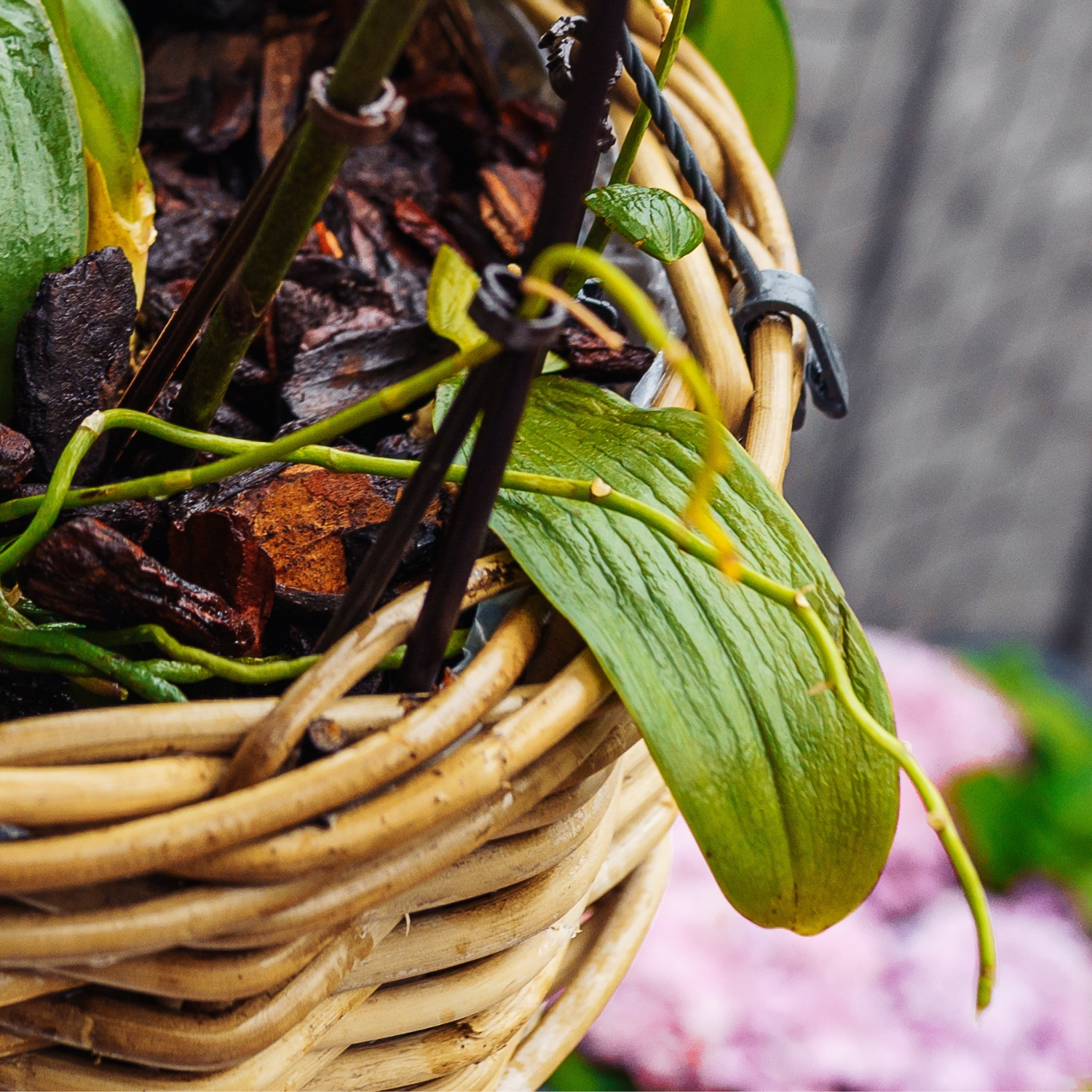
Instead, orchids require specialised orchid compost containing materials such as:
- Bark chips
- Coconut husk
- Perlite
- Charcoal
- Sphagnum moss
These ingredients provide excellent drainage while maintaining airflow around the roots.
When to Repot
Repot orchids every 1 to 2 years or when:
- Bark begins to break down
- Roots outgrow the container
- Drainage becomes poor
- Plant health declines
π Expert Tip: Always repot orchids immediately after flowering for the least amount of stress on the plant.
π± Essential Orchid Care Tips
Following a few simple orchid care tips can significantly improve plant health and flowering performance.
Feed Regularly
Use a specialist orchid fertiliser every two to four weeks during active growth.
Maintain Humidity
Most orchids prefer humidity levels between 40% and 70%.
Increase humidity by:
- Grouping plants together
- Using a pebble tray
- Placing orchids in naturally humid rooms
Monitor for Pests
Regularly inspect for:
- Mealybugs
- Scale insects
- Spider mites
Early detection makes treatment much easier.
βοΈ How to Encourage Orchids to Flower Again
When an orchid finishes flowering, the plant enters a period of growth and recovery before it is ready to bloom again. With continued care, many orchids will flower repeatedly for years.
After flowering:
- Remove faded blooms.
- Continue regular feeding.
- Maintain bright, indirect light.
- Avoid overwatering.
- Provide a slight drop in night-time temperature.
For Phalaenopsis orchids, cutting the flower spike just above a healthy node may encourage a secondary flowering stem.
π Common Growing Orchid Problems and Solutions
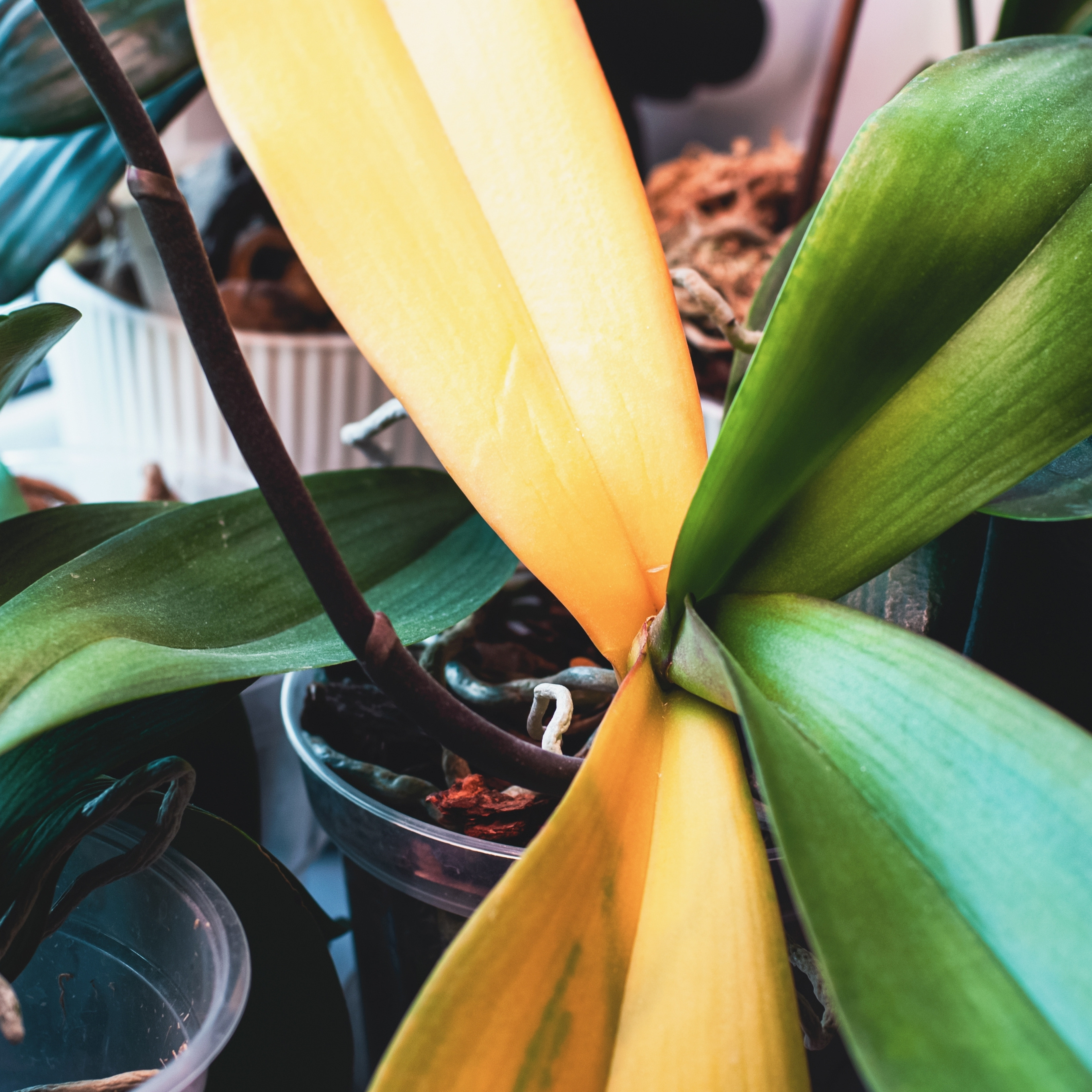
Yellow Leaves
Possible causes:
- Overwatering
- Excessive direct sunlight
Wrinkled Leaves
Possible causes:
- Underwatering
- Root damage
No Flowers
Possible causes:
- Insufficient light
- Lack of feeding
- Temperature fluctuations
Root Rot
Possible causes:
- Poor drainage
- Excess watering
π‘ Why Orchids Make the Perfect Houseplant
Orchids bring a touch of tropical elegance into any home.
Their long flowering season, compact size, and extraordinary blooms make them ideal for:
- Living rooms
- Kitchens
- Bathrooms
- Home offices
- Conservatories
With a little knowledge and consistent care, growing orchids can be surprisingly simple and highly rewarding.
πΌ Visit Our Garden Centre in Kington
Our team can help you choose an orchid to suit your home and offer practical advice on keeping it healthy and encouraging repeat flowering.
We stock a beautiful range of orchids, specialist feeds, decorative pots and quality orchid composts, along with the products you need for ongoing care.
Β Visit usΒ inΒ Kington today. Explore our orchid selection and find practical advice and supplies to help your orchids thrive at home.