πΌ Why Are Pollinators So Important?
Pollinators are a vital part of our gardens and the wider natural environment. By carrying pollen between flowers, they enable many plants to reproduce and produce the fruits and seeds on which people and wildlife depend.
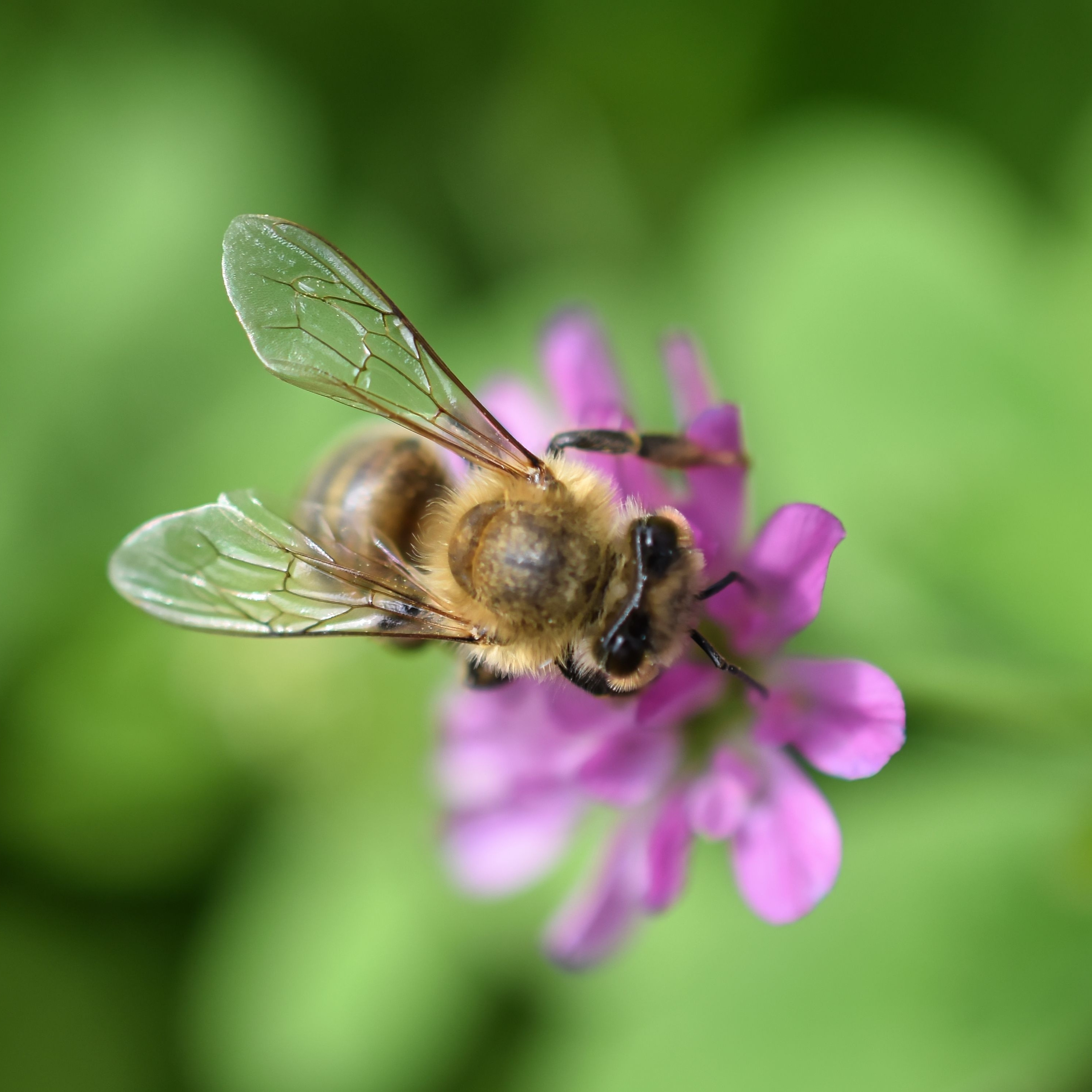
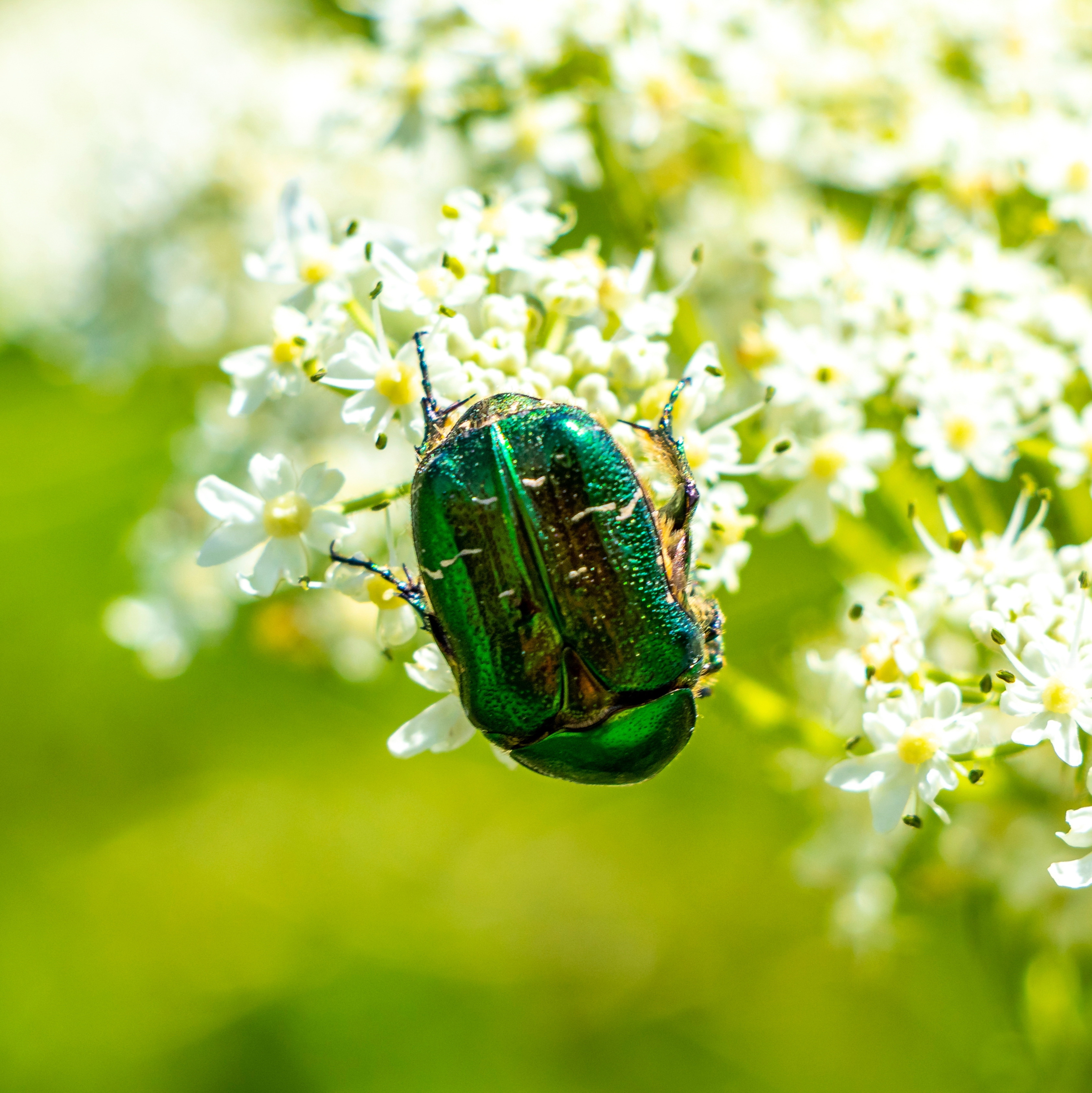
Bees are perhaps the most familiar pollinators, but they are far from the only ones. Other important pollinating insects include hoverflies, other flies, butterflies, moths, wasps and beetles.
Why Pollinators Matter
π± Plant reproduction
Pollination enables many flowering plants to produce seeds and reproduce.
π Fruit and crops
Many fruit trees, soft fruits and vegetable crops rely on or benefit from insect pollination.
π¦ Wildlife
Pollinated plants produce fruits and seeds that provide food for birds and other animals.
π Biodiversity
Pollinators form part of the wider food web, supporting healthy and diverse ecosystems.
πΌ What Is a Pollinator?
A pollinator is an animal that transfers pollen, either within a flower or from one flower to another. Insects carry out much of this work.
When an insect visits a flower for nectar or pollen, pollen grains can become attached to its body. As it visits another flower of the same species, some of that pollen may reach the stigma, the female part of the flower.
Following successful pollination and fertilisation, the plant can produce seeds and, in many species, fruit.
Not every plant relies on insects. Some plants are wind-pollinated and others can self-pollinate. However, insect pollination is important for a huge range of wild plants, garden plants and crops.
π Which Insects Are Pollinators?
A remarkably diverse range of insects visit flowers and contribute to pollination. Some are familiar garden visitors, while others can easily go unnoticed.
Among those you may see visiting garden flowers are:
- Bees, familiar visitors to nectar and pollen-rich flowers
- Hoverflies and other flies, important pollinators that are sometimes mistaken for bees or wasps
- Butterflies and moths, which transfer pollen while feeding on nectar
- Wasps, many of which visit flowers as adults
- Beetles, including several species regularly found feeding on flowers
Different insects have different feeding habits and flower preferences, so no single type of flower supports every pollinator.
π Expert Tip: Spend a few minutes watching an open flowerhead on a warm day. Look beyond the obvious bees and butterflies and you may discover hoverflies, beetles, tiny solitary bees and other insects feeding alongside them.
π Why Is Pollination Important?
Pollination allows flowering plants to reproduce. Once a flower has been successfully pollinated and fertilised, it can go on to produce seeds and, in many cases, fruit.
This is important for both wild plants and the crops we grow for food. Many familiar fruits and vegetables rely on or benefit from insect pollination, including:
- Apples, pears, cherries and plums
- Strawberries, raspberries and other soft fruits
- Runner beans and broad beans
- Courgettes and marrows
Without pollination, many of these plants would produce little or no fruit or seed. It is a simple natural process, but one that plays an essential role in plant reproduction and food production.
π± Pollinators in Your Garden
The effects of pollination are easy to see in a garden. Fruit blossom develops into apples, pears and plums, while flowers on soft fruit and many vegetables develop into crops after pollination.
Ornamental plants also attract bees, butterflies, hoverflies and other insects as they search for nectar and pollen. Borders, containers, flowering shrubs and even areas of lawn can all provide useful feeding opportunities.
Adult hoverflies visit flowers and contribute to pollination, while the larvae of many species feed on aphids, helping to keep their numbers in check naturally.
Providing flowers over a long season gives different pollinators opportunities to feed from spring into autumn. A varied selection of plants also provides different flower shapes, making nectar and pollen accessible to a wider range of insects.
π¦ Pollinators and Biodiversity
The importance of pollinators extends beyond the plants they visit. They form part of a much wider network of plants, insects, birds and other wildlife.
Once plants have been pollinated, the fruits and seeds they produce can become food for birds and mammals. Pollinating insects themselves are part of the food chain, providing food for birds, spiders and other predators.
A varied population of pollinators therefore contributes to biodiversity throughout the garden.
Expert Tip: Donβt be too quick to remove every aphid or discard every leaf with a hole in it. A little insect activity is a normal part of a healthy garden and provides food for other wildlife.
π Are UK Pollinators in Decline?
Some of the UK’s pollinating insects have declined in numbers or become less widespread, although the picture varies considerably between species.
Changes to the countryside have reduced some of the flower-rich habitats and nesting places that pollinators rely on. Pesticide use and shifting weather patterns can also affect insect populations and the plants they depend upon.
This doesn’t mean that every bee, butterfly or hoverfly is in decline. Some species are doing better than others, and gardens remain important places for many pollinating insects to find food and shelter.
πΈ How Gardeners Can Help Pollinators
A few changes to the way you plant and manage your garden can make it more welcoming to pollinating insects.
- πΌ Include simple, open flowers that are easy for insects to reach
- πΏ Grow a mixture of trees, shrubs, perennials, annuals and herbs
- π§ Provide a shallow source of water
- π‘ Leave some stems and sheltered areas for nesting and overwintering insects
- βοΈ Allow some lawn flowers to bloom before mowing
- π« Avoid using pesticides unnecessarily, particularly on flowering plants
For more practical advice on planting and providing suitable habitats, see our guide to creating a pollinator garden.
πΏ Visit Our Garden Centre
Creating a pollinator-friendly garden starts with the right plants and the right advice. At our garden centre our knowledgeable team can help you choose the best plants to attract bees, butterflies, and other beneficial insects, ensuring your garden flourishes year after year.
Β Visit us in Kington today, and let us help you create a vibrant, pollinator-friendly garden full of life and colour.