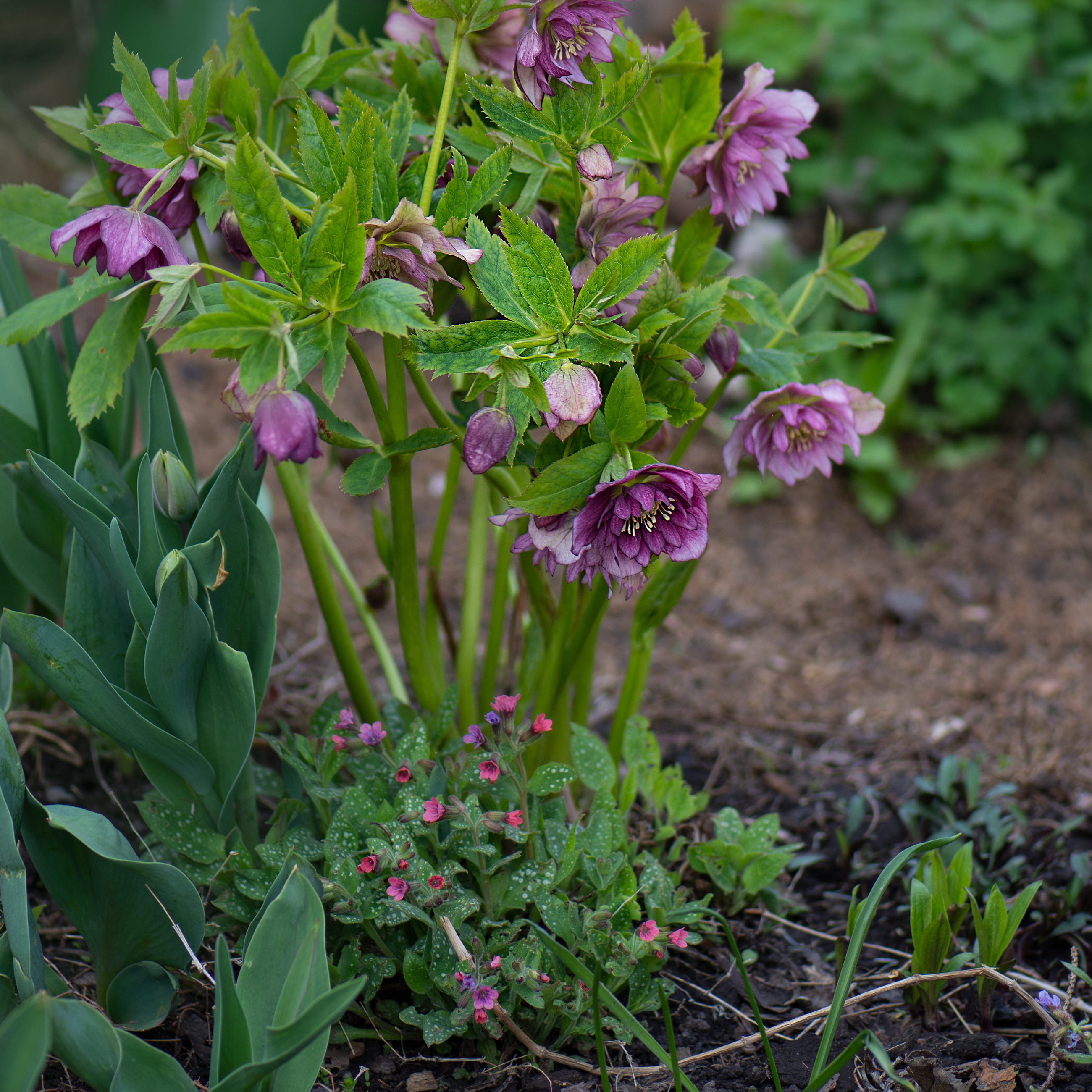
Hellebores: A Quick Guide to Winter Garden Colour
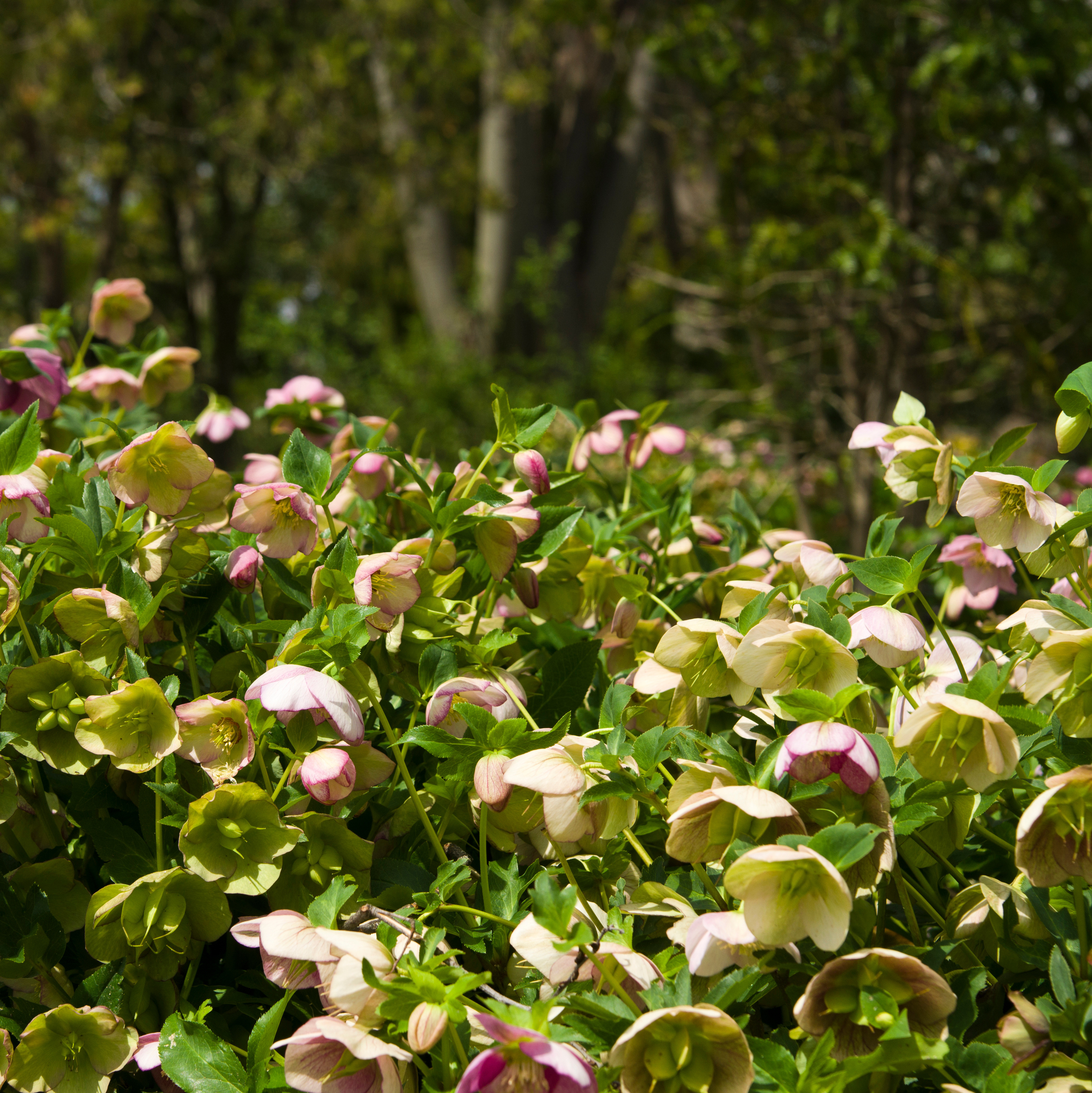
When the garden feels dull and lifeless during winter, hellebores burst into bloom with elegant flowers in shades of white, pink, purple, green, and cream. Often called Christmas Roses or Lenten Roses, these hardy winter flowering perennials are prized for their long flowering season, evergreen foliage, and low-maintenance nature.
If you are looking for reliable plants that thrive in shade and provide colour when little else is flowering, hellebores are one of the best choices for any garden.
In this guide, we’ll cover how to grow hellebores, the best varieties to plant, hellebore care tips, companion planting ideas, and expert advice to keep your plants thriving year after year.
🌤️ How to Grow Hellebores Successfully
Hellebores are surprisingly easy plants to grow and can thrive for decades when planted in the right conditions. These reliable winter flowering perennials prefer cool, sheltered positions with rich, well-drained soil, making them perfect for woodland gardens, shaded borders, and planting beneath deciduous trees.
Once established, hellebores are remarkably low maintenance and cope well with dry shade, rewarding gardeners with beautiful blooms year after year.
🌱 Choosing the Right Location
The ideal place to plant hellebores is in a sheltered, partially shaded spot with rich, well-drained soil. They work beautifully beneath deciduous trees, along woodland borders, or in shady beds where other flowering plants may struggle.
🌿 Creating the Perfect Conditions for Hellebores
Hellebores naturally thrive in woodland environments, making them ideal for partially shaded gardens with rich, moisture-retentive soil.
Hellebores grow best in:
- Partial or dappled shade
- Moist but free-draining soil
- Sheltered borders and woodland gardens
- Soil enriched with organic matter
👉 Expert Tip: The ideal hellebore position stays cool and moist during summer but never becomes waterlogged in winter or overly dry in hot weather.
🌸 Best Hellebore Varieties to Grow
There are many stunning hellebore varieties available, each offering something unique.
Helleborus niger (Christmas Rose)
Elegant white flowers appear from January onwards, creating a beautiful winter display.
Helleborus orientalis (Lenten Rose)
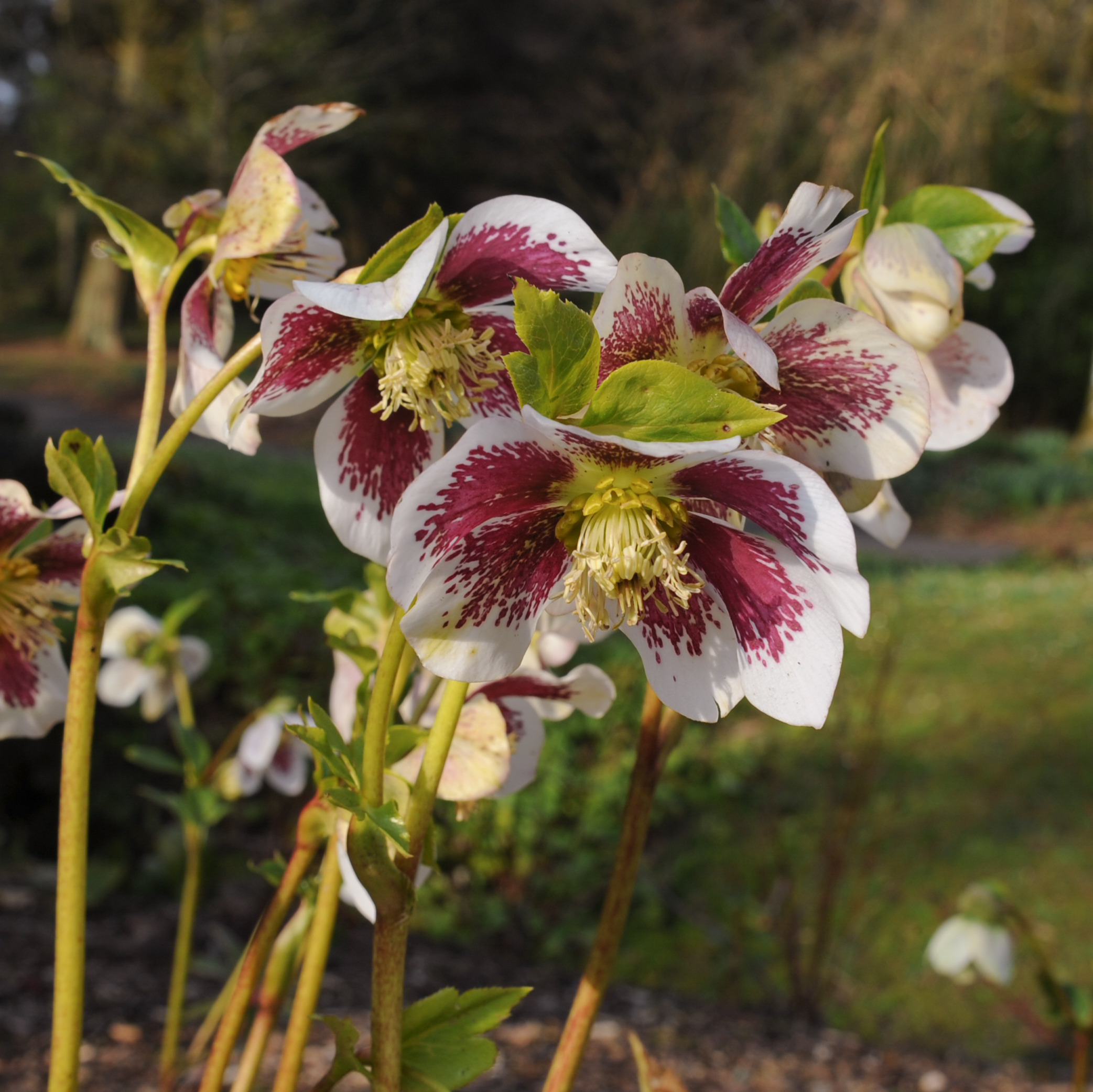
Known for its wide colour range, including pink, cream, plum, and speckled blooms.
Helleborus x hybridus
Popular hybrids offering dramatic colours and strong flowering performance.
Helleborus foetidus (Stinking Hellebore)
Despite the name, this architectural variety has attractive green flowers and finely cut foliage.
Helleborus argutifolius (Corsican Hellebore)
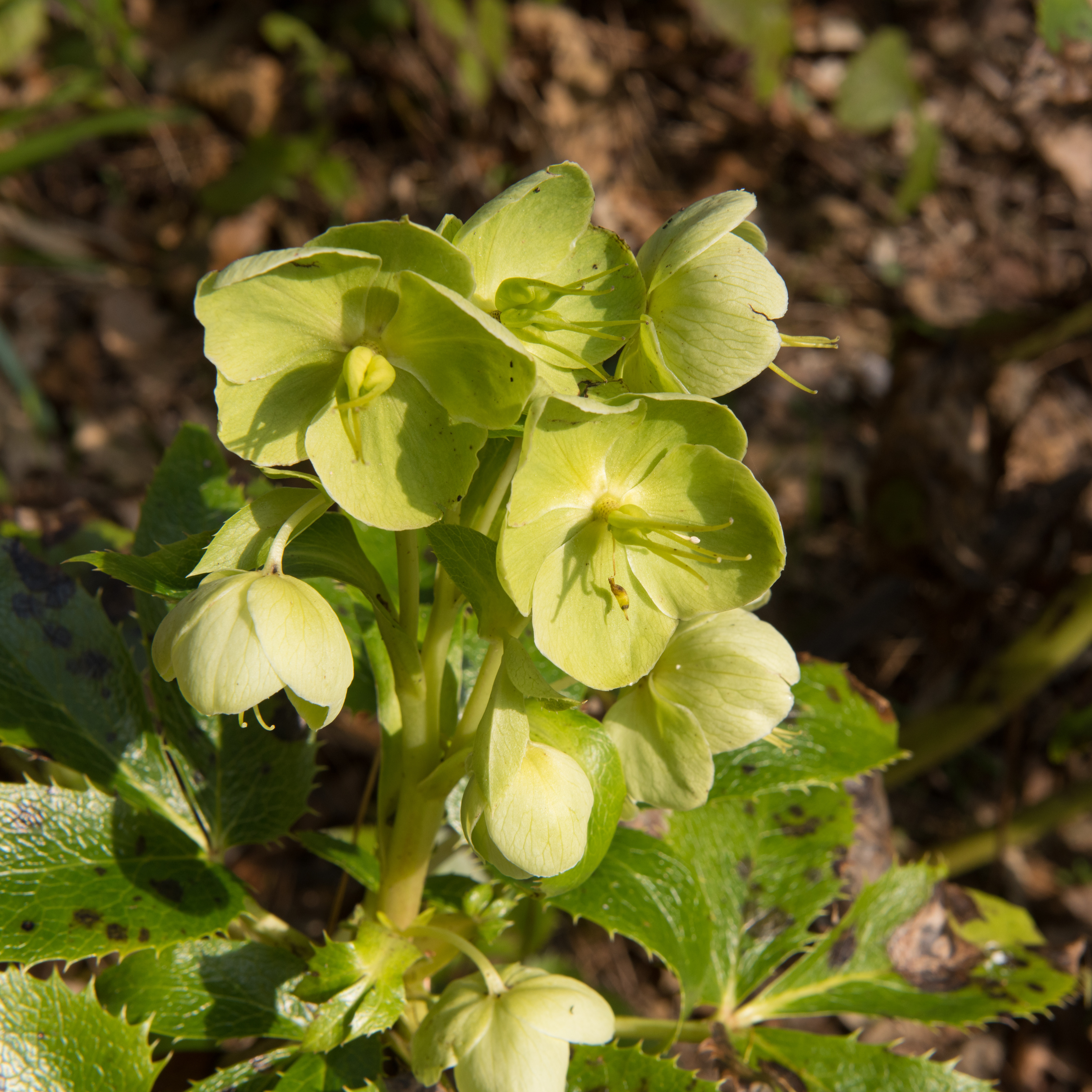
Features striking evergreen foliage and clusters of lime-green flowers.
🌺 Decorative Hybrid Varieties
- Golden Lotus
- Double Ellen Picotee
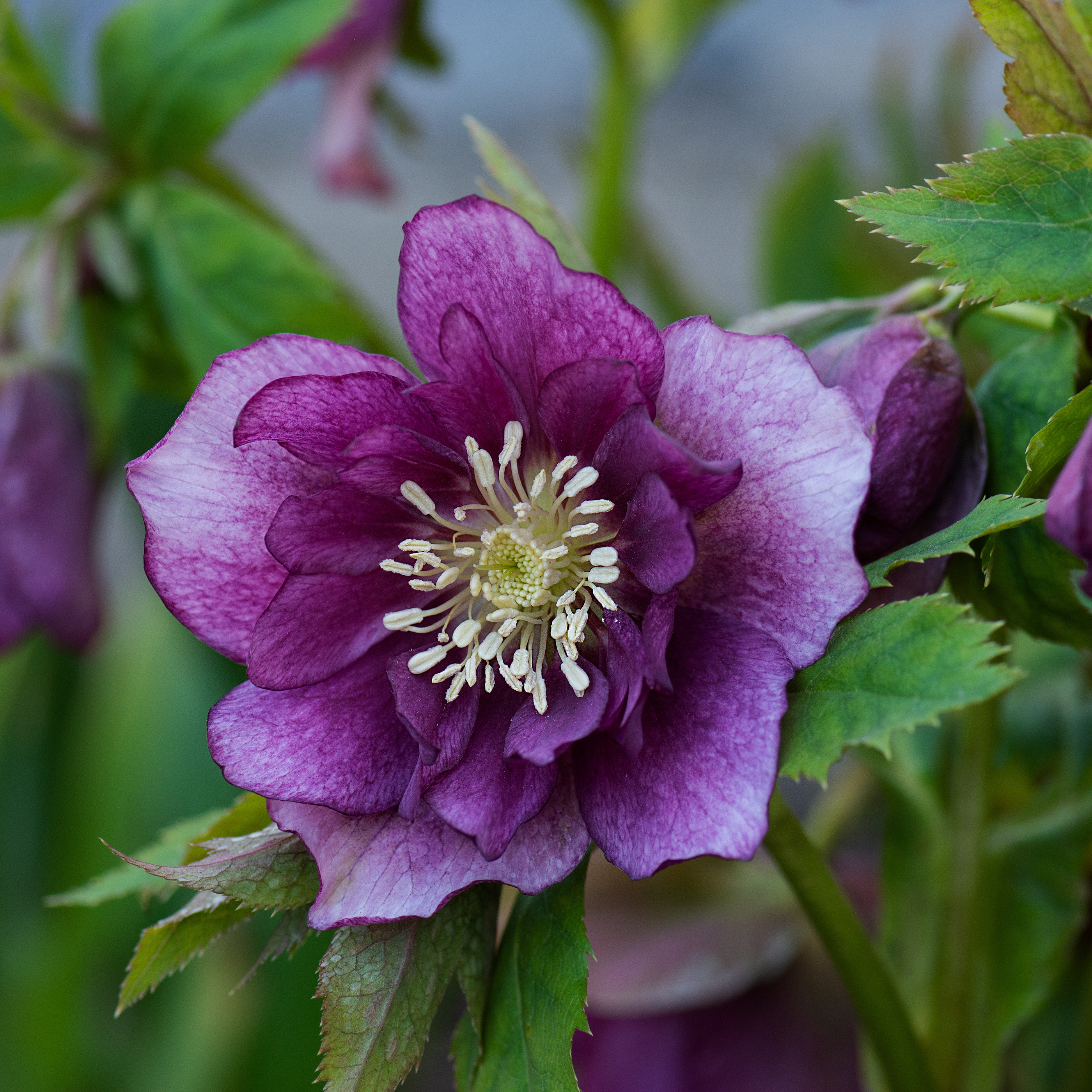
- Deep purple hybrids
- Soft apricot cultivars
👉 Expert Tip: Mix early and late flowering varieties together to extend your hellebore display from December through to spring.
🌿 Companion Plants for Hellebores
Hellebores pair beautifully with other shade-loving plants to create layered seasonal displays.
Best Companion Plants
- Pulmonaria (Lungwort)
- Spring bulbs such as Tulips and Snowdrops
- Ferns
- Hostas
- Heucheras
- Epimedium
- Hardy Geraniums
These combinations create texture, colour, and year-round interest in woodland-style planting schemes.
For a natural look, allow hellebores to self-seed gently around companion plants.
🐝 Wildlife Benefits of Hellebores
Hellebores are valuable for wildlife because they flower when nectar sources are limited.
Their blooms attract:
- Early bees
- Pollinating insects
- Beneficial garden wildlife
Their evergreen leaves also provide shelter during colder months.
Because deer and rabbits tend to avoid them, hellebores remain reliable even in rural gardens.
🪴 Can You Grow Hellebores in Containers?
Hellebores can be grown in pots temporarily for seasonal displays, especially near entrances and patios.
Container Growing Tips
- Use deep containers with drainage holes
- Choose moisture-retentive compost
- Keep containers sheltered from harsh winds
- Move plants into borders later for long-term growth
Hellebores look particularly attractive combined with ivy, evergreen foliage, pine cones, and winter containers.
⚠️ Common Problems When Growing Hellebores
Although hellebores are generally easy to grow, watch for these common issues:
| Common Problem | Cause | Prevention Tips |
|---|---|---|
| Hellebore Leaf Spot | A fungal disease causing dark spots on leaves | • Remove damaged foliage promptly • Improve airflow around plants • Avoid overhead watering |
| Poor Flowering | Often caused by unsuitable growing conditions | • Avoid excessive shade • Improve soil drainage • Avoid planting too deeply |
| Slugs and Snails | Young shoots may occasionally be damaged in early spring | • Protect young shoots during early spring growth • Check plants regularly in damp conditions |
🌿 Safety note: All parts of this plant are toxic if eaten. While it can be grown safely in gardens, keep children and pets from eating any part of the plant.
🌿 Visit Our Garden Centre in Kington
Hellebores bring welcome colour, texture and structure to the garden during the colder months. From elegant white Christmas Roses to richly coloured hybrids, these hardy perennials are particularly valuable for brightening shady borders and winter planting displays.
Our garden centre in Kington stocks hellebores during the season, with practical advice available on planting, ongoing care and choosing suitable companion plants.
Visit us in Kington during winter and spring to explore our seasonal selection of hellebores and other winter-flowering plants for the garden.