πΈ Edible Flowers to Grow: A Practical Guide for Gardeners
Growing edible flowers is an easy way to make more use of your garden. Familiar favourites including nasturtiums, calendula, borage and cornflowers can brighten borders and containers while also providing flowers to pick and use in the kitchen.
There’s plenty of choice for UK gardens, from annual flowers grown from seed to established herbs and roses. Some have distinctive flavours, while others are mainly used to add colour to salads, cakes, summer drinks and other dishes.
As with anything grown for eating, it is important to know exactly what you’re picking. Choose flowers you can confidently identify and grow plants intended for culinary use where you know how they have been treated.
π± Why Grow Edible Flowers?
Edible flowers give you the best of both worlds: attractive plants for borders and containers, with flowers that can also be picked for the kitchen. Many are easy to grow from seed and work well in smaller gardens where plants need to earn their space.
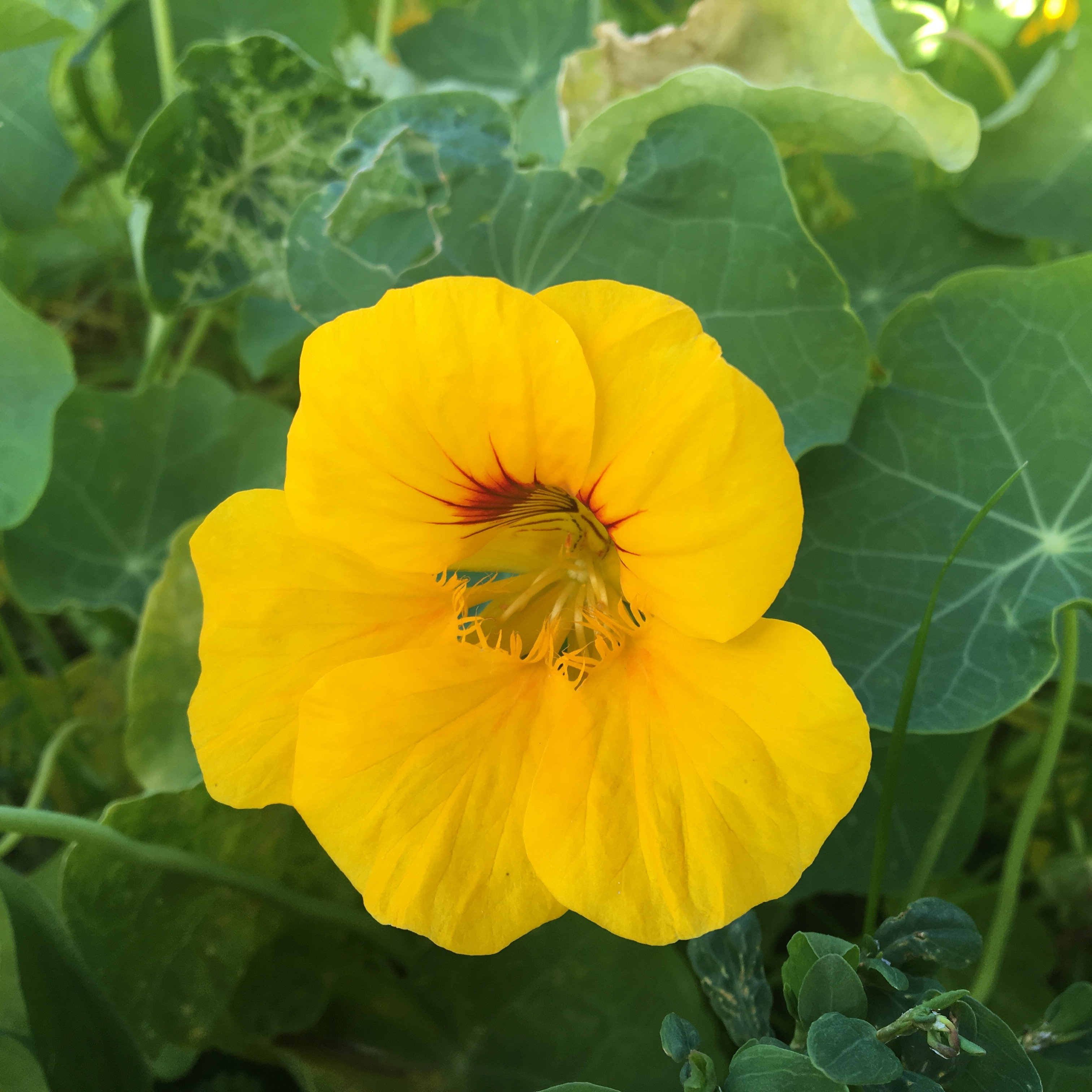
They also bring a range of flavours. Nasturtiums have a distinctive peppery taste, borage has a hint of cucumber, while flowers from culinary herbs often echo the flavour of their leaves.
π± Edible Flowers to Grow at Home
Start with flowers that suit your garden and the way you like to cook. Some are easily raised from seed each year, while others may already be growing in your borders or herb garden.
Good choices include:
- πΈ Nasturtiums (Tropaeolum majus) β colourful flowers with a peppery flavour that works particularly well in salads and savoury dishes.
- π§‘ Calendula (Calendula officinalis) β the bright petals have a slightly peppery taste and can be scattered over salads, soups and other dishes.
- π Borage (Borago officinalis) β its blue flowers have a mild cucumber flavour and are particularly attractive in summer drinks and salads.
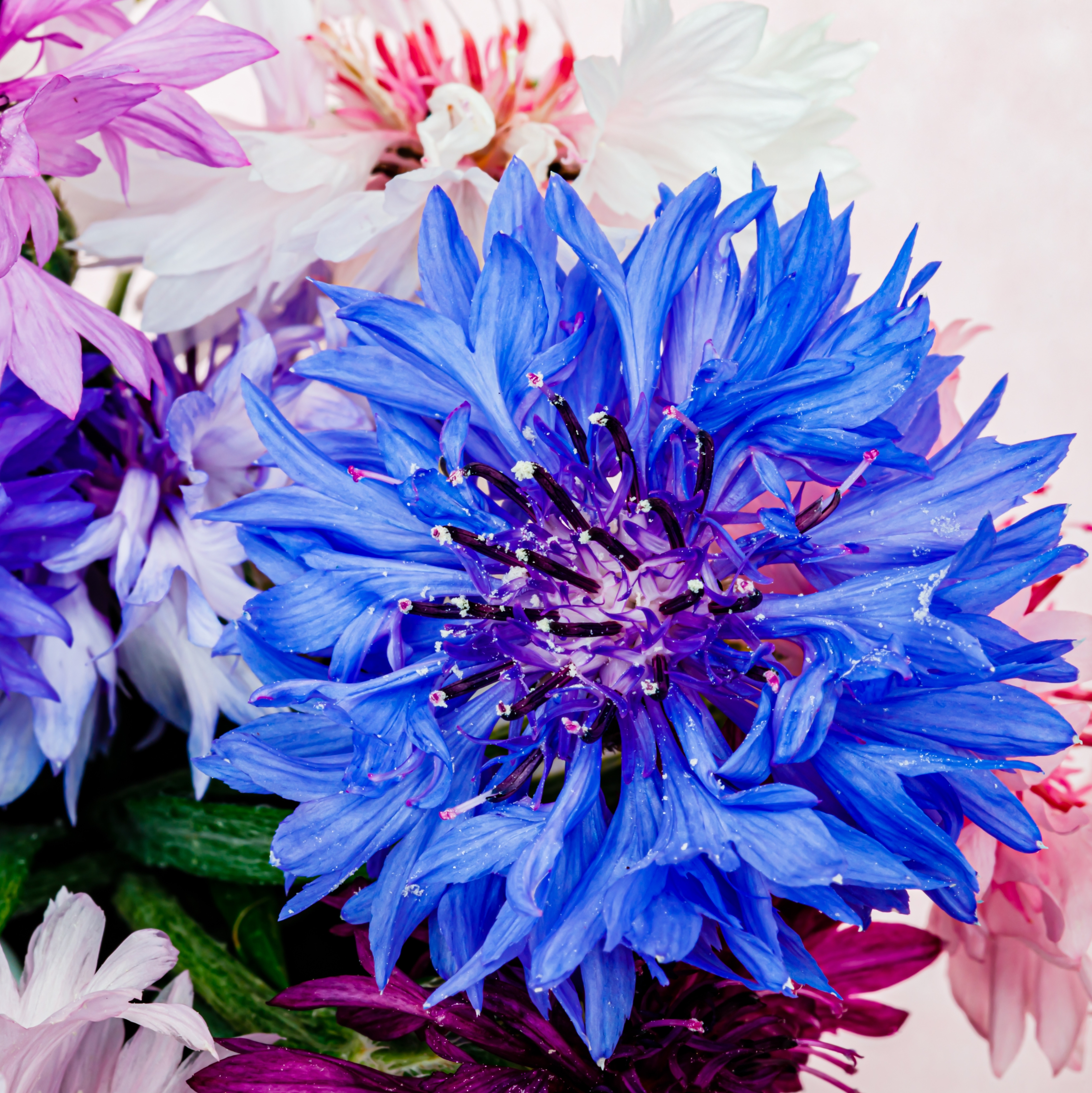
- π Cornflowers (Centaurea cyanus) β colourful edible petals with a slightly clove-like flavour. They are easy annuals for adding height and colour to summer planting.
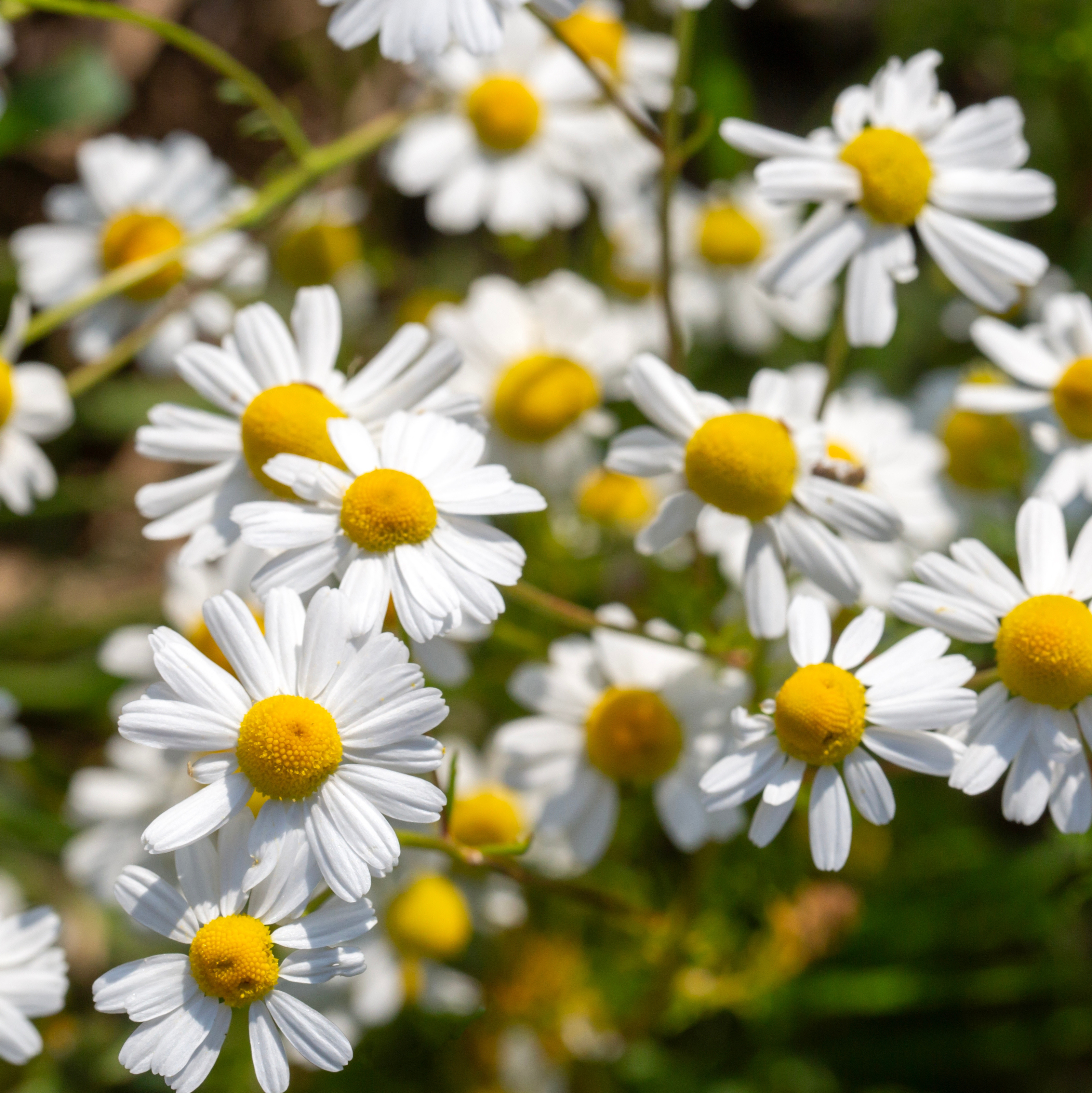
- πΌ Chamomile (Chamaemelum nobile) β its small, daisy-like flowers have a distinctive fragrance and can be harvested and dried for making herbal tea.
- πΉ Roses (Rosa spp.) β scented rose petals can be used in drinks, syrups, flavoured sugars and desserts.
- π Violas and pansies (Viola spp.) β their colourful flowers are useful for decorating salads, desserts and cakes.
- πΏ Culinary herbs β allow chives, dill, fennel, basil or other culinary herbs to flower and you gain another ingredient from plants you may already grow.
π Expert Tip: Calendula is sometimes called pot marigold, but several different plants share the common name “marigold”. When growing flowers specifically for eating, check the botanical name on the label or seed packet.
βοΈ Choosing the Right Place to Grow Edible Flowers
Many popular edible annuals grow well in a sunny border with reasonably free-draining soil. Calendula is particularly undemanding and will grow in ordinary garden soil, while nasturtiums are equally at home scrambling through a border or spilling from a container.
The best position will depend on the plant, so take the same approach you would with any garden planting. Check how much sun the area receives, whether the soil tends to remain wet or dry, and how much space the mature plant will need.
Containers are useful where space is limited and can be positioned close to the kitchen for convenient picking. They also make it easy to grow several different edible flowers together, provided their growing requirements are compatible.
π± Sowing and Growing Edible Flowers
Annual flowers are a good place to start if you want plenty of flowers without investing in established plants. Calendula and cornflowers are hardy annuals that can be sown from seed, while nasturtiums are another straightforward choice for summer displays.
Follow the sowing instructions for each plant rather than treating all edible flowers alike. Sowing times, temperatures and growing conditions vary, particularly between hardy and tender species.
Once seedlings are established, regular care is fairly simple. Keep plants watered during dry weather, especially those growing in containers, and remove fading flowers where appropriate to encourage further blooms.
Perennial herbs, roses and other established garden plants can provide edible flowers year after year, giving you a useful mix of permanent and seasonal planting.
Expert Tip: If you want flowers for the kitchen, grow them specifically for that purpose. Ornamental plants bought from florists or other sources may have been treated with products that aren’t intended for edible crops.
π½οΈ Picking and Using Edible Flowers
Pick flowers when they are fresh and in good condition. A dry morning, before the heat of the day, is a good time to harvest, and flowers are best used soon after picking.
What you do with them depends on the flower. Peppery nasturtiums are a natural addition to salads, borage works well in cool summer drinks and scented rose petals can be used in sweet dishes and syrups. Cornflower, calendula and viola petals add colour without overwhelming a dish.
Edible flowers can be used in:
- π₯ Salads and savoury dishes
- π° Cakes and desserts
- π₯€ Summer drinks and cordials
- π« Herbal teas and infusions
- πΉ Cocktails and garnishes
- π― Flavoured sugars, syrups and butters
For larger flowers, it is often the petals rather than the whole flower that are used.
β οΈ A Few Sensible Precautions
Not every garden flower is edible, and being familiar with a plant doesn’t necessarily mean its flowers are safe to eat. Even some plants grown for food have parts that shouldn’t be consumed; potato flowers are a good example.
Keep it simple:
- Only eat flowers you can identify confidently.
- Check which part of the plant is edible.
- Grow flowers for eating where you know how the plants have been treated.
- Avoid flowers collected from roadsides or other potentially contaminated areas.
- Wash flowers gently before using them.
If you’re unsure what a flower is, don’t eat it.
π Edible Flowers and Pollinators
Many edible flowers can also be useful to pollinating insects. Calendula, borage and flowering herbs are among the plants that can provide nectar or pollen while also giving you flowers to harvest for the kitchen.
You don’t need to pick every flower. Leaving some blooms on the plants gives bees and other pollinators the opportunity to make use of them and keeps colour in the garden for longer.
πΏ Visit Our Garden Centre
Edible flowers can be grown alongside ornamental plants, herbs and vegetables, adding colour to the garden and giving you something different to pick for the kitchen.
Β Visit usΒ inΒ Kington to browse our seasonal range of seeds and plants. If you’re planning to grow edible flowers, our team can help you choose plants suited to your garden and advise on getting them established.