
Open today 9:00 - 17:00
Hostas, also known as plantain lilies, are hardy herbaceous perennials grown mainly for their attractive foliage. Their broad, often heart-shaped leaves form neat clumps, bringing colour, texture and structure to shady areas of the garden.
There is an impressive range of varieties, from miniature hostas suited to pots to large, spreading plants that make a striking feature in borders. Leaves may be deep green, blue-grey, golden yellow or beautifully variegated with cream or white. Hostas combine particularly well with ferns, hellebores and other shade-loving plants.

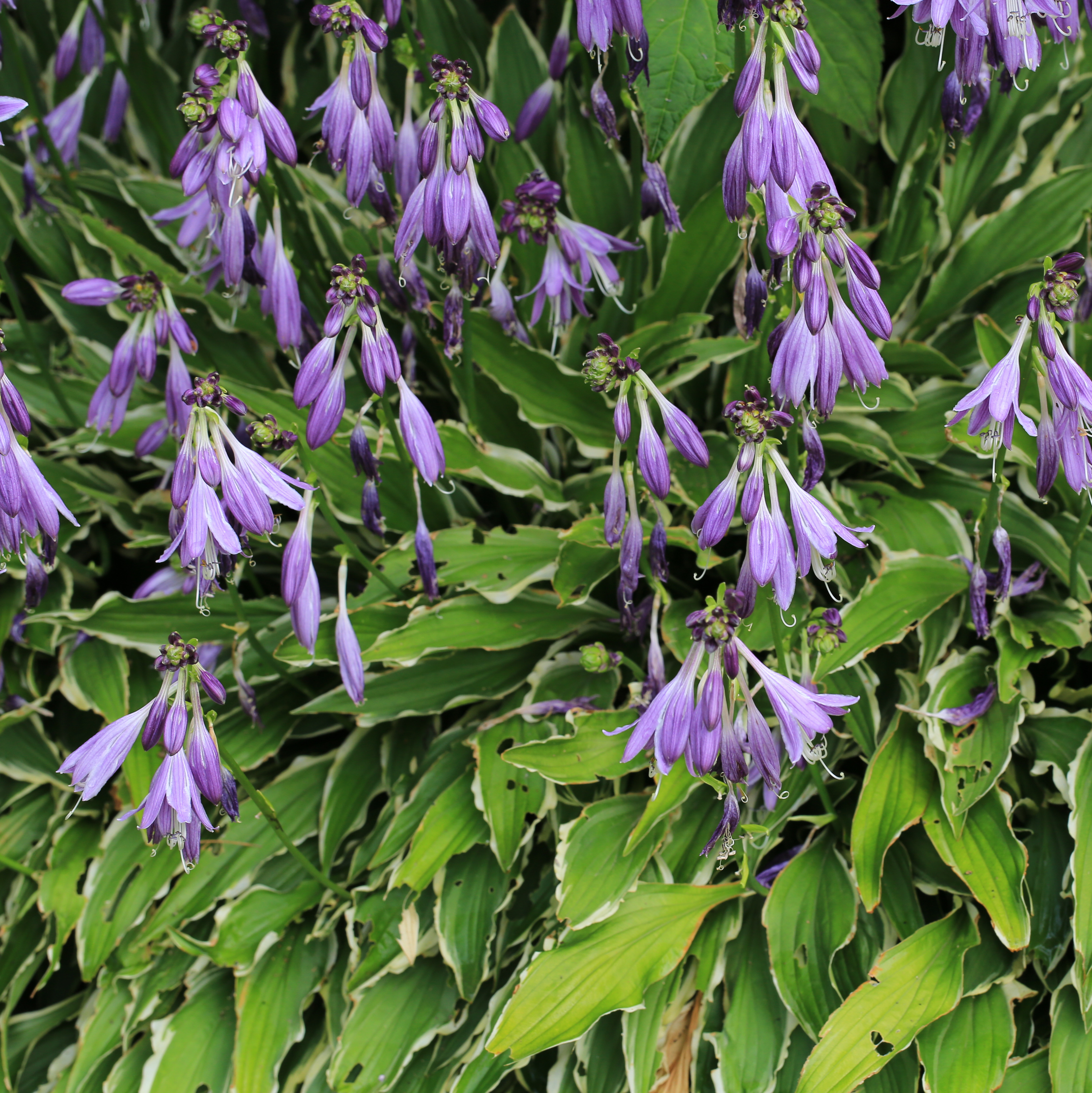
Hostas generally flower from June to August in UK gardens, although some varieties bloom later. Slender stems rise above the foliage, carrying clusters of delicate, bell-shaped or funnel-shaped flowers.
Typical flower colours include:
🤍 White: Delicate flowers that stand out against darker foliage.
💜 Lavender to lilac: Soft purple shades common among many varieties.
🪻 Violet: Deeper purple tones found in some varieties.
Some varieties, particularly Hosta plantaginea and its relatives, produce fragrant flowers.
Although the flowers are attractive, the foliage remains the main feature, providing interest from spring until autumn.
Hostas are particularly useful for brightening sheltered, partially shaded borders, woodland-style gardens and patios.
Sunlight: Partial or dappled shade suits most varieties. Blue-leaved hostas generally prefer protection from direct sun, while some golden varieties benefit from gentle morning sunlight.
Soil: Fertile, moisture-retentive soil that drains well.
Moisture: Consistently moist conditions, without prolonged waterlogging.
Shelter: Protection from strong winds and hot afternoon sun helps prevent leaf damage.
Avoid very dry positions beneath large trees, where competing roots can make it difficult to maintain sufficient moisture.
Spring and early autumn are ideal times to plant hostas, giving their roots an opportunity to establish before more demanding weather arrives.
Improve the planting area with garden compost or well-rotted organic matter. Dig a hole approximately twice the width of the root ball and plant at the same depth as the original pot. Firm gently and water thoroughly.
Allow sufficient room for the mature clump. Compact varieties may need little space, while larger hostas can eventually spread to a metre or more.
Hostas also grow well in containers. Choose a pot with drainage holes and use a good-quality peat-free compost, preferably with some loam to help retain moisture.
Established hostas require relatively little attention when growing in suitable conditions.
Watering: Water during prolonged dry spells, particularly in spring and summer. Container-grown plants need more frequent attention.
Feeding: Plants growing in poor soil may benefit from a balanced general-purpose fertiliser in spring.
Mulching: Apply a layer of garden compost or other organic mulch in spring to help retain moisture and improve the soil. Keep it clear of emerging shoots
Maintenance: Remove badly damaged or yellowing leaves when necessary.
Once the flowers fade, their stems can be cut back near the base to keep the plant tidy. Alternatively, leave them until the autumn clear-up.
The leaves should remain in place while healthy, as they continue supporting the plant’s growth. There is no need to cut back green foliage simply because flowering has finished.
Hostas naturally die back in autumn and remain dormant underground throughout winter.
Remove collapsed foliage once it has yellowed and died back. This also helps reduce places where slugs and snails can shelter.
Most commonly grown hostas are fully hardy in UK gardens. Container-grown plants should have good drainage, particularly during winter, as prolonged waterlogging can damage their roots.
New shoots emerging in spring can be damaged by late frosts. Protect them temporarily with horticultural fleece when particularly cold weather is forecast.
Hostas are easily propagated by dividing established clumps, usually in early spring as new shoots begin appearing or in early autumn.
Lift the plant carefully with a garden fork and divide the crown using a sharp spade or knife. Each section should have healthy roots and at least one strong growing bud.
Replant divisions at their original depth and water well while they establish.
Hostas can remain undisturbed for many years. Divide them when clumps become overcrowded or when you want to produce additional plants.
Slugs and snails: These are among the biggest problems for hostas and can cause extensive damage, sometimes destroying young leaves and emerging shoots completely. Check plants regularly, particularly in damp weather and during spring growth. Remove pests by hand where practical and encourage natural predators. Thick-leaved varieties are often less severely damaged, although none is completely immune.
Brown leaf edges: Usually associated with dry soil, excessive sunlight or drying winds. Improve moisture levels and provide more shade if necessary.
Vine weevil: Container-grown plants can occasionally suffer root damage from vine weevil larvae. Investigate plants that suddenly wilt despite adequate watering.
Hostas bring lasting structure and foliage interest to shaded borders and containers. From compact varieties suited to small spaces to impressive clumps beneath shrubs, there are options for many different garden settings.
Their longevity, hardiness and ability to complement other shade-loving plants make them a valuable addition to both traditional and contemporary gardens.
If you’re looking for inspiration for a shady corner or a new container planting, Visit us in Kington.