How to Take Plant Cuttings: Softwood, Semi-Ripe and Hardwood Cuttings
Taking stem cuttings allows you to propagate new plants from healthy growth on an established plant. The important part is choosing the right type of cutting at the right stage of growth.
Softwood cuttings use fresh young stems in spring and early summer. As those stems begin to firm later in the season, they can be used for semi-ripe cuttings. Once woody plants enter dormancy, many can be propagated from hardwood cuttings instead.
Understanding these differences makes it much easier to decide what to take, when to take it and how to look after the cutting while it develops roots.
🌱 Understanding the Different Types of Cuttings
The type of cutting you take depends mainly on how mature the plant’s new growth is.
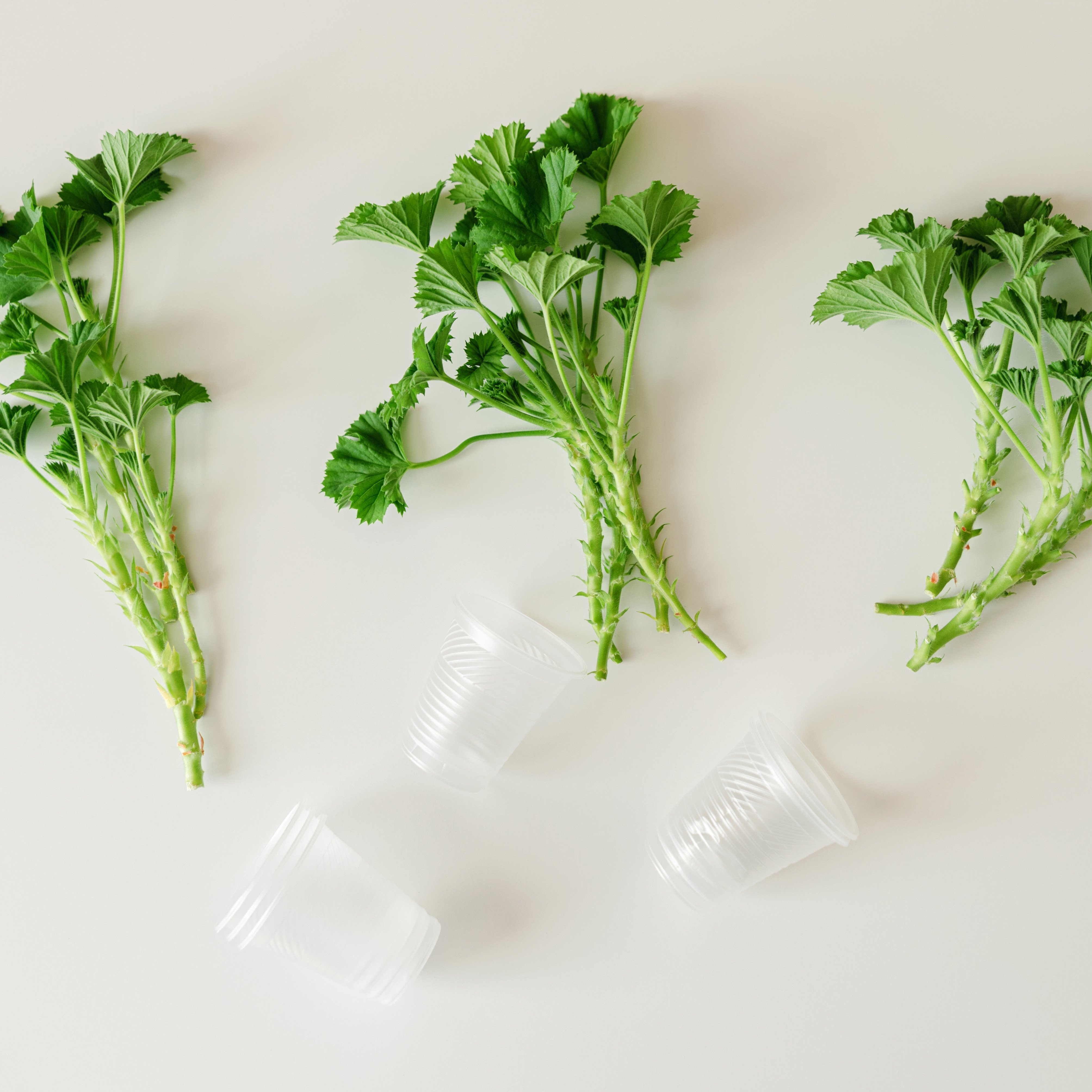
Softwood Cuttings
Softwood cuttings are taken from fresh, flexible new growth in spring and early summer, before the young stems have started to turn woody. Choose healthy, non-flowering shoots that are soft and green. They generally root quickly but lose moisture easily, so need careful handling and protection from drying out.
Plants commonly propagated from softwood cuttings include:
- hardy and tender perennials
- deciduous shrubs
- climbers
- some trees
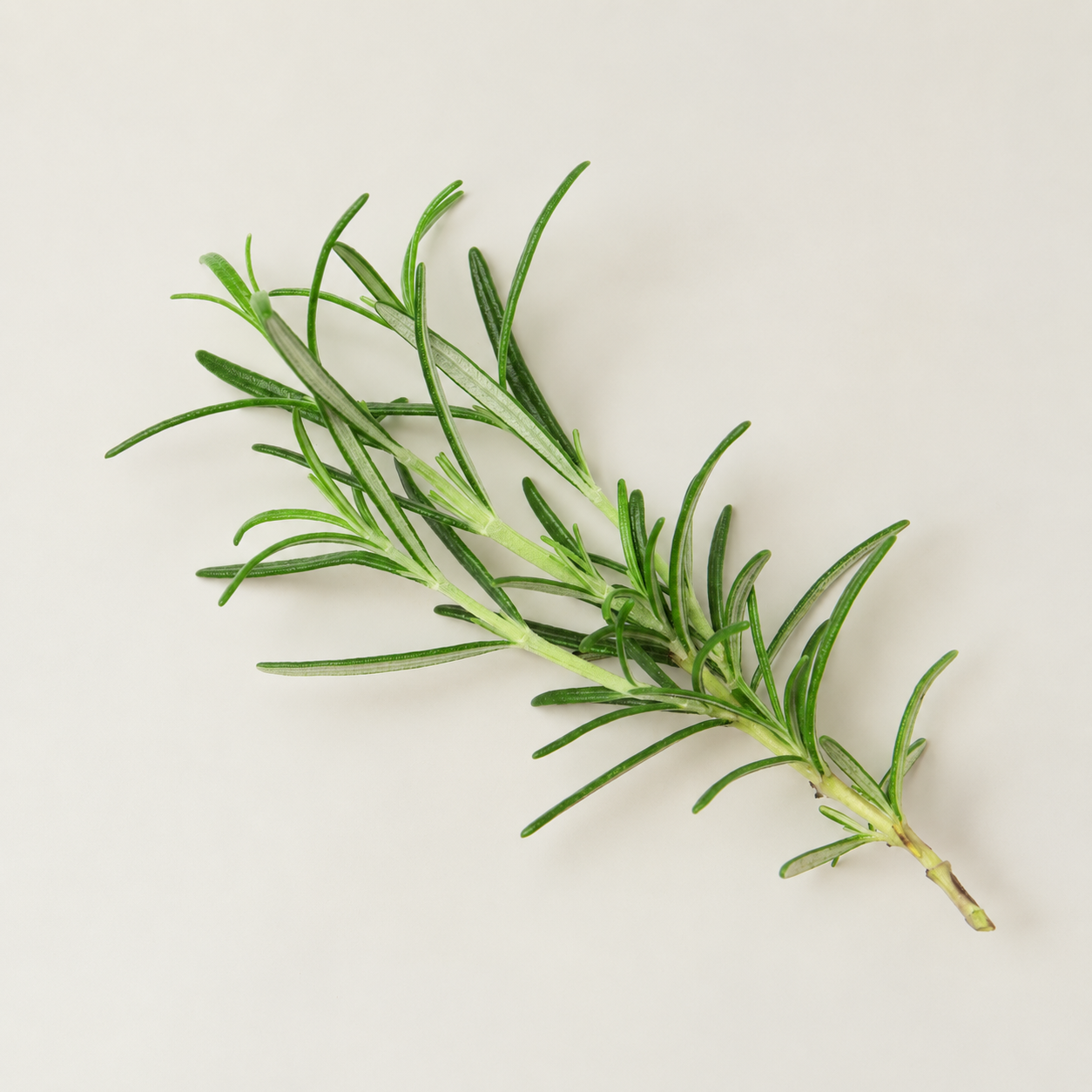
Semi-Ripe Cuttings
Semi-ripe cuttings are taken later, once the current season’s growth has started to mature. Look for a stem that is firmer and beginning to become woody at the base but still relatively soft towards the growing tip.
Plants commonly propagated from semi-ripe cuttings include:
- evergreen shrubs
- climbers
- herbs
- conifers
- hedging plants
- some tender perennials
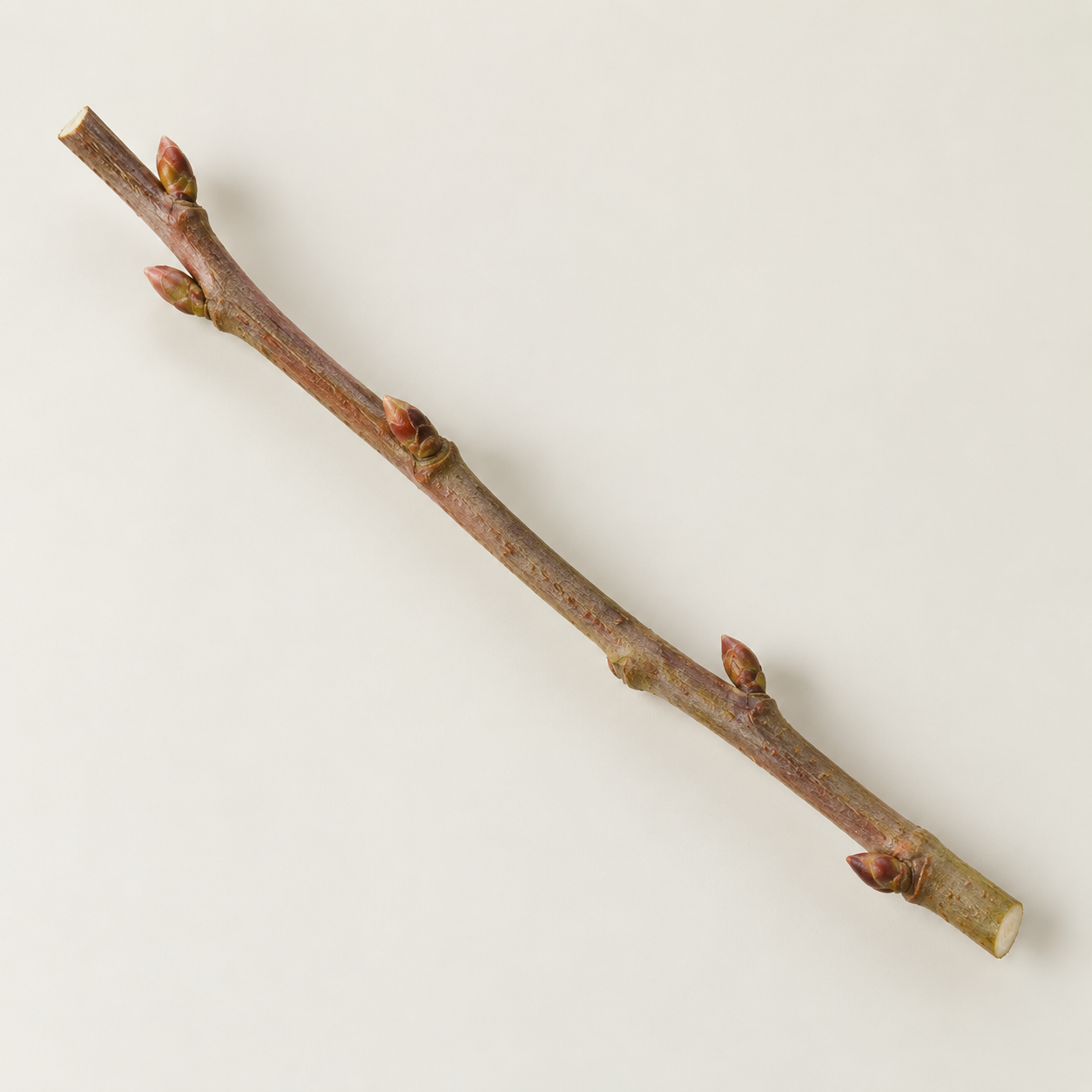
Hardwood Cuttings
Hardwood cuttings are taken from mature woody stems during the dormant season, usually after the leaves have fallen and before growth starts again in spring. Choose healthy, vigorous stems from the current year’s growth, avoiding damaged or very old wood. They are usually slower to root than softer material, but require less day-to-day attention while they establish.
Plants commonly propagated from hardwood cuttings include:
- deciduous shrubs
- climbers
- fruit bushes
- some trees
- some evergreens
📅 When to Take Plant Cuttings
There is a natural progression through the growing season:
- Spring to early summer: softwood cuttings
- Late summer to mid-autumn: semi-ripe cuttings
- Mid-autumn to late winter: hardwood cuttings
Some plants can be propagated successfully at more than one stage, while others respond best to a particular type of cutting.
The best method depends on the individual plant as well as the season, so check specific propagation requirements for plants that are difficult or particularly valuable.
✂️ Before You Start
Choose healthy propagation material with no signs of pests, disease or damage.
You will usually need:
- clean, sharp secateurs or snips
- clean pots or trays
- peat-free cuttings compost
- a dibber or pencil
- plant labels
- a watering can with a fine rose
Rooting hormone can help with some plants but is not essential. Use clean, sharp tools to make neat cuts and reduce unnecessary damage to the stems.
🌿 How to Take Softwood Cuttings
Take softwood cuttings early in the day if possible, when the plant is well hydrated. Have your pots ready before you begin, as fresh young shoots can wilt quickly.
- Select a healthy, non-flowering shoot and cut a 5 to 10cm section.
- Trim just below a leaf joint and remove the lower leaves.
- Make a hole in moist cuttings compost with a dibber or pencil.
- Insert the cutting with the remaining leaves above the compost and firm gently.
- Water and label the pot.
Keep the cuttings humid and in bright light away from strong direct sun. Keep the compost moist but not saturated and provide some ventilation. Once rooted, gradually acclimatise the young plants before potting them individually.
👉 Expert Tip: If you cannot pot softwood cuttings immediately, place them in a clean plastic bag and keep them cool to reduce moisture loss.
🍃 How to Take Semi-Ripe Cuttings
Choose healthy current-season growth that has begun to firm at the base but remains softer towards the tip.
- Cut a healthy section of stem and trim the base just below a node.
- Remove the lower leaves, leaving healthy foliage towards the top.
- Insert the cutting into moist, free-draining cuttings compost.
- Firm gently around the stem, then water and label.
Some plants, including lavender, can also be propagated using heel cuttings. Pull a suitable side shoot gently downwards so that a small strip of older wood remains attached at its base. Tidy the heel if necessary before inserting the cutting into compost.
Keep semi-ripe cuttings sheltered from strong sun and protect them from drying out. The compost should remain moist but not waterlogged.
👉 Expert Tip: Avoid keeping cuttings permanently wet in an attempt to maintain humidity. Excessively damp, stagnant conditions can encourage rotting and fungal disease.
🌳 How to Take Hardwood Cuttings
Take hardwood cuttings from healthy, mature current-season stems once the plant is dormant. Avoid periods when the ground is frozen or during severe frost.
- Remove the soft tip and prepare sections approximately 15 to 30cm long.
- Make a sloping cut just above a bud at the top.
- Make a straight cut just below a bud at the base.
- Insert each cutting into prepared, well-drained ground with roughly two-thirds below the soil.
- Firm the soil around the stem, leaving a few buds above ground.
The different cuts make it easy to identify which end goes into the soil. If you only have a few cuttings, they can instead be grown in deep pots of free-draining compost in a sheltered position.
Keep the soil or compost from drying out and leave the cuttings undisturbed while roots develop. Hardwood cuttings are slow and may remain in place until the following autumn.
👉 Expert Tip: New shoots do not necessarily mean a hardwood cutting has rooted. Buds can open using energy stored in the stem before a substantial root system has developed.
🪴 What Happens After a Cutting Roots?
The next stage depends on when the cutting was taken and how quickly the particular plant develops roots.
Softwood cuttings may establish relatively quickly and can often be potted individually during the growing season. Semi-ripe cuttings taken later in the year may need protected conditions through their first winter.
Hardwood cuttings are slower. They are commonly left undisturbed through the growing season and lifted or potted on the following autumn once a good root system has formed.
Whatever the method, newly rooted plants need time to establish. Avoid moving them into exposed garden conditions too abruptly. Plants raised under cover should be hardened off gradually before planting outside permanently.
⚠️ Common Problems When Taking Cuttings
A cutting has no established root system when first taken, so the balance between moisture, drainage and healthy plant material is particularly important.
Cuttings Wilt Quickly
This is most common with softwood and semi-ripe material. Collect shoots while they are well hydrated, prepare them promptly and prevent excessive water loss while they root.
The Base of the Cutting Rots
Overwatering, poor drainage and stagnant conditions can all contribute to rotting. Use clean pots and fresh, free-draining compost and avoid leaving cuttings sitting in saturated conditions.
Leaves Develop Mould
Crowded foliage, high humidity and insufficient ventilation encourage fungal problems. Remove dead or decaying leaves promptly and improve airflow.
Cuttings Fail to Root
Possible causes include unsuitable plant material, taking the cutting at the wrong stage of growth, allowing it to dry out or providing unsuitable growing conditions.
Not every cutting will succeed. Taking several healthy cuttings rather than relying on a single stem gives you a better chance of producing the number of plants you need.
🗓️ Plant Cuttings Quick Reference Guide
| Cutting Type | Main Timing | Growth to Look For | Common Uses | Typical Aftercare |
|---|---|---|---|---|
| Softwood | Spring to early summer | Young, soft, flexible new growth | Perennials, deciduous shrubs, climbers and some trees | Warm, humid, bright conditions away from strong direct sun |
| Semi-ripe | Late summer to mid-autumn | Firming at the base, softer at the tip | Evergreens, climbers, herbs, hedging plants and conifers | Sheltered conditions, moisture and good ventilation |
| Hardwood | Mid-autumn to late winter | Firm, woody stems from this year’s growth | Deciduous shrubs, climbers, trees and some fruit | Outdoors or under cool protection; keep from drying out |
The transition between these stages is gradual rather than a fixed date. Look at the plant as well as the calendar and choose healthy growth at the appropriate stage of maturity.
🌿 Visit Our Garden Centre
Taking cuttings at different points through the year can provide new shrubs, perennials, climbers and fruit plants from established favourites in your garden. Choosing the right propagation method for the season and preparing healthy material carefully are the most important starting points.
Visit us in Kington for plants, peat-free composts, pots, propagation equipment and practical advice on taking cuttings and growing young plants on successfully.