Choosing the right nest box for your garden birds

Discover the Perfect Nest Box to Attract Birds Into Your Garden

Adding a nest box to your garden is one of the simplest ways to attract birds and support local wildlife. From cheerful blue tits to friendly robins, providing a safe nesting space encourages birds to settle, breed, and return year after year.

Choosing the right nest box and positioning it correctly can make all the difference. This guide explains how to select the best nest box for different garden birds, where to place it, and how to give nesting birds the best chance of success.

🐦 Why Add a Nest Box to Your Garden?

A well-placed nest box offers birds a safe and sheltered place to nest, especially as natural nesting sites become harder to find in urban and suburban areas.

Benefits of installing nest boxes include:

  • Encouraging more birds into your garden
  • Supporting local bird populations
  • Helping to control garden pests naturally
  • Creating opportunities to observe nesting behaviour up close
  • Enhancing biodiversity in your outdoor space

👉Expert Tip – Many garden birds begin searching for nesting sites from January onwards, so autumn and winter are ideal times to install nest boxes.
🪺 Types of Nest Boxes for Garden Birds

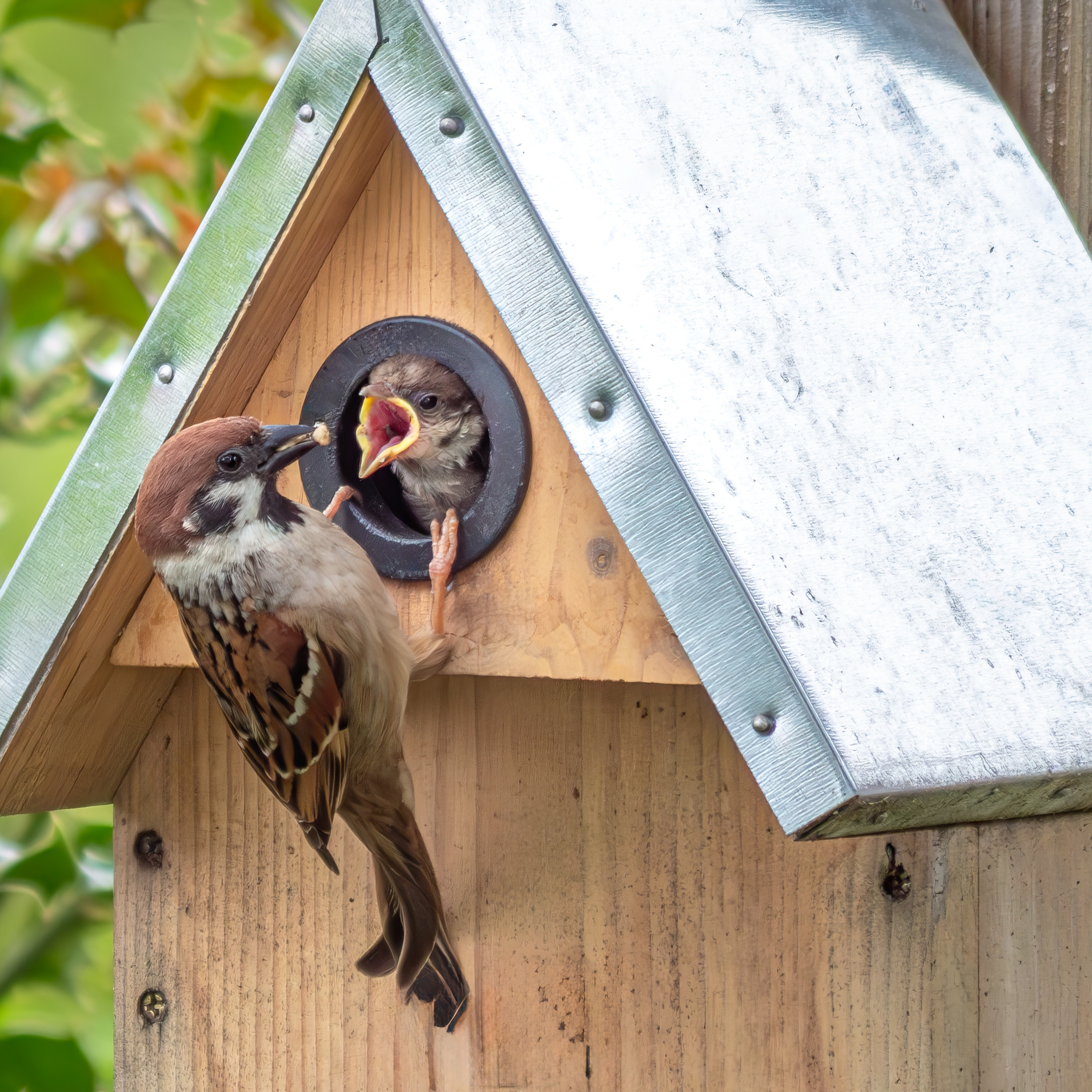
An adult bird feeding baby bird at entrance to closed front nest box
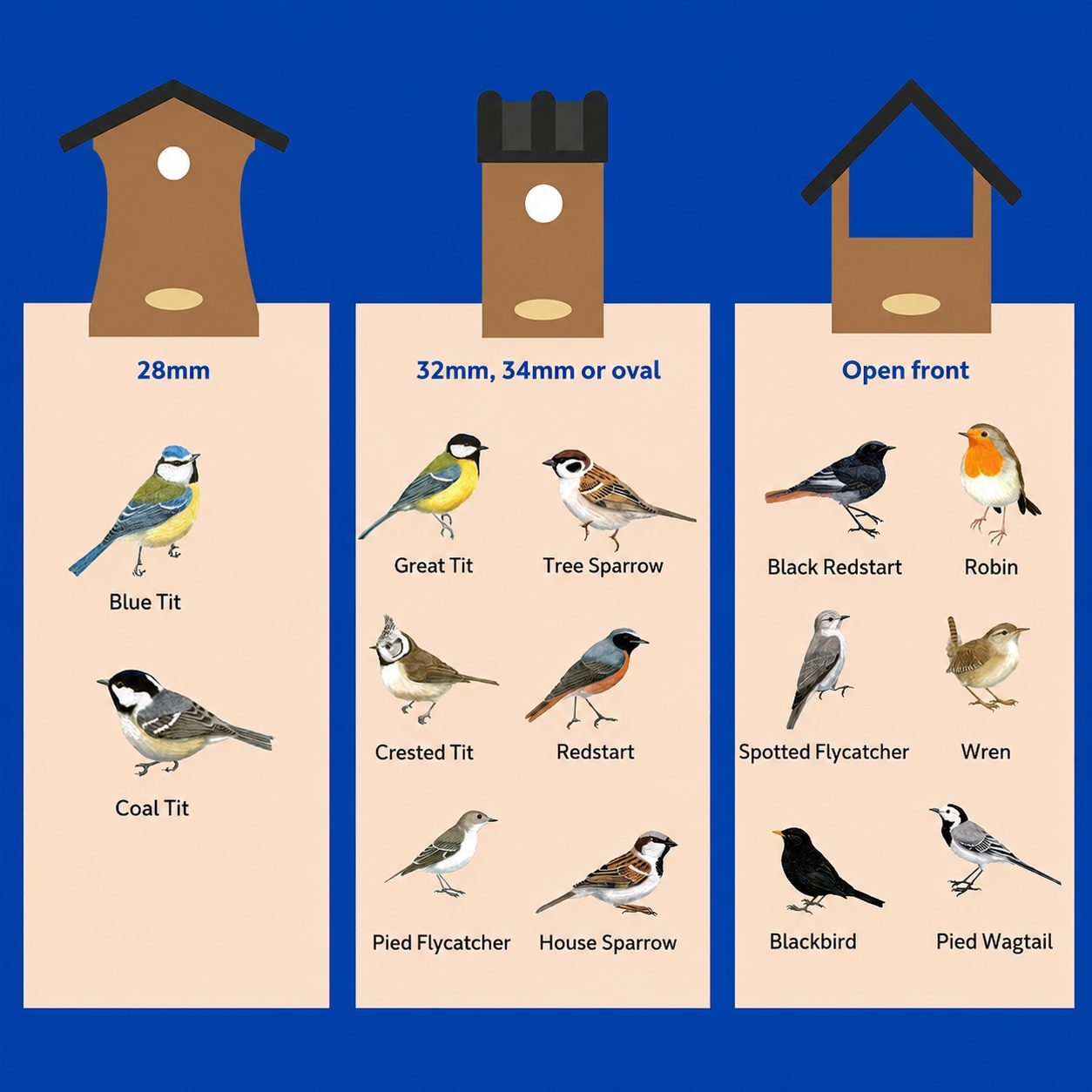
Infographic detailing which type of nest box attracts different birds
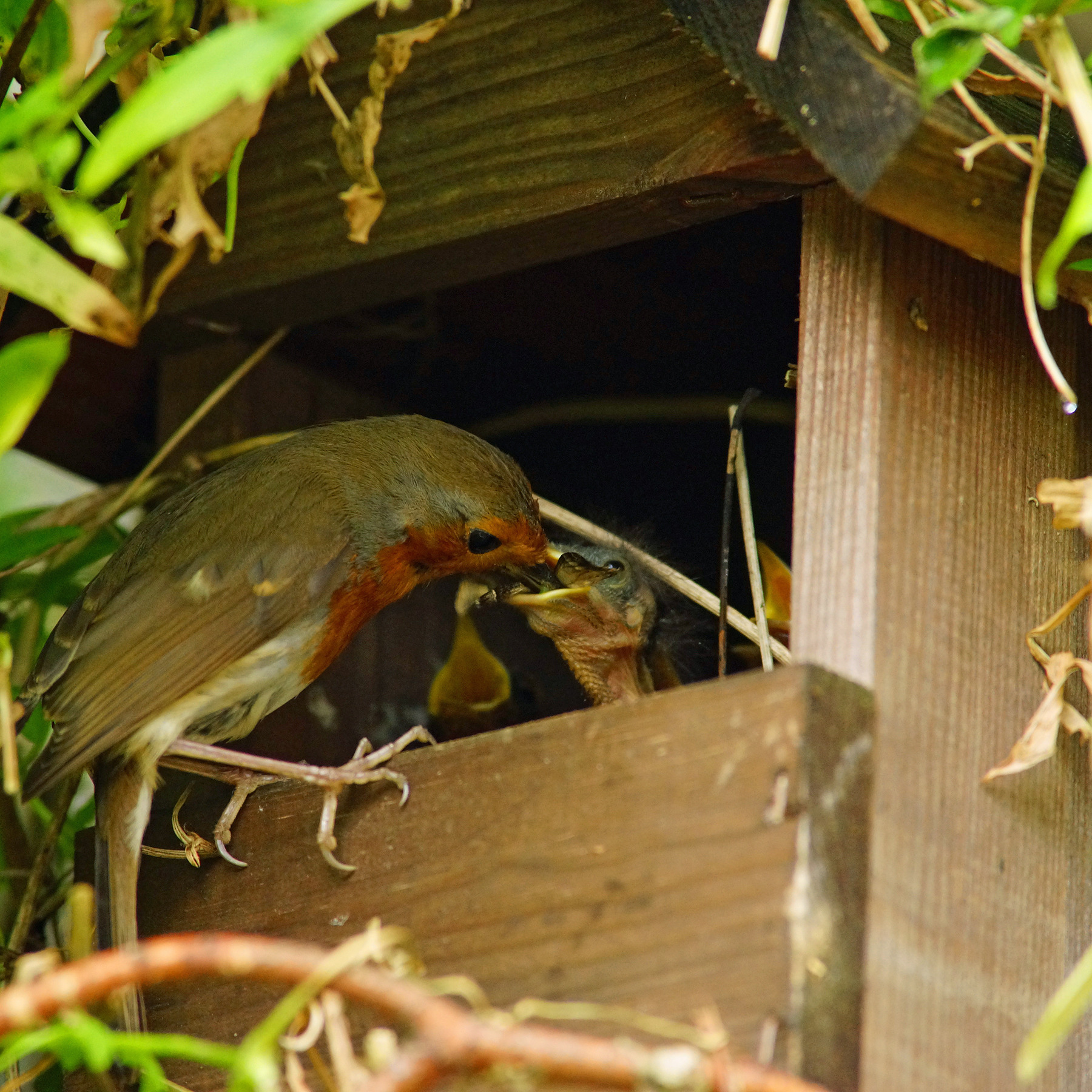
An adult bird feeding baby bird at entrance to open front nest box

Choosing the correct nest box is essential if you want to attract birds successfully. Different bird species prefer different nesting styles.

🏡 Nest Boxes with Entrance Holes

Enclosed nest boxes replicate the natural cavities birds would normally find in trees.

Popular species using entrance-hole nest boxes include:

  • Blue tits
  • Great tits
  • House sparrows
  • Nuthatches
  • Starlings

The entrance hole size is extremely important because it helps attract the right species while preventing larger birds or predators from entering.

🌿 Open-Fronted Nest Boxes

Open-fronted nest boxes are ideal for birds that naturally nest in sheltered vegetation, hedges, or dense shrubs.

These birds commonly use open-fronted boxes:

  • Robins
  • Blackbirds
  • Song thrushes
  • Pied wagtails
  • Wrens

For the best results, position open-fronted boxes discreetly among foliage to protect nesting birds from predators and disturbance.

📏 Best Entrance Hole Sizes for Common Garden Birds

Choosing the correct entrance hole size helps attract the right bird species while discouraging larger birds from using the box.

Recommended Nest Box Entrance Sizes

Bird SpeciesEntrance Hole Size
Blue tits & coal tits25mm
Great tits & tree sparrows28mm
House sparrows & nuthatches32mm
Starlings45mm
Spotted flycatchers60mm open front
Robins & pied wagtails100mm open front
Wrens140mm open front

A metal hole protector around the entrance can also help prevent squirrels and woodpeckers enlarging the opening.

📍 Where to Position a Nest Box

Correct placement is just as important as choosing the right box.

☀️ Avoid Direct Sunlight

Avoid placing nest boxes where they receive strong, prolonged sunshine, particularly on south-facing walls.

A north or north-east facing position is usually ideal because it offers shelter from heat and prevailing winds.

🌧️ Protect from Wind and Rain

Avoid exposed west-facing locations that receive heavy rain and strong winds. Birds prefer calm, sheltered spaces.

✈️ Ensure a Clear Flight Path

Birds need easy access to the entrance hole. Avoid placing boxes where branches or dense obstacles block their approach.

📏 Recommended Height

Different birds prefer different heights:

  • Small tits and sparrows: 2 to 4 metres high
  • Open-fronted boxes: at least 1.5 metres high
  • Starlings and swifts: under house eaves or high walls

🛡️ Extra Tips to Attract Birds Successfully

🧼 Clean Nest Boxes Every Year

Clean nest boxes each autumn with hot water and a stiff brush. Avoid detergents or disinfectants, which may leave harmful residues.

🐱 Keep Predators Away

Place boxes away from fences cats can access, avoid nearby feeding stations, and use predator guards where needed.

🌱 Create a Bird-Friendly Habitat

Combine nest boxes with native plants, bird feeders, and fresh water sources to create a safe and attractive habitat for garden birds.

⏳ How Long Before Birds Use a Nest Box?

Patience is important. Birds may inspect several locations before choosing a nesting site.

It is completely normal for a new nest box to remain unused for months or even a full year.

If activity remains low after a year:

  • Try moving the box
  • Adjust the height
  • Change the direction it faces
  • Reduce nearby disturbance

Once birds successfully nest in a location, they often return year after year.

🌿 Visit Our Garden Centre in Kington

👉 Visit us in Kington for a fantastic range of nest boxes, bird feeders, bird food and wildlife care essentials. Our team can help you choose the right products to attract and support garden birds throughout the year.