
A Guide to Choosing, Caring for and Recycling a Real Christmas Tree

A Guide to Choosing the Perfect Real Christmas Tree

Nothing captures the magic of Christmas quite like a real Christmas tree. From the fresh scent of pine and fir to the sparkle of decorations and lights, a real tree can become the centrepiece of festive celebrations.

The type of tree you buy, how you care for it at home and what you do with it after Christmas can all make a difference. This guide covers the main types of real Christmas tree, what to look for when buying one, how to keep it fresh and what to do with it once Christmas is over.

🎄 Types of Real Christmas Tree

Needle retention, fragrance, shape and branch strength vary between different types of Christmas tree, so it is worth considering what matters most to you before buying.

British-grown trees can also be a good option. They support British growers and have travelled a shorter distance before reaching the retailer.

Comparing Christmas Tree Varieties

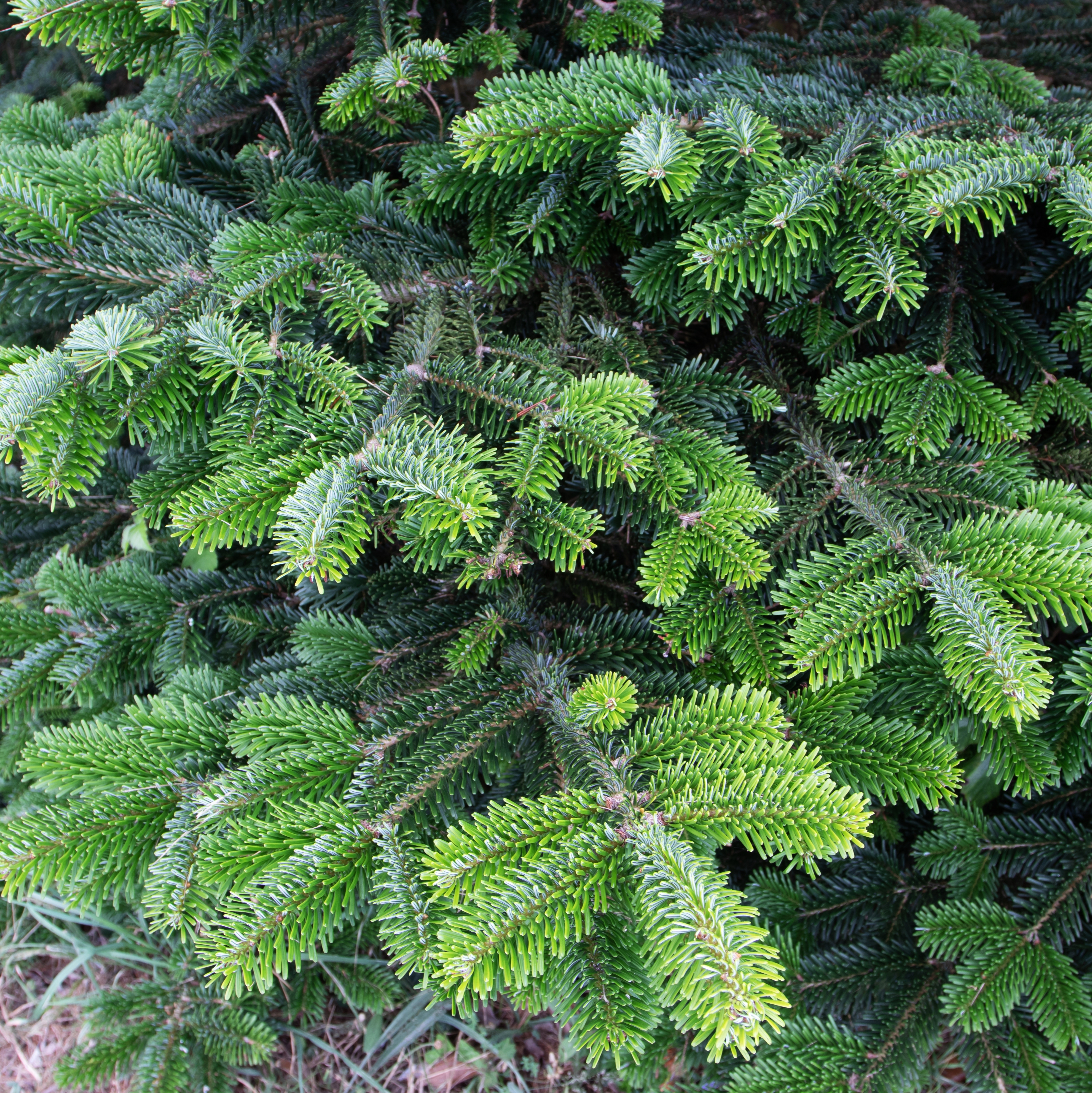
Nordmann Fir
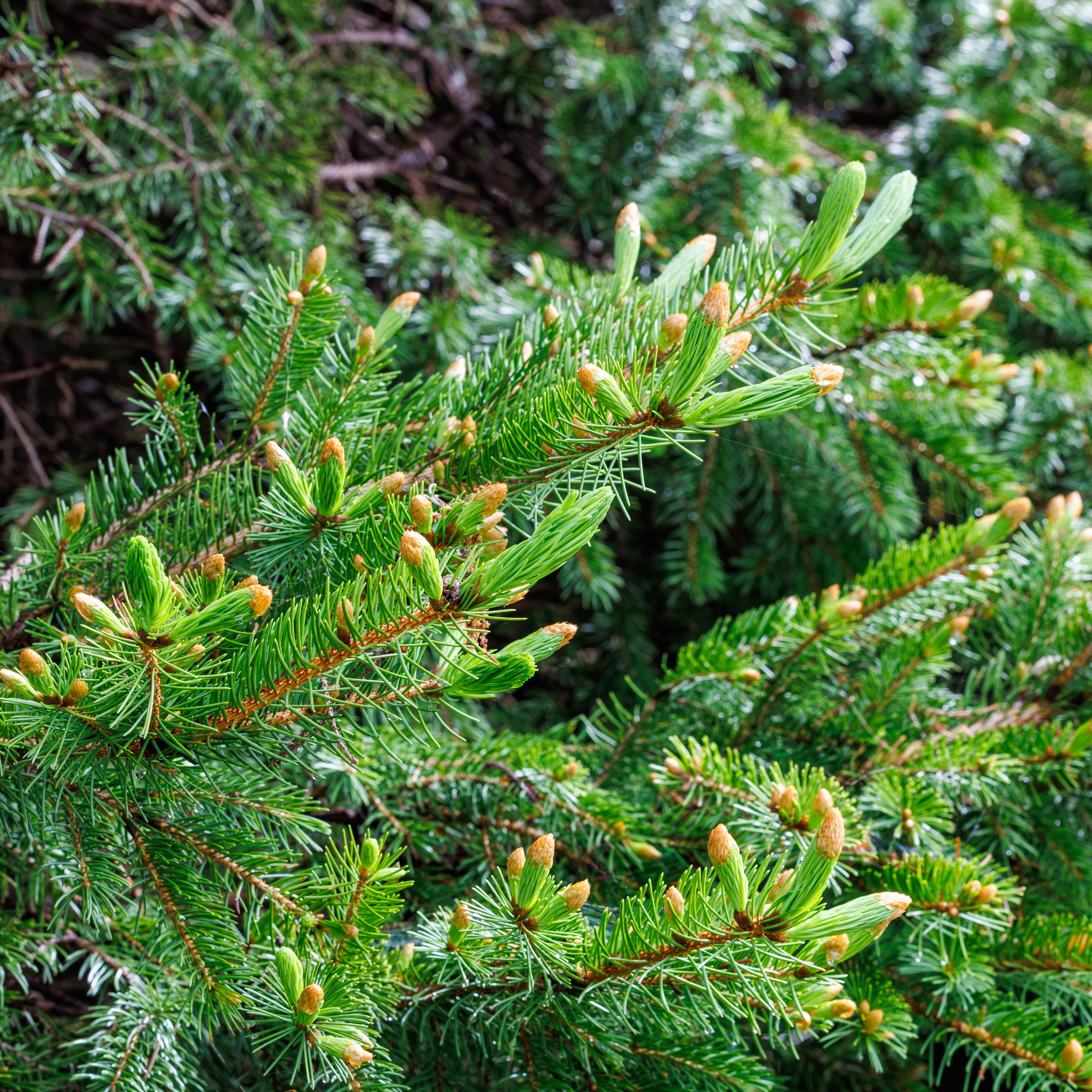
Norway Spruce
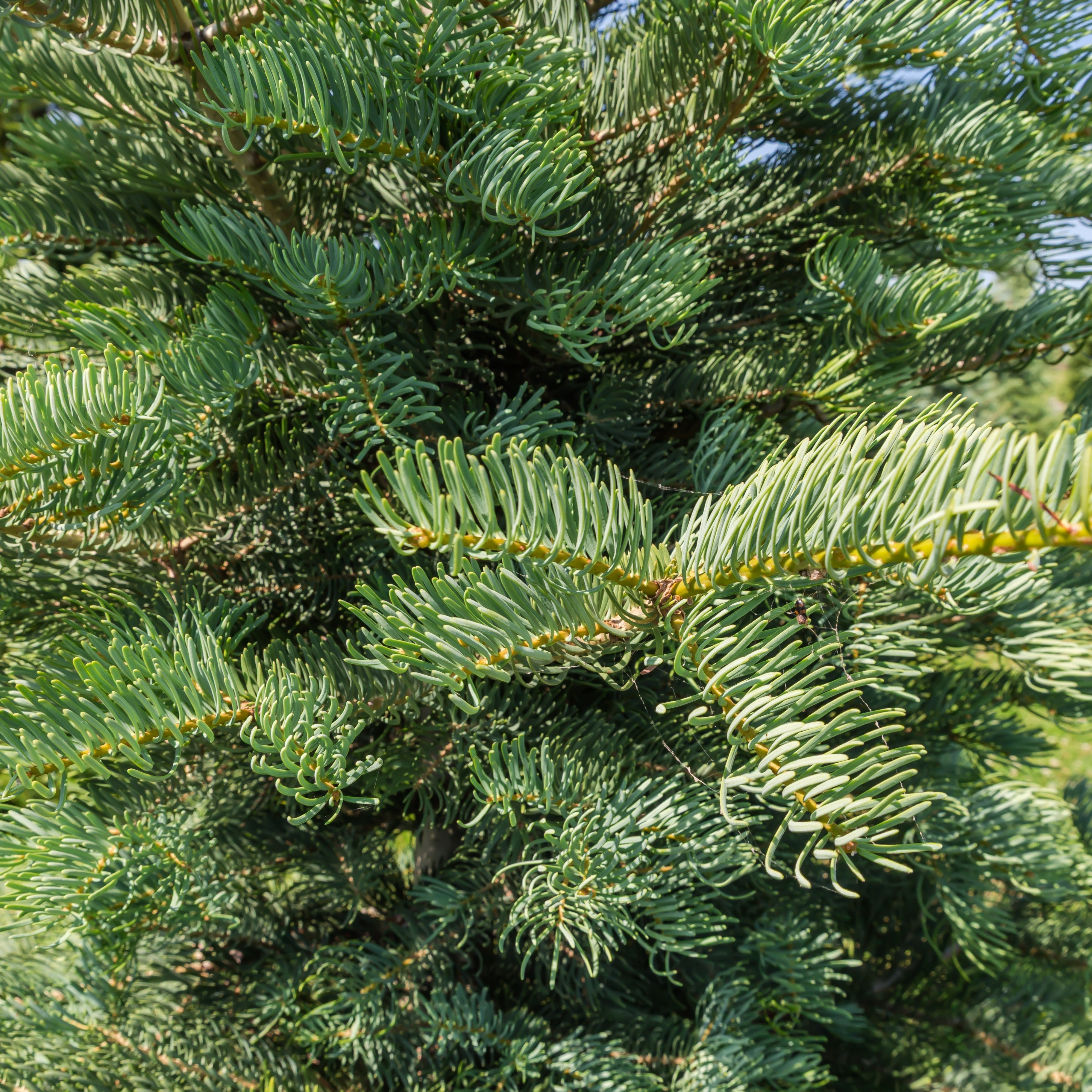
Fraser Fir
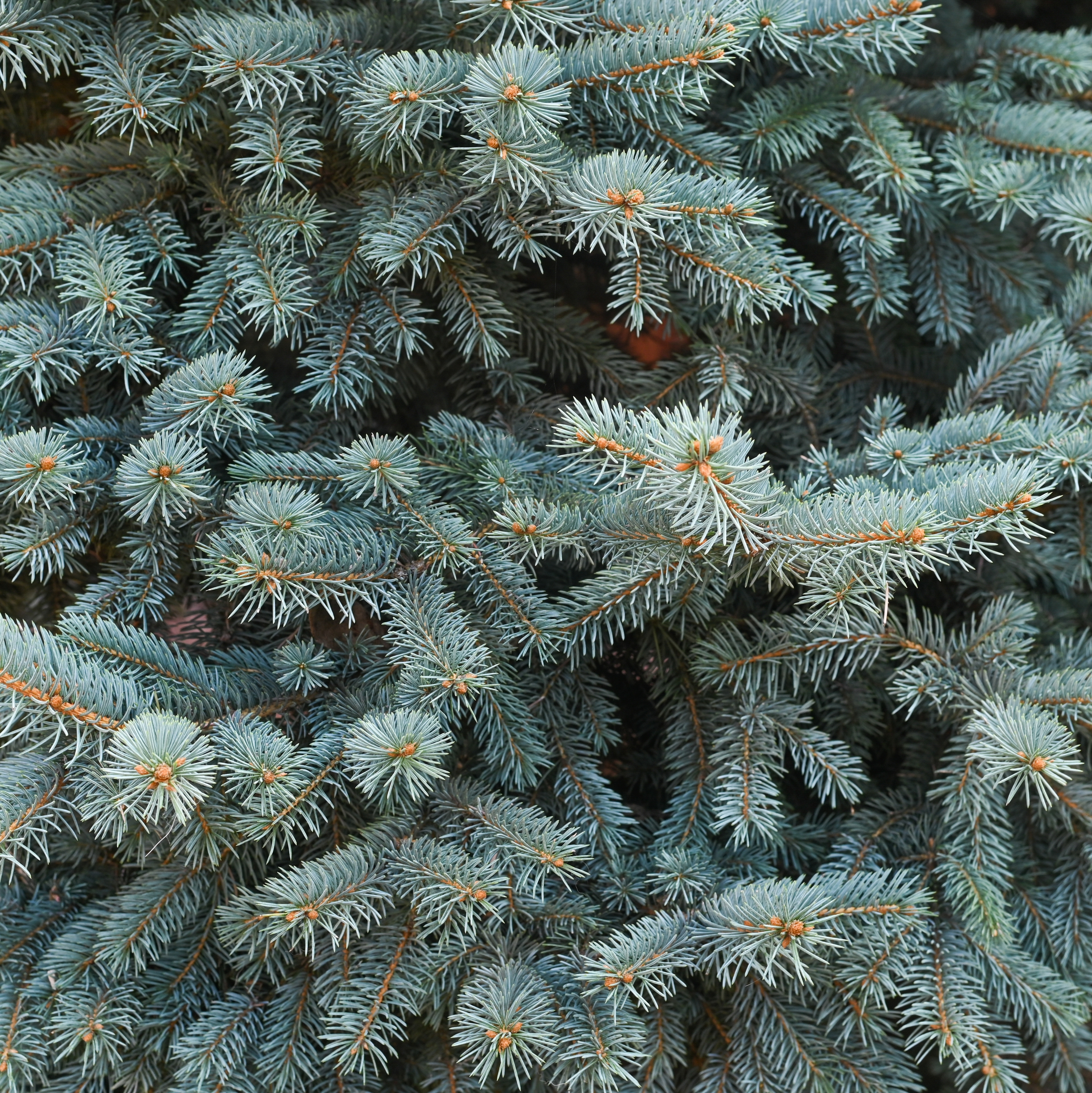
Blue Spruce

Nordmann Fir

  • Glossy dark green needles
  • Soft needle tips
  • Symmetrical shape
  • Strong branches
  • Excellent needle retention

Norway Spruce

  • Bright to dark green needles
  • Traditional shape
  • Distinctive festive scent
  • Moderate needle retention

Fraser Fir

  • Dark green needles

  • Silvery undersides
  • Attractive layered branches
  • Excellent needle retention

Blue Spruce

  • Blue-green to silvery-blue needles
  • Dense growth
  • Compact habit
  • Good needle retention

While these are among the most popular Christmas trees in the UK, other varieties such as Douglas Fir, Serbian Spruce and Silver Fir may also be available from specialist growers.

How to Choose the Perfect Christmas Tree

Get the Size Right

Before buying your tree, measure the space where it will stand. Think about both the height and width, and remember to allow extra room for the stand or other receptacle and your tree topper.

Check the Tree Before You Buy

Take a good look at the tree from all sides. Look for a shape you like and branches that suit the decorations you plan to use. If you have larger or heavier decorations, look for plenty of sturdy branches.

👉 Expert Tip: Fresh trees should have healthy-looking needles and flexible branches. A few loose needles are perfectly normal, but if lots fall when the tree is gently handled, it may already be drying out.

🚗 Transporting Your Christmas Tree Home

Once you’ve found your tree, careful transport will help protect the branches on the journey home.

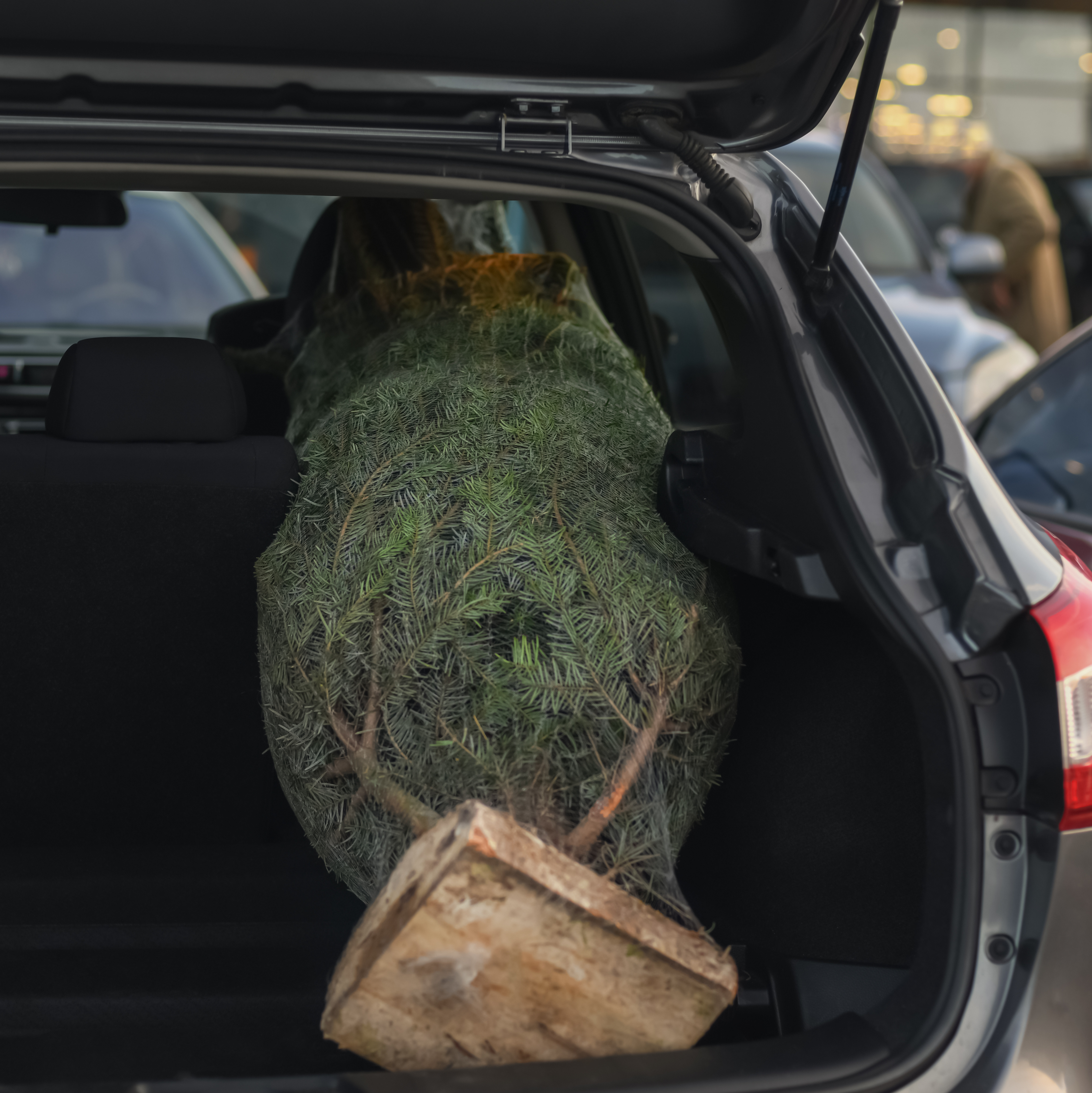
Most trees can be wrapped in netting to make them easier to handle and protect the branches during transport. Many garden centres and Christmas tree retailers also offer local delivery, which can be particularly useful for larger trees.

If transporting your tree on roof bars or a roof rack, secure it firmly with suitable straps and position the trunk towards the front of the vehicle to reduce wind resistance. If carrying it inside your car, lay down an old sheet or blanket to protect the interior from loose needles and sap.

Real Christmas tree securely wrapped in netting and transported in the boot of a car after purchase.

💧 Caring for Your Christmas Tree

A real Christmas tree needs a good supply of water and a position away from excessive heat. A few simple steps can help reduce drying and needle drop throughout the festive season.

Give the Trunk a Fresh Cut

Before placing your tree in its stand, cut approximately one inch from the base of the trunk. A fresh cut helps the tree take up water.

Once cut, place the tree into water as soon as possible and keep the base of the trunk submerged.

Keep It Well Watered

A real Christmas tree can absorb a surprising amount of water, particularly during its first few days indoors.

Check the water level daily and top it up as needed. Do not allow the base of the trunk to sit above the waterline.

Choose the Right Location

Avoid positioning your tree near radiators, open fires, wood burners, heat vents or strong direct sunlight. Excessive heat will cause it to dry out more quickly and can increase needle loss.

Check It Regularly

It only takes a minute each day to keep your tree looking its best.

Check that water levels remain adequate, the stand is stable and heavier decorations are not putting too much strain on individual branches. These small checks can help maintain your tree’s appearance throughout the festive season.

✨ How to Keep Your Christmas Tree Fresh for Longer

If you want your tree looking its best throughout the festive season, a few extra steps can make a significant difference.

Mist the Branches

Light misting can help reduce drying in centrally heated homes.

Use LED Lights

LED lights generate far less heat than traditional bulbs, helping preserve moisture levels.

Turn Lights Off

Switch your Christmas tree lights off overnight and when you leave the house. This improves safety, helps keep the tree fresh and saves energy.

Avoid Overcrowding Decorations

Heavy ornaments concentrated in one area can strain branches and affect overall appearance.

Close up of ornaments on a green Christmas tree

🌿 What to Do With Your Tree After Christmas

Once Christmas is over, a cut tree can still be useful in the garden rather than simply being thrown away.

Use It as Garden Mulch

If you have access to a garden shredder, the branches can be chipped and used as a mulch around established plants. Wood chips can help suppress weeds, retain soil moisture and gradually add organic matter as they break down.

Create a Wildlife Habitat

Branches and sections of trunk can be added to a habitat or deadwood pile in a quiet corner of the garden. As the material gradually breaks down, it can provide shelter for insects and other garden wildlife.

Reuse the Trunk

The trunk can be cut into sections and used around the garden, for example as rustic edging or added to a deadwood habitat.

What About Rooted Christmas Trees?

If you have a rooted or container-grown Christmas tree, it may be possible to keep it growing after Christmas.

Keep the compost moist and gradually return the tree to outdoor conditions after its time indoors. It can then be cared for as a container plant or, if you have enough suitable space, planted in the garden.

Depending on its size and condition, a container-grown tree may be brought indoors again for a future Christmas.

♻️ Recycling and Sustainable Disposal

If you cannot reuse your cut Christmas tree at home, check the recycling arrangements in your local area. Many councils provide seasonal Christmas tree collection points or accept trees at household recycling centres.

Some retailers and other local organisations may also operate collection or recycling schemes, so check what is available locally before disposing of your tree.

🌿 Visit Our Garden Centre

Looking for a real Christmas tree? Our team can help you find a variety and size to suit your home and offer practical advice on caring for it throughout the festive season.

👉 Visit us in Kington to see our range of quality real Christmas trees and find the right tree for your celebrations.