A Guide To Pruning Hedges
Knowing when and how to prune a hedge is essential for keeping it healthy, attractive and long-lasting. From neat formal hedges to wildlife-friendly boundaries, different hedge styles benefit from the right pruning techniques and timings.
Different hedge types require different pruning techniques and timings. Understanding the difference between formative and maintenance pruning, using the right tools and working at the appropriate time of year will help you achieve the best results while protecting nesting birds and other wildlife.
Regular pruning is far easier than tackling years of neglected growth. Left unchecked, hedges quickly outgrow their space, become more difficult to maintain and may eventually require much more extensive renovation.
πΏ Why Pruning Hedges Matters
Regular pruning does far more than improve appearance. It encourages dense, healthy growth and helps maintain the hedge’s natural shape. Keeping growth under control also prevents it from encroaching onto paths, borders and neighbouring plants, making routine maintenance much simpler.
Pruning helps to:
- Encourage thick, bushy growth by stimulating new shoots and filling gaps in the hedge.
- Maintain the desired height and width, preventing it from becoming difficult to manage.
- Keep paths, lawns and borders clear by controlling outward growth.
- Improve air circulation, helping foliage dry more quickly after rain and reducing the risk of some fungal diseases.
- Remove damaged, diseased or dead branches, keeping the hedge healthier and tidier.
- Allow more light to reach nearby plants, helping borders and lawns thrive beneath or alongside the hedge.
- Extend the life of the hedge through regular, preventative maintenance.
π³ Pruning Different Types of Hedge
The way you prune a hedge depends largely on its age and how formal you want it to look.
π± Newly Planted Hedges
New hedges require formative pruning during their first two years.
Although it can seem strange to cut back a young hedge, doing so encourages branching from the base, helping create a thick, dense hedge instead of one that’s sparse near the ground.
Formative pruning is normally carried out between late winter and early spring, while the plants are still dormant.
πΏ Established Informal Hedges
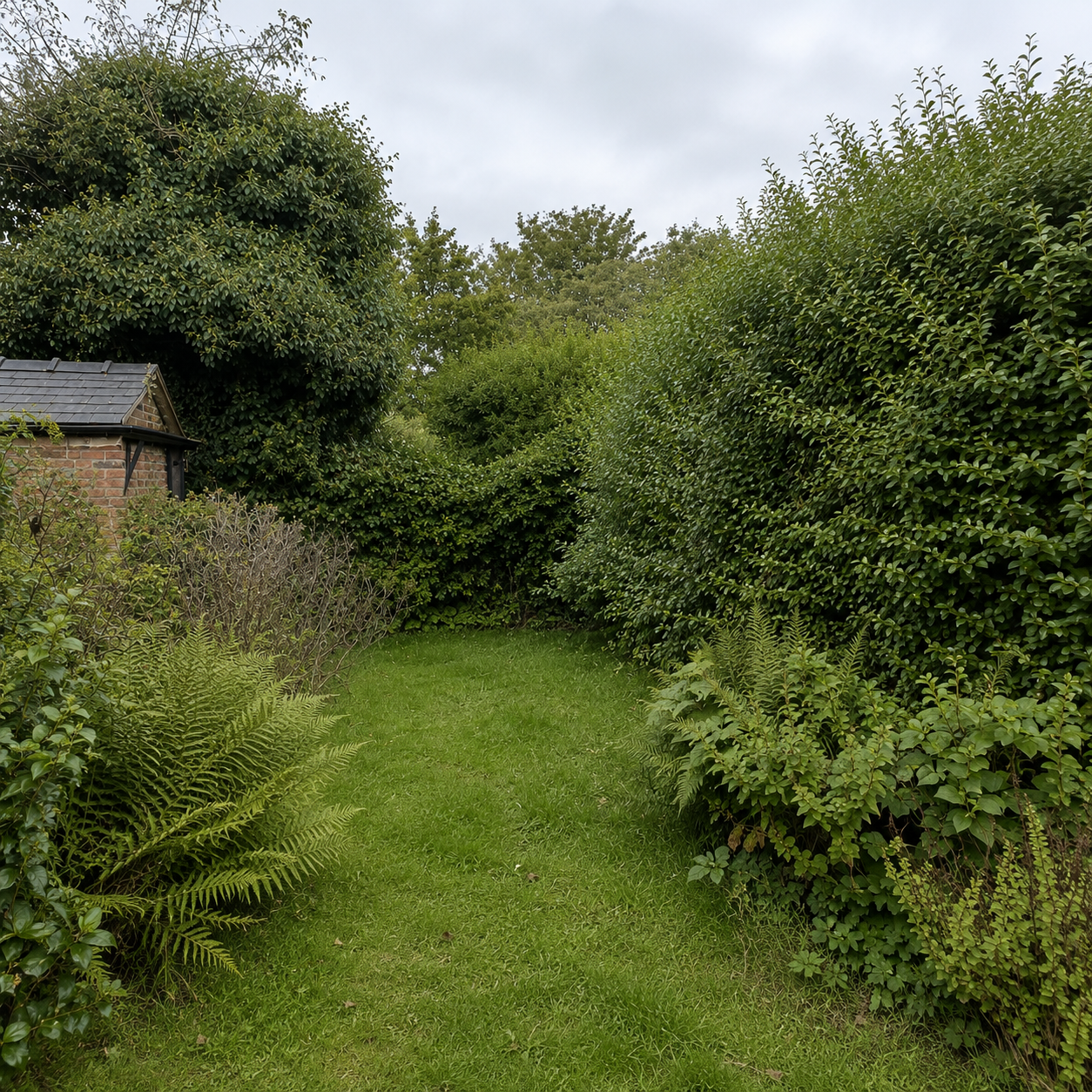
Informal hedges have a softer, more natural appearance and usually only require one maintenance prune each year.
The aim isn’t to create perfectly straight lines but to remove excessive growth while preserving the hedge’s natural shape.
These hedges also provide valuable shelter and nesting sites for birds, insects and other wildlife.
π Expert Tip: Before pruning any hedge, always check carefully for active bird nests. If birds are nesting, postpone pruning until the young have fledged.
βοΈ Formal Hedges
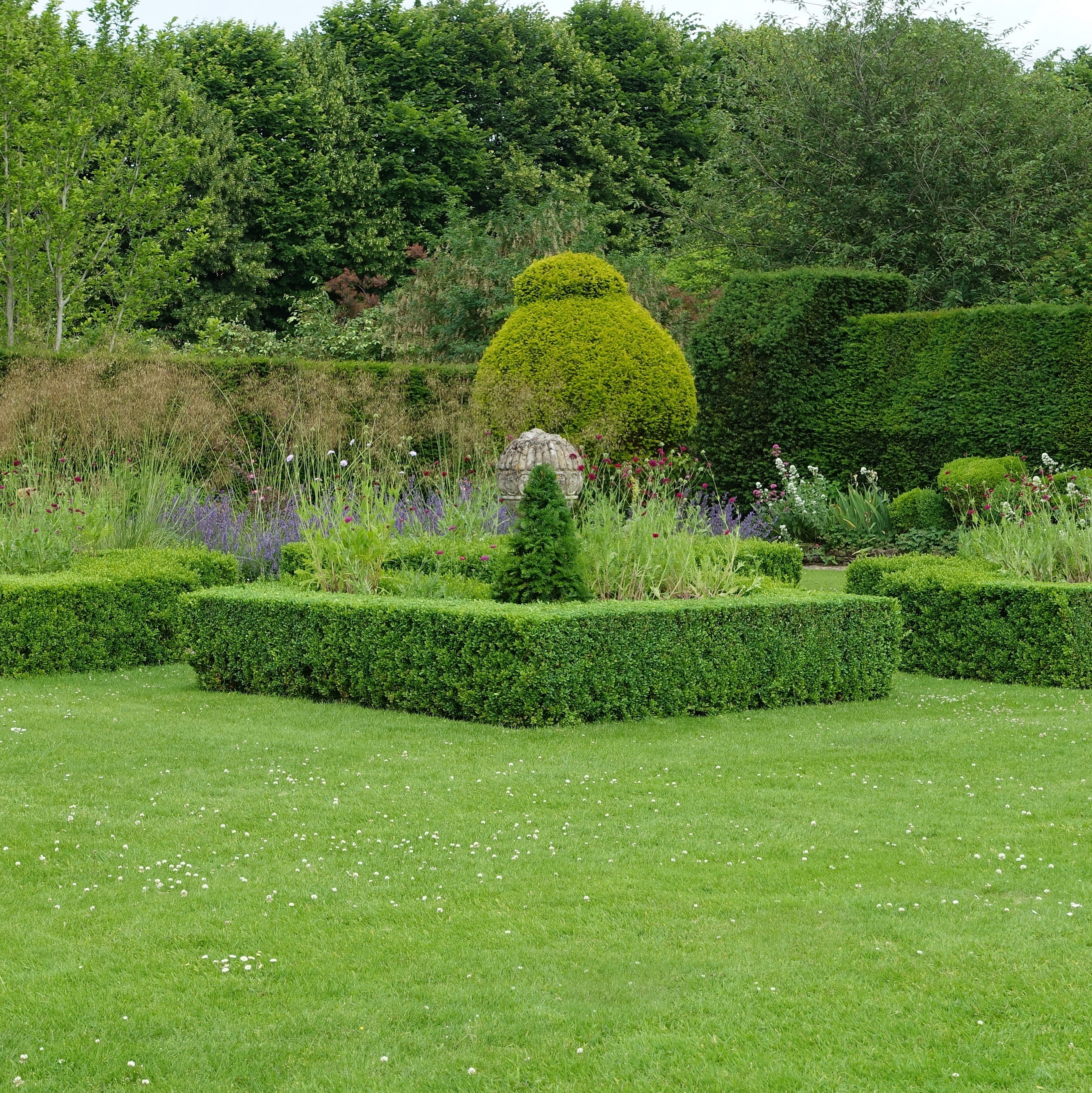
Formal hedges need considerably more attention to keep their crisp appearance.
Depending on the species, they are usually trimmed:
- Twice each year
- Occasionally three times during periods of vigorous growth
Regular light trimming produces a much neater result than allowing lots of growth before cutting it back heavily.
Popular formal hedges such as box, yew and privet all benefit from routine maintenance.
π When Should You Prune Hedges?
Pruning at the right time of year helps your hedge recover quickly while protecting nesting wildlife.
| Hedge Type | Best Time to Prune |
|---|---|
| Newly planted hedges | Late winter to early spring |
| Informal deciduous hedges | Winter, once leaves have fallen |
| Evergreen hedges | Late spring or early summer |
| Formal hedges | Late spring and again in late summer if needed |
These timings are intended as general guidance. Always consider the specific needs of your hedge species, local weather conditions and the presence of nesting birds before carrying out any pruning.
π Expert Tip: Cloudy, dry days are ideal for pruning. Avoid trimming in hot sunshine, as freshly cut foliage can scorch.
βοΈ How to Prune a Hedge
Pruning doesn’t need to be complicated. Following a simple routine helps you achieve a neat finish while keeping the hedge healthy.
Step 1 β Check for Wildlife
Inspect the hedge carefully for nesting birds and other wildlife before beginning.
Step 2 β Remove Dead or Damaged Growth
Use secateurs or loppers to remove any dead, diseased or broken branches before shaping the hedge.
Step 3 β Trim the Sides
Work from the bottom upwards using smooth, even movements.
Aim to leave the hedge slightly wider at the base than at the top. This allows sunlight to reach the lower branches and helps prevent bare patches developing.
Step 4 β Trim the Top
Once both sides are complete, level the top of the hedge.
For long hedges, stretching a string line between two canes helps produce a straight finish.
Step 5 β Stand Back Regularly
Every few minutes, stop and view the hedge from different angles.
It’s much easier to correct small uneven areas than large mistakes.
π Expert Tip: Taking a few steps back regularly is one of the simplest ways to achieve a professional-looking finish.
π οΈ Choosing the Right Pruning Tools
Using the right tool makes pruning easier, safer and gives a cleaner finish.
| Job | Recommended Tool |
| Small shoots | Secateurs |
| Shaping small hedges | Hedge shears |
| Thick branches | Loppers |
| Mature woody stems | Pruning saw |
| Large established hedges | Battery or electric hedge trimmer |
Whichever tool you choose:
- Keep blades clean and sharp.
- Wear sturdy gloves.
- Use eye protection when appropriate.
- Follow the manufacturer’s safety instructions.
A sharp blade creates a cleaner cut, allowing plants to heal more quickly.
π Make Clearing Up Easier
Tidying up after pruning doesn’t have to be difficult.
Before you begin, spread an old sheet or tarpaulin beneath the hedge. Most of the cuttings will fall directly onto it, making collection quick and easy.
Smaller clippings can often be added to a compost heap, while larger branches can be used to create a wildlife habitat in a quiet corner of the garden.
This simple trick saves time and leaves your lawn or borders much cleaner.
Visit Our Garden Centre
Healthy hedges begin with the right plants and regular care. Routine pruning using the right tools and techniques keeps them dense, well shaped and easier to maintain throughout the year.
Β Visit usΒ inΒ KingtonΒ and discover our range of hedging plants, quality pruning tools and friendly gardening advice to help you achieve beautiful, healthy hedges all year round.