
Open today 9:00 - 17:00
Garden wildlife includes an enormous variety of creatures, many of which are quietly performing important jobs among the plants, in the soil and beneath fallen leaves.
Ladybirds and hoverfly larvae feed on aphids. Ground beetles and spiders hunt other invertebrates. Earthworms contribute to healthy soil, while woodlice and millipedes help recycle decaying plant material. Other creatures provide food for birds, amphibians and predators.
Understanding these different roles gives us a much clearer picture of how a garden ecosystem works. Even creatures we tend to regard as pests can have a place within it.
Predators are an important part of a balanced garden. They feed on other creatures, including some that can cause significant damage when their populations become too large.
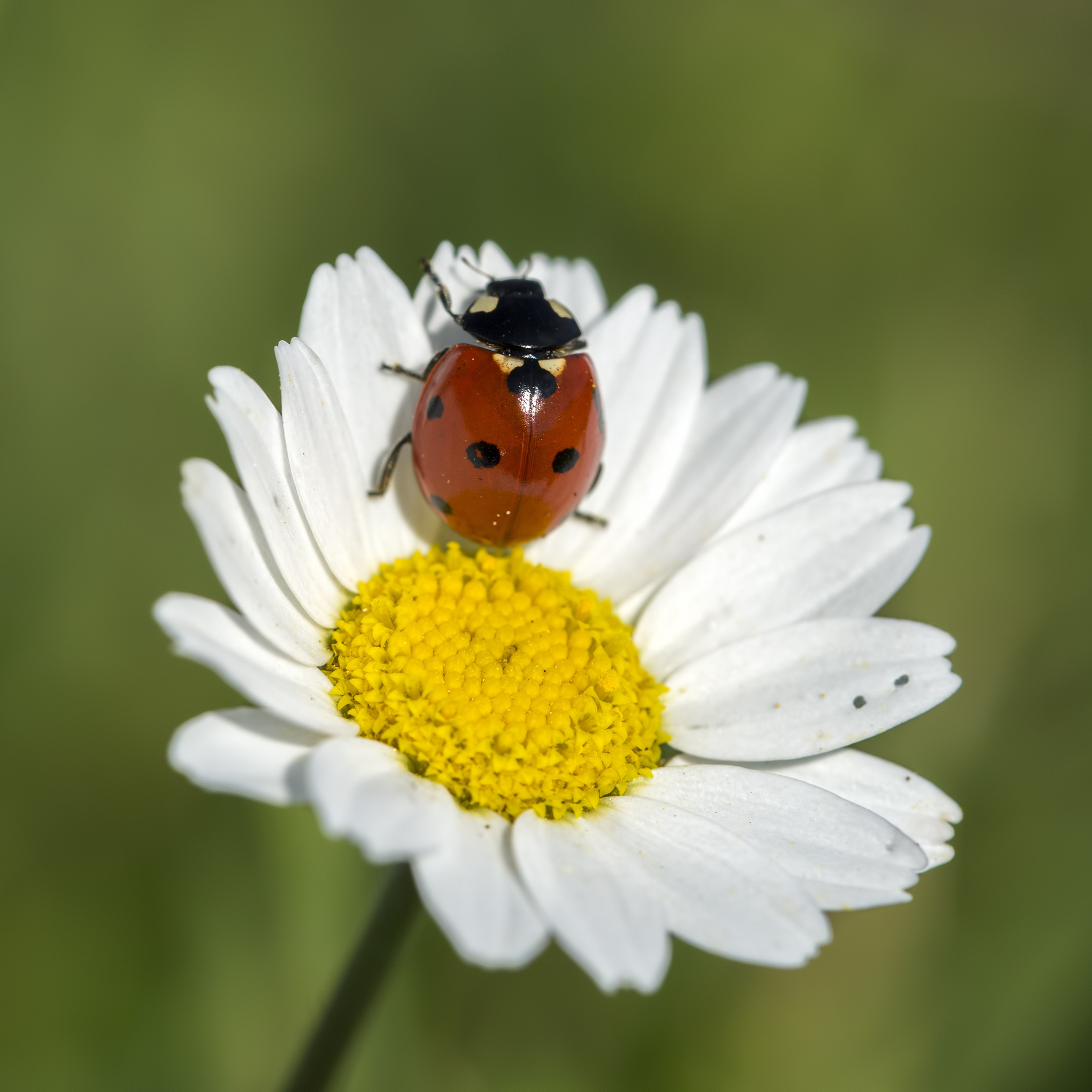
Ladybirds are probably the best-known natural pest controllers in British gardens. Many species feed on aphids and other small insects.
Their larvae are useful predators too, although they look very different from adult ladybirds. Usually dark with orange or yellow markings and elongated bodies, they are sometimes mistaken for pests themselves.
If you find ladybird larvae among a colony of aphids, that’s generally a good sign. They are exactly where you would expect a hungry predator to be.
Adult hoverflies are familiar flower visitors and important pollinators, but the larvae of many species have a very different diet. They feed on aphids and other small, soft-bodied insects.
Lacewings are another valuable garden predator. Their larvae feed on aphids and other small invertebrates and can be particularly useful wherever these gather on soft new plant growth.
This is a good example of why identifying an unfamiliar insect before removing it can be worthwhile. A strange-looking larva on an aphid-covered shoot may actually be helping with the problem.
Turn over a pot or move something lying on the soil and you may see a dark beetle rapidly disappearing into cover.
Many ground beetles and rove beetles are predators. They hunt at or near soil level and feed on other invertebrates, making them part of the natural system that helps keep populations in balance.
There are hundreds of species of ground beetle in Britain, so they vary considerably in size and appearance. Not every beetle you encounter has exactly the same diet, but many of the ground-dwelling species found in gardens are useful predators.
Spiders don’t always receive the same welcome as ladybirds, but they are effective predators.
Garden spiders catch flies, aphids and many other small invertebrates. Web-building species are the most obvious, but plenty of spiders hunt among plants or at ground level without building the large webs we readily notice.
They don’t distinguish between insects gardeners regard as pests and those we consider beneficial. Their role is simply that of predator, and they form an important part of the wider garden food web.
👉 Expert Tip: Before removing an unfamiliar beetle, larva or other small creature from a plant, try to identify it. Many of the creatures gardeners assume are pests are actually predators hunting the insects causing the damage.
Some useful garden predators are much easier to recognise.
Frogs and toads eat a wide range of small invertebrates. Their diet can include slugs, snails, flies, beetles and other creatures they encounter while foraging.
Although both are associated with ponds, adult frogs and toads spend much of their time on land. You may find them beneath vegetation, among logs, in damp corners or moving through the garden after dark.
They aren’t a guaranteed solution to a slug problem, and it would be misleading to think of them simply as natural slug control. They are generalist predators that eat whatever suitable prey is available.
That makes them valuable not because they target one particular garden pest, but because they are another part of the network of predators and prey within the garden.
Not all useful garden creatures are predators. Some of the most important spend almost their entire lives beneath our feet.
Earthworms feed on dead and decaying organic material and play an important role in soil processes. As they move through the ground, some species create channels that can contribute to soil structure and the movement of air and water.
Their feeding also helps break down and incorporate organic material.
Different species of earthworm live and feed in different parts of the soil. Some remain close to the surface and leaf litter, while others create deeper burrows.
So when you uncover earthworms while gardening, you’re seeing just part of a much larger community working within the soil.
👉 Expert Tip: Earthworms are a good reason not to think of fallen organic material simply as waste. Dead leaves and other decomposing plant matter support the organisms responsible for recycling nutrients through the garden.
Lift a damp log or look beneath a plant pot and you’ll often discover woodlice, millipedes and other small creatures.
They may not seem particularly important, but many are detritivores, which means they feed primarily on dead and decaying organic material.
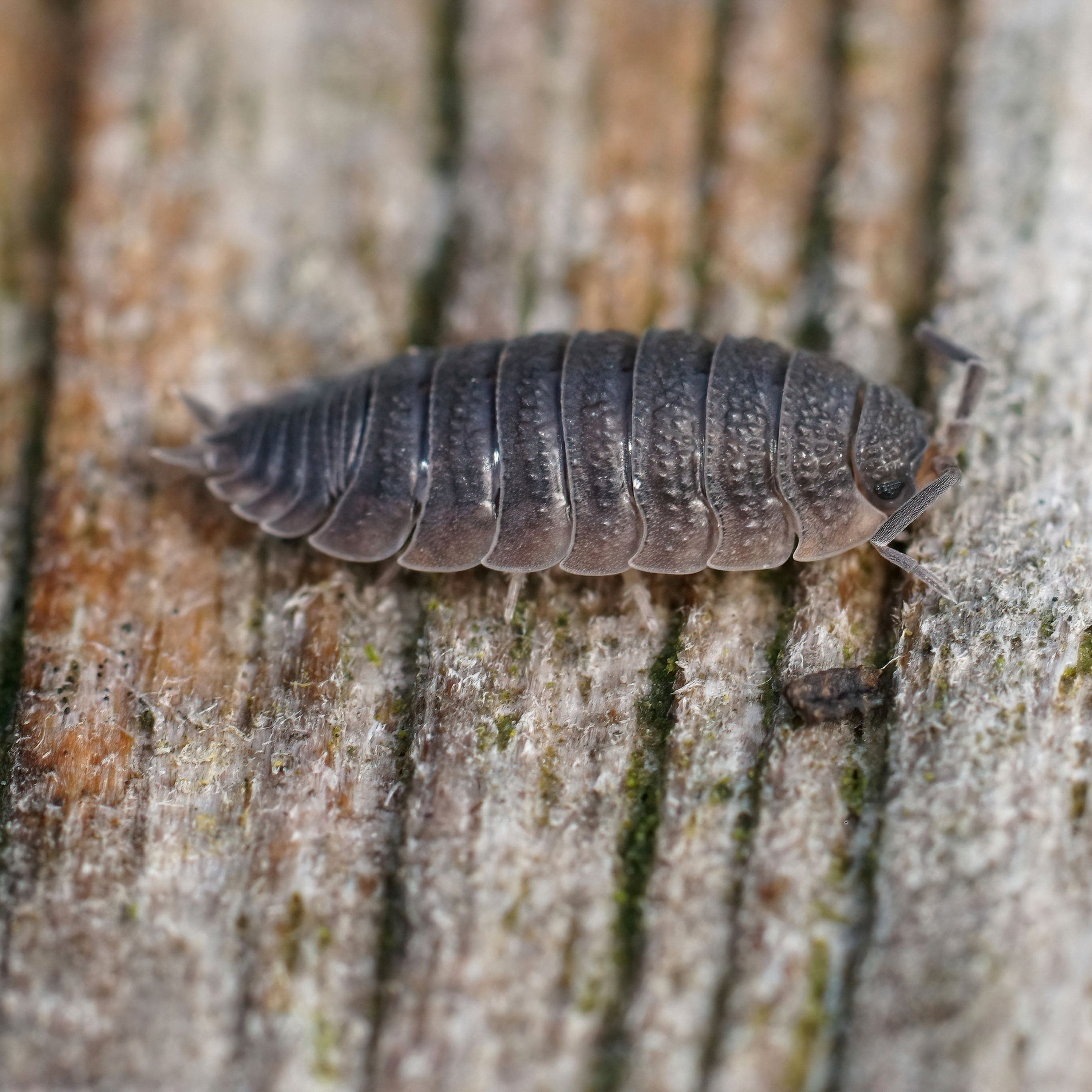
Woodlice feed mainly on decomposing plant material and contribute to nutrient recycling. Despite their appearance, they aren’t insects at all. They are terrestrial crustaceans.
They are sometimes blamed for plant damage because they’re found around unhealthy or decaying plants. In most circumstances, however, they cause little or no damage to healthy plants.
Very soft seedlings and fruit can occasionally be nibbled, but finding woodlice around damaged plants doesn’t necessarily mean they caused the original problem.
Millipedes perform a similar recycling role. They feed mainly on decaying organic matter, helping break it into smaller material as decomposition continues.
Like woodlice, they can occasionally feed on soft plant material, but their main role in the garden is as decomposers.
Springtails, some beetles and numerous other tiny invertebrates also contribute to this process. Together with fungi, bacteria and other organisms, they help turn dead plant material into material that can eventually return nutrients to the soil.
Bees, hoverflies, butterflies, moths, beetles and other insects perform another essential garden job: pollination.
As they move between flowers, they can transfer pollen and enable plants to produce seeds and fruit. This matters to ornamental plants, wild plants and many of the fruit and vegetables we grow.
Some insects perform more than one useful role. Adult hoverflies, for example, visit flowers and contribute to pollination, while the larvae of many species are predators of aphids.
Pollinators are a large subject in their own right, so we’ve covered them in more detail in our guides to Why Are Pollinators So Important? and How to Create a Pollinator Garden.
One of the easiest things to overlook is that a creature doesn’t have to perform an obvious gardening job to be useful.
Invertebrates themselves provide food for birds, amphibians, mammals and other wildlife. Caterpillars are particularly important food for many birds when they are raising young, while beetles, spiders, worms, slugs and numerous other creatures are eaten by different garden predators.
This is why looking at a garden as a food web makes more sense than dividing its inhabitants into friends and enemies.
Remove one group completely and you may also remove the food source for something else.
Gardeners naturally notice creatures when they’re damaging plants. Aphids covering a new shoot, caterpillars eating leaves or slugs attacking seedlings are difficult to ignore.
But their role in the garden isn’t always as straightforward as the damage we see.
👉 Expert Tip: A few damaged leaves don’t necessarily mean action is required. If a plant is healthy and the damage is minor, allowing some feeding can support the predators that depend upon those creatures for food.
The roles garden wildlife plays don’t always fit neatly into categories. A hoverfly can be a pollinator as an adult and a predator as a larva. An earwig can nibble a flower one night and eat aphids the next.
That’s why a little insect activity or occasional plant damage isn’t necessarily a sign that something has gone wrong. Often, it’s evidence of the relationships that allow a diverse garden ecosystem to function.
Understanding these different roles gives us a much clearer picture of how a garden ecosystem works. Even creatures we tend to regard as pests can have a place within it. Creating a wildlife-friendly garden gives these different species the food, water and shelter they need to live alongside us.
 Visit us in Kington. Our team can help you choose plants and gardening products to support a healthy, diverse garden and offer practical advice on dealing with garden pests without unnecessarily harming beneficial wildlife.