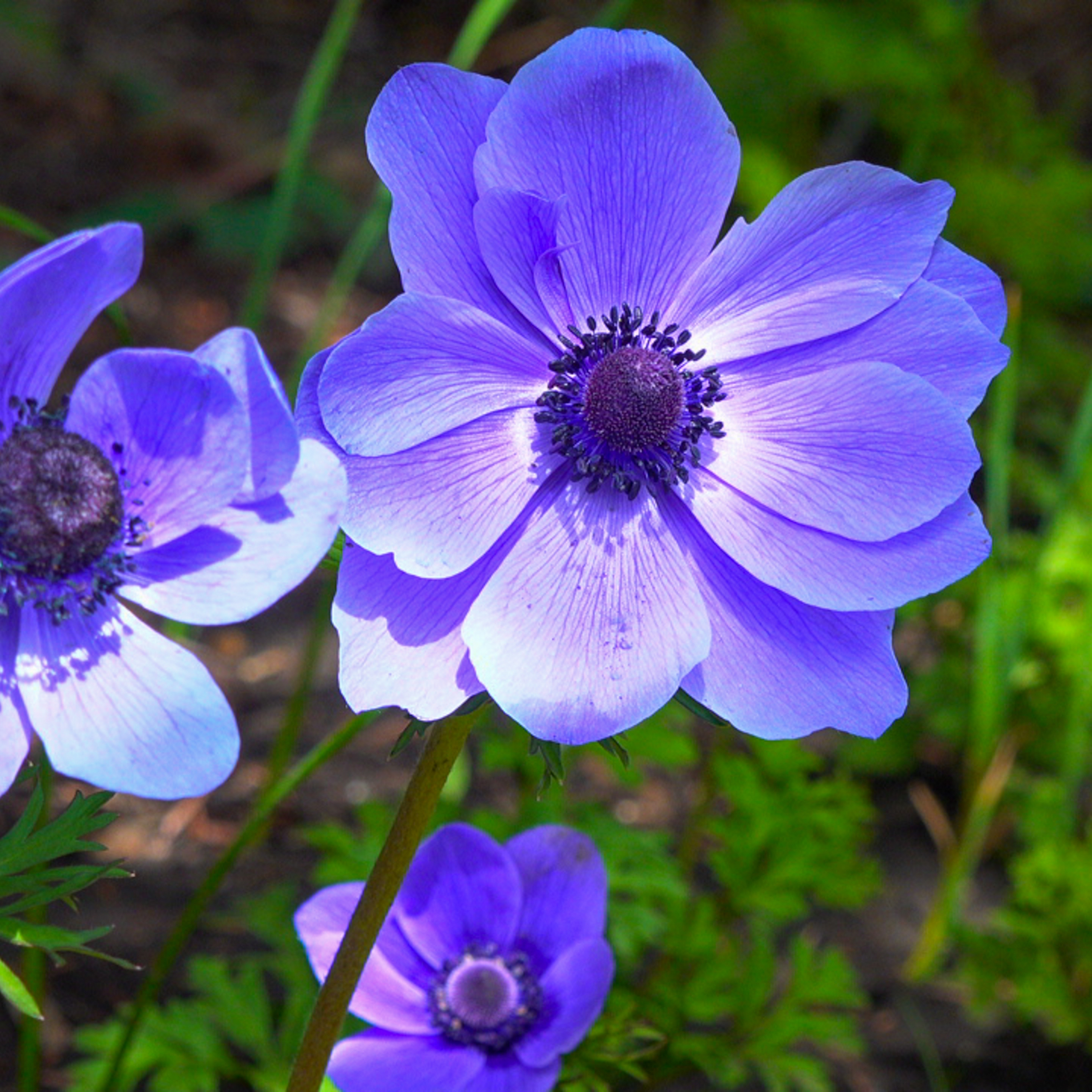
Japanese Anemones: Elegant Perennials for Late Summer and Autumn
As summer begins to fade, Japanese anemones come into their own, producing graceful, poppy-like flowers that bring fresh colour and movement to the garden. Their tall stems sway gently in the breeze, creating an airy display that brightens borders from late summer well into autumn.
Japanese anemones work beautifully in cottage gardens, woodland borders and contemporary perennial scheme, Japanese anemones provide reliable colour when many earlier-flowering plants have finished. Their long flowering period, attractive foliage and easy-going nature have made them a favourite with gardeners for generations.
At our garden centre, Japanese anemones are valued for the colour they bring to borders as the garden moves from summer into autumn.
When Do Japanese Anemones Flower?
Japanese anemones typically bloom from August through to October, providing valuable late-season interest.
Each plant produces simple or semi-double flowers held above attractive green foliage on slender stems.
Flower colours commonly include:
🌸 Soft pink
🤍 Pure white
💗 Rich rose pink
Many varieties feature bright golden-yellow centres that create a striking contrast against the delicate petals.
Once established, a healthy clump can produce flowers over many weeks, maintaining colour in the border well into autumn.
How to Grow Japanese Anemones
Choosing the Right Position
Japanese anemones thrive in:
☀ Full sun or partial shade
🌱 Fertile, moisture-retentive, well-drained soil
💨 Sheltered positions where the flowers are protected from strong winds
Although they enjoy sunshine, plants often perform particularly well where they receive morning sun and some afternoon shade during the hottest part of the day.
Planting
Plant Japanese anemones at the same depth they were growing in their nursery container.
Before planting:
Improve the soil with compost or well-rotted organic matter.
Water thoroughly after planting.
Leave enough room for the plant to develop into a generous clump over time.
Unlike some perennials, Japanese anemones appreciate consistent soil moisture while becoming established.
Caring for Japanese Anemones
Japanese anemones require relatively little maintenance once established.
Watering
Water regularly during dry weather, particularly throughout the first growing season.
Established plants cope well with normal summer conditions but appreciate additional watering during prolonged dry spells.
Feeding
Apply a balanced fertiliser or mulch with organic matter each spring to encourage healthy growth and plentiful flowers throughout the flowering season.
Supporting Taller Plants
In exposed gardens, taller varieties may benefit from discreet plant supports to prevent flower stems leaning after heavy rain or strong winds.
Encouraging More Flowers
To enjoy the best display:
🌿 Grow plants in fertile, moisture-retentive soil.
🌿 Water during extended dry periods.
🌿 Feed each spring.
🌿 Remove faded flowers regularly.
🌿 Avoid allowing young plants to become stressed through lack of water.
As plants become established and develop into larger clumps, they can produce increasingly generous displays of flowers.
After Flowering
Once flowering has finished, Japanese anemones continue to add structure to the border before entering their winter dormancy.
Deadheading
Remove spent flowers regularly throughout the flowering season to keep plants looking tidy and encourage continued blooming.
Leave the Foliage
Allow the foliage to remain in place until it naturally yellows during autumn. The leaves continue to produce energy that helps support strong growth and flowering the following year.
Autumn Care
When the foliage has completely died back:
✂ Cut stems down to ground level.
🍂 Remove old leaves and any plant debris from around the crown.
🌱 Apply a light mulch around, but not directly over, the base of the plant to improve soil condition and help conserve moisture.
Dividing Established Plants
Over time, Japanese anemones naturally develop into larger clumps.
If plants become overcrowded or you wish to create additional plants, established clumps can be divided every three to five years. Division is best carried out when plants are dormant or just beginning to produce new growth.
Common Problems
Japanese anemones are generally reliable and trouble-free.
Occasionally, plants may develop powdery mildew during hot, dry summers or leaf spot in prolonged wet conditions. Good air circulation, appropriate spacing and avoiding overhead watering can help minimise these issues.
Wildlife Benefits
The open flowers of Japanese anemones are rich in nectar and are regularly visited by bees, hoverflies and other beneficial pollinating insects during late summer and early autumn.
Their late flowering period makes them a useful addition to pollinator-friendly planting schemes.
Japanese Anemones as Cut Flowers
Japanese anemones make elegant cut flowers for informal arrangements.
Harvest stems as the flowers begin to open and place them immediately into fresh water. Their delicate blooms bring a natural, relaxed beauty indoors and combine well with many other late-season flowers.
A Beautiful Addition to the Autumn Garden
With their graceful flowers, long flowering period and straightforward care requirements, Japanese anemones are an excellent choice for borders, wildlife gardens and mixed perennial planting schemes.
Visit our garden centre to browse our seasonal range of plants for late summer and autumn. If you would like help choosing plants for a particular position or planting scheme, our team will be happy to advise.
We use cookies to ensure that we give you the best experience on our website. If you continue to use this site we will assume that you are happy with it.