Pruning Fruit Trees: Expert Tips for Healthier Trees and Bigger Harvests
Pruning helps keep fruit trees healthy, productive and manageable, encouraging strong growth while improving airflow through the branches. Correct pruning can also reduce the risk of disease and encourage the development of fruit-bearing wood. If you’re already growing fruit trees, learning when and where to make each cut is an important part of their ongoing care.
It can be daunting to remove healthy-looking branches, particularly from an established tree, but understanding a few basic fruit tree pruning techniques makes the process much easier. Here, we explain the best time to prune fruit trees, how pruning differs between varieties and the techniques that encourage healthy growth and reliable crops.
π Why Pruning Fruit Trees Matters
Pruning does far more than tidy up a tree. Proper pruning helps to:
- Improve airflow and sunlight penetration
- Encourage stronger fruit production
- Remove dead, diseased, or damaged wood
- Maintain a manageable shape and size
- Prevent branches from overcrowding
- Reduce the risk of fungal diseases
A well-pruned fruit tree puts more energy into producing quality fruit instead of excessive leafy growth.
π Expert Tip: Always use sharp, clean pruning tools. Dirty blades can spread disease between trees.
π³ How to Prune Fruit Trees Correctly
If you are learning how to prune fruit trees, start with these essential steps:
Step-by-Step Fruit Tree Pruning Techniques
- Stand back and assess the tree
Look at the overall shape before making cuts. Aim for an open goblet or vase shape that allows sunlight and airflow into the centre. - Remove problem branches first
Cut away:- Dead or damaged wood
- Crossing branches
- Inward-growing shoots
- Weak or overcrowded stems
- Shorten last yearβs growth
Trim back vigorous new growth by around one-third to encourage healthy branching. - Cut above outward-facing buds
This directs future growth away from the centre of the tree. - Make clean angled cuts
Avoid tearing bark or leaving long stubs behind.
Common Pruning Mistakes to Avoid
- Over-pruning in one season
- Pruning stone fruits during wet winter weather
- Leaving branches overcrowded
- Using blunt secateurs or loppers
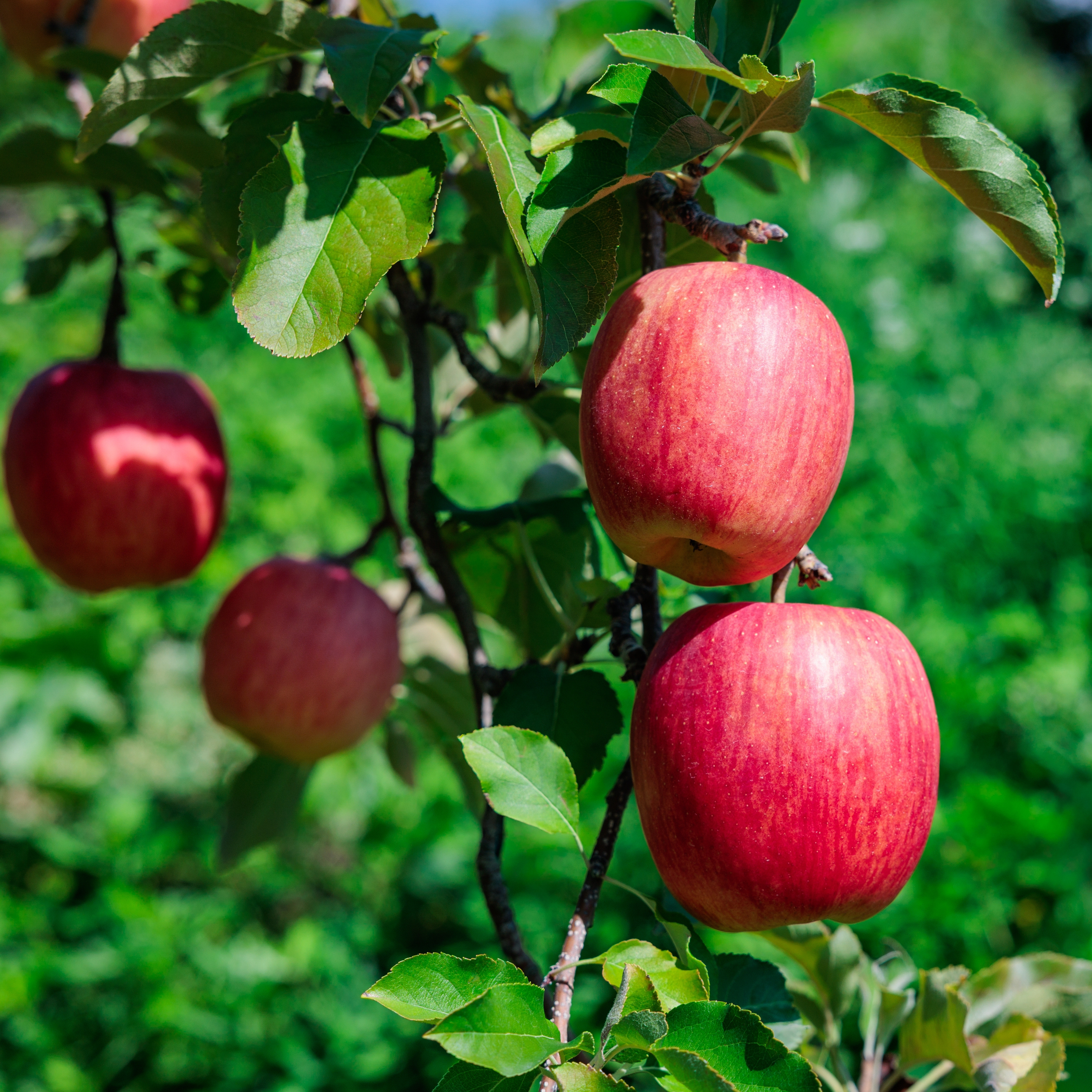
π Apples and Pears
Best Time to Prune Fruit Trees Like Apples and Pears
Apple and pear trees should be pruned during their dormant period, usually between November and March.
Winter pruning encourages vigorous growth in spring and helps shape the tree while branches are easier to see.
Key Pruning Tips
- Maintain an open-centred shape
- Remove crossing and crowded branches
- Shorten last yearβs growth by one-third
- Remove water shoots growing vertically
π Pro Tip: Older apple trees benefit from gradual restoration pruning over two to three years rather than severe pruning all at once.
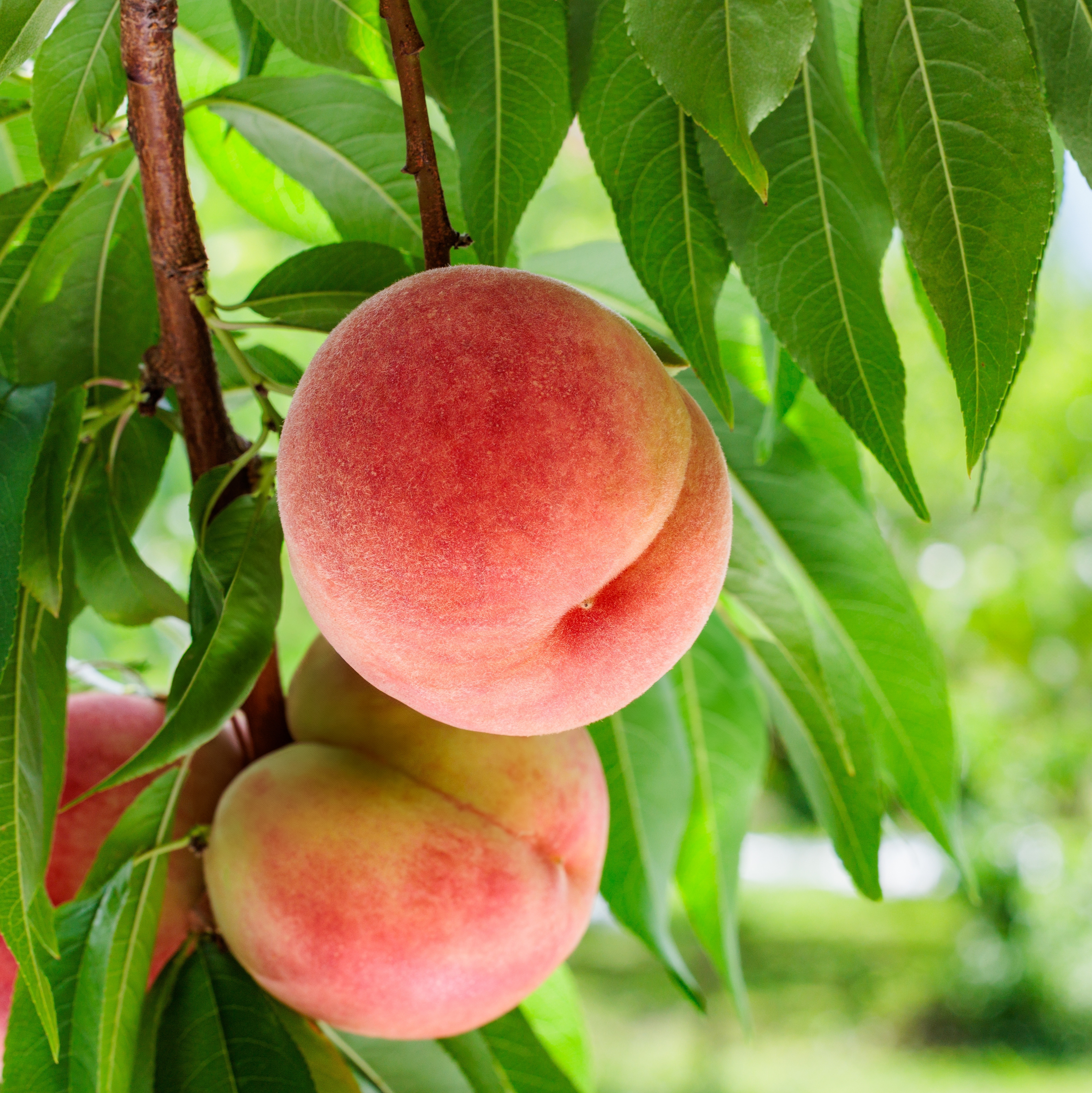
π Apricots and Peaches
Stone fruit trees such as apricots and peaches require a slightly different approach.
When to Prune Stone Fruits
The best time to prune fruit trees like apricots and peaches is in early spring, just before active growth begins.
Avoid pruning during autumn or winter because this increases the risk of:
- Silver leaf disease
- Bacterial canker
- Fungal infections
Summer Pruning for Established Trees
Established peach and apricot trees can also be lightly pruned during summer to:
- Control excessive growth
- Improve airflow
- Encourage ripening fruit
π Expert Tip: Always remove diseased branches immediately and dispose of them away from the garden compost heap.
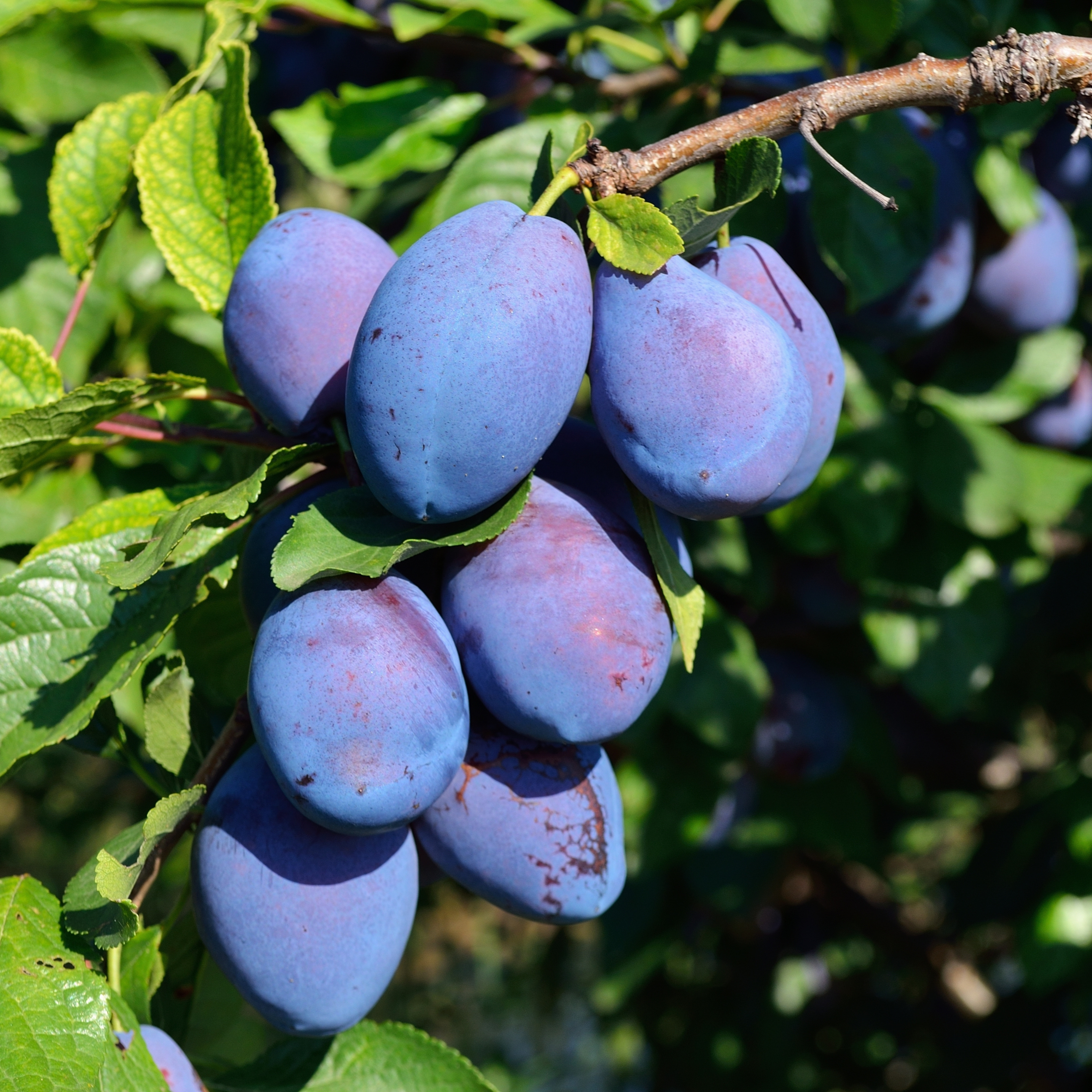
π Damsons and Plums
Damsons and plums are generally lower maintenance but still benefit from regular care.
How to Prune Plum Trees
Prune in:
- Early spring
- Mid-summer during dry weather
Avoid winter pruning to minimise disease risk.
Focus on Early Training
Young plum trees benefit from early shaping to create strong branch structure. Mature trees mainly need:
- Dead wood removal
- Thinning overcrowded growth
- Occasional height control
Light annual pruning keeps plum trees productive without stressing them.
π Citrus Trees
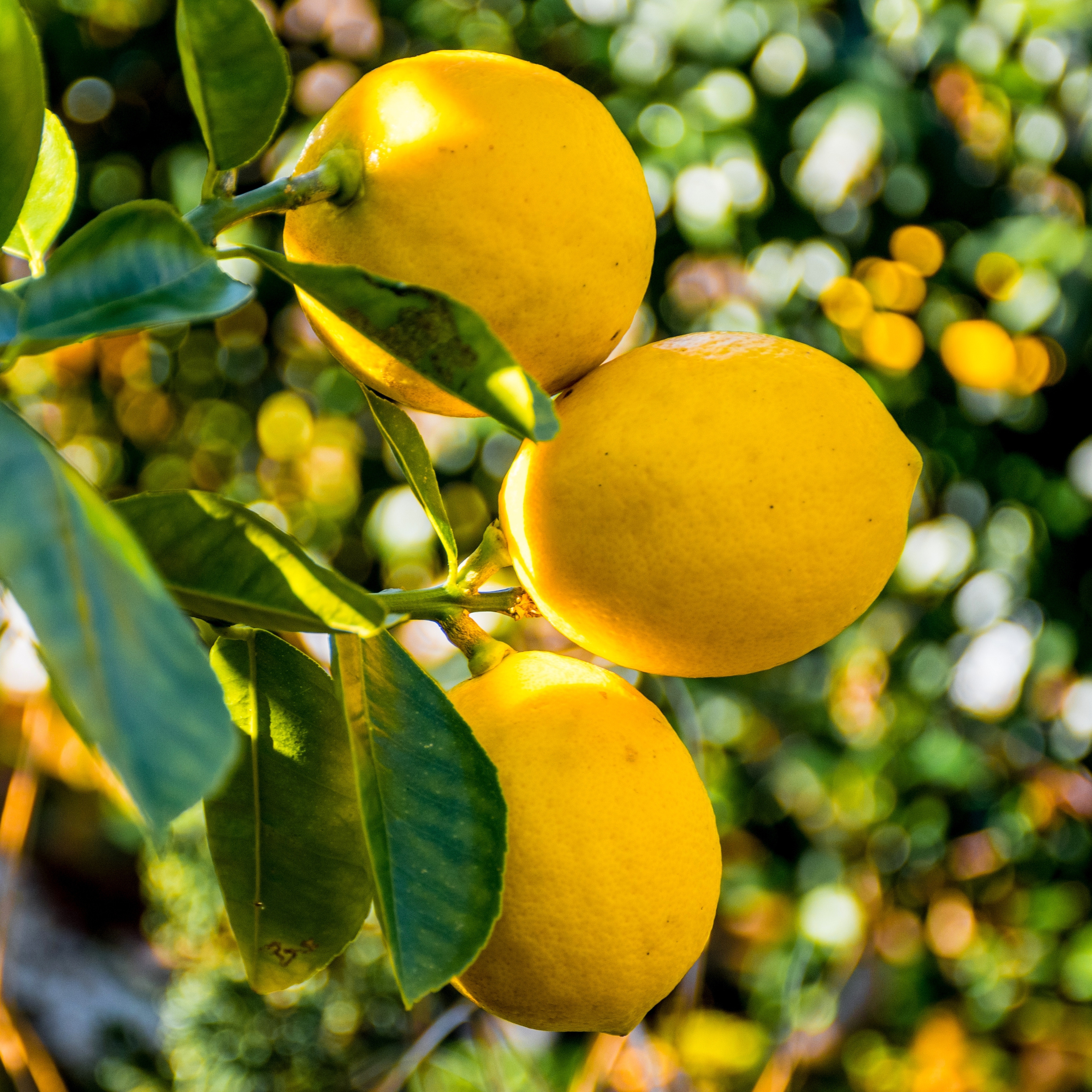
Citrus trees are relatively easy to maintain and require minimal pruning.
Citrus Pruning Tips
February is an excellent time to tidy citrus trees by:
- Removing weak or leggy growth
- Thinning congested branches
- Trimming fast-growing shoots
- Removing growth below the graft
If a citrus tree becomes overgrown, it can tolerate harder pruning to restore shape.
π Pro Tip: Avoid excessive feeding immediately after heavy pruning, as this can encourage weak growth.
π Cherry Trees
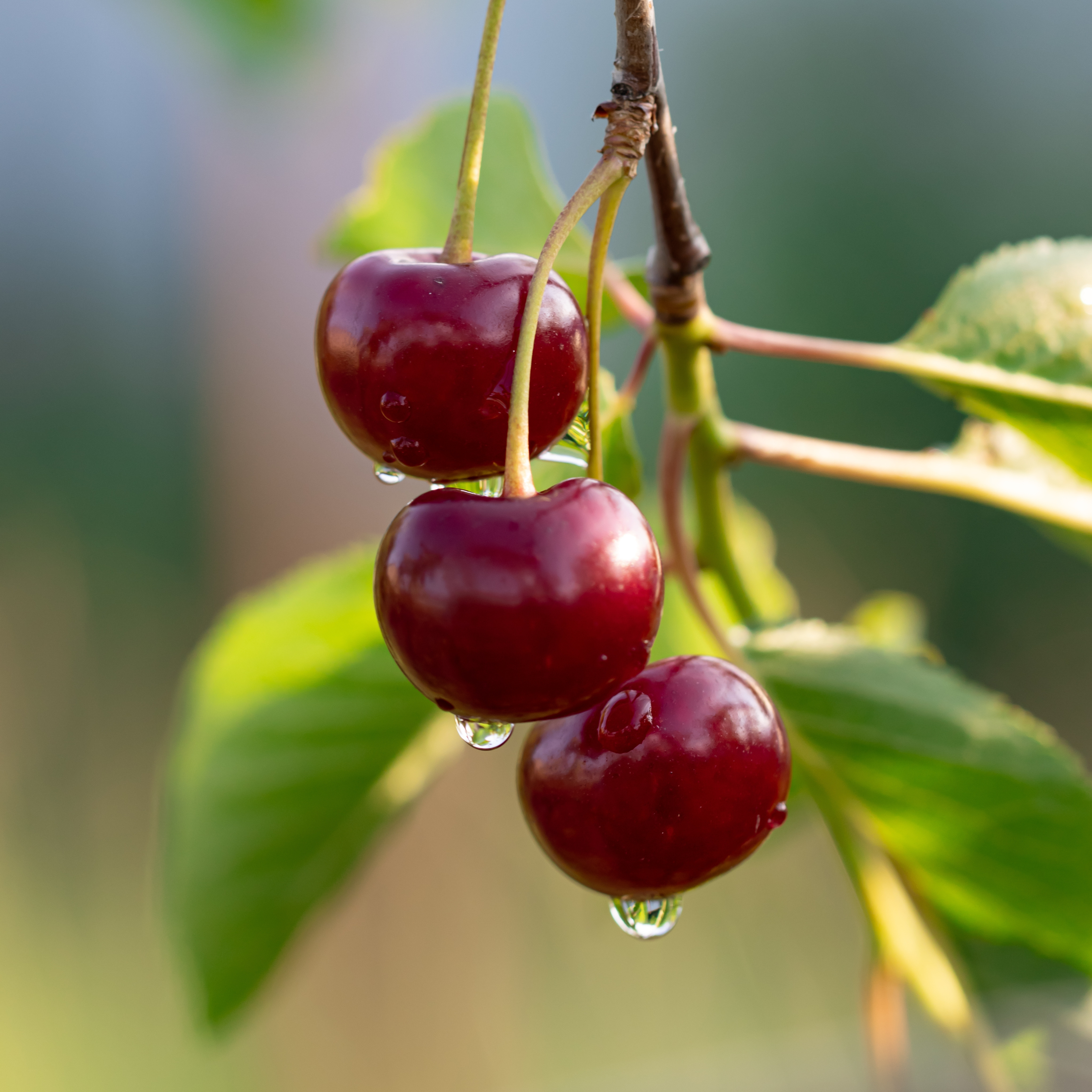
Cherry trees are vigorous growers and need careful pruning to balance old and new wood.
Best Time to Prune Cherry Trees
Prune cherries in:
- Late July
- August
- Light shaping during spring if needed
Summer pruning reduces disease risk and helps manage growth.
Why Cherry Pruning Matters
Good pruning encourages:
- Productive fruiting wood
- Better air circulation
- Strong replacement growth
- Easier harvesting
Avoid removing too much growth at once, especially on mature trees.
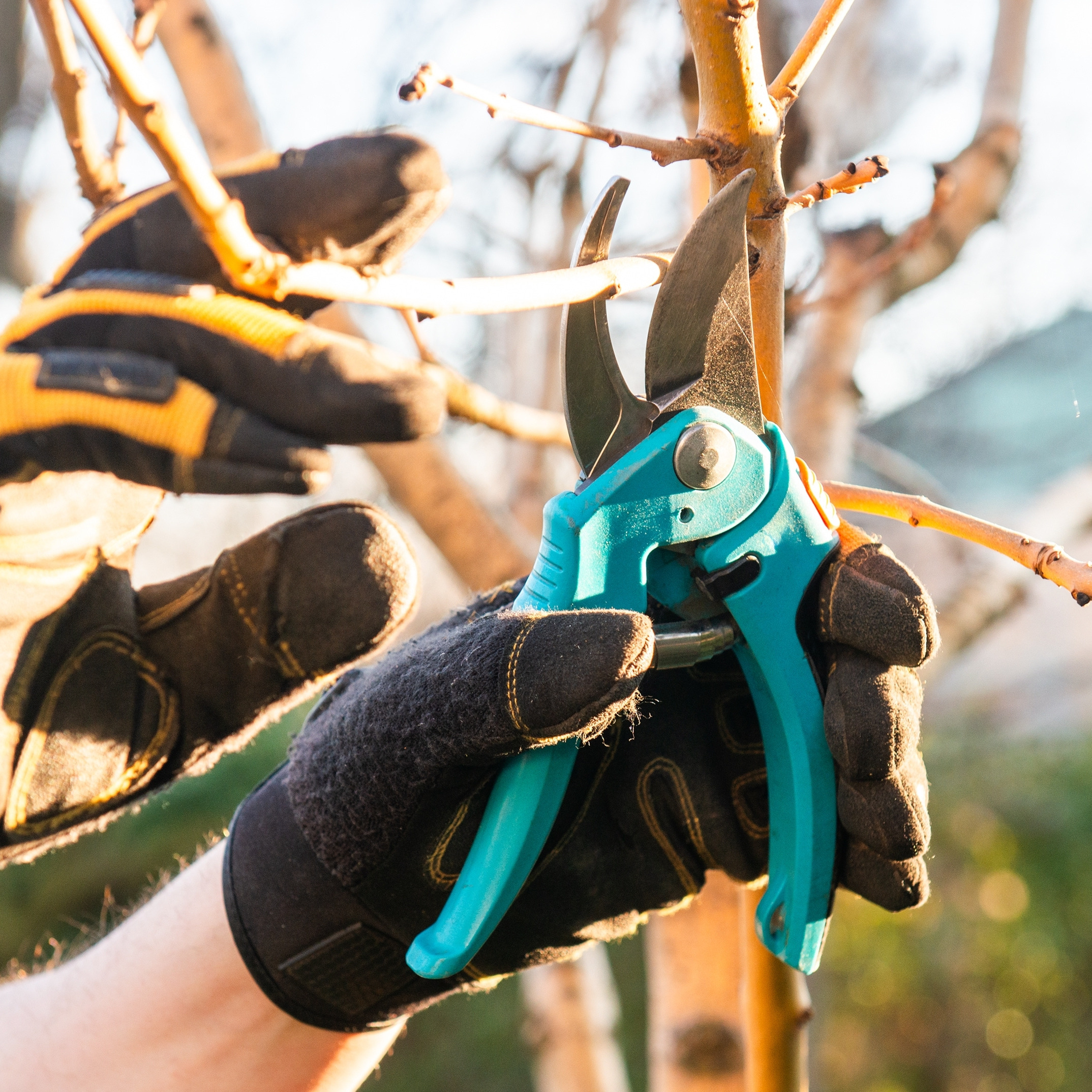
βοΈ Essential Tools for Pruning Fruit Trees
Having the right tools makes pruning safer, cleaner, and far more effective.
Recommended tools include:
- Secateurs
- Pruning shears
- Loppers
- Pruning saws
- Gardening gloves
- Disinfectant spray for blades
High-quality tools produce cleaner cuts that heal faster and reduce stress on your trees.
πΌ Visit Our Garden Centre in Kington
Good pruning supports healthy growth, productive branches and reliable harvests, but timing and technique are important when making cuts to established fruit trees.
At our Garden Centre in Kington, we stock a range of quality pruning tools and gardening essentials, with practical advice available on choosing, planting and caring for fruit trees.
Β Visit usΒ inΒ Kington for pruning tools, fruit tree care advice and help keeping your trees healthy and productive for years to come.