A Guide to Repotting Indoor Plants and Choosing the Right Compost
Indoor plants bring colour, texture and greenery into the home, but as they grow, their roots may eventually need more space and the growing medium can become depleted. Knowing when and how to repot helps keep houseplants healthy and growing well.
Repotting gives roots fresh growing medium and, when necessary, additional room to develop. Choosing a suitable indoor plant compost is equally important, as different houseplants have different requirements for drainage, moisture retention and nutrients.
Here, we explain how to repot indoor plants, how to choose the best compost for houseplants and how to recognise when a plant is ready to move into a new pot.
🌿 Why Repotting Indoor Plants Is Important
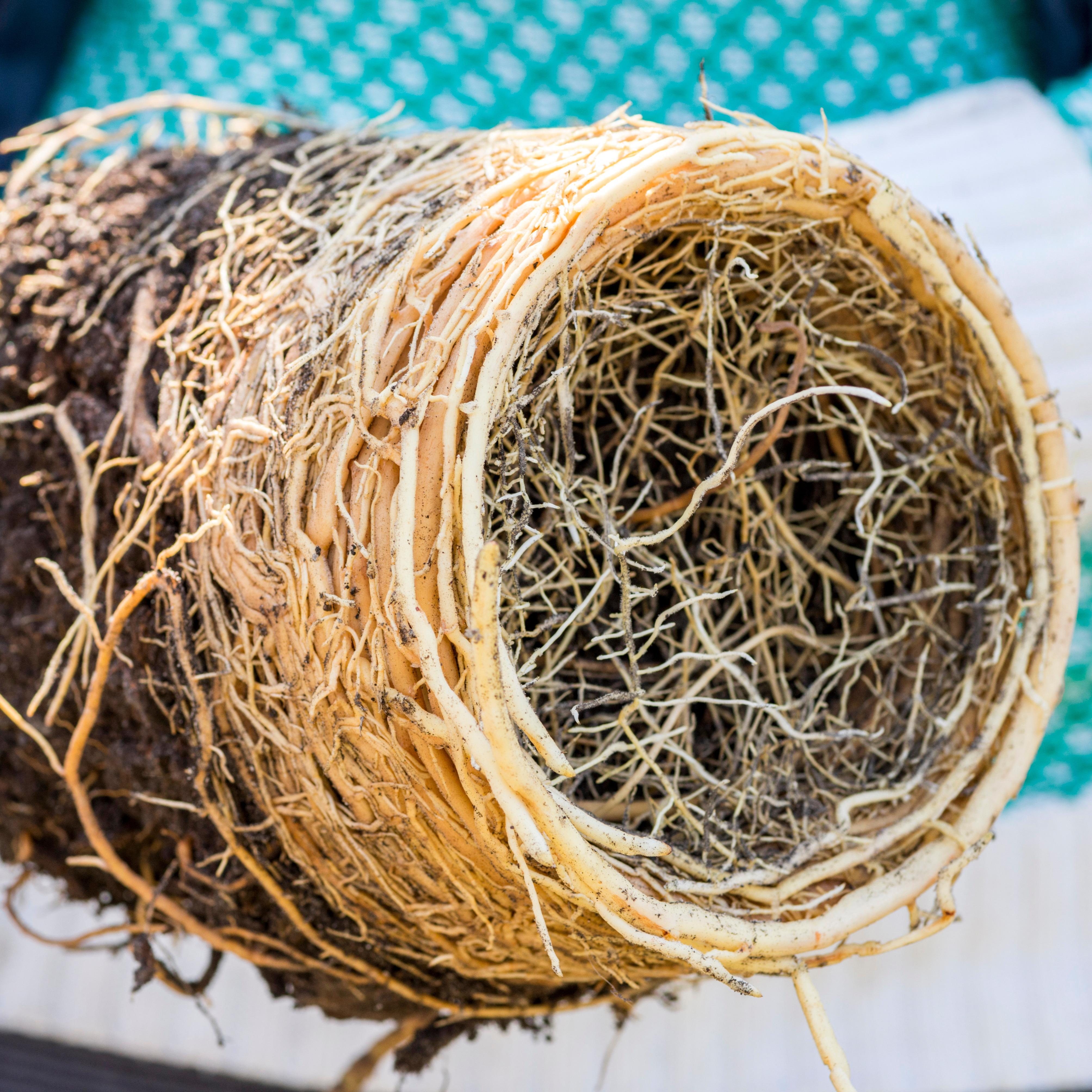
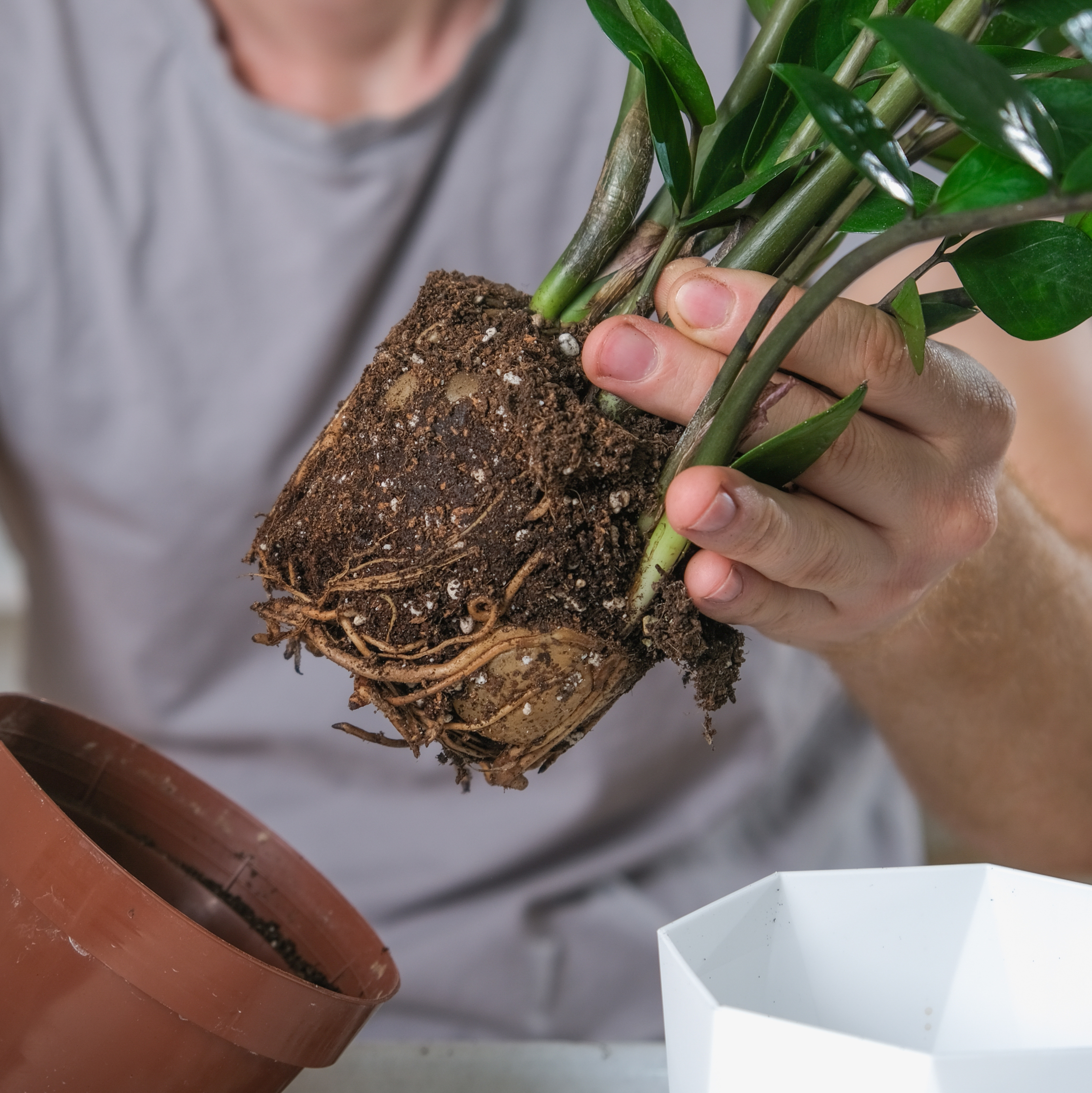
As houseplants grow, their roots gradually fill the available space inside the pot. Over time, roots become tightly packed, creating what gardeners call a root bound plant.
When roots run out of space, several problems can occur:
- Water drains too quickly
- Nutrients become depleted
- Soil structure breaks down
- Growth slows dramatically
- Leaves begin to yellow or wilt
Repotting indoor plants gives roots room to spread while refreshing the compost with essential nutrients and improved airflow.
👉 Expert Tip: Spring is usually the best time for repotting because houseplants enter their active growing season and recover faster.
🪴 Signs Your Houseplant Needs Repotting
Not every plant needs repotting each year. Watching for early warning signs helps you repot at exactly the right time.
Common Signs Include:
- Roots growing through drainage holes
- Water sitting on the soil surface
- Compost drying out very quickly
- Slower than normal growth
- Yellowing or drooping leaves
- Pot becoming unstable or top-heavy
- Dense roots circling the root ball
You may notice your plant needs watering more frequently. Crowded roots leave little room for the compost to retain moisture.
If your plant shows several of these signs, it is likely time for a larger pot and fresh compost to support healthy root growth and revitalise the plant.
🌱 Choosing the Best Compost for Houseplants
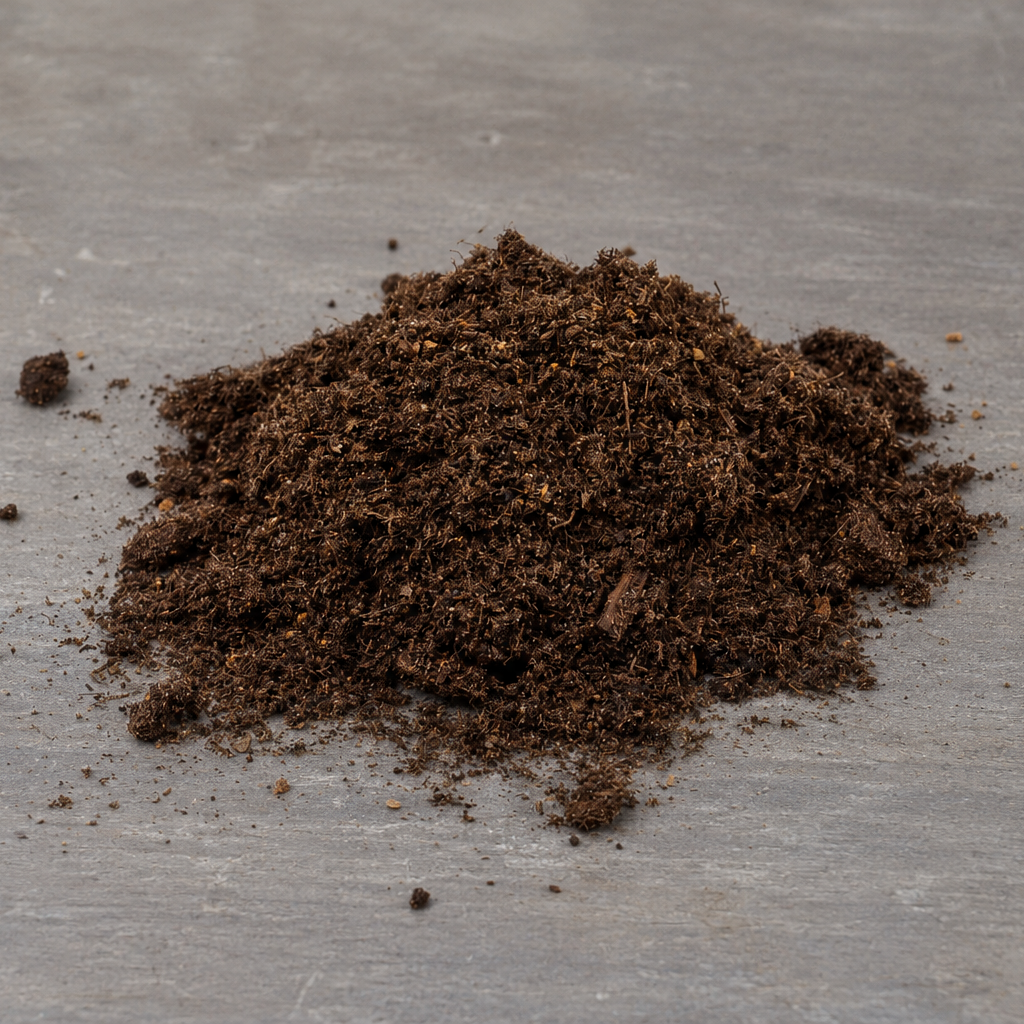
Different indoor plants require different compost blends. Selecting the right indoor plant soil mix is essential for healthy root development and moisture control.
General Indoor Plant Compost
A high-quality houseplant compost is suitable for many popular indoor plants, including:
- Peace lilies
- Monsteras
- Philodendrons
- Spider plants
- Pothos
Good indoor plant compost should provide:
- Excellent drainage
- Moisture retention
- Nutrient support
- Root aeration
🌱 Adding Perlite for Improved Soil Structure
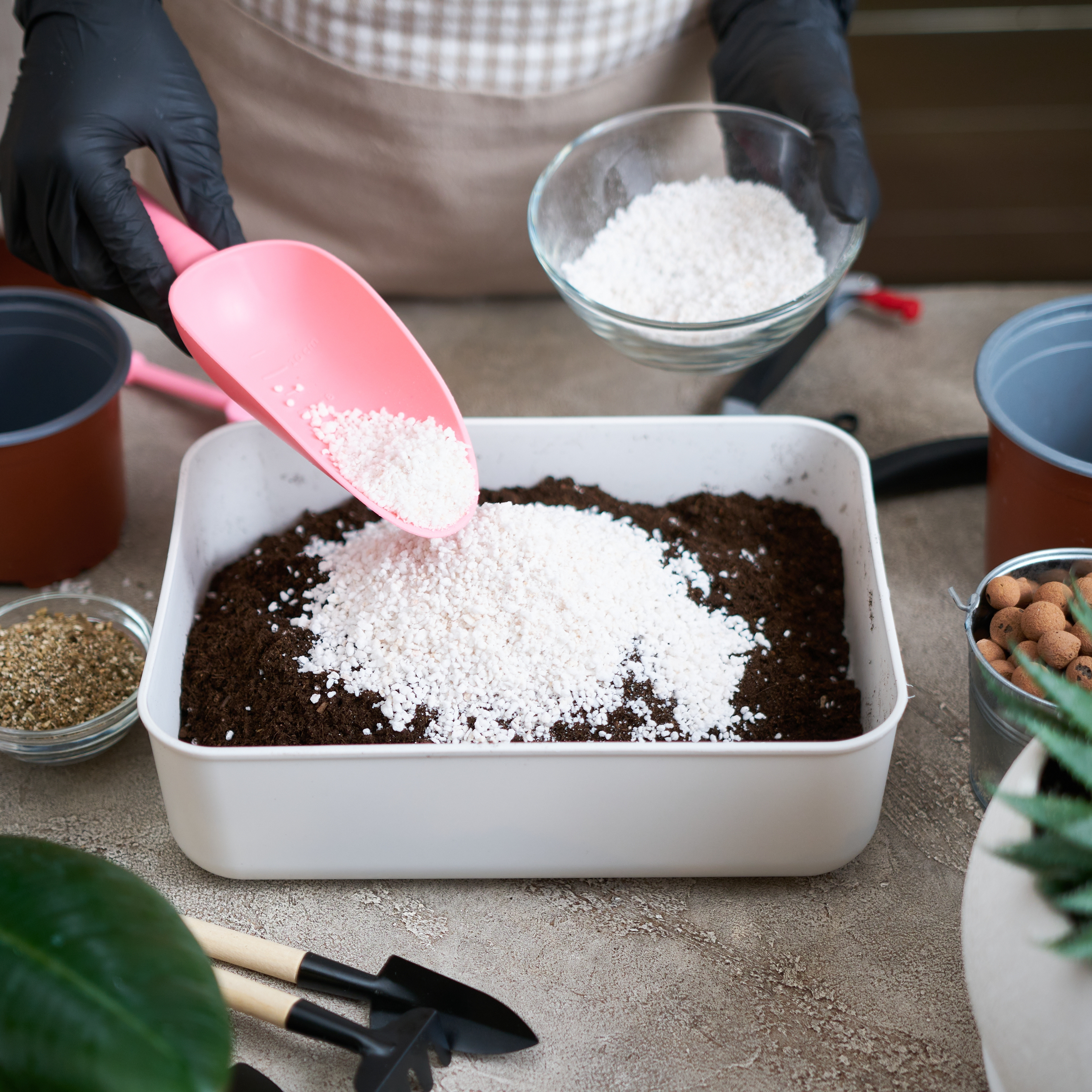
Perlite is a valuable addition to houseplant compost because it improves airflow around roots and helps prevent compacted soil.
This lightweight material also helps reduce the risk of overwatering.
Perlite works particularly well for:
- Tropical houseplants
- Cuttings and propagation
- Plants prone to root rot
- Faster-growing indoor plants
Mixing perlite into standard compost creates a lighter soil structure that many indoor plants benefit from.
👉 Pro Tip: A mix of 70% compost and 30% perlite works well for many common houseplants.
🪨 Using Horticultural Grit for Better Drainage
Certain plants require even sharper drainage than standard compost provides.
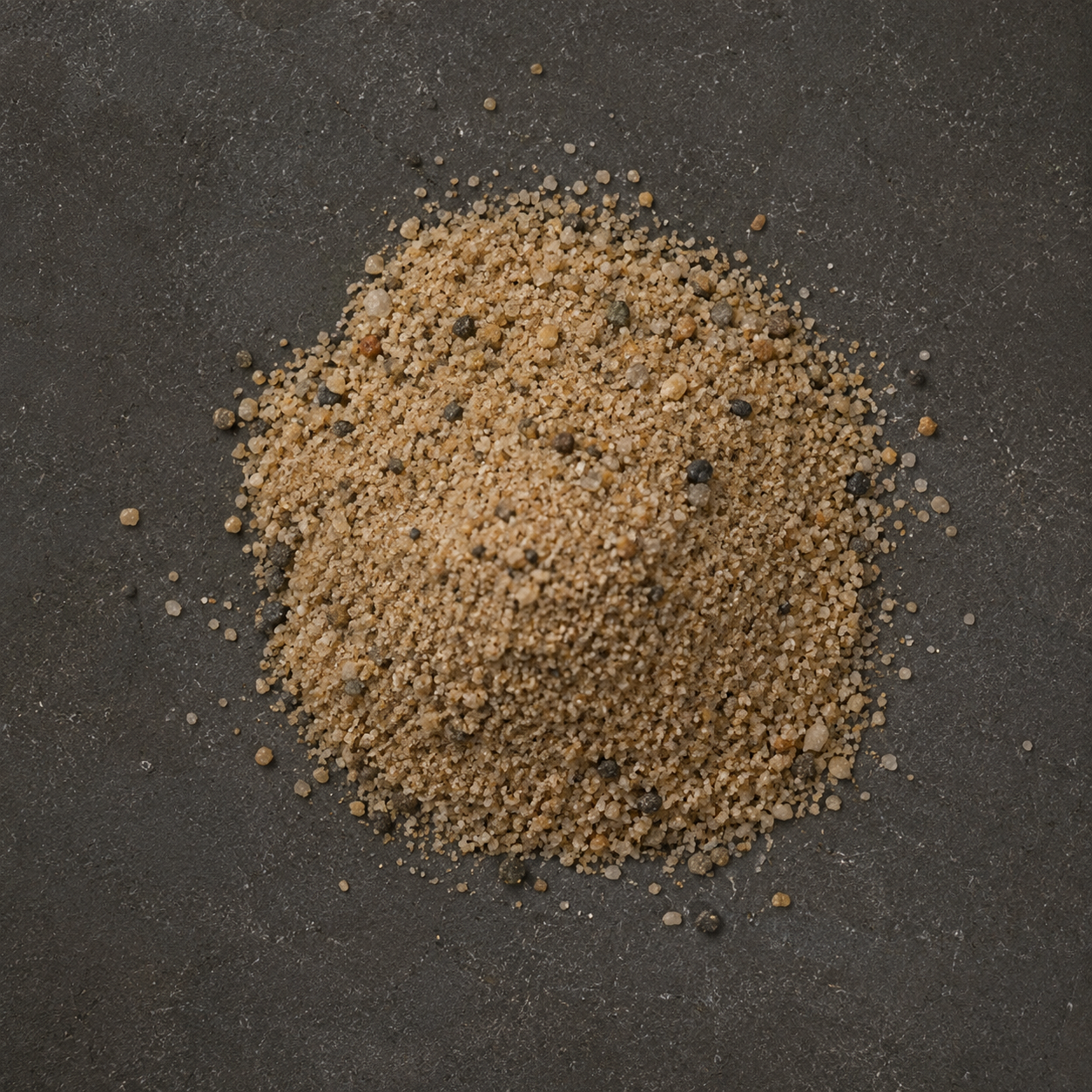
Cacti, succulents and Mediterranean plants benefit greatly from adding horticultural grit to their soil mix.
Horticultural grit helps:
- Prevent waterlogging
- Improve drainage speed
- Reduce fungal problems
This gritty texture mimics the dry environments these plants naturally grow in.
🪴 How to Repot Plants Indoors Step by Step
Repotting indoor plants does not need to feel intimidating. Follow these simple steps for healthier plants and less stress.
1. Select the Right Pot
Choose a pot only slightly larger than the current container. Oversized pots can hold excess moisture and increase the risk of root rot because the compost stays wet for longer periods.
As a general guide, select a pot that is around 1 to 2 inches wider than the existing one to give roots enough space to continue growing comfortably.
Always ensure your pot has drainage holes to allow excess water to escape properly and prevent waterlogged compost.
2. Water the Plant First
Water your plant lightly the day before repotting. Moist roots are more flexible and easier to handle safely during the repotting process.
Slightly damp compost also helps reduce stress on the plant and makes it easier to remove the root ball from the pot without damaging delicate roots. Avoid heavily soaking the compost, as overly wet soil can become messy and compacted.
3. Remove the Plant Carefully
Gently slide the plant from its pot while supporting the base of the stems. Avoid pulling on leaves or delicate growth, as this can damage the plant.
If the plant feels stuck, gently squeeze the sides of plastic pots or run a hand trowel around the inside edge to loosen the root ball.
Loosen any tightly wrapped roots with your fingers before repotting. This encourages them to spread into the fresh compost and establish more quickly in their new pot.
4. Add Fresh Compost
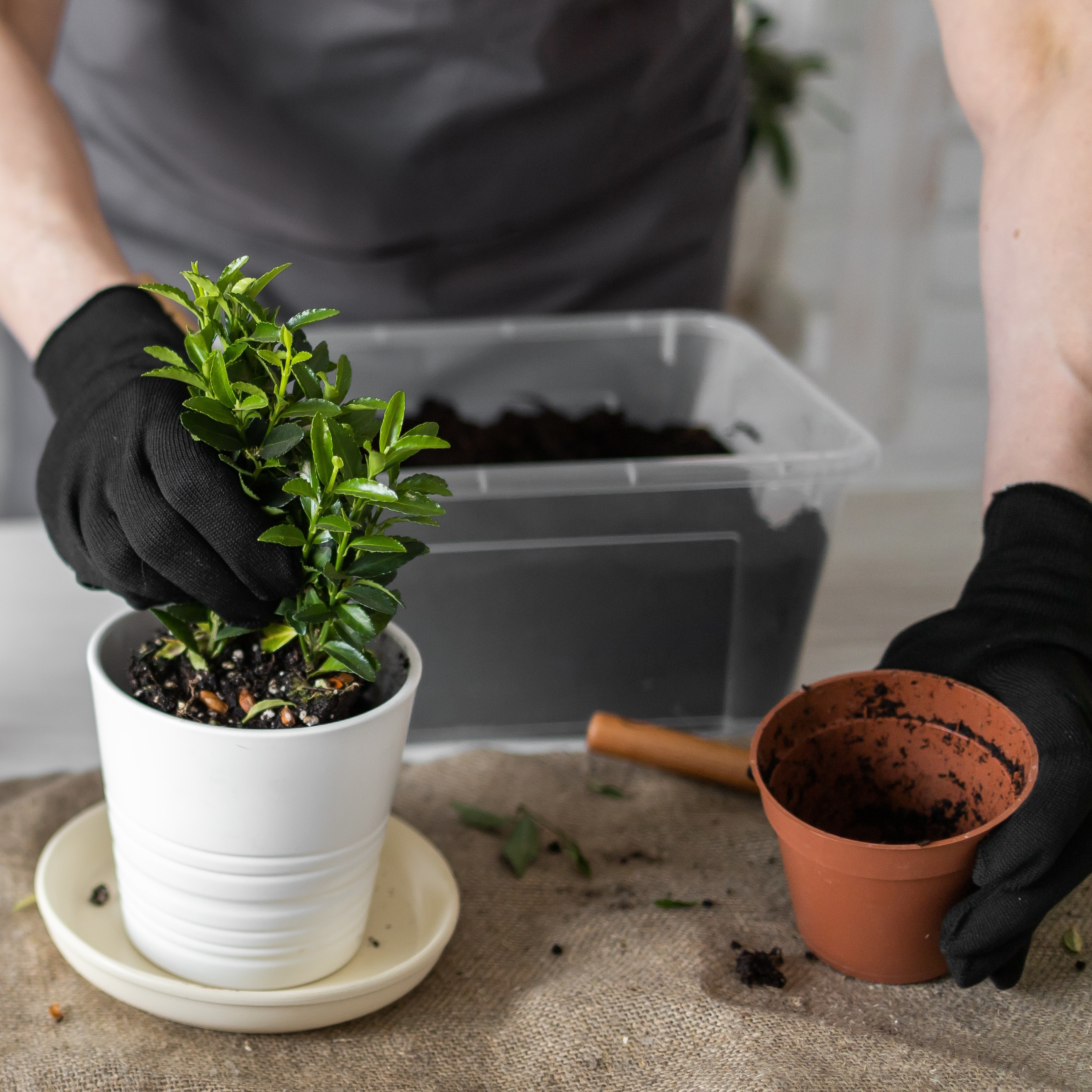
Place fresh indoor plant compost into the base of the new container before positioning the plant.
Keep the plant sitting at the same depth as before.
5. Fill Around the Roots
Add compost around the sides and lightly firm it down to remove large air pockets without compacting the soil.
6. Water Thoroughly
Give the plant a gentle watering after repotting to help settle the new compost around the roots.
👉 Expert Tip: Keep freshly repotted plants out of direct sunlight for several days while they adjust to their new environment.
🌼 Feeding Indoor Plants After Repotting
Fresh compost usually contains nutrients that last for around six weeks. After this period, regular feeding helps maintain strong, healthy growth.
Houseplant Feeding Tips
- Feed during spring and summer
- Reduce feeding during autumn
- Pause feeding during winter dormancy
- Use specialist feeds where appropriate
Leafy plants often benefit from nitrogen-rich feeds, while flowering plants prefer fertilisers higher in potassium.
🌡️ Common Indoor Plant Problems After Repotting
It is normal for plants to experience slight stress after repotting, but ongoing problems may indicate an issue.
Watch Out For:
- Constant wilting
- Mushy stems
- Yellow leaves
- Fungus gnats
- White mould on compost
These problems are often caused by overwatering, poor drainage or unsuitable compost.
Adding decorative grit to the soil surface can help reduce excess moisture and discourage fungus gnats.
👉 Pro Tip: Avoid watering on a strict schedule. Always check soil moisture first by inserting a finger into the compost.
🌿 Visit Our Garden Centre in Kington
Our team can help with repotting established houseplants, choosing suitable compost and finding plants that will thrive in your home.
We stock houseplant compost, specialist cactus and succulent mixes, perlite, horticultural grit, indoor plant feeds, decorative pots and a wide selection of healthy houseplants. We can also offer practical advice on improving drainage, choosing the right growing medium and caring for your plants throughout the year.
Visit us in Kington today to explore our extensive range of houseplants, composts and indoor gardening essentials.