Growing Cacti and Succulents: A Guide to Care and Success
Cacti and succulents bring distinctive shapes, colours and textures to homes, patios, rock gardens and container displays. Their ability to store water also makes them relatively low-maintenance plants once their basic growing requirements are understood.
With plenty of light, suitable compost and careful watering, cacti and succulents can thrive for many years. There is also an enormous variety to choose from, ranging from compact indoor plants to striking specimens that make an impressive feature in a container.
In this guide, we look at how to grow and care for cacti and succulents, including choosing the right location, watering, feeding and propagation, along with suitable varieties to consider for your home or garden.
π What's the Difference Between Cacti and Succulents?
Many gardeners use the terms cacti and succulents interchangeably, but there is a difference.
All cacti are succulents, but not all succulents are cacti.
Both groups offer outstanding drought tolerance and striking architectural beauty, making them ideal for modern gardens and indoor displays.
Cacti
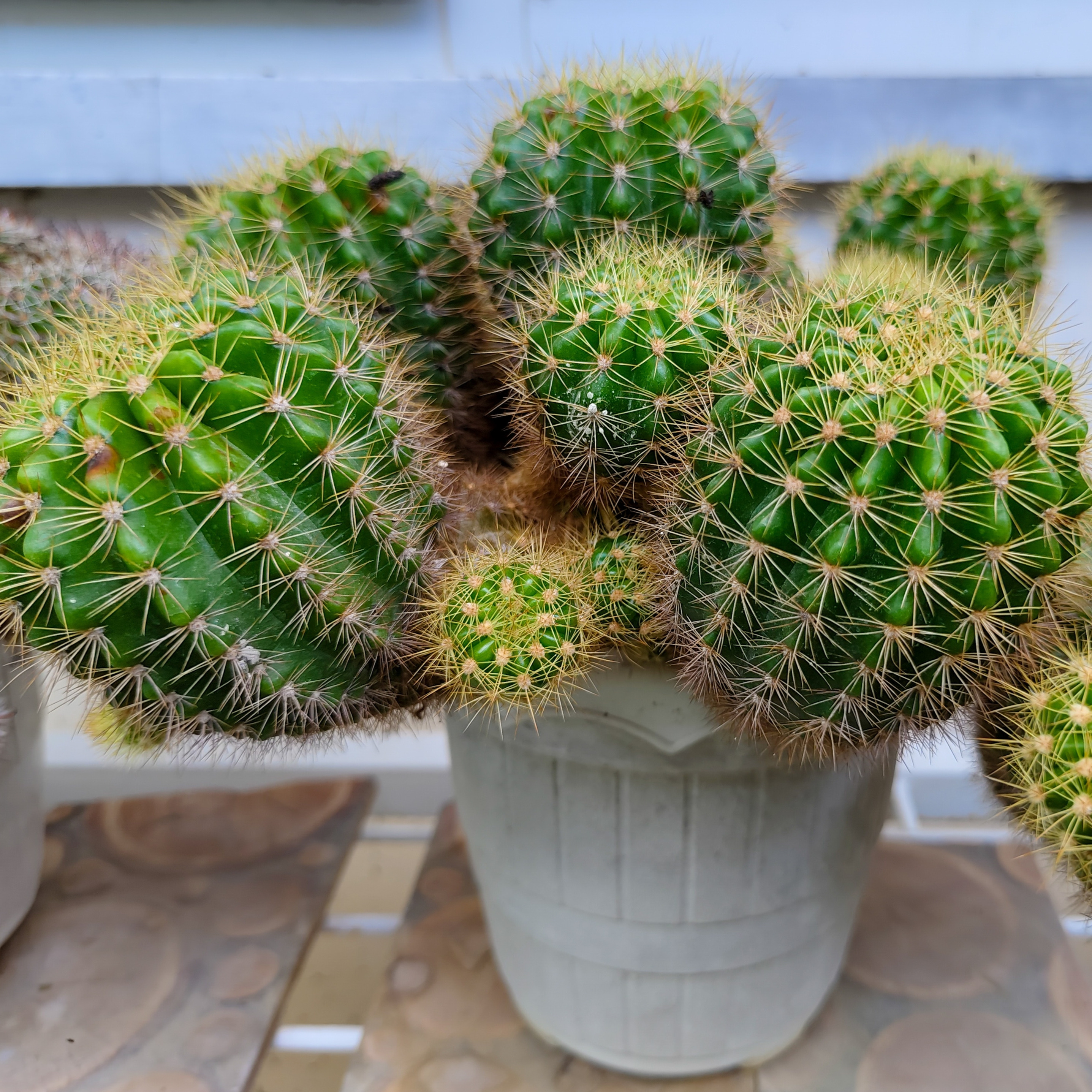
Cacti belong to the Cactaceae family and are typically recognised by their spines rather than leaves. They are highly adapted to dry environments and are often associated with desert landscapes. Their thick, fleshy stems act as natural water reservoirs, allowing them to survive long periods with little rainfall. Many species have developed a waxy outer coating that helps reduce moisture loss, making them exceptionally resilient in hot, sunny conditions. Cacti are available in a wide variety of shapes and sizes, from compact varieties suitable for windowsills to larger specimens that make striking feature plants in conservatories and outdoor displays.
Succulents
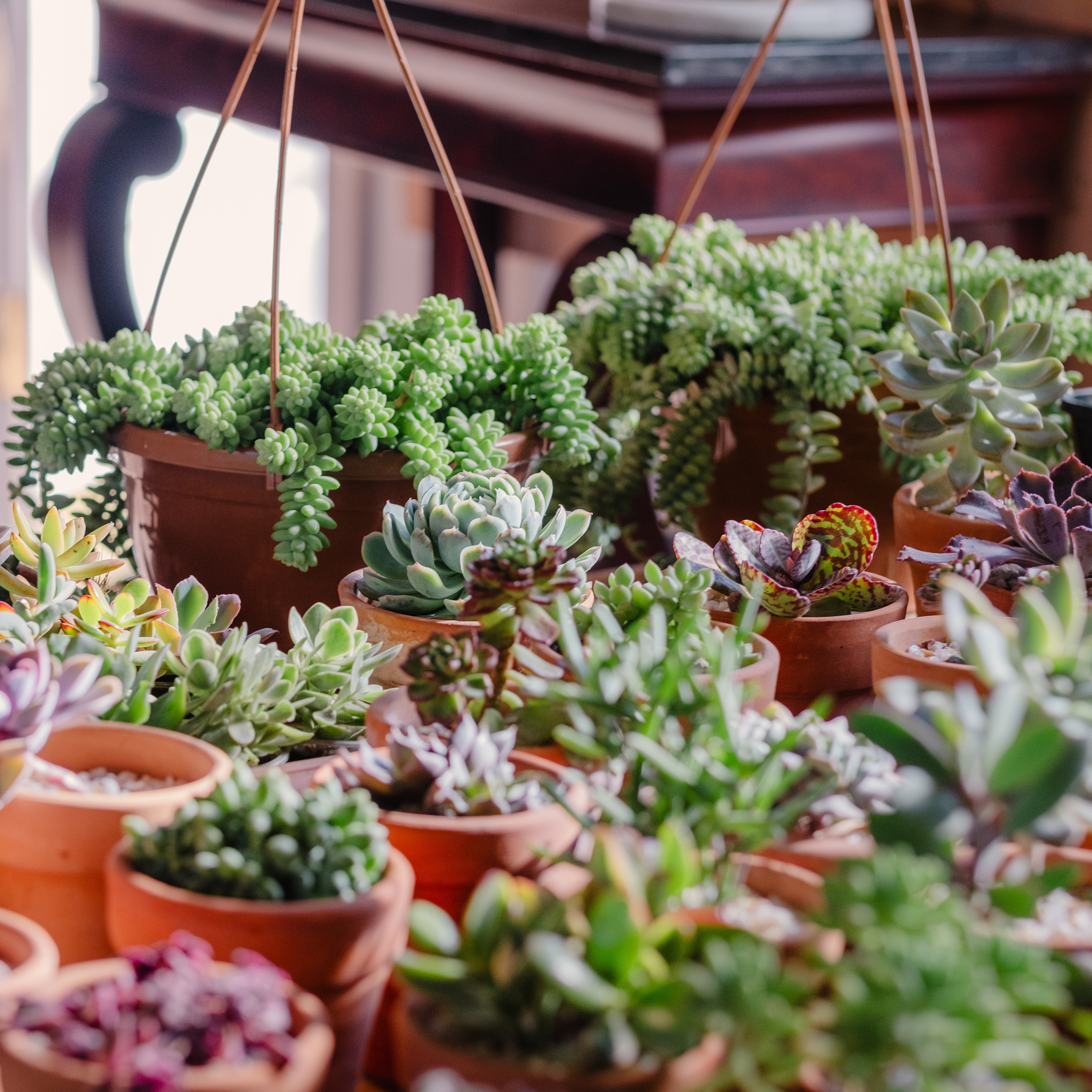
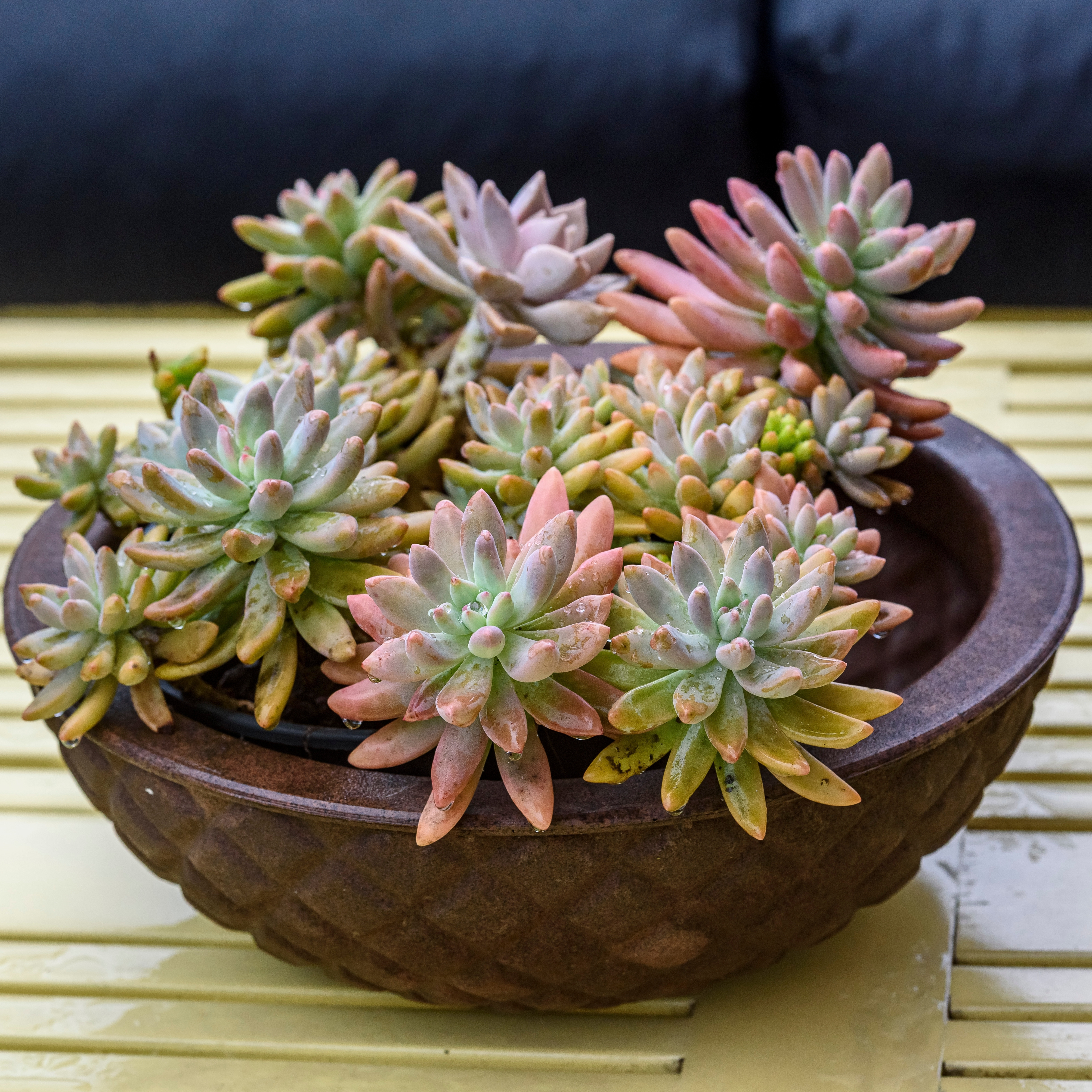
Succulents are a much broader group of plants that store water in their leaves, stems or roots. Popular examples include Sempervivum, Echeveria, Sedum, Aeonium and Crassula. Their ability to retain moisture makes them well suited to dry conditions and helps make them some of the easiest plants to grow. Succulents are valued for their incredible diversity, offering an impressive range of colours, textures and growth habits. Some form neat rosettes, while others produce trailing stems or upright architectural shapes, making them ideal for containers, rockeries and indoor displays. Their low-maintenance nature and year-round appeal have made them increasingly popular with gardeners of all experience levels.
π Expert Tip: Combining cacti and succulents in the same display creates wonderful contrasts in shape, texture and colour.
βοΈ Choosing the Best Location for Cacti and Succulents
Most cacti and succulents thrive in bright, sunny conditions.
To achieve healthy growth and vibrant colours, aim to provide at least six hours of sunlight each day. Outdoor plants generally perform best in full sun, while indoor plants should be positioned on a bright windowsill.
Ideal Growing Locations
- Sunny patios
- Gravel gardens
- Rockeries
- Raised beds
- Alpine gardens
- Conservatories
- South-facing windows
If you’re introducing newly purchased plants to full sun, do so gradually to prevent leaf scorch.
Succulents naturally grow towards light sources, so rotate containers regularly to maintain even growth.
πͺ΄ Planting Cacti and Succulents Successfully
One of the most important aspects of a successful succulent care guide is ensuring excellent drainage.
These plants dislike sitting in wet compost and can quickly suffer from root rot if drainage is poor.
Choosing the Right Pot
Select a container with drainage holes and allow approximately 1.5cm of space around the plant for future growth.
Terracotta pots are particularly beneficial because they allow excess moisture to evaporate naturally.
The Best Compost Mix
For healthy root development, use:
- Specialist cacti and succulent compost
- A gritty free-draining compost blend
- Three parts John Innes No. 3 mixed with one part horticultural grit
When planting:
- Add compost to the pot.
- Position the plant slightly above soil level.
- Firm gently around the roots.
- Finish with a decorative layer of gravel or grit.
This attractive top dressing also helps keep moisture away from the foliage.
π§ Watering Cacti and Succulents Correctly
Getting watering right is one of the most important aspects of growing healthy cacti and succulents. Fortunately, these plants are naturally adapted to dry conditions and generally require far less water than many other houseplants and garden plants.
Overwatering is the most common cause of problems, often leading to root rot, soft growth and plant loss. Because cacti and succulents store water within their leaves, stems or roots, they are well equipped to cope with occasional dry spells and prefer the compost to dry out between waterings.
How Often Should You Water?
There is no fixed watering schedule for cacti and succulents, as their needs vary depending on the species, pot size, growing conditions and time of year.
Before watering, check the compost with your finger. If the top 1cm feels dry, it’s usually time to water. During spring and summer, plants are actively growing and may need watering more frequently. In autumn and winter, growth slows and watering should be reduced accordingly.
As a general rule:
- Allow the compost to dry out between waterings.
- Water thoroughly rather than little and often.
- Ensure excess water can drain away freely.
- Reduce watering during the cooler months.
- Never leave pots sitting in waterlogged compost.
Watering from Above
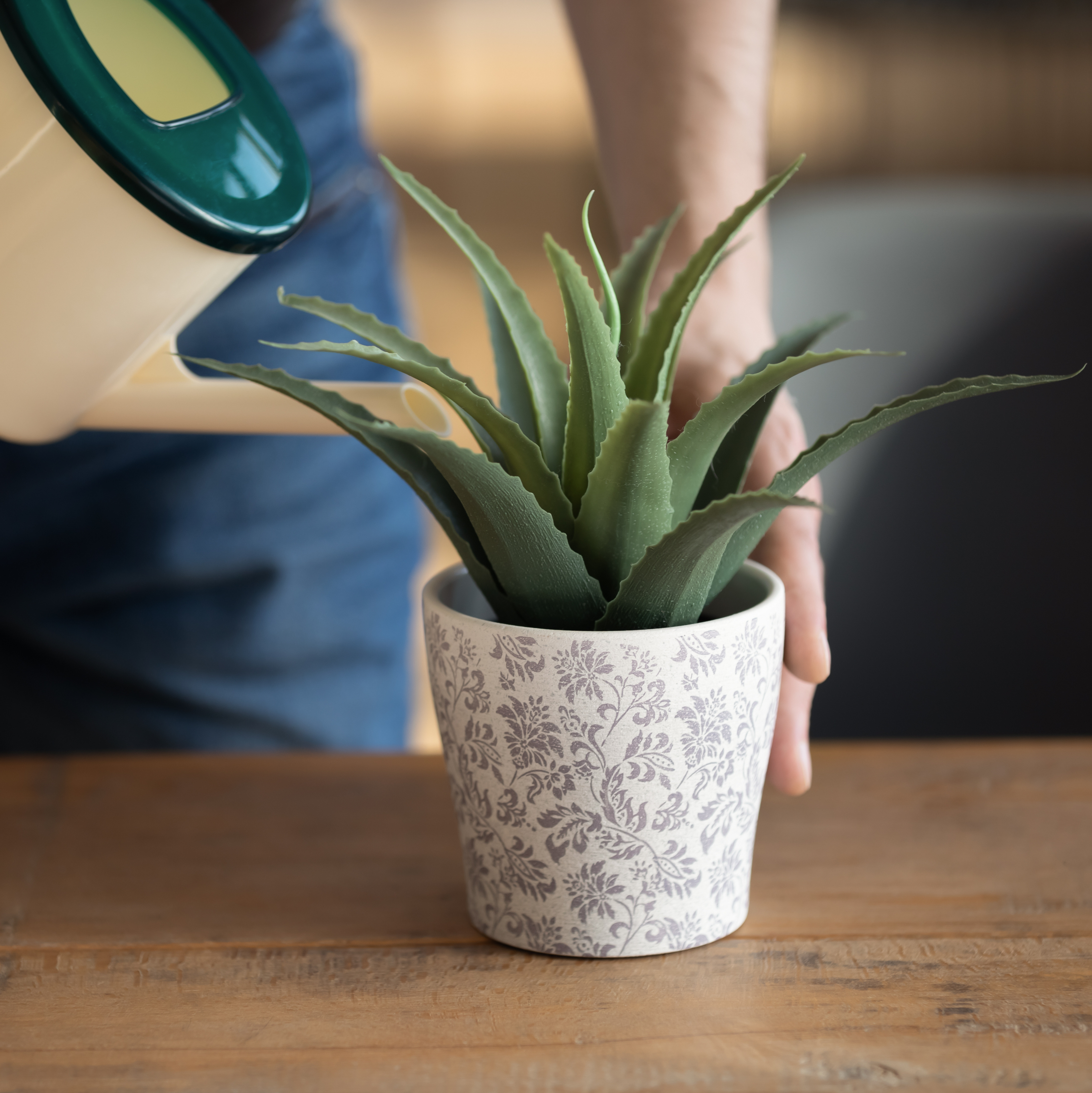
The simplest way to water cacti and succulents is to apply water directly to the compost until it begins to drain from the bottom of the pot. This encourages roots to grow throughout the compost and ensures moisture reaches the entire root system.
Try to avoid regularly wetting the foliage, particularly on rosette-forming succulents, as trapped moisture can sometimes encourage rot or fungal problems.
Using the Soak-and-Drain Method
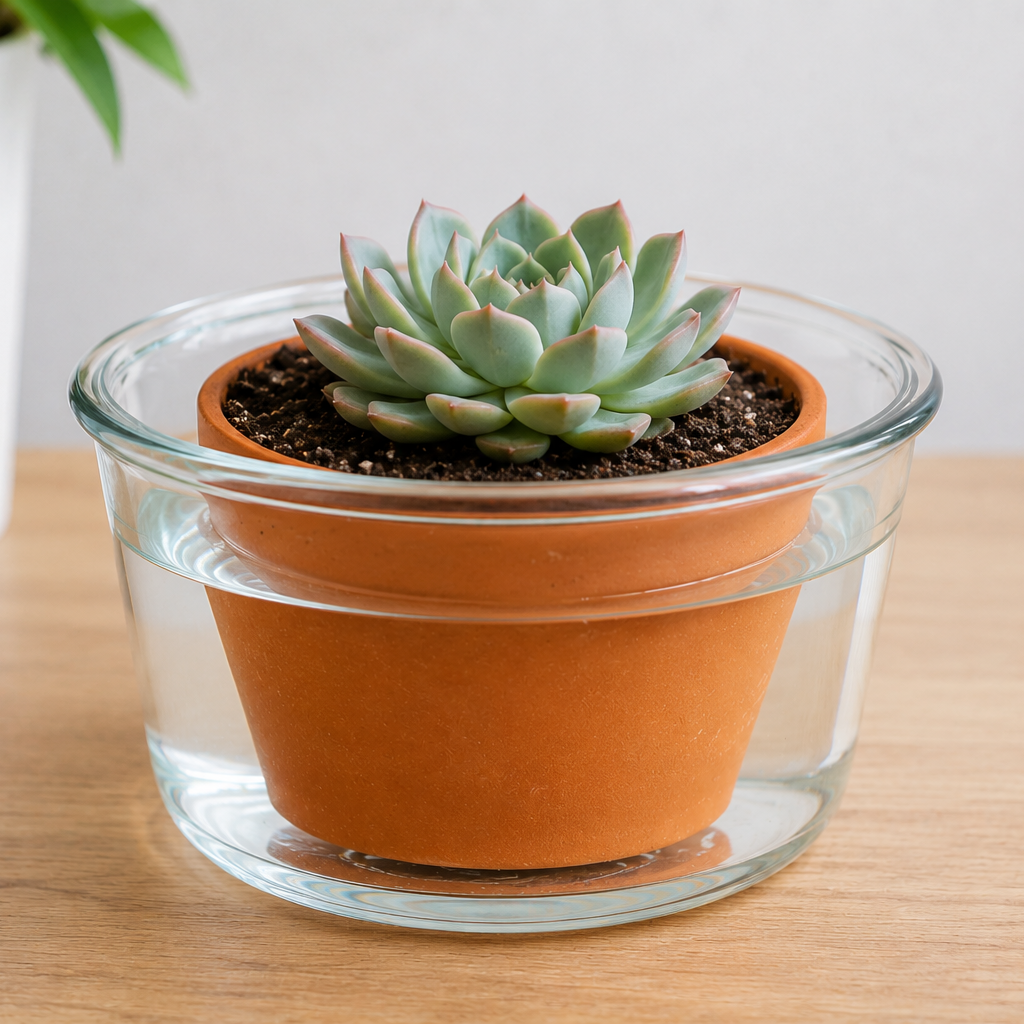
If the compost has become extremely dry and water is running straight through the pot, the soak-and-drain method can be a useful alternative.
Simply immerse the pot in a container of water and allow the compost to absorb moisture through the drainage holes. Leave it until air bubbles stop rising to the surface, or until the compost feels thoroughly moist. Remove the pot and allow excess water to drain away completely before returning it to its usual position.
This method can help rehydrate compost that has become difficult to wet and ensures moisture reaches the entire root ball.
Signs of Overwatering
Overwatering can quickly damage cacti and succulents. Watch out for:
- Yellowing leaves
- Soft or mushy stems
- Blackened roots
- Leaves dropping unexpectedly
- A sour smell from the compost
Signs of Underwatering
While less common, underwatering can also affect plant health. Typical signs include:
- Wrinkled or shrivelled leaves
- Dry leaf tips
- Loss of firmness
- Stunted growth
- Dull or faded foliage
π Expert advice: By allowing the compost to dry between waterings and providing good drainage, your cacti and succulents will develop strong roots and remain healthy for years to come.
π± Feeding and Ongoing Care
One of the reasons cacti and succulents are so popular is their low feeding requirements.
To keep plants healthy:
- Repot annually into fresh compost.
- Feed once during spring with a balanced liquid fertiliser.
- Remove dead leaves regularly.
- Check for pests such as aphids, mealybugs and spider mites.
Avoid excessive feeding, as this can produce weak, leggy growth.
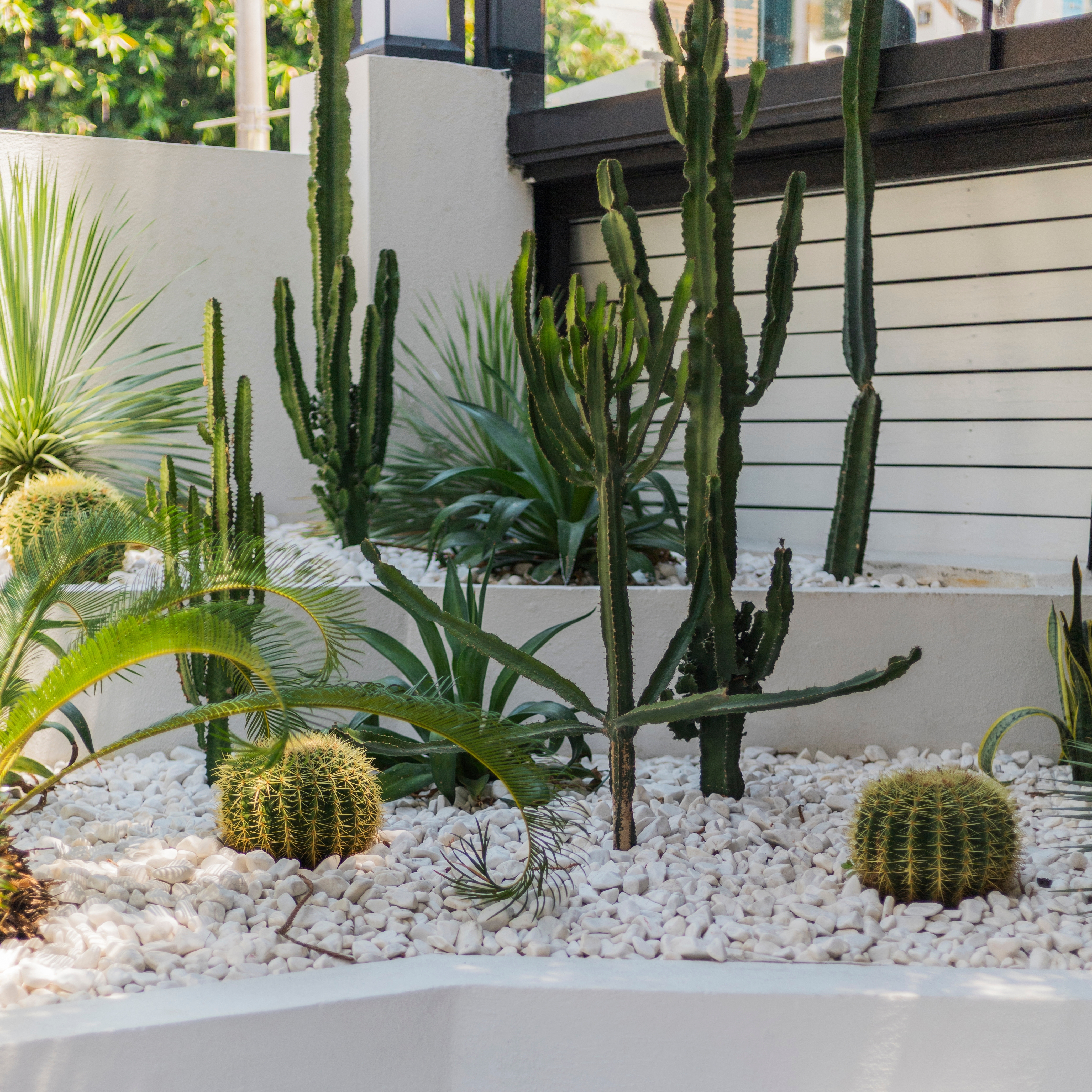
πΏ Growing Succulents and Cacti Outdoors
While many people think of succulents and cacti as houseplants, a surprising number can be grown outdoors throughout much of the UK. Hardy varieties can add colour, texture and architectural interest to borders, gravel gardens, rockeries and container displays all year round.
Succulents can do particularly well in sunny spots with free-draining soil, where many traditional plants may struggle during dry periods.
To help outdoor succulents thrive:
- Plant in well-drained soil or raised beds.
- Avoid areas that become waterlogged during winter.
- Add horticultural grit to improve drainage.
- Position plants in full sun whenever possible.
- Protect tender varieties from severe frost.
Popular outdoor succulents and cacti include:
- Sempervivums (Houseleeks)
- Purple Hedgehog Cactus
- Delospermas (Ice Plants)
- Prickly Pear
- Hardy Yuccas
π Expert Tip: Succulents often develop their strongest colours when grown in bright light and slightly challenging conditions. Overfeeding or excessive watering can reduce colour intensity and encourage soft growth.
π± Easy Propagation: Grow More Plants for Free
One of the joys of growing cacti and succulents is how easy many varieties are to propagate.
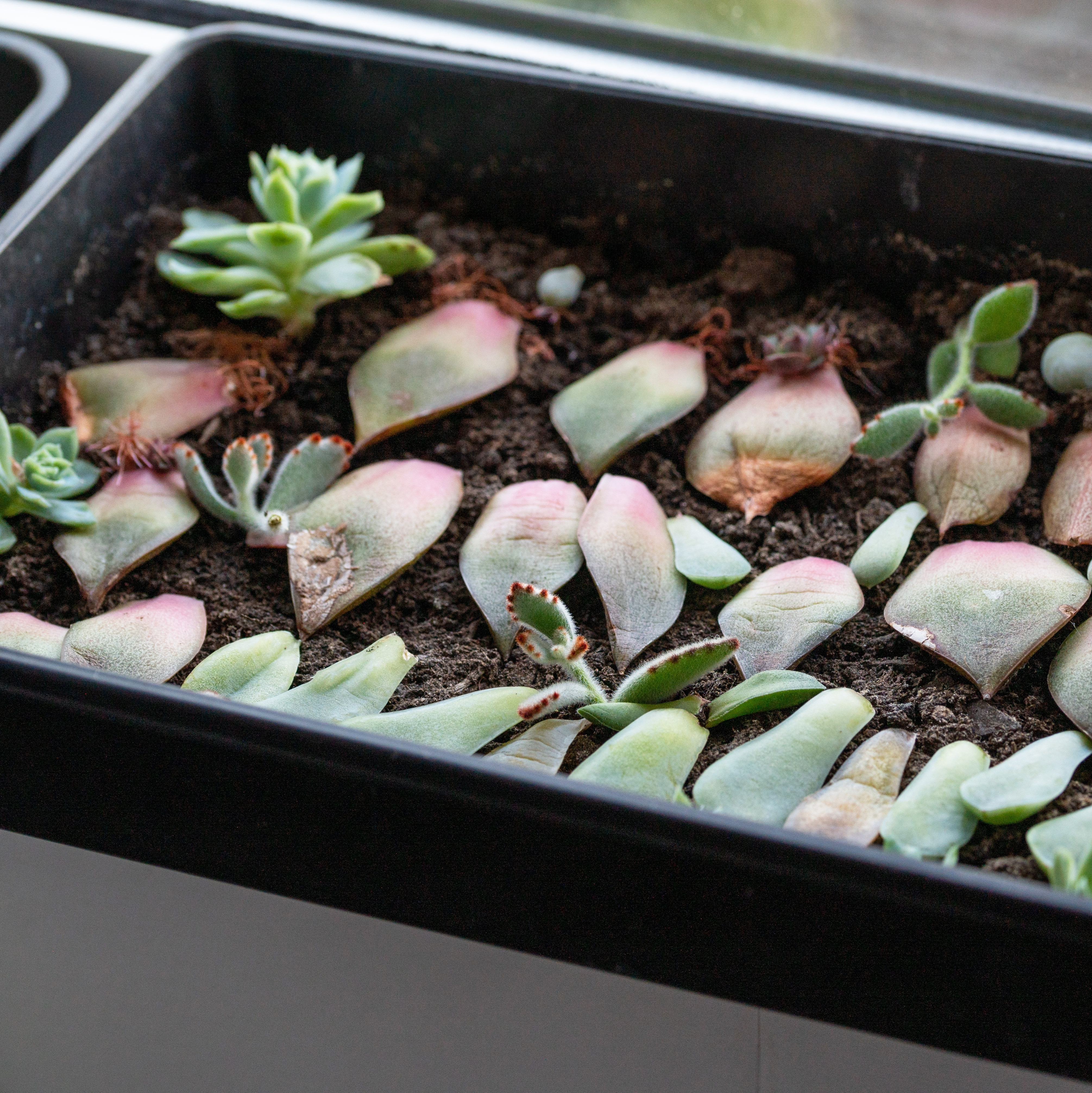
Leaf Propagation
Many species such as Echeveria and Sedum can be grown from a single healthy leaf.
- Remove a healthy leaf.
- Allow it to callous for several days.
- Place on gritty compost.
- Wait for roots and new growth to emerge.
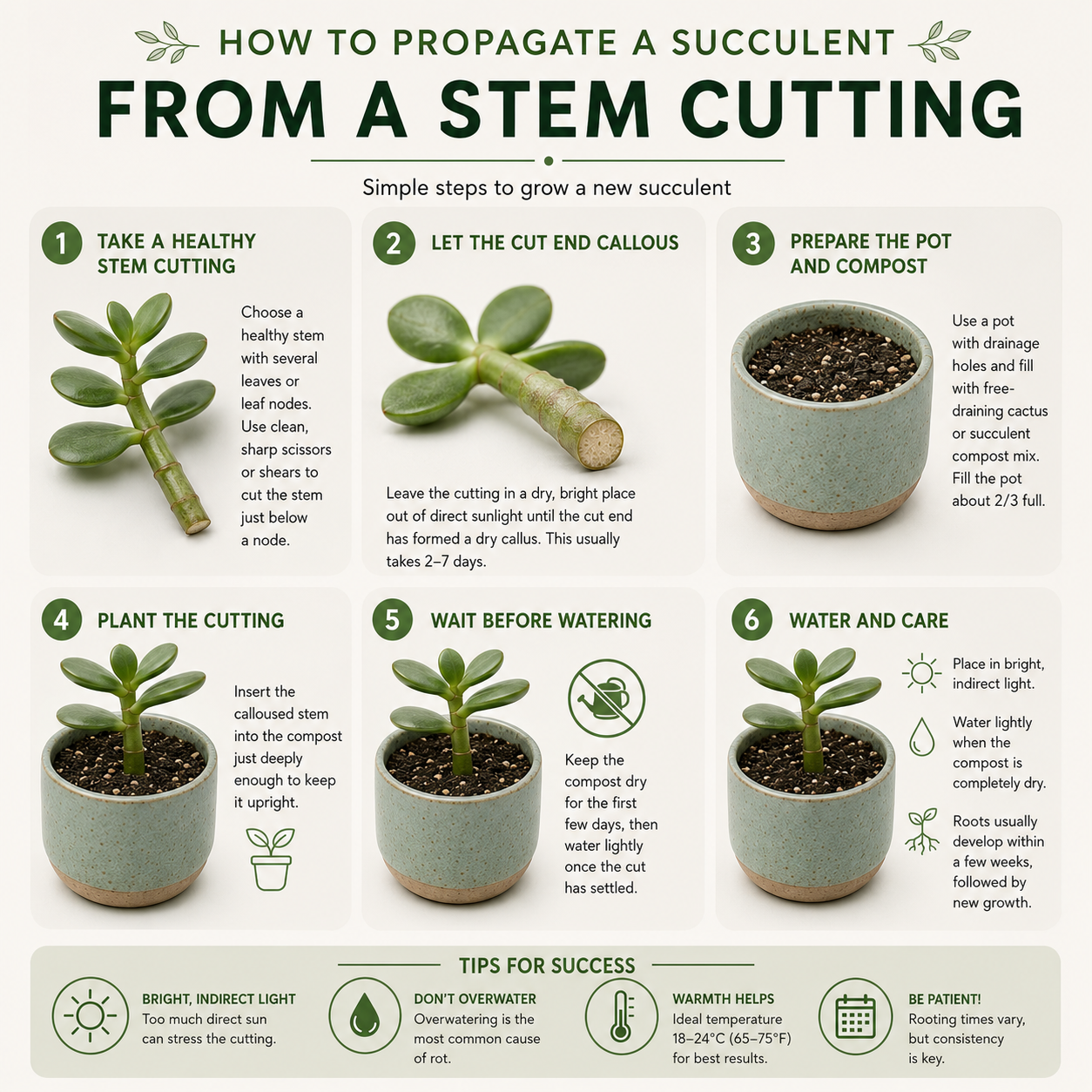
Stem Cuttings
Species such as Crassula and Senecio can often be propagated from stem cuttings.
- Cut a healthy stem.
- Leave to dry for several days.
- Plant directly into free-draining compost.
π Expert Tip: Always allow cuttings to dry and callous before planting. This significantly reduces the risk of rot and improves success rates.
π‘ Creative Ways to Display Cacti and Succulents
The sculptural nature of these plants makes them ideal for creative displays.
Popular ideas include:
- Indoor succulent bowls
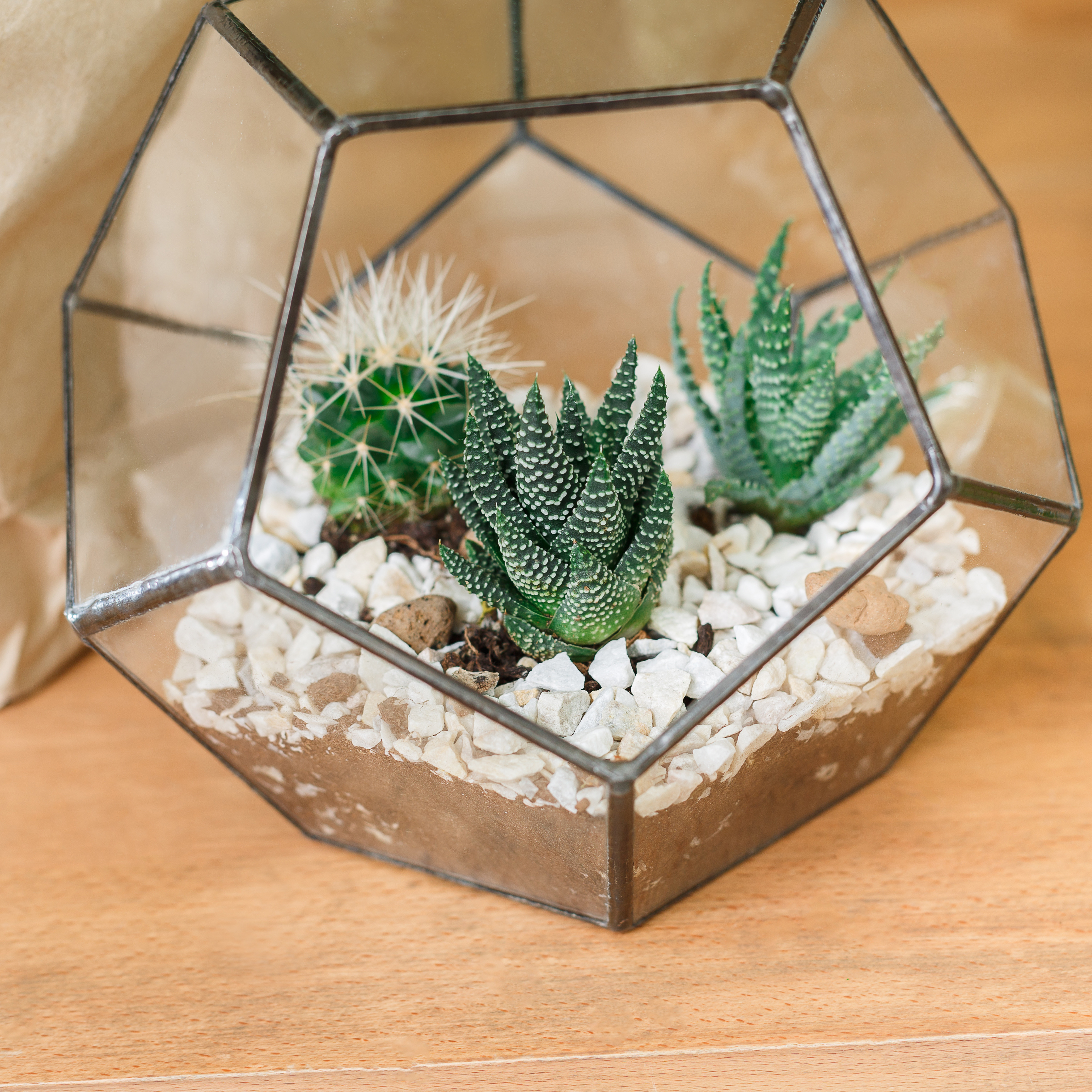
- Terrariums
- Rock gardens
- Gravel gardens
- Patio container displays
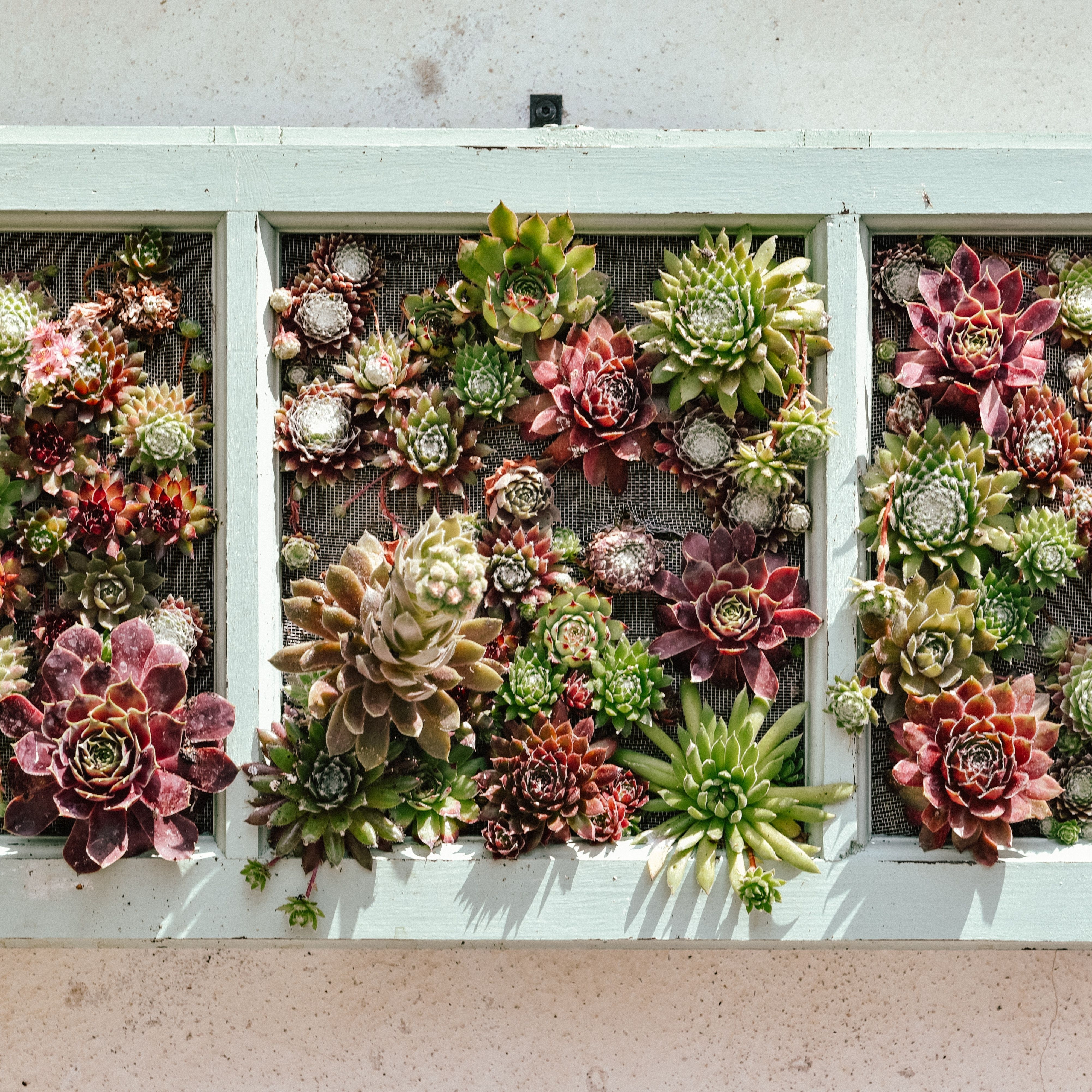
- Living wall installations
Their diverse shapes, textures and colours create visual interest all year round.
β οΈ Common Problems and How to Avoid Them
Soft, Mushy Leaves
Usually caused by overwatering.
Stretching Growth
Insufficient sunlight.
Brown or Black Spots
May indicate rot or cold damage.
Wrinkled Leaves
Often a sign that watering is required.
Regular observation allows you to spot issues early and keep your plants healthy. If a plant shows signs of stress consider adjusting its environment by changing its position, light exposure, watering routine or drainage conditions to encourage healthy growth.
πΏ Visit Our Garden Centre
Choosing healthy plants and the right growing materials gives cacti and succulents the best start, whether adding a single plant to your home or building a varied collection.
At our Garden Centre in Kington, you’ll find a wide selection of cacti and succulents, specialist composts and decorative pots. Our team can also offer practical advice on choosing suitable varieties and caring for plants grown indoors, in a conservatory or outside during the warmer months.
Β Visit usΒ inΒ Kington today. Explore our range of cacti and succulents and find everything you need to keep these distinctive plants healthy and thriving.