
Open today 9:00 - 17:00
A garden full of birds brings colour, movement and life to your outdoor space. From cheerful robins hopping across the lawn to goldfinches gathering at feeders, birds are a welcome sight in every season. They also play an important role in maintaining a healthy garden ecosystem by helping to control pests and supporting biodiversity.
If you want to attract birds to your garden, the good news is that even a few simple changes can make a huge difference. By providing food, shelter, water and safe nesting spaces, you can turn your garden into a welcoming haven for local wildlife.
Whether you have a large country garden or a compact urban courtyard, these expert tips will help you encourage more garden birds into your outdoor space naturally and successfully.
Birds are constantly searching for places that offer everything they need close together. If a garden only provides food but nowhere safe to shelter, they are unlikely to stay for long. Equally, a beautiful garden with nowhere to drink or feed may simply be overlooked.
The most successful bird-friendly gardens combine four essential ingredients:
When these elements come together, your garden becomes far more attractive to a wide range of bird species.
Plants form the foundation of every bird-friendly garden. Rather than relying solely on feeders, aim to create a landscape that provides food throughout the seasons.
Berry-producing shrubs and trees offer valuable autumn and winter food, while flowering plants support insects that become an important source of nourishment for both adult birds and their hungry chicks during spring.
Excellent choices include:
holly • rowan • hawthorn • cotoneaster • pyracantha • crab apple • berberis
Native species are particularly valuable because they support far more insects than many ornamental plants.
Dense shrubs, evergreen hedges and climbers such as ivy also give birds somewhere to perch safely between feeding visits and offer protection from bad weather.
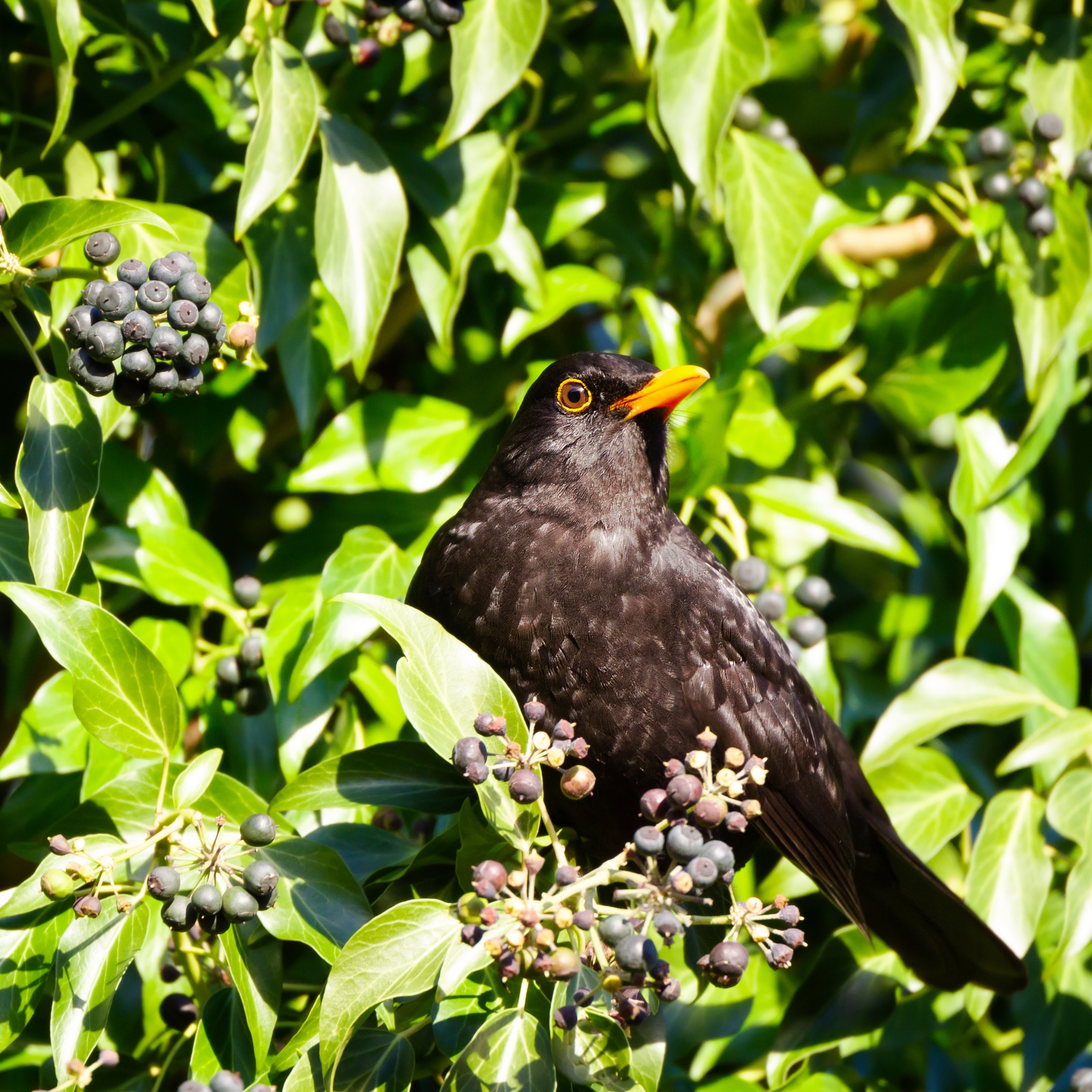
Mature ivy is an invaluable plant for supporting wildlife. Its late-season flowers attract pollinators, while its berries provide energy-rich food for birds during the colder months.
The dense evergreen foliage also offers:
Other excellent evergreen plants for garden birds include:
👉 Expert Tip: Avoid cutting hedges or mature ivy during the main bird nesting season, as active nests are protected by law and disturbing them can cause birds to abandon their young.
Supplementary feeding supports birds throughout the year, particularly when natural food is limited.
Different species prefer different feeding methods, so offering several types of feeder encourages greater diversity.
Consider including:
Position feeders close enough to shrubs or small trees that birds can escape quickly if threatened, but far enough away that predators cannot hide beneath them.
Once birds begin visiting regularly, try to keep feeders topped up. A consistent food source is especially valuable during cold weather and the breeding season.
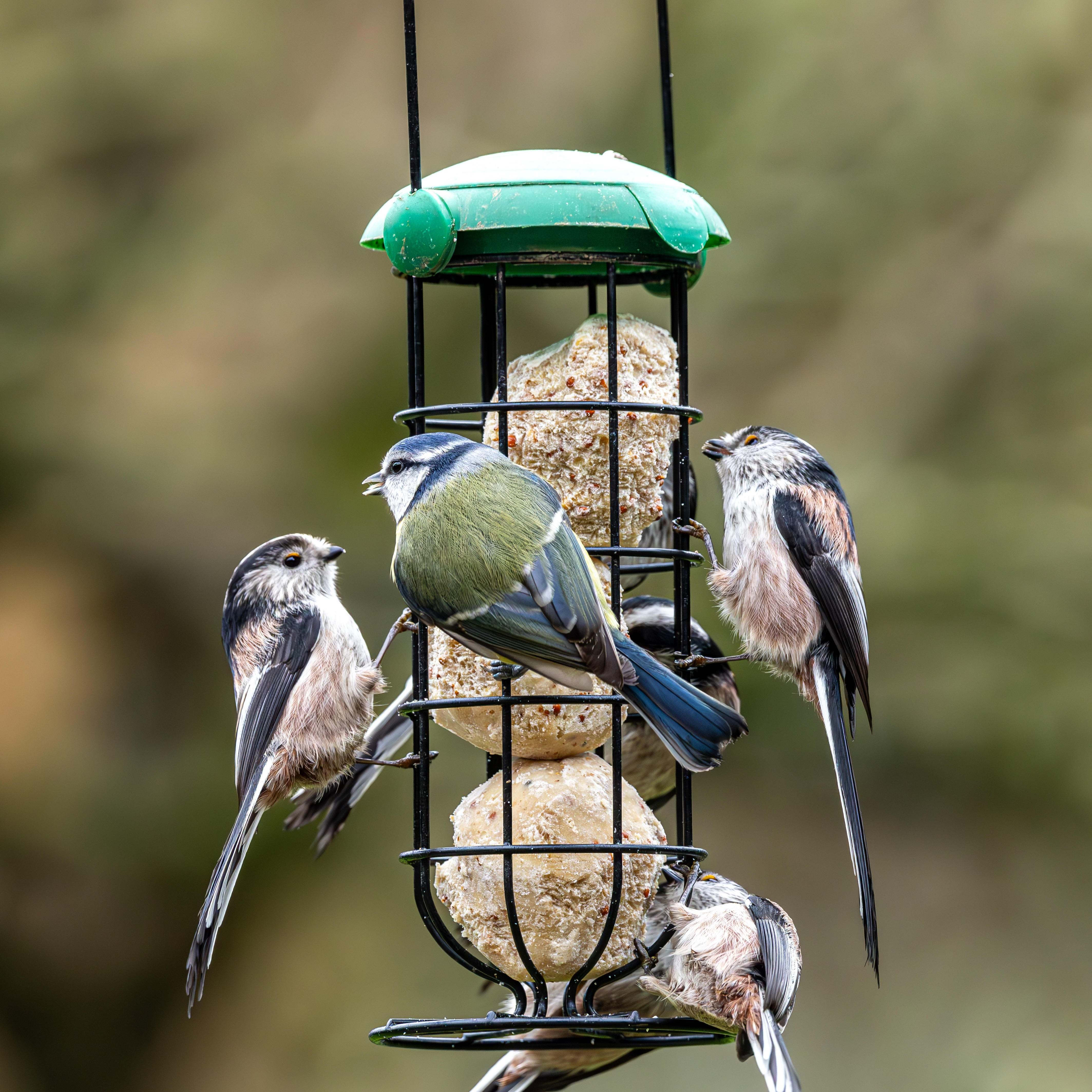
👉 Expert Tip: Clean bird feeders every week using hot water and allow them to dry thoroughly before refilling. Good hygiene helps prevent diseases spreading between birds.
Water is just as important as food for garden birds. A shallow bird bath provides a safe place for birds to drink, bathe, cool down during hot summer weather, and keep their feathers clean and in good condition. During winter, when natural water sources may freeze or become scarce, providing fresh water can be especially valuable.
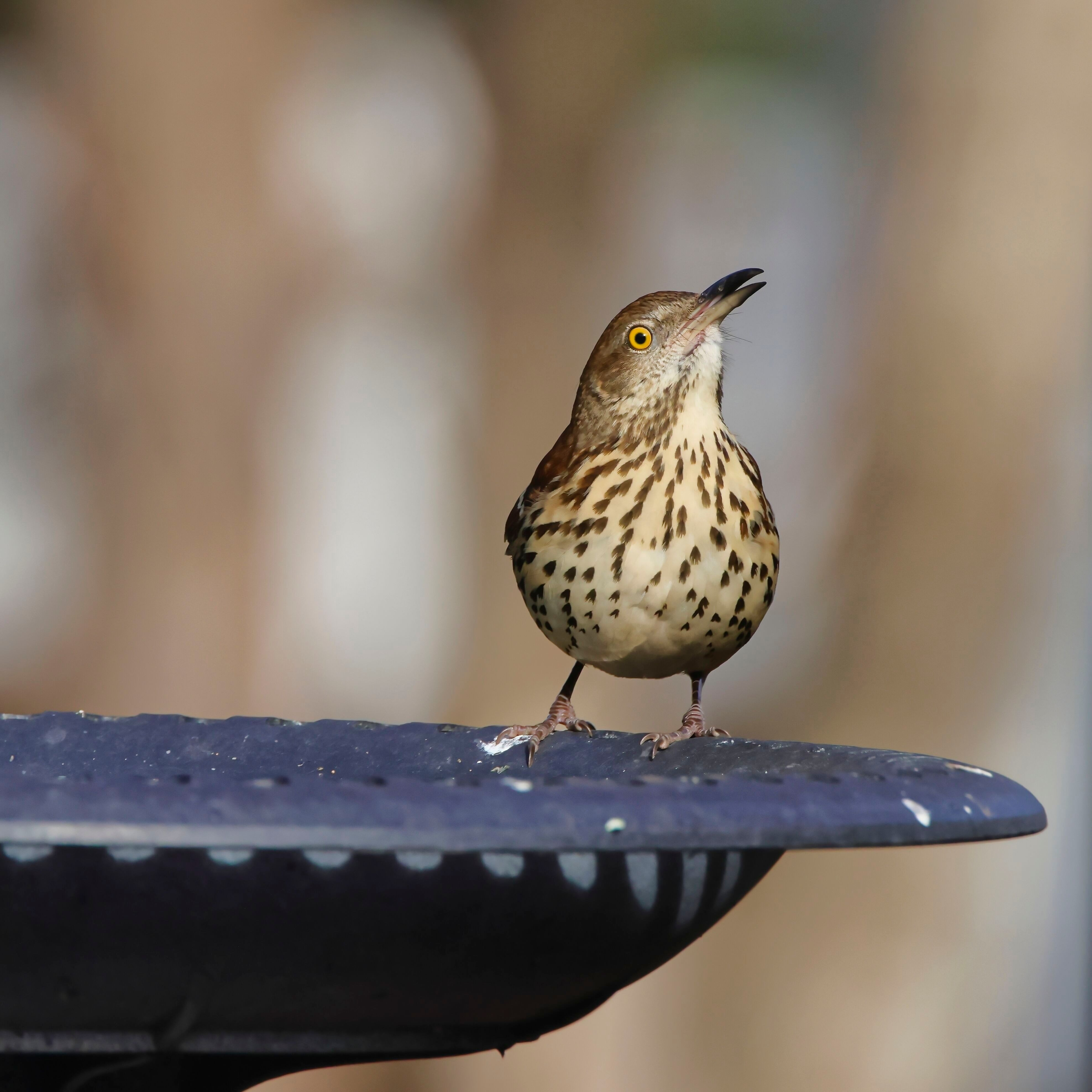
Bird bath tips
Moving water such as a small solar fountain can attract even more birds because they notice the sound from above.
👉 Top Tip: You don’t need a purpose-made bird bath. A shallow dish placed on a wall or raised surface works just as well.
Modern gardens often lack the mature trees and natural cavities many birds need for nesting.
Bird boxes provide valuable alternatives, particularly in newer housing developments where suitable nesting sites are limited.
Different species prefer different styles of nest box.
| Bird Species | Entrance Hole Size |
|---|---|
| Blue Tit | 25mm |
| Great Tit | 28mm |
| House Sparrow | 32mm |
| Robin | Open-fronted |
For the best results, position nest boxes:
Leaving dense shrubs nearby gives young birds somewhere safe to shelter after leaving the nest.
👉 Expert Tip: Resist the temptation to look inside occupied bird boxes during spring. Even brief disturbance can cause some species to abandon a nest.
Wildlife flourishes where gardens contain a variety of habitats.
Perfectly manicured lawns and heavily paved gardens provide relatively little for birds. By allowing some areas to become slightly more natural, you encourage insects, worms and seeds that birds depend upon.
Simple changes can make a remarkable difference.
These small areas of untidiness become valuable wildlife habitats while requiring very little maintenance.
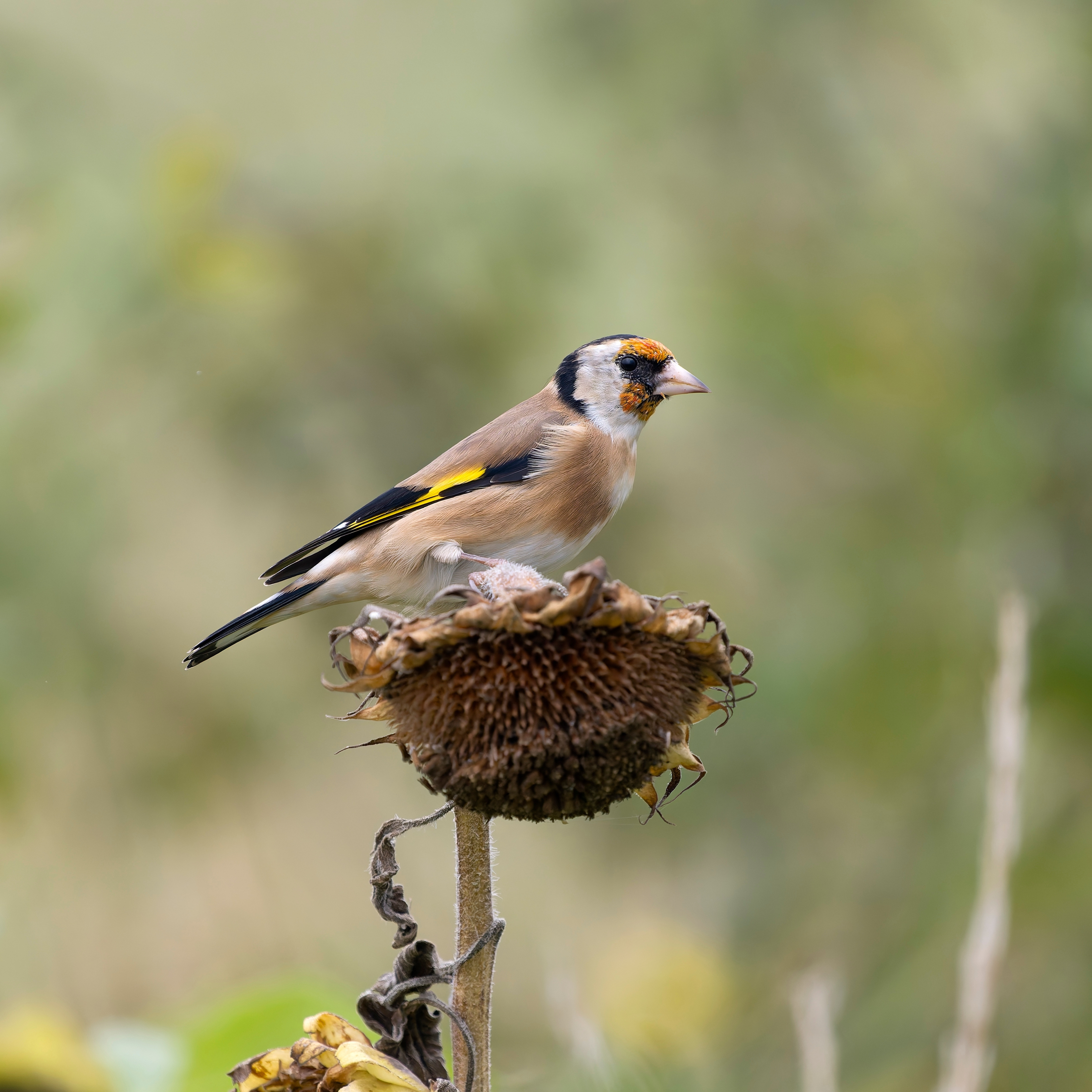
Birds rely on healthy insect populations, especially when feeding their chicks during spring and early summer.
Heavy use of pesticides reduces this natural food supply and can upset the balance of your garden.
Instead, encourage nature to do much of the work.
Ladybirds, lacewings, hoverflies and birds themselves all help keep common garden pests under control. Companion planting, hand removal of pests and improving habitat diversity often reduce problems without the need for chemicals.
If you’ve recently installed feeders or planted wildlife-friendly shrubs, don’t be discouraged if birds don’t appear immediately. They often take several weeks to discover new food sources and become more confident as they learn your garden is a safe place to visit.
Keeping food and water available consistently is usually more effective than frequently moving feeders or constantly trying different foods.
Birds need protein-rich food to feed growing chicks. Natural insects are particularly valuable, alongside suitable supplementary foods such as mealworms.
Fresh water becomes especially important during hot weather, while dense planting provides welcome shade and protection.
Plant berry-producing shrubs and trees while leaving seed heads standing to provide valuable food through the colder months.
Natural food becomes scarce, making supplementary feeding especially important. High-energy foods such as sunflower hearts, suet products and peanuts help birds maintain body weight during freezing weather.
Supporting birds throughout every season helps build a healthy, returning bird population in your garden. Over time, birds will begin to recognise your garden as a reliable source of food, shelter and nesting spaces, encouraging them to visit regularly and even raise their young nearby.
The same changes that attract birds also support a healthier garden overall.
Flowering plants encourage bees and butterflies, healthy soils support earthworms and beneficial insects, while trees, shrubs and hedges create valuable habitats for hedgehogs and countless other forms of wildlife.
By gardening with nature in mind, you’ll create a more vibrant, resilient outdoor space that becomes richer and more rewarding every year.
Encouraging more birds into your garden starts with creating the right habitat. By combining wildlife-friendly planting with fresh water, suitable feeders and safe nesting spaces, you’ll soon have a garden that’s alive with birds throughout the seasons.
Visit us in Kington. Our knowledgeable team can help you choose the right plants, bird care products and practical accessories to create a garden that’s welcoming to birds all year round.