Growing Citrus Trees: Expert Tips for Healthy Trees and Homegrown Fruit
There’s something incredibly satisfying about picking your own fresh lemons, limes or oranges. Home-grown citrus can be used for everything from homemade lemonade and summer salads to cakes, marinades and desserts, while the trees themselves bring a distinctive Mediterranean feel to a sunny patio or conservatory.
Growing citrus trees in the UK is perfectly possible, provided their need for warmth and winter protection is taken into account. Citrus plants grow particularly well in containers, producing fragrant flowers, glossy evergreen foliage and, given suitable conditions, their own crop of fruit.
This guide explains how to care for citrus trees throughout the year, including feeding, watering, pruning and overwintering, along with advice on dealing with common growing problems.
☀️ Choosing the Right Spot for Growing Citrus Trees
Citrus trees love warmth, sunshine, and shelter from strong winds. During spring and summer, place your tree outdoors in the sunniest spot possible, such as:
A south-facing patio
A sheltered courtyard
A warm conservatory doorway
A sunny balcony
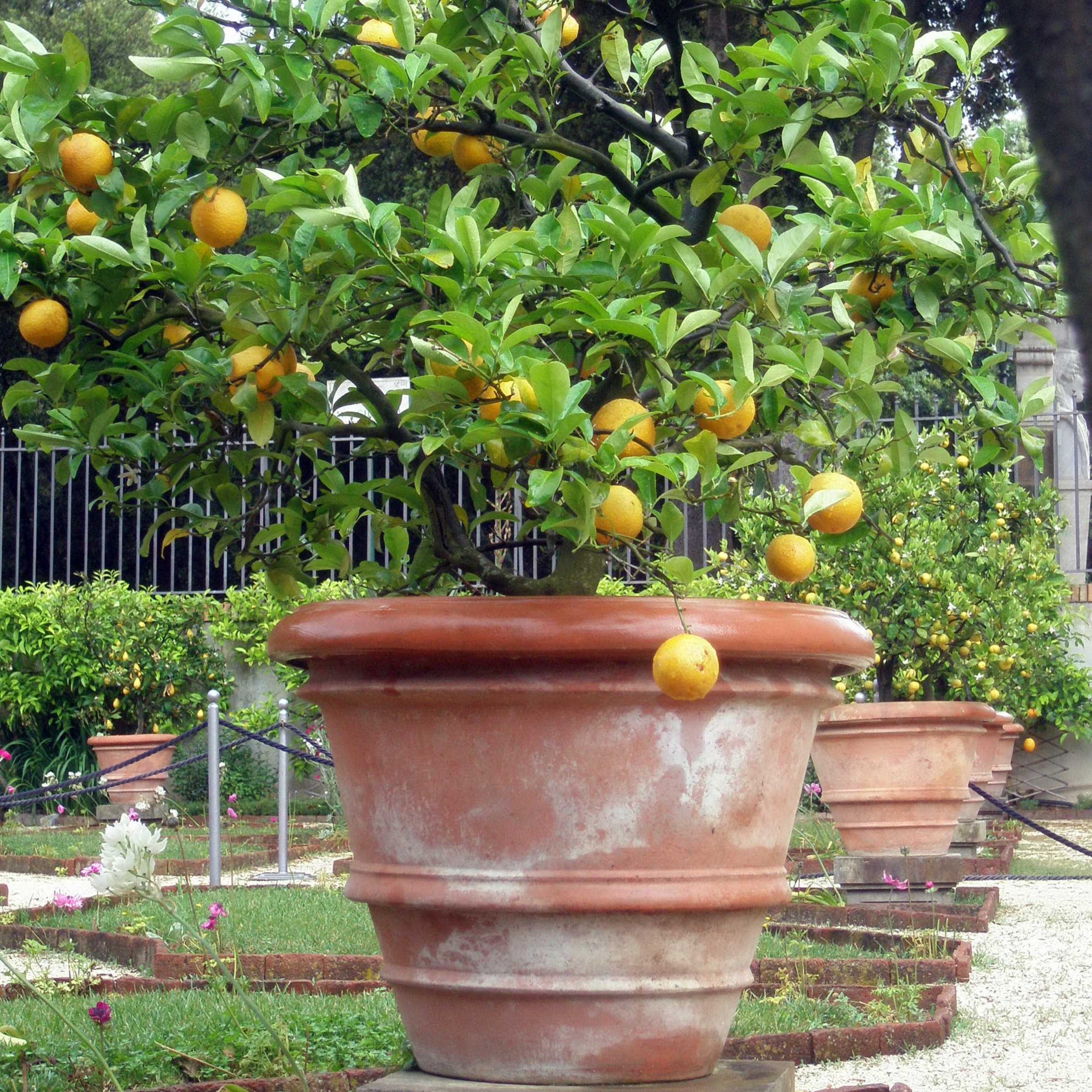
Most citrus varieties grow best in containers in the UK climate, allowing you to move them indoors during colder months.
Ideal Winter Temperatures
Different citrus trees tolerate cold differently:
Citrus Variety
Minimum Winter Temperature
Lemon Trees
10°C
Lime Trees
10°C
Orange Trees
7°C to 10°C
Kumquats
7°C
A bright greenhouse, conservatory, or frost-free porch is ideal during winter.
👉 Expert Tip: Citrus trees dislike sudden temperature changes. Move them indoors gradually in autumn to avoid leaf drop and stress.
🪴 How to Grow Citrus Trees in Pots
Container growing is the best method for growing citrus trees in most UK gardens.
Best Compost for Citrus Trees
Use a soil-based compost such as:
John Innes No. 2
Citrus-specific compost
A free-draining loam mix
Add grit or sharp sand to improve drainage:
4 parts compost
1 part grit or sharp sand
Good drainage is essential because citrus roots hate sitting in wet compost.
Choosing the Right Pot
Selecting the right container is an important step when growing citrus trees successfully in different climates. A well-chosen pot helps regulate moisture levels, supports healthy root growth, and makes it easier to move your tree indoors during colder weather.
Select a pot with:
Large drainage holes
Enough room for root growth
A sturdy, stable design that won’t tip easily as the tree matures
Terracotta pots are ideal for citrus trees, but plastic and glazed pots can also work well, especially for younger trees. However, they tend to retain more moisture, so careful watering is essential.
💧 Caring for Citrus Trees: Watering Correctly
Citrus trees dislike sitting in wet compost, making overwatering a common cause of problems
Summer Watering
During warmer months:
Allow the compost surface to partially dry out
Water thoroughly
Let excess water drain completely
Never leave pots standing in water.
Winter Watering
In winter:
Reduce watering significantly
Allow compost to become almost dry between waterings
Avoid cold, soggy roots
Indoor heating can also dry out the air around your plant.
👉 Pro Tip: Stand your citrus pot on a tray filled with gravel and water to increase humidity naturally around the tree.
🌱 Feeding Citrus Trees for Better Fruit
Citrus trees are hungry plants and need regular feeding to stay healthy and productive.
Feeding Schedule
Spring to Autumn
Use:
Tomato feed
Seaweed feed
Specialist citrus fertiliser
Feed every 1 to 2 weeks during active growth.
Winter
Apply a winter citrus feed once per month.
Signs Your Citrus Tree Needs Feeding
Watch for:
Yellowing leaves
Poor flowering
Small fruit
Weak growth
These are often signs of nutrient deficiency, especially magnesium or nitrogen.
🌸 Understanding Citrus Flowers and Fruit
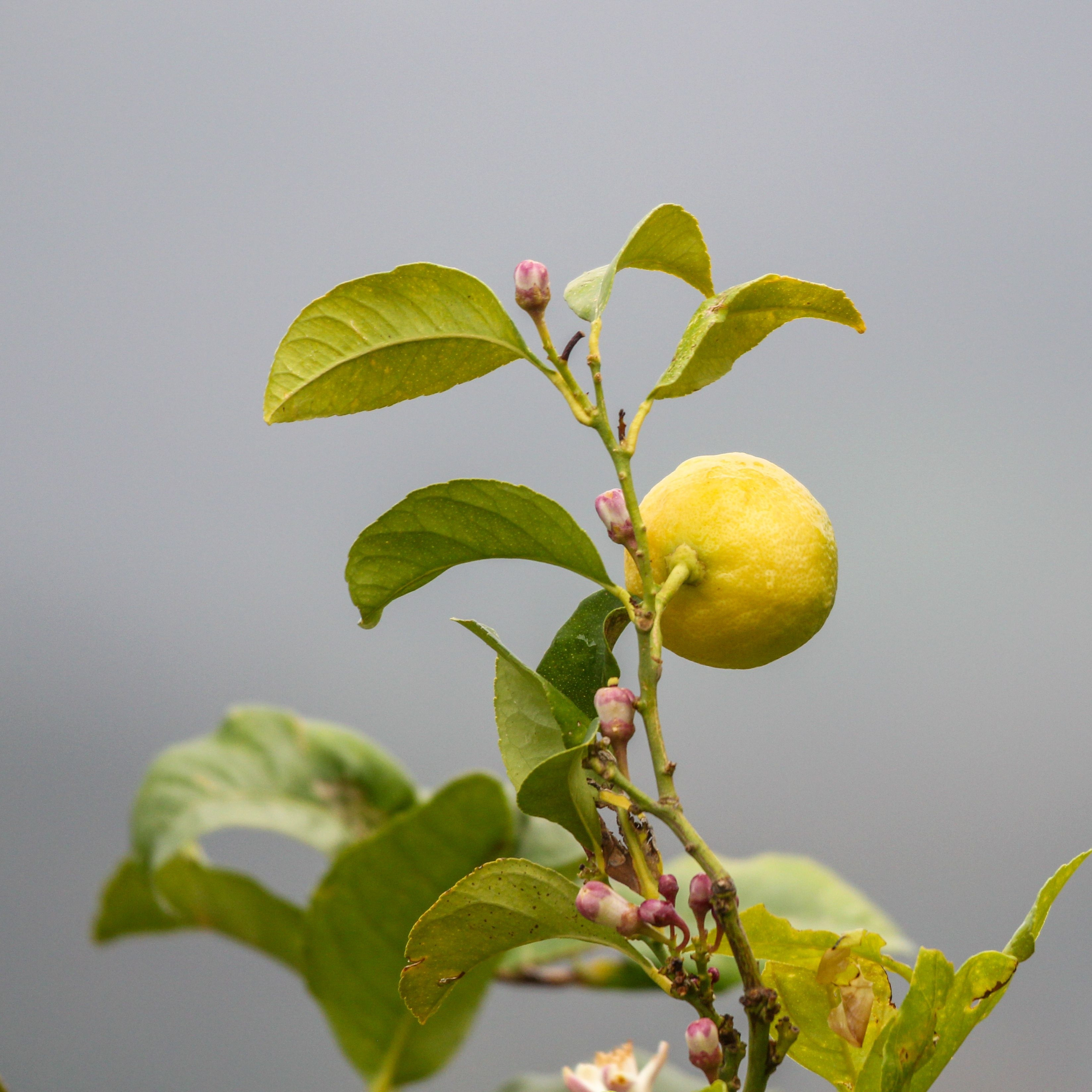
One of the joys of growing citrus trees is their beautiful, fragrant blossoms. Citrus fruit develops more slowly than many other fruits, and the exact timing depends on the variety and growing conditions.
Most citrus trees:
Flower in late winter or spring
Produce highly scented white flowers
Can take up to 12 months for fruit to fully develop
It’s perfectly normal to see flowers and fruit on the tree at the same time, which adds to their ornamental appeal as well as their productivity.
Encouraging Better Fruiting
To improve fruit production:
Keep plants in full sun
Feed regularly
Avoid temperature fluctuations
Hand-pollinate indoor flowers using a soft paintbrush
👉 Expert Tip: Removing a few young fruits from heavily loaded branches helps the remaining fruit grow larger and healthier.
✂️ Citrus Tree Care Tips for Pruning
Citrus trees require very little pruning, making them relatively low-maintenance.
When to Prune Citrus Trees
The best time is:
Late winter
Early spring
Around February
What to Remove
Prune:
Dead or damaged stems
Crossing branches
Weak growth
Fast-growing upright shoots near the base of the plant
Encouraging Bushier Growth
Pinch out vigorous shoot tips during summer to maintain a compact, attractive shape.
🐛 Common Citrus Tree Problems
Even healthy citrus plants can occasionally develop issues.
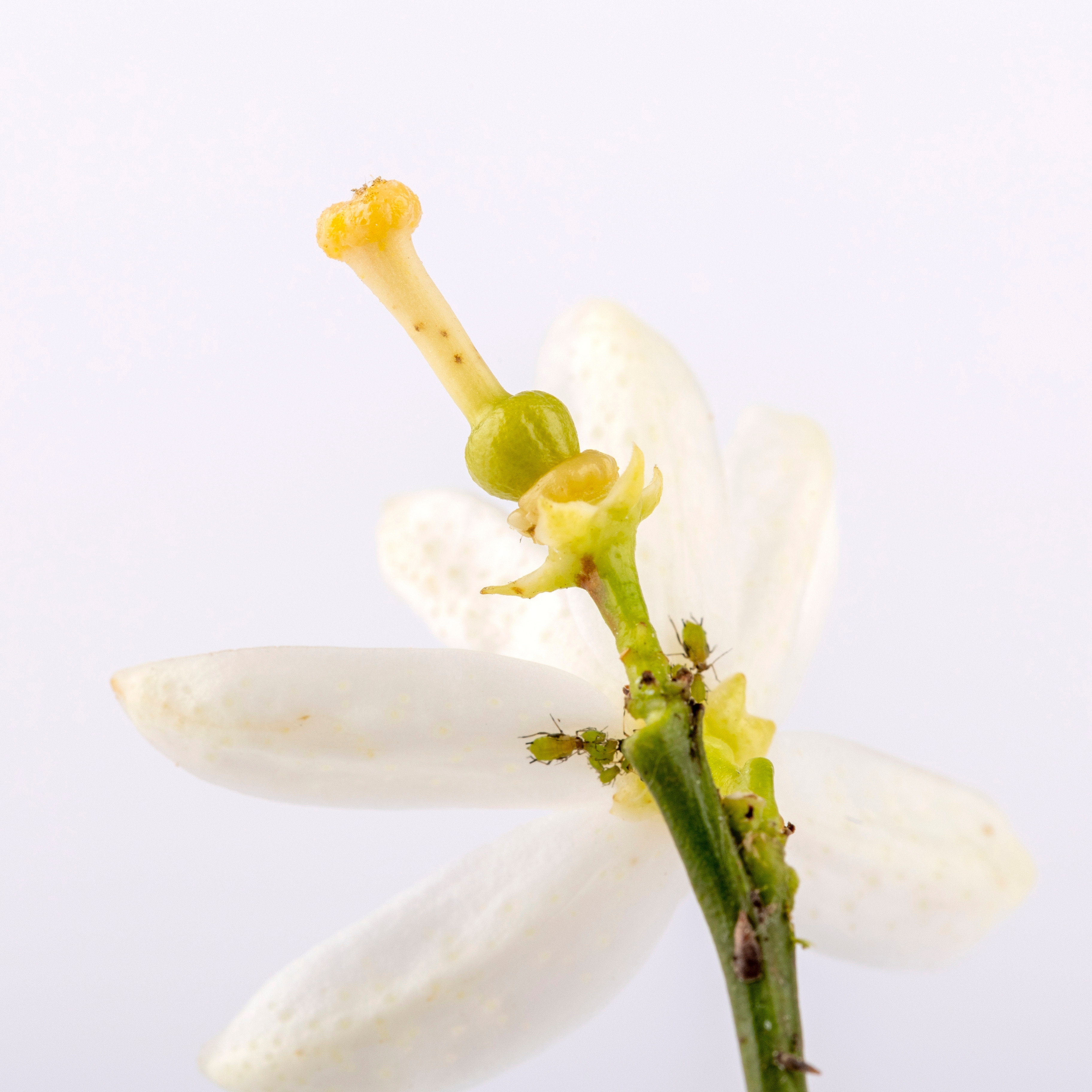
Aphids
Aphids are common on indoor-grown citrus trees, especially during winter when plants are kept in warm conditions indoors.
To treat aphids:
Wash leaves with mild soapy water
Wipe gently with a soft cloth
Increase airflow around the plant
Check young shoots regularly for early signs of pests
Once moved outdoors in summer, natural predators such as ladybirds usually help keep aphids under control naturally.
👉 Pro Tip: Inspect citrus trees weekly during winter, as aphids spread quickly in warm indoor conditions.
Leaf Drop
Leaf drop is often caused by:
Sudden temperature changes
Overwatering
Dry indoor air
Lack of light
👉 Pro Tip: Try to avoid moving citrus trees frequently during winter, as sudden changes in temperature, light, and humidity can quickly trigger leaf drop.
Yellow Leaves
Yellowing can indicate:
Poor drainage
Nutrient deficiency
Incorrect watering
Low light levels during winter
👉 Pro Tip: Regular feeding and proper drainage usually solve the problem quickly.
❄️ Protecting Citrus Trees in Winter
Citrus trees need protection from cold weather if they are to thrive in the UK.
If a late spring frost is forecast after plants are moved outside, cover them with horticultural fleece overnight.
Low temperatures can reduce flowering and delay fruit production.
🌼 Visit Our Garden Centre in Kington
Growing citrus trees in the UK can take a little extra care, particularly when it comes to watering, feeding and protecting plants during the colder months.
Visit us in Kington for practical gardening advice and help with caring for citrus and other container-grown plants. Our team can advise on suitable growing conditions and general plant care throughout the year.
We use cookies to ensure that we give you the best experience on our website. If you continue to use this site we will assume that you are happy with it.


 Visit us in Kington for practical gardening advice and help with caring for citrus and other container-grown plants. Our team can advise on suitable growing conditions and general plant care throughout the year.