Best Scented Plants for a Fragrant Garden
Fragrance can completely change the character of a garden. The scent of lavender beside a sunny path, honeysuckle drifting across a summer seating area or sweet box flowering beside the front door in winter adds another dimension to the planting.
Creating a fragrant garden does not require a large space or an entire border devoted to scented flowers. The key is to choose plants suited to your conditions and position them where their fragrance can be appreciated. With a mixture of shrubs, climbers, herbs, bulbs and seasonal flowers, it is possible to enjoy scent through much of the year.
ðŋ How to Use Scented Plants in the Garden
Where you plant for fragrance matters almost as much as what you plant. A strongly scented shrub at the far end of the garden may have less impact than a smaller plant beside a path you use every day.
The RHS recommends positioning fragrant plants in sheltered areas, where their scent is less likely to disperse quickly. Courtyards, enclosed gardens and spaces protected by walls or hedges can work particularly well.
Think about the places where you naturally spend time or regularly pass. Good positions include beside entrances, around patios and seating areas, alongside paths and near windows that are opened in warmer weather.
Plants with aromatic foliage can be used slightly differently. Lavender, rosemary, thyme and mint release more fragrance when their leaves are touched or brushed against, making them particularly effective beside paths and seating areas.
ð Expert Tip: Avoid concentrating every scented plant in one border. A few carefully positioned plants around the garden can create separate moments of fragrance as you move through the space.
ðļ Choosing Scented Plants for Different Seasons
Summer provides an enormous choice of fragrant flowers, but scent does not have to disappear when summer ends. Combining plants with different flowering periods can extend fragrance from winter through spring and summer into autumn.
âïļ Winter Fragrance
Winter-flowering shrubs are especially valuable because their scent arrives when relatively few other plants are in flower.
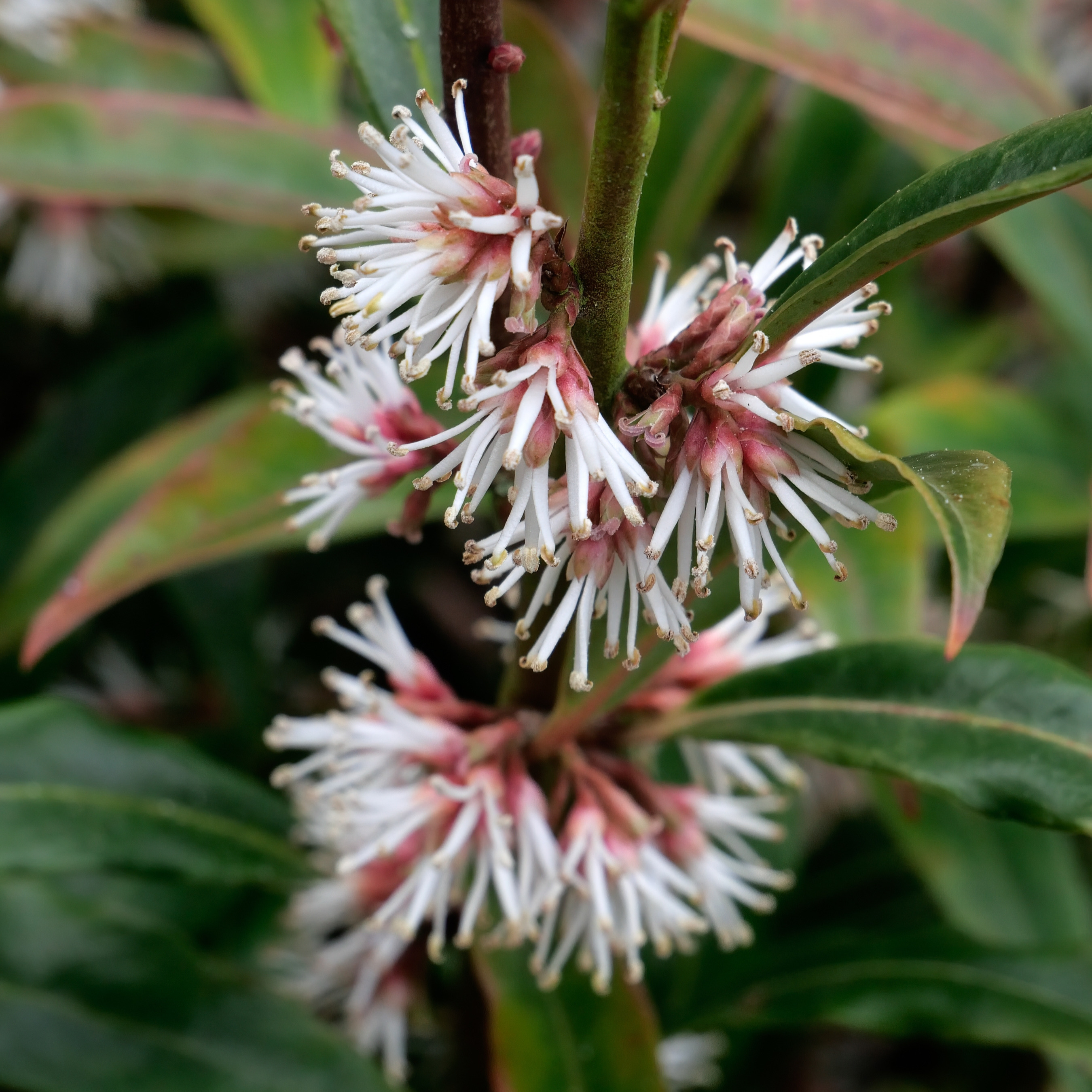
Sweet box (Sarcococca) is an excellent choice for partial or full shade. Its small, creamy-white flowers may be inconspicuous, but they produce a surprisingly rich fragrance during winter. The evergreen foliage also provides useful year-round structure.
Daphne and winter-flowering honeysuckles can also bring fragrance to the colder months, while witch hazels combine winter scent with distinctive spidery flowers.
ð· Spring Fragrance
Spring brings bulbs and flowering shrubs into the scented garden.
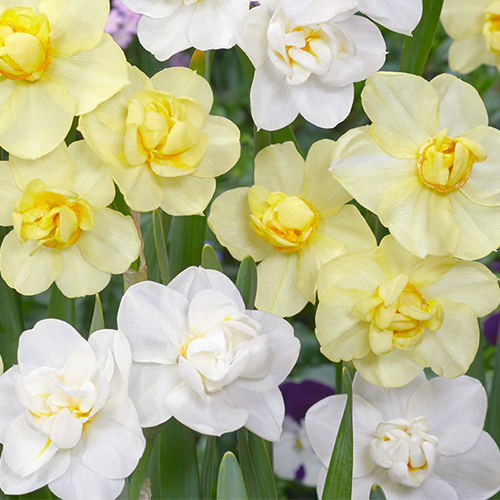
Some narcissi are notably fragrant, making them useful for pots near entrances as well as borders. Choosing scented varieties is important, as fragrance varies considerably between cultivars.
Daphne can continue the display into spring, while shrubs such as Osmanthus delavayi produce small white flowers with a strong fragrance. Gardeners’ World recommends growing osmanthus beside paths or seating where its scent can be enjoyed at close range.
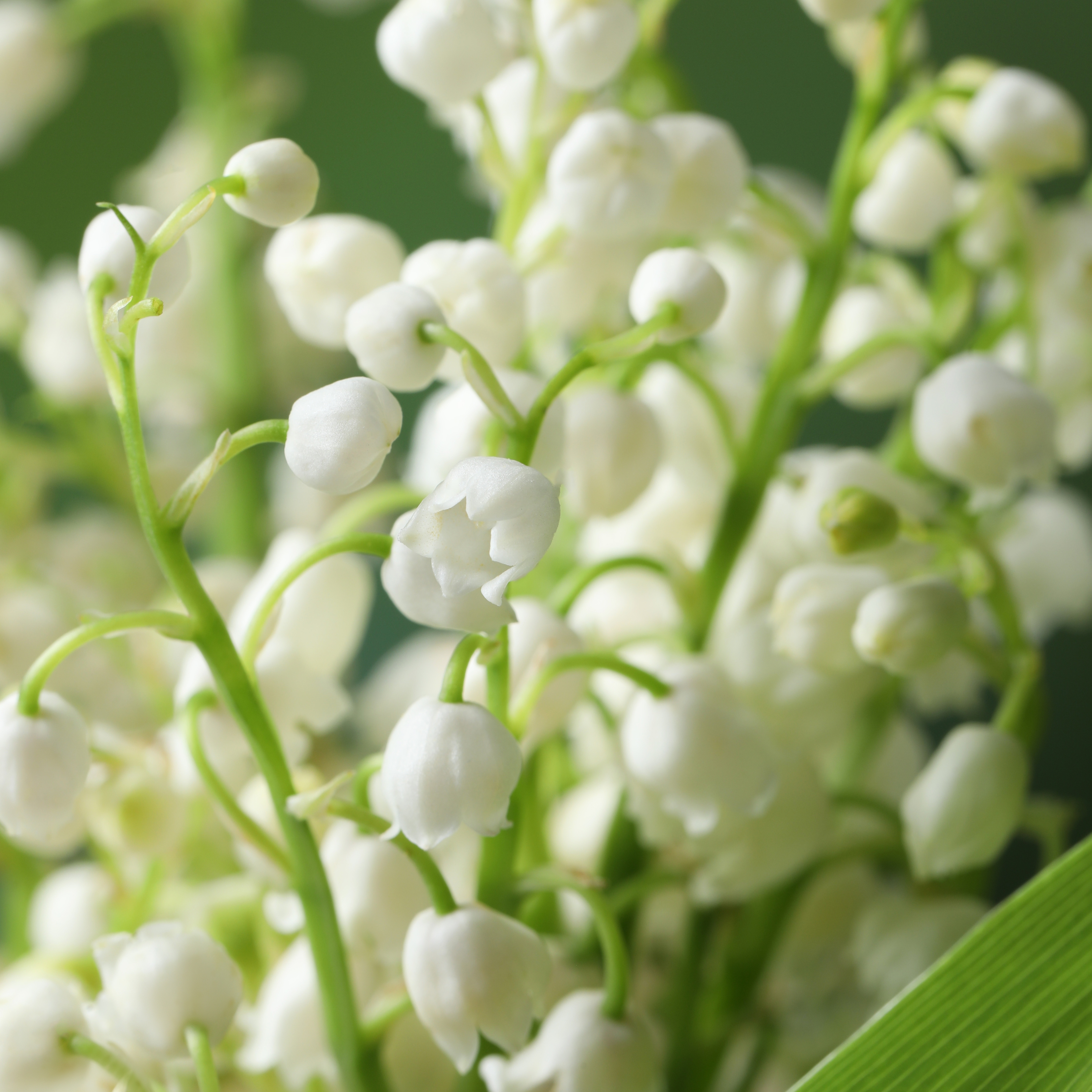
Lily of the valley (Convallaria majalis) is another traditional spring choice for a shady position, producing small white bell-shaped flowers above fresh green foliage.
âïļ Summer Fragrance
Summer is when fragrant planting really comes into its own.
Lavender thrives in sunny, freely draining positions, bringing fragrance from both its flowers and aromatic foliage.
Sweet peas provide abundant summer scent, while regular picking encourages more flowers.
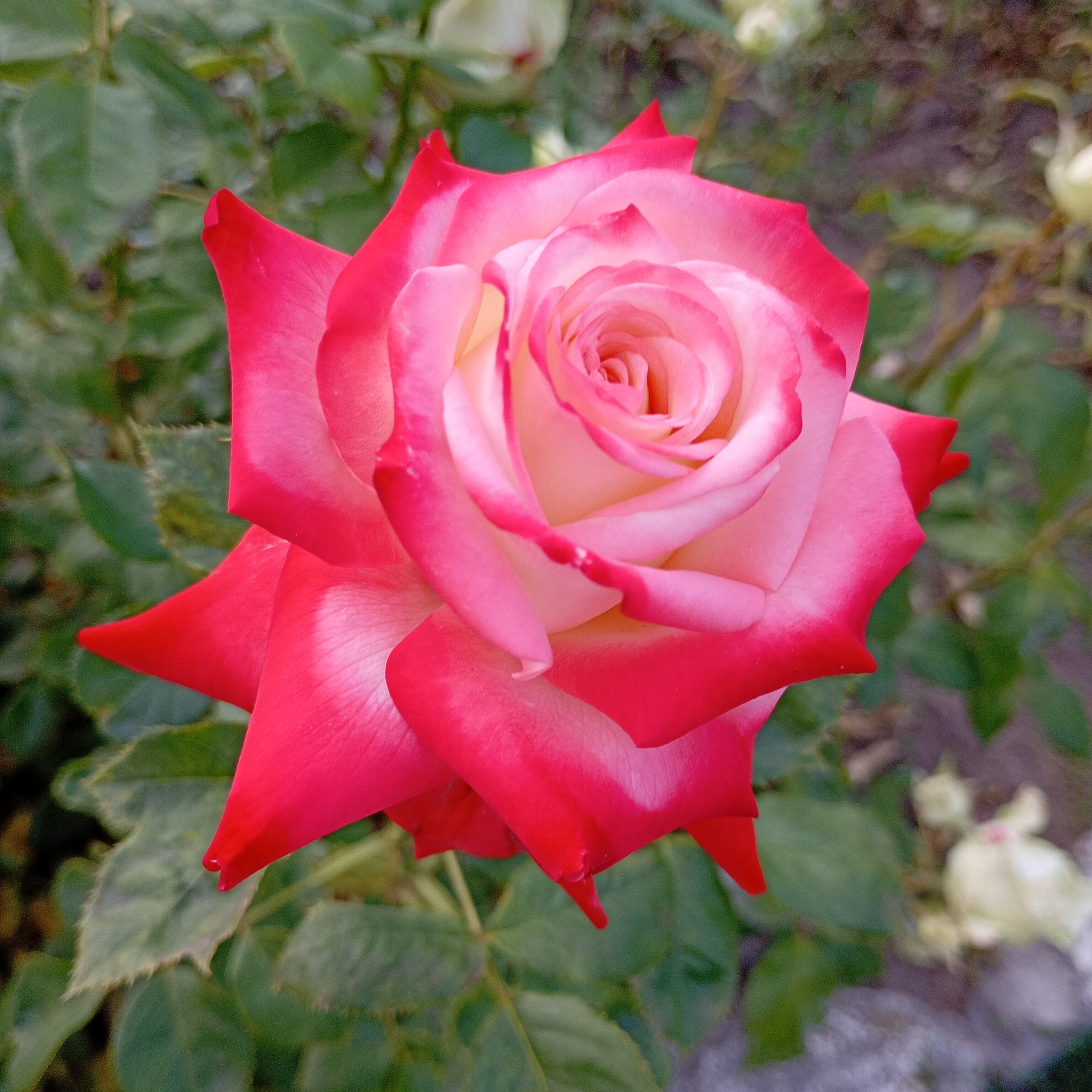
Roses offer a huge choice of colours and fragrances, although scent varies between varieties. If fragrance matters, choose a rose specifically for its perfume.
Honeysuckle and jasmine bring fragrance to walls, arches and trellis, making them particularly useful where space is limited.
ð Autumn Fragrance
Fragrance can continue well beyond summer with plants chosen for later flowering.
Oleaster (Elaeagnus à ebbingei) is an evergreen shrub with small, easily overlooked autumn flowers that are surprisingly fragrant. Holly olive (Osmanthus heterophyllus) also produces scented flowers at this time of year.
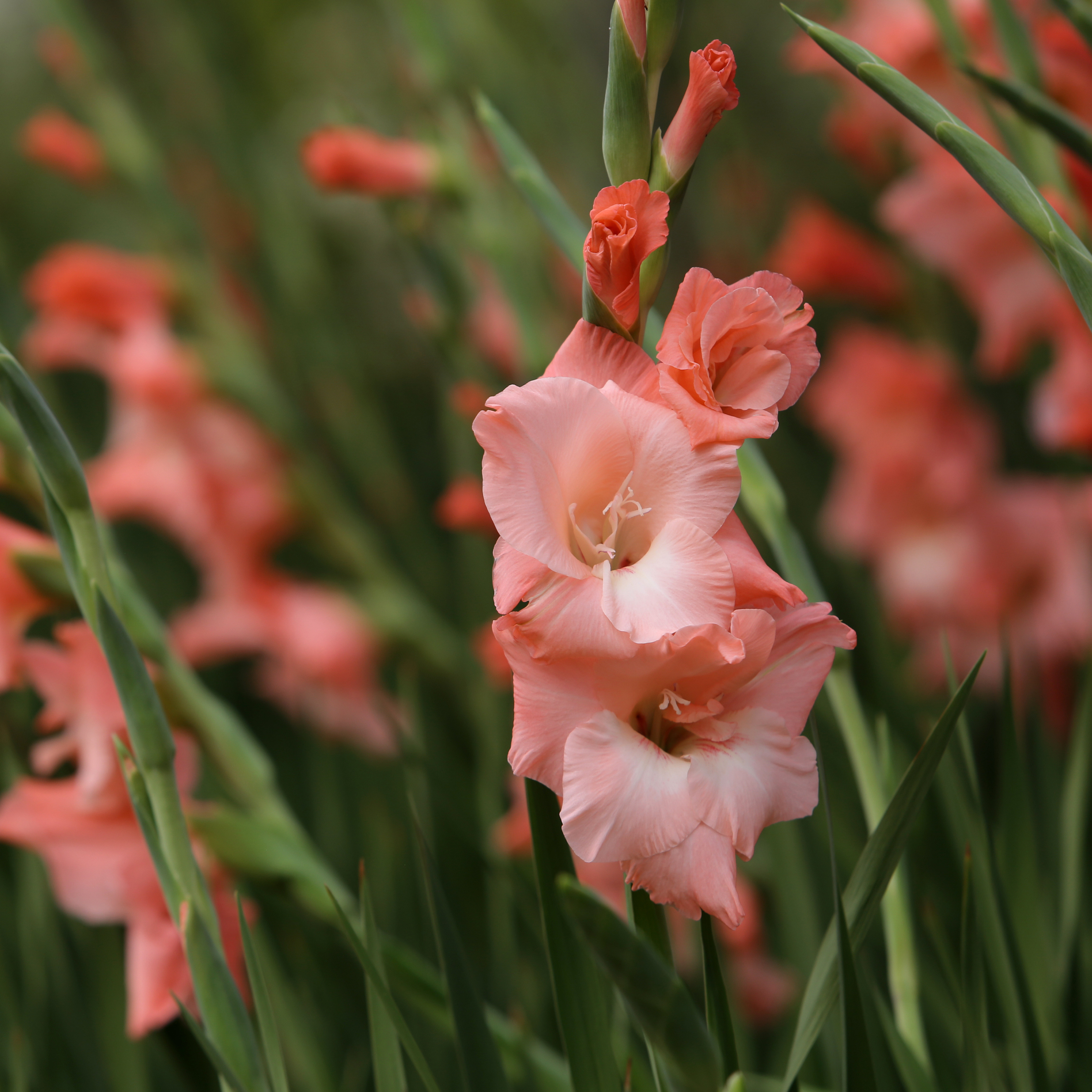
Late-flowering honeysuckles and nicotiana can continue providing scent into autumn. Gladioli can also extend the late-season display, with scented species such as Abyssinian gladiolus (Gladiolus murielae) providing fragrance from late summer into autumn.
ðŋ Herbs and Aromatic Foliage
Not all garden fragrance comes from flowers. Aromatic foliage provides scent for a much longer period and can be particularly effective where plants are touched as you move around the garden.
Lavender and rosemary are natural choices for sunny, well-drained positions. Thyme can be grown around the edges of paths and paving, while mint provides a fresh fragrance whenever its leaves are picked or gently crushed.
Mint is vigorous, so growing it in a container is usually the easiest way to prevent it spreading through neighbouring plants.
Many aromatic herbs also combine fragrance with culinary use and flowers that attract pollinating insects, making them useful additions to patios, kitchen gardens and mixed borders.
ð Expert Tip: Position aromatic plants where you can interact with them. A pot of mint beside a doorway or lavender edging a path is more likely to release its scent regularly than the same plant tucked away at the back of a border.
ðŠī Scented Plants for Pots and Small Gardens
A small garden, courtyard or patio can be an excellent place for fragrant planting. Walls and fences can help shelter the area, allowing perfume to linger rather than being immediately carried away by the wind. The RHS notes that fragrant plants can be particularly effective in smaller gardens for this reason.
Containers also make it easy to bring scented plants close to the places where they will have most impact.
Lavender, compact sweet peas, scented pelargoniums, herbs and fragrant seasonal bedding can all work well in pots. Spring bulbs can provide an early burst of perfume before summer containers take over.
Climbers are another useful option where ground space is limited. A scented honeysuckle or jasmine trained vertically can provide substantial flower power without occupying a large area at ground level.
When choosing plants for containers, consider their eventual size as well as their fragrance. A plant that naturally remains compact will generally be easier to maintain in a pot than a vigorous shrub or climber that quickly outgrows its space.
ðģ Scented Plants for Shade
A lack of direct sun does not rule out fragrance. Several scented plants grow happily in partial or dappled shade, including:
- Sweet box for strongly scented winter flowers and evergreen foliage
- Lily of the valley for fragrant spring flowers and low-growing ground cover
- Honeysuckle for summer fragrance and vertical interest in partial or dappled shade
Match the plant to the type of shade as well as the light level. Soil beneath established trees, for example, can be considerably drier than a sheltered north-facing border, so plants need to suit both the light and soil conditions.
ð Add Fragrance to Summer Evenings
If you use the garden after work or enjoy sitting outside on summer evenings, it is worth including plants whose fragrance becomes more noticeable later in the day.
Night-scented stock, nicotiana, evening-scented honeysuckles and some jasmines can become particularly fragrant as daylight fades. Many night-scented flowers have evolved to attract moths and other nocturnal pollinators.
Grow them around a patio, beside a frequently used path or near an open window so their scent reaches the places where you spend time.
ð Expert Tip: Warm, still conditions tend to make floral fragrance more noticeable. A sheltered patio can therefore be an excellent place for evening-scented plants, especially when several varieties flower at slightly different times.
ðą Choose the Right Plant for the Right Place
Fragrance is important, but it should not be the only consideration when choosing a plant. A scented plant struggling in unsuitable conditions will rarely perform as well as one matched properly to its position.
Before buying, check:
- how much sun or shade the plant needs
- whether the soil is free-draining or moisture-retentive
- the plant’s eventual height and spread
- its flowering season
- whether it is suitable for a container
- how strongly scented the particular species or cultivar is
This last point is particularly important. Fragrance can vary significantly between varieties of roses, narcissi, petunias and other plants. If scent is your priority, choose a variety specifically described as fragrant rather than relying on the plant name alone.
Visit Our Garden Centre
Scented plants can bring interest to sunny borders, shady corners, patios, entrances and even the smallest outdoor spaces. Choosing plants for different seasons and positioning them carefully will help you enjoy their fragrance for much more of the year.
We stock a changing seasonal selection of shrubs, perennials, climbers, herbs, bulbs and container plants, with plenty of options for adding fragrance to different parts of the garden.
Visit us in Kington. Explore our range of scented plants and find varieties suited to the light, soil and space available in your garden.