
Growing Herbs At Home

Growing Herbs at Home: A Guide to Fresh, Flavourful Herbs All Year Round

Growing herbs is an enjoyable way to keep fresh ingredients close at hand while adding attractive planting to your garden or home. Many popular culinary herbs thrive in pots, raised beds and sunny windowsills with very little space.

From basil and parsley to rosemary, thyme and mint, herbs provide fresh flavour throughout the growing season. 

Close-up of a mixed herb leaves.

🌿 Why Grow Herbs at Home?

Few gardening projects offer as much reward for so little effort. Herbs are compact, productive and incredibly versatile. Many can be harvested for months at a time, and some, such as rosemary and thyme, provide year-round interest in the garden.

Growing your own herbs also means you’ll always have fresh ingredients to hand. Instead of buying supermarket packets that may only last a few days, you can simply pick what you need and leave the rest growing.

As an added bonus, flowering herbs attract pollinators, helping to support biodiversity throughout your garden.

👉 Expert Tip: Harvest herbs little and often. Regular picking encourages fresh growth and helps plants remain bushy and productive throughout the season.

🌱 Best Herbs to Grow at Home

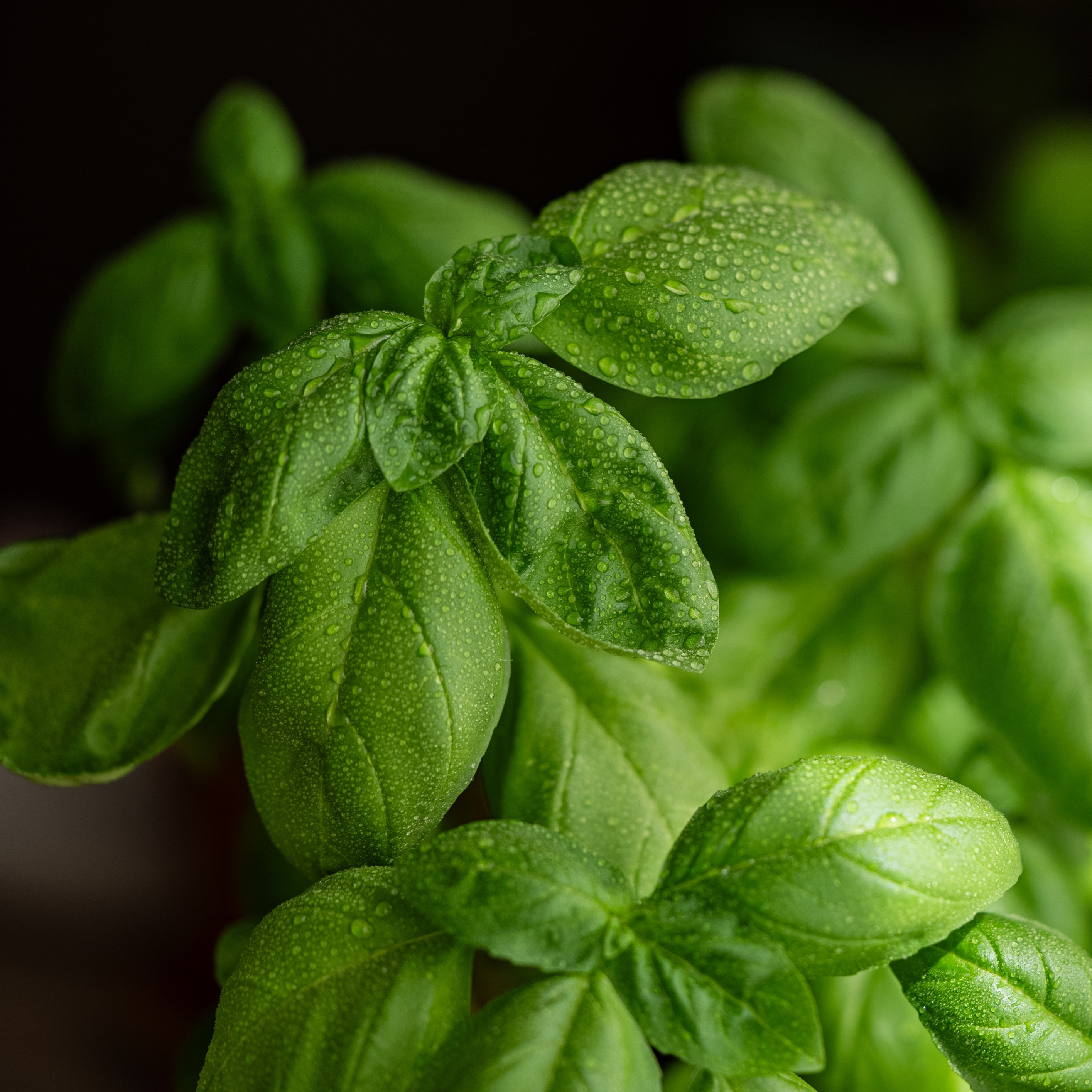
Basil

A favourite in Mediterranean cooking, basil is essential for pesto, pasta dishes and fresh summer salads.

Growing requirements:

  • Warm, bright position
  • Consistently moist compost
  • Protection from cold temperatures
  • Regular harvesting to encourage new leaves
Close-up of basil leaves. A culinary herb.
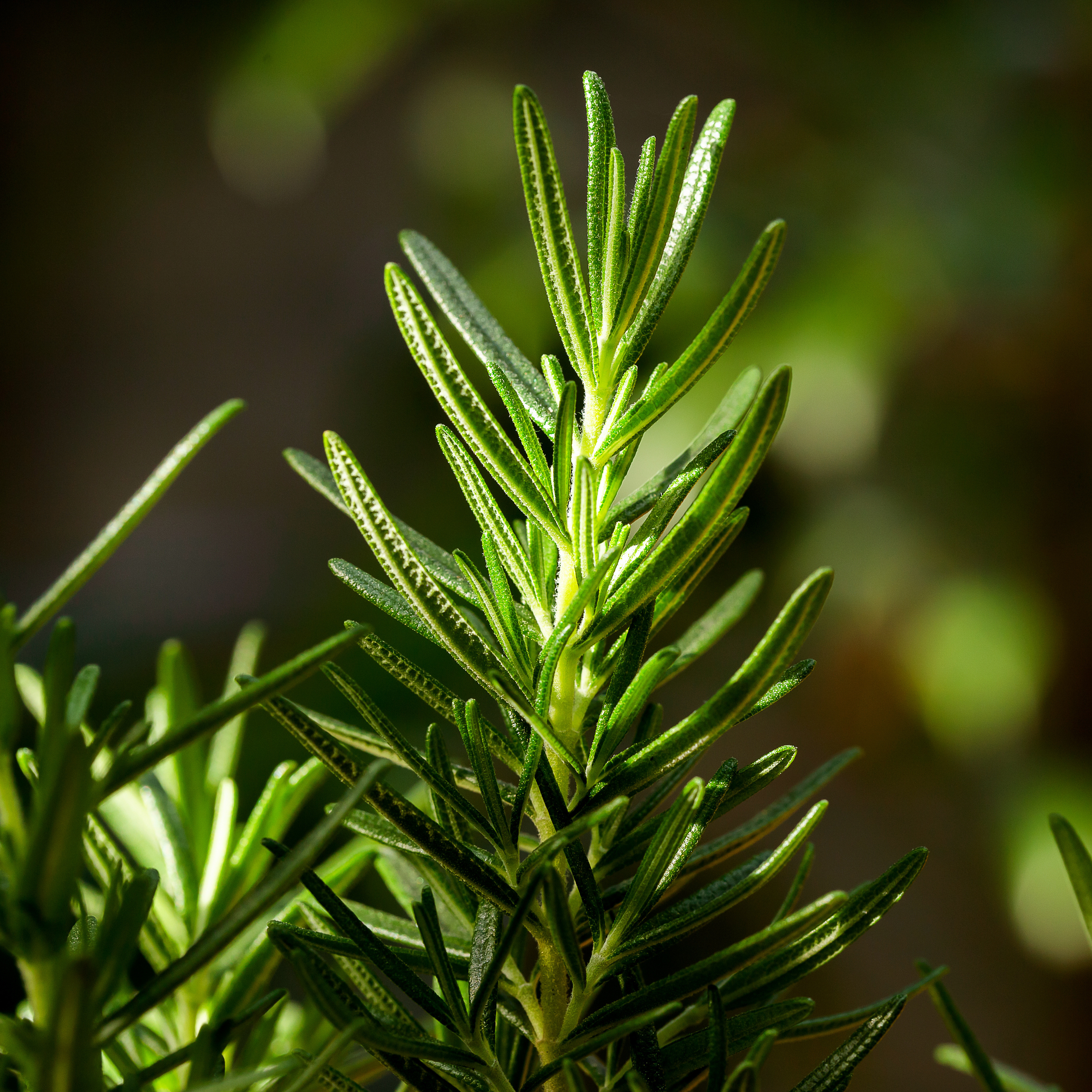
A close-up of rosemary. A culinary herb

Rosemary

Rosemary is a hardy evergreen herb with fragrant leaves that pair beautifully with roast meats, vegetables and breads.

Growing requirements:

  • Full sun
  • Well-drained soil
  • Minimal watering once established
  • Shelter from prolonged winter wet

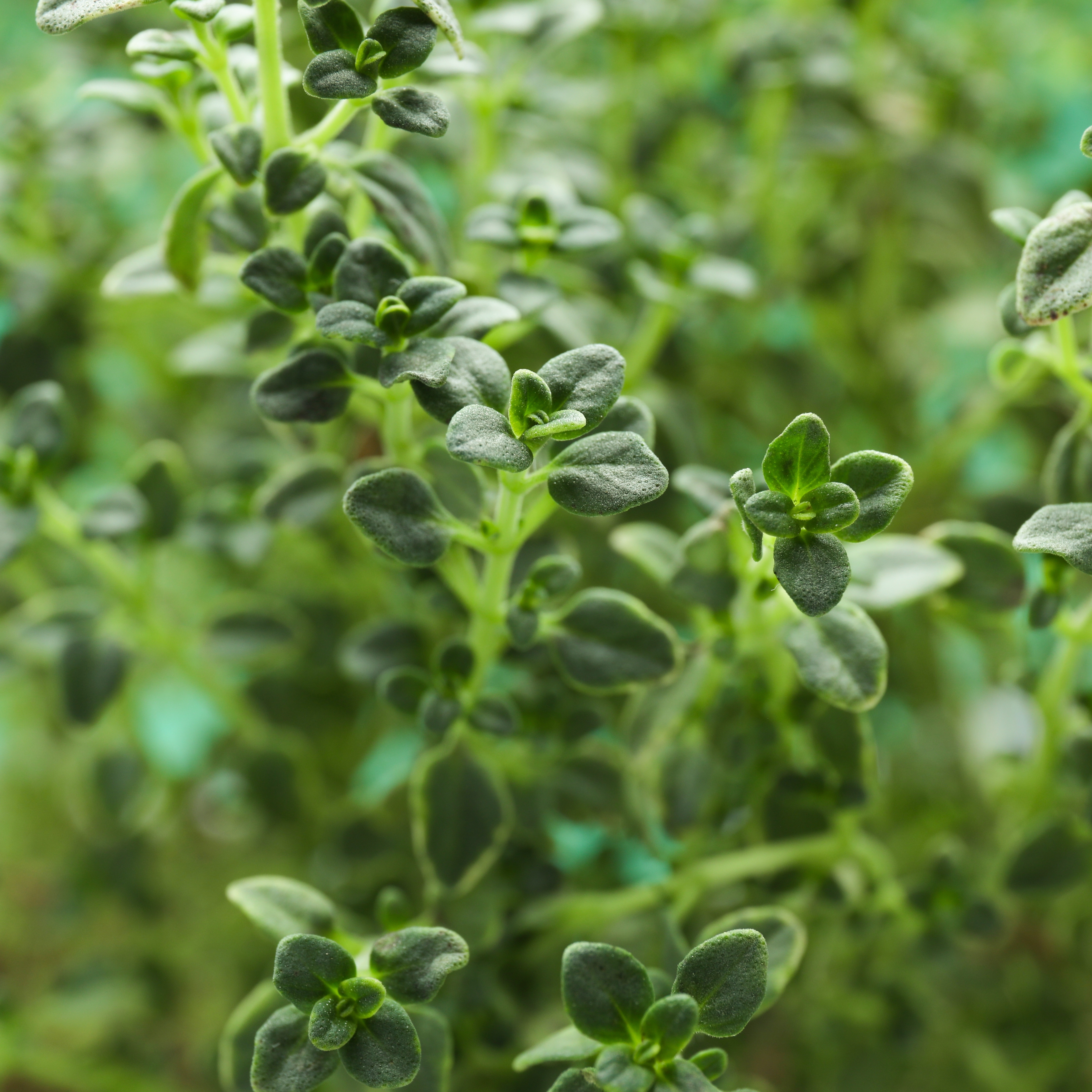
Thyme

Compact and easy to grow, thyme is perfect for containers, herb gardens and gravel gardens. Its flowers are highly attractive to pollinating insects.

Growing requirements:

  • Sunny position
  • Free-draining soil
  • Light trimming after flowering
A close-up of thyme. A culinary herb
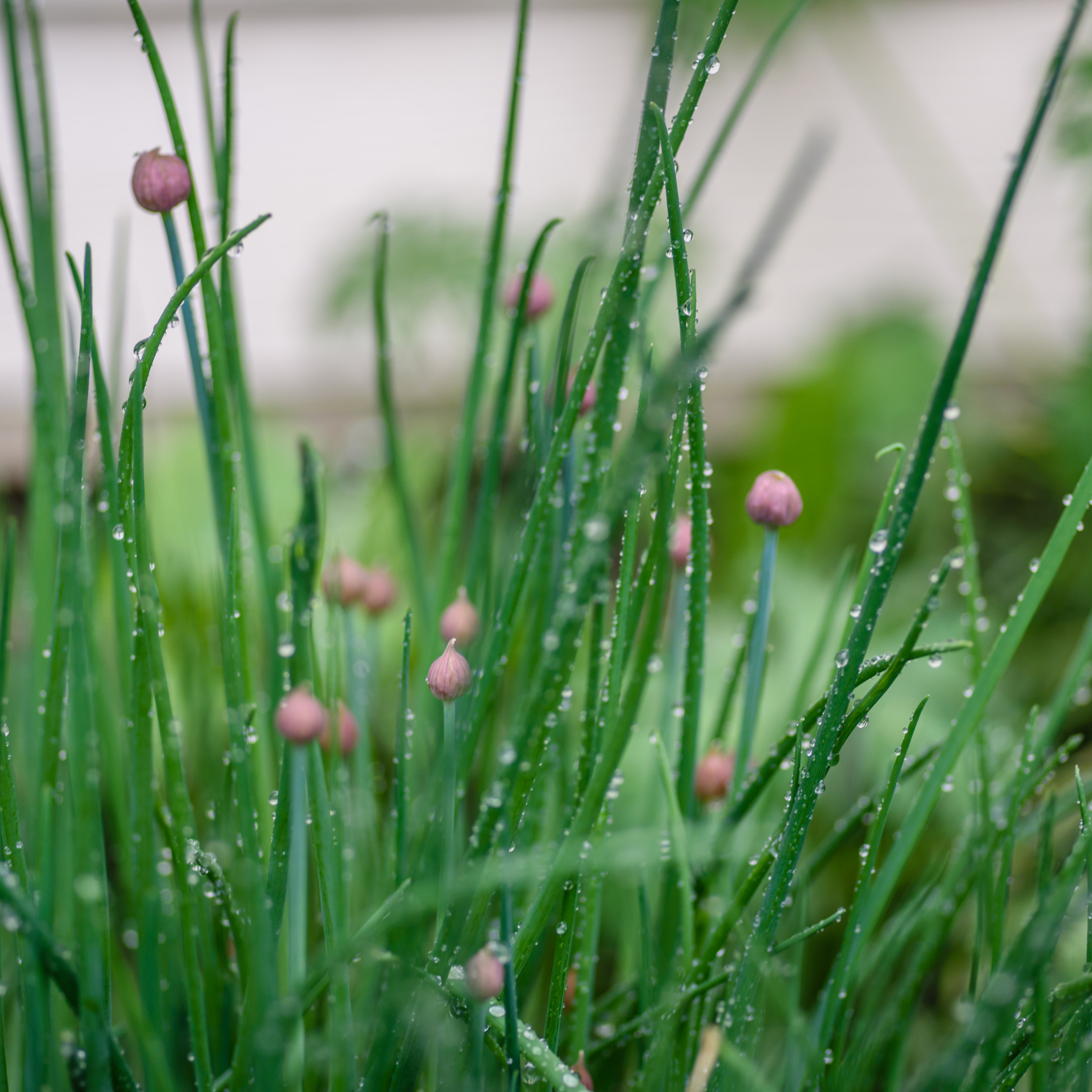
A close-up of chives. A culinary herb

Chives

Chives are reliable, productive and packed with flavour. Their edible purple flowers also make an attractive addition to summer salads.

Growing requirements:

  • Sun or light shade
  • Moist but well-drained soil
  • Regular harvesting

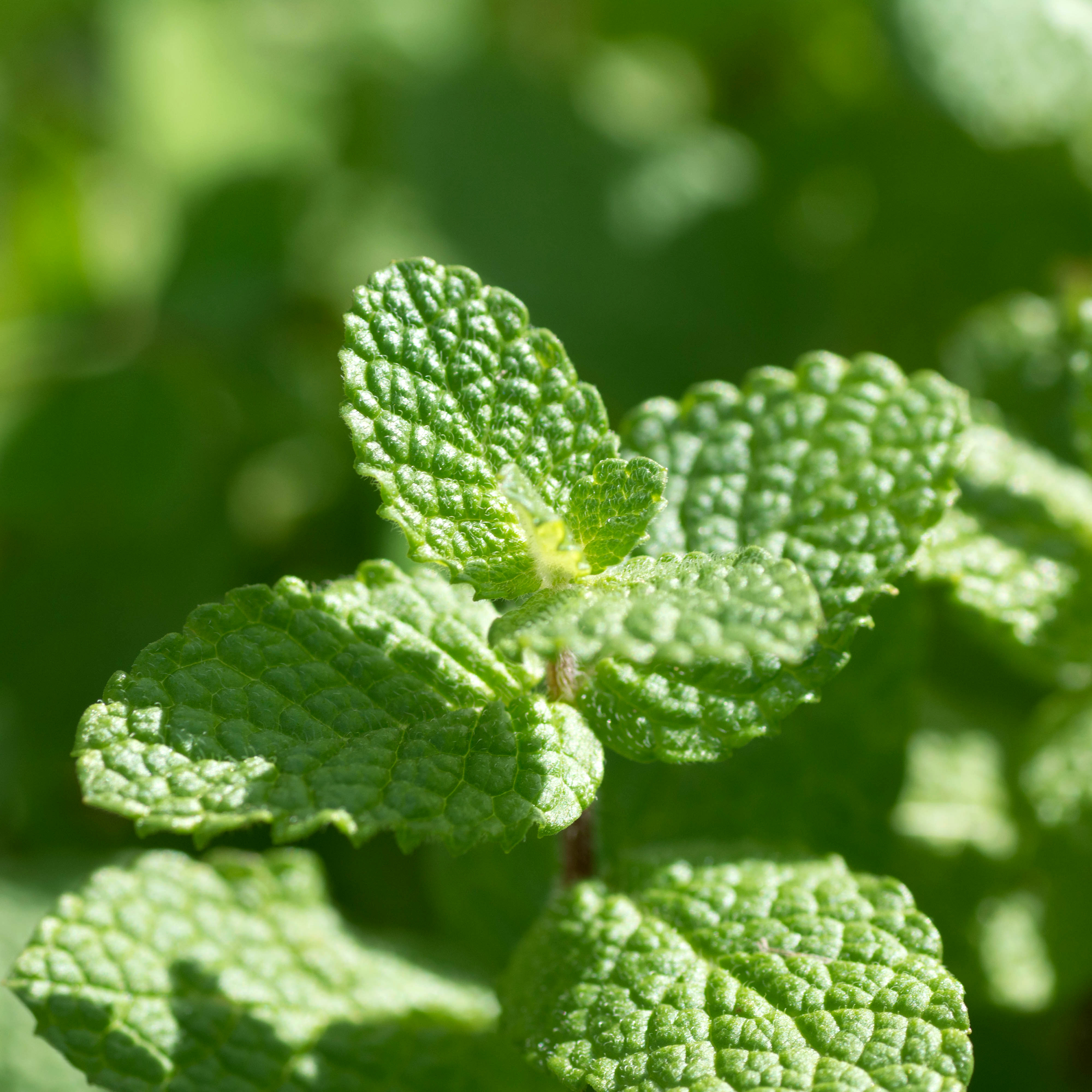
Mint

One of the easiest herbs to grow, mint is ideal for teas, desserts and savoury dishes. Because it spreads vigorously, it’s usually best grown in a container.

Growing requirements:

  • Sun or partial shade
  • Consistent moisture
  • Container growing recommended
A close-up of mint. A culinary herb
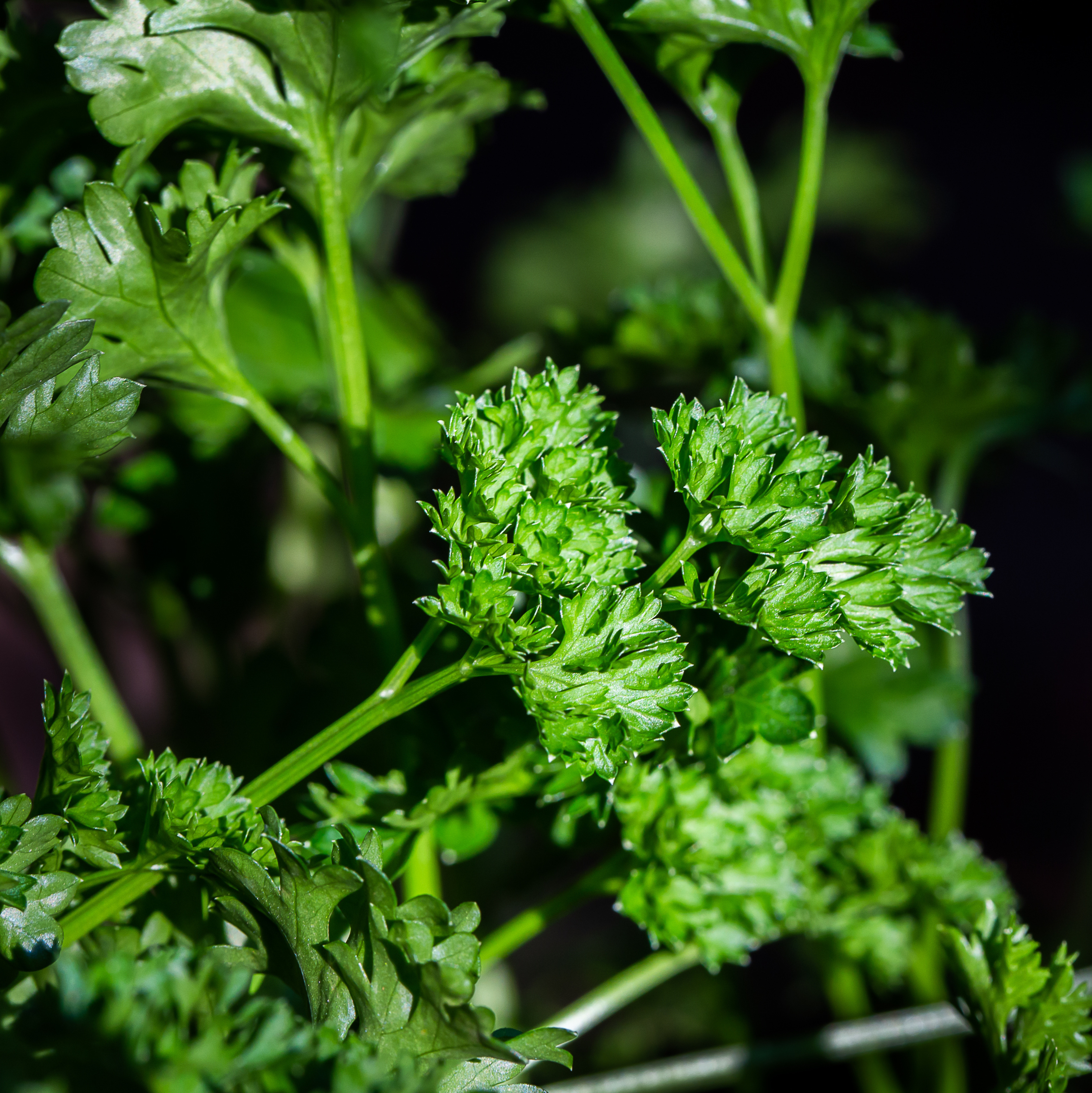
A close-up of curly parsley. A culinary herb

Parsley

Parsley is one of the most versatile culinary herbs and will happily grow in conditions that are slightly shadier than many other herbs.

Growing requirements:

  • Moist fertile soil
  • Sun or partial shade
  • Regular harvesting

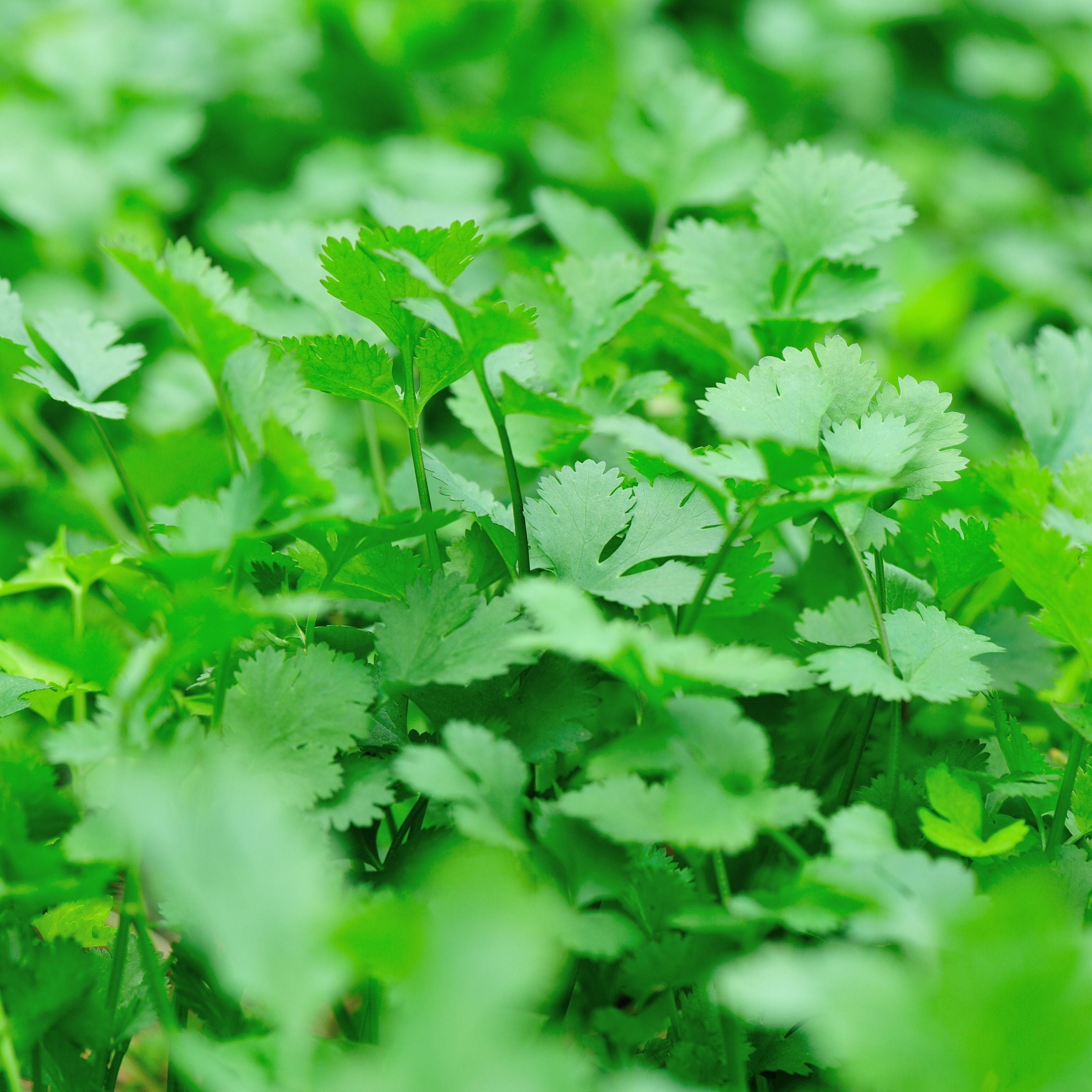
Coriander

Popular in Asian, Indian and Middle Eastern cooking, coriander provides both leaves and seeds for the kitchen.

Growing requirements:

  • Moist soil
  • Regular watering
  • Successional sowing every few weeks
A close-up of coriander. A culinary herb
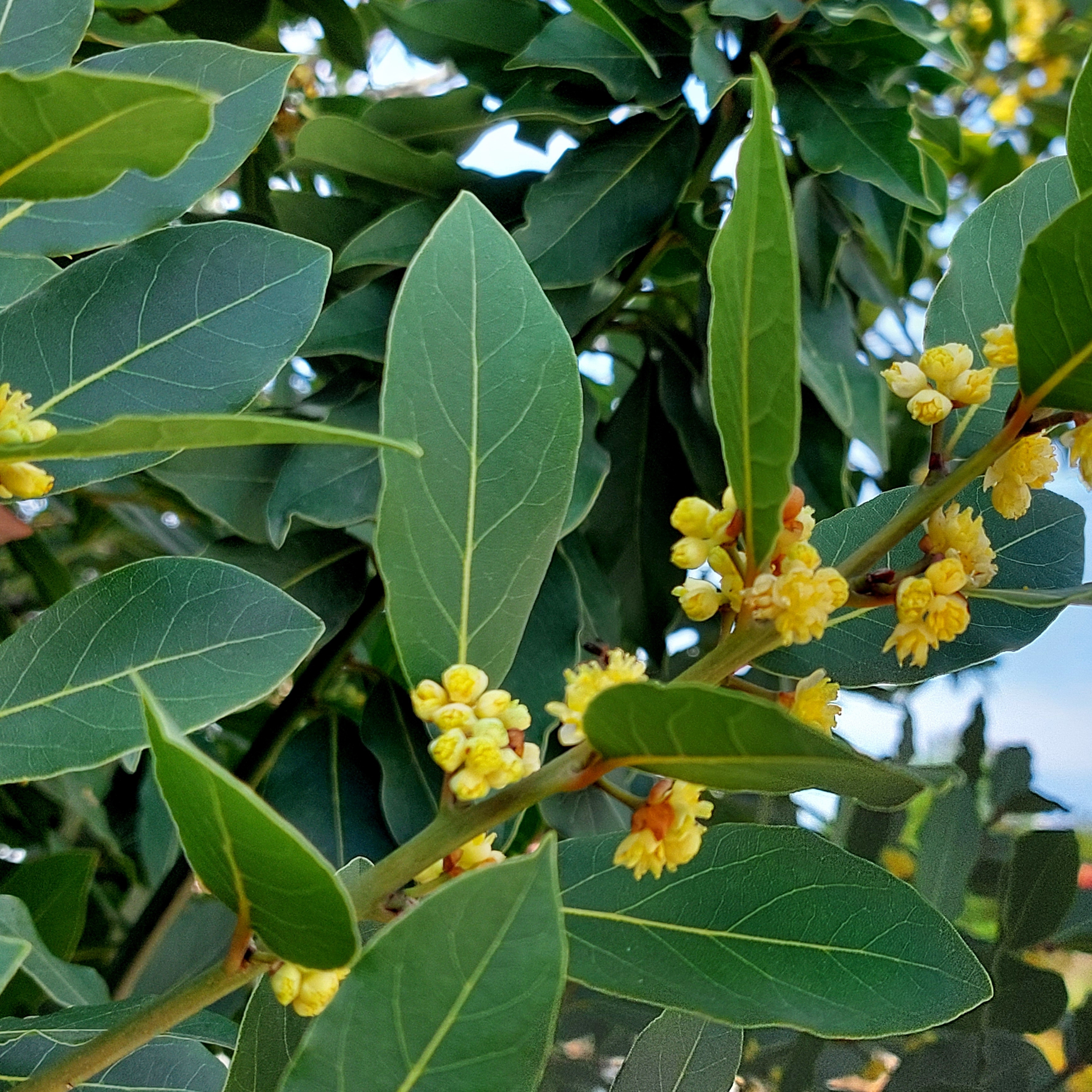
A close-up of bay. A culinary herb

Bay

Bay is a versatile evergreen shrub whose aromatic leaves are widely used to flavour soups, stews and slow-cooked dishes. It also makes an attractive feature plant in pots.

Growing requirements:

  • Full sun or partial shade
  • Well-drained soil
  • Ideal for containers and topiary shaping

🪴 Growing Herbs Successfully Indoors and Outdoors

One of the great advantages of herbs is their versatility. Whether you have a sunny kitchen windowsill, a patio filled with containers or a dedicated herb garden, there’s a herb to suit every growing space.

Most herbs need plenty of light to thrive. Indoors, a bright windowsill is usually ideal, while outdoors, a sunny, sheltered position will produce the best results. Mediterranean herbs such as rosemary and thyme prefer free-draining soil and slightly drier conditions, whereas basil, parsley and mint appreciate more regular watering.

For the best results:

  • Use pots with drainage holes or plant in well-drained soil.
  • Position herbs where they receive plenty of natural light. Rotate indoor herb pots every few days to encourage even growth and prevent plants leaning towards the light.
  • Avoid overwatering, particularly rosemary and thyme.
  • Ensure good airflow around plants.
  • Harvest regularly to encourage fresh growth.

If your garden soil is heavy clay, consider growing herbs in containers or raised beds where drainage can be controlled more easily. Allowing some herbs to flower can also attract bees, butterflies and other pollinators, bringing additional wildlife into your garden.

If space is limited, a vertical herb garden is a fantastic solution. A simple planter made from a reclaimed wooden pallet can provide plenty of room for your favourite herbs while taking up very little ground space. Position it in a sunny spot, ensure good drainage and fill it with herbs you use most often for easy harvesting throughout the growing season.

👉 Pro Tip: Position frequently used herbs such as basil, parsley and chives at waist height in a vertical planter for quick and convenient harvesting while cooking.

🌿 How to Propagate Herbs

Many herbs can be multiplied easily, allowing you to expand your collection without buying additional plants.

Mint and basil are particularly simple to propagate. Just take a healthy stem, remove the lower leaves and place it in water. Within a few weeks roots should begin to develop, after which the cutting can be planted into compost.

Rosemary can also be propagated from cuttings, while herbs such as coriander can be allowed to flower and set seed for future sowing.

Propagation is a great way to maintain a continuous supply of your favourite herbs year after year.

🍃 Drying Herbs for Winter Storage

Drying herbs is one of the simplest ways to enjoy homegrown flavour throughout the year. In many cases, dried herbs develop a more concentrated flavour than fresh ones.

Effective drying methods include:

Air Drying

Tie herbs into small bundles and hang them in a warm, dry room with good airflow. This traditional method usually takes one to two weeks and helps preserve their natural flavour and aroma.

Oven Drying

Spread herbs in a single layer on a baking tray or wire rack and dry them at a low temperature, around 80°C, until the leaves become crisp. Check them regularly to avoid overdrying and allow them to cool completely before storing.

Microwave Drying

Ideal for small quantities, microwave drying is quick and convenient. Place clean, dry leaves between two sheets of kitchen paper and microwave in short bursts, checking frequently until the herbs are crisp and fully dry.

🫙 Storing Dried Herbs

Allow herbs to cool completely before storing them in clean, airtight glass jars or sealed containers. Keep them in a cool, dark cupboard away from direct sunlight and moisture, as both reduce flavour over time.

Label each jar with the herb name and the date it was dried. For the best flavour, aim to use home-dried herbs within twelve months and replace them with a fresh harvest each season.

🌟 Getting the Most from Your Herb Garden

The secret to successful herb growing is choosing the herbs you use most often and harvesting them regularly. Most herbs require little maintenance once established and will reward you with months of fresh flavour, whether grown indoors, outdoors or in containers.

👉 Expert Tip: Pick herbs just before cooking whenever possible. Freshly harvested leaves contain the highest concentration of flavour and aroma.

🌿 Visit Our Garden Centre in Kington

Fresh herbs are a practical and rewarding addition to any garden, providing homegrown flavour throughout much of the year.

👉 Visit us in Kington today. Explore our extensive range of herb plants, seeds and growing essentials, and start creating your own thriving herb garden at home.