Simple ways to grow a thriving, beautiful garden using containers and planters.
Container gardening makes it possible to grow flowers, herbs, fruit and vegetables in almost any outdoor space. Whether you have a spacious garden, a sunny patio, a balcony, courtyard or simply room for a few pots by the front door, containers provide a practical way to create colourful displays and productive growing spaces.
Choosing suitable containers, quality compost and the right plants for your conditions will help them thrive throughout the growing season. Container gardening also makes it easier to control soil conditions, move plants as the seasons change and grow successfully where traditional garden beds are limited or unavailable.
🌿 Why Container Gardening is So Popular
Container gardening offers a practical way to grow almost any type of plant wherever you have enough sunlight and space for a pot or planter. It allows you to create colourful displays, grow your own food and experiment with different planting combinations without committing to permanent borders.
Some of the main advantages include:
Ideal for patios, balconies, courtyards and small gardens
Easy to move and rearrange as the seasons change
Better control over compost quality and drainage
Less weeding than traditional borders
Suitable for renters and temporary gardens
Easy to add instant colour and structure
Perfect for growing flowers, herbs, fruit and vegetables together
Larger containers are often the easiest to manage because they hold more compost, retain moisture for longer and provide plants with more room to establish healthy root systems.
👉 Expert Tip: Choose the largest container your space comfortably allows. Larger pots require less frequent watering during summer and are generally easier to manage than smaller containers.
🪴 Planning a Beautiful Container Garden
A little planning before you start planting will help your containers look better and perform more successfully throughout the season.
Think about:
How much direct sunlight your space receives each day
Whether you want ornamental displays, edible crops or a combination of both
How often you’ll be able to water during warm weather
Whether you want permanent displays or containers that change with the seasons
Combining ornamental plants with herbs, vegetables and edible flowers is an excellent way to create displays that are both attractive and productive.
🏺 Choosing the Right Container
Different plants suit different containers. Selecting the right size and material will make growing easier and help plants stay healthy for longer.
Traditional Pots
Terracotta, glazed ceramic and plastic pots all have their advantages.
Terracotta is naturally breathable and suits many Mediterranean plants, although it dries out more quickly during hot weather. Plastic pots are lightweight, retain moisture well and are easy to move around the garden, while glazed containers combine attractive appearance with improved moisture retention.
Window Boxes and Hanging Baskets
Window boxes and hanging baskets are ideal where space is limited.
Trailing plants soften hard edges beautifully, while herbs, strawberries and compact flowering plants all perform well in these smaller containers. Because they contain less compost, they usually require more frequent watering during summer.
Raised Planters and Troughs
Raised planters and troughs provide generous growing space for mixed planting schemes, herbs, vegetables and seasonal bedding plants.
They are particularly useful on patios and paved gardens where they can soften hard landscaping and introduce colour at different heights.
Grow Bags
Grow bags are another excellent option for container gardening, particularly if you’re growing vegetables.
Modern fabric grow bags are lightweight, reusable and easy to position around the garden. Many include sturdy handles, making them easier to move before planting, while the breathable fabric encourages good drainage and allows roots to develop naturally throughout the compost.
Look for durable fabric, reinforced handles and quality stitching if you intend to reuse grow bags over several seasons.
📏 Choosing the Right Size
Selecting an appropriately sized container allows plants to establish stronger root systems and reduces the need for frequent watering.
Plant
Recommended Size
Herbs and salad leaves
10–15 litres
Strawberries
15–20 litres
Tomatoes and peppers
20–30 litres
Courgettes and aubergines
30–40 litres
Potatoes
40 litres or larger
👉 Expert Tip: Place containers where they will remain for most of the season before filling them with compost.
🌸 Create Colour with Easy Container Plants
A successful container garden combines different shapes, textures and flowering seasons to create year-round interest.
☀️ Best plants for sunny containers
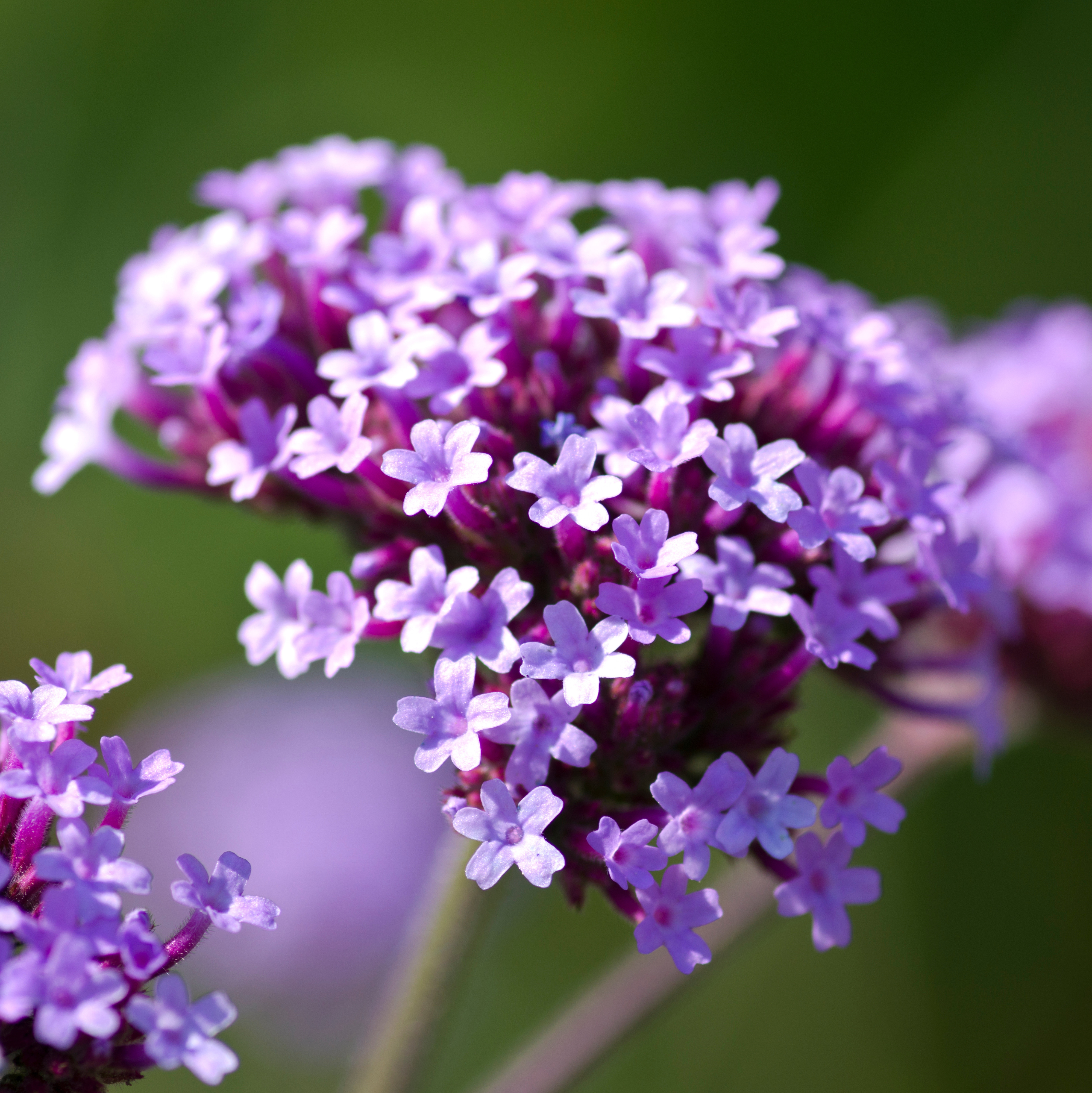
Verbena bonariensis ‘Lollipop’
This compact verbena produces masses of delicate purple flowers loved by bees and butterflies.
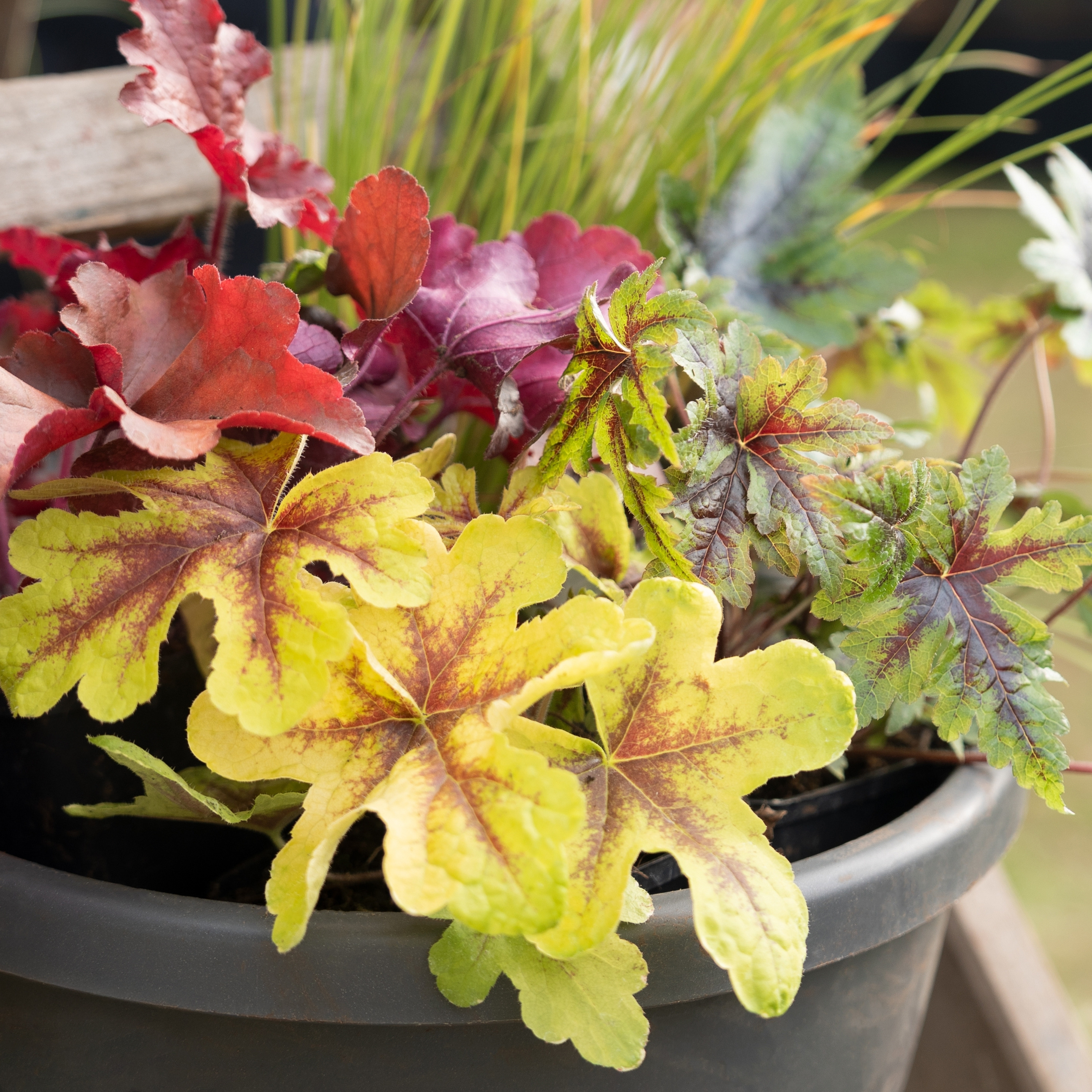
Heucheras
Heucheras provide colourful foliage throughout the year and work beautifully in mixed planters.
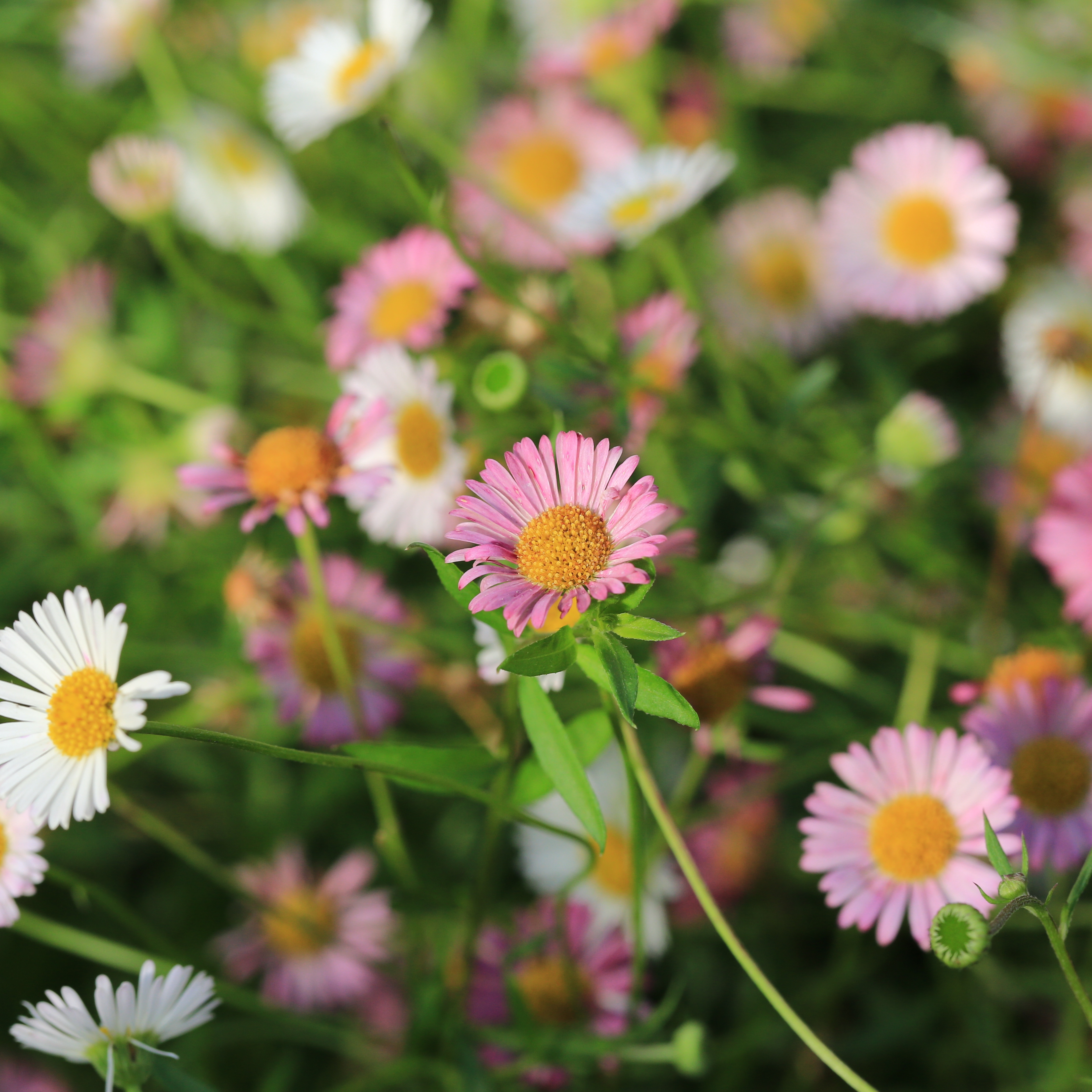
Erigeron karvinskianus
Also known as Mexican fleabane, this trailing perennial softens container edges with clouds of daisy-like flowers.
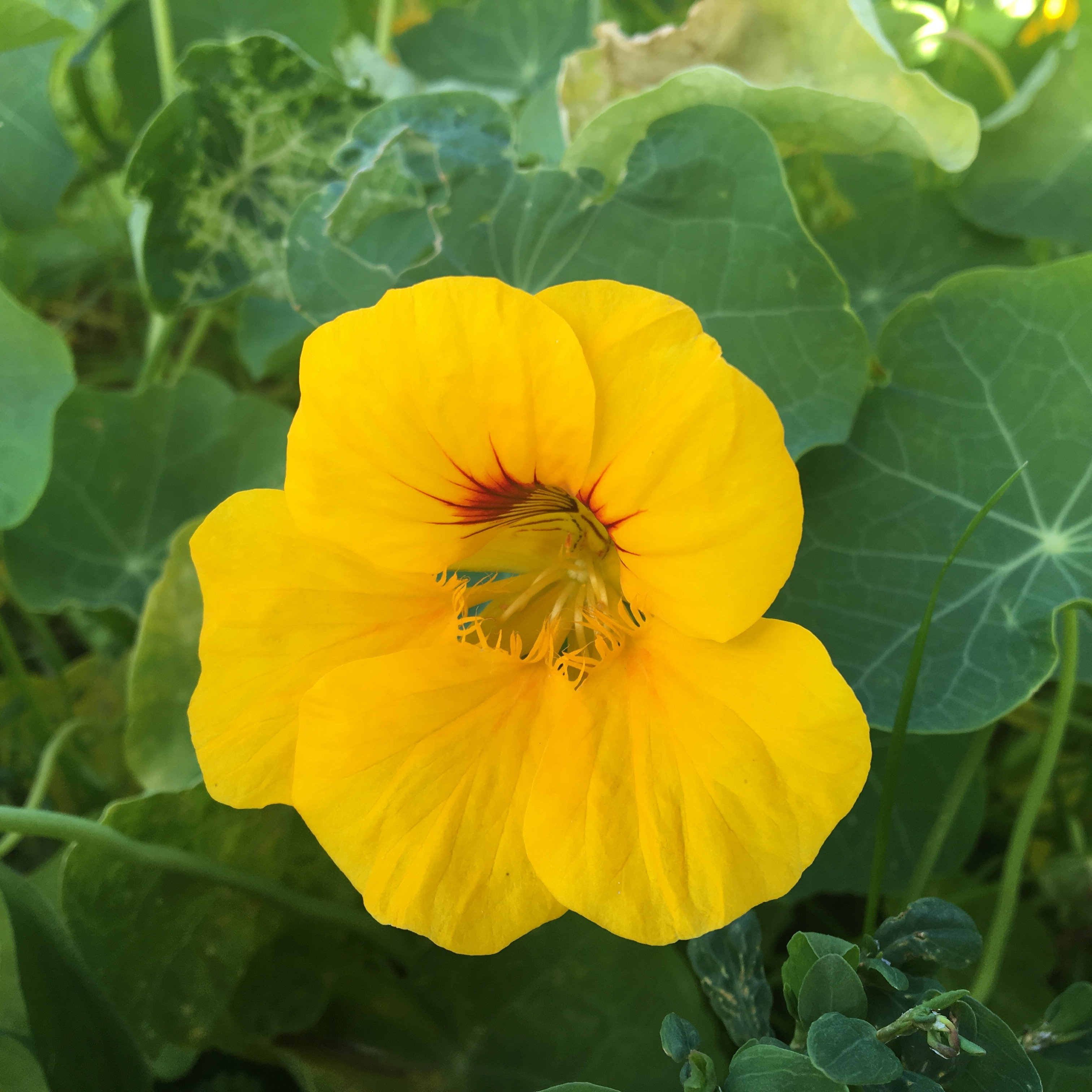
Nasturtiums
Easy to grow and wonderfully vibrant, nasturtiums spill beautifully from containers and hanging baskets.
Keeping your container plants healthy is simple once you understand the basics. Regular watering, feeding and occasional repotting will help your plants thrive throughout the growing season.
Watering Tips
Containers dry out quickly during warm weather
Water deeply rather than little and often
Check compost moisture regularly
Water early morning or evening for best results
Feeding Tips
Most container plants need feeding after 4 to 6 weeks
Flowering plants benefit from high-potash fertiliser
Always water compost before applying liquid feed
Drainage Tips
Ensure containers have drainage holes
Add crocks or stones to the bottom of pots
Raise pots slightly during winter to avoid waterlogging
🔄 When to Repot Container Plants
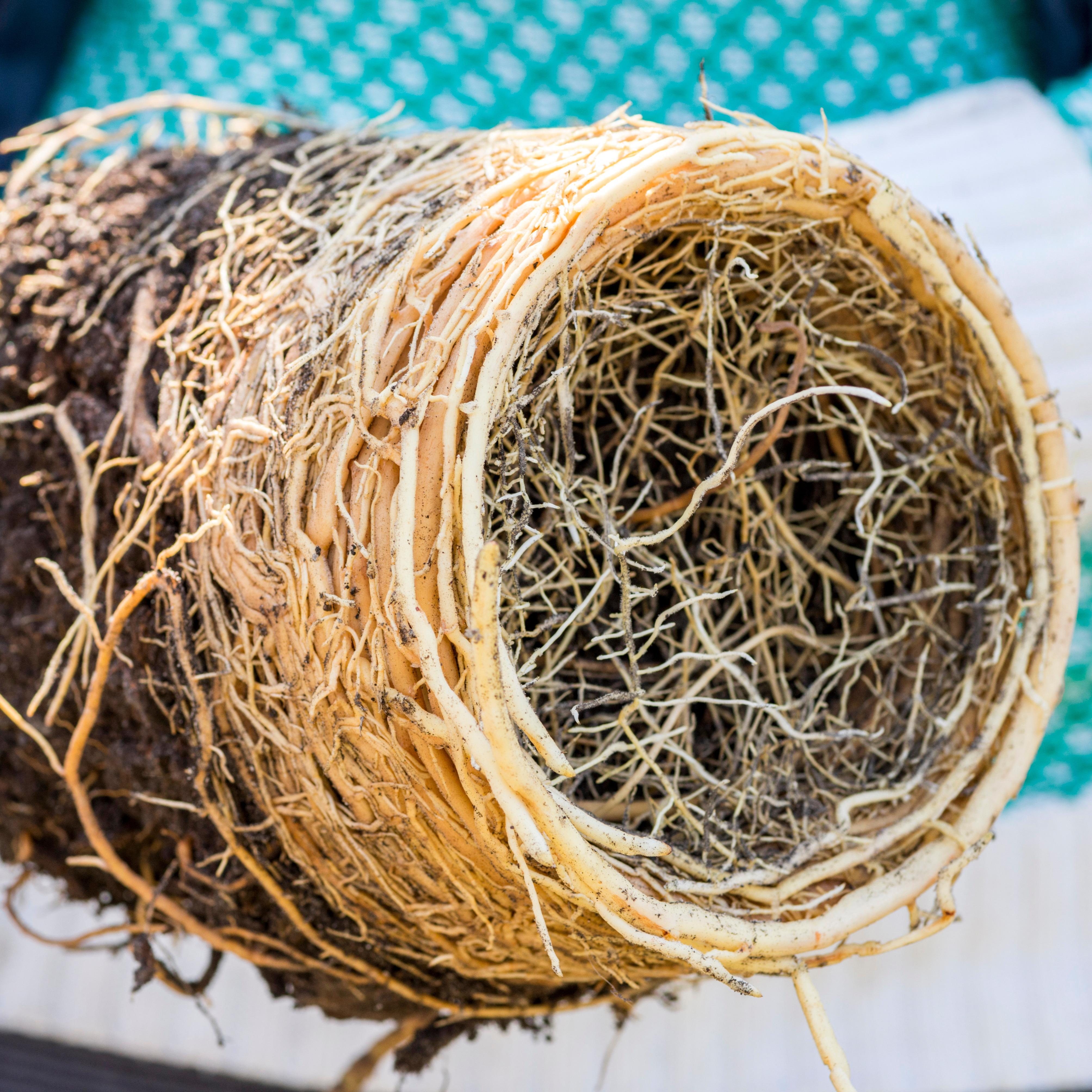
Repotting helps container plants stay healthy, productive and full of vigour. Over time, plants can become rootbound, meaning their roots have filled the pot and no longer have enough space to grow properly.
Signs Your Plant Needs Repotting
Your plant may need a larger container if you notice:
roots growing through drainage holes
poor growth or yellowing leaves
compost drying out very quickly
reduced flowering or fewer fruits
roots tightly circling inside the pot
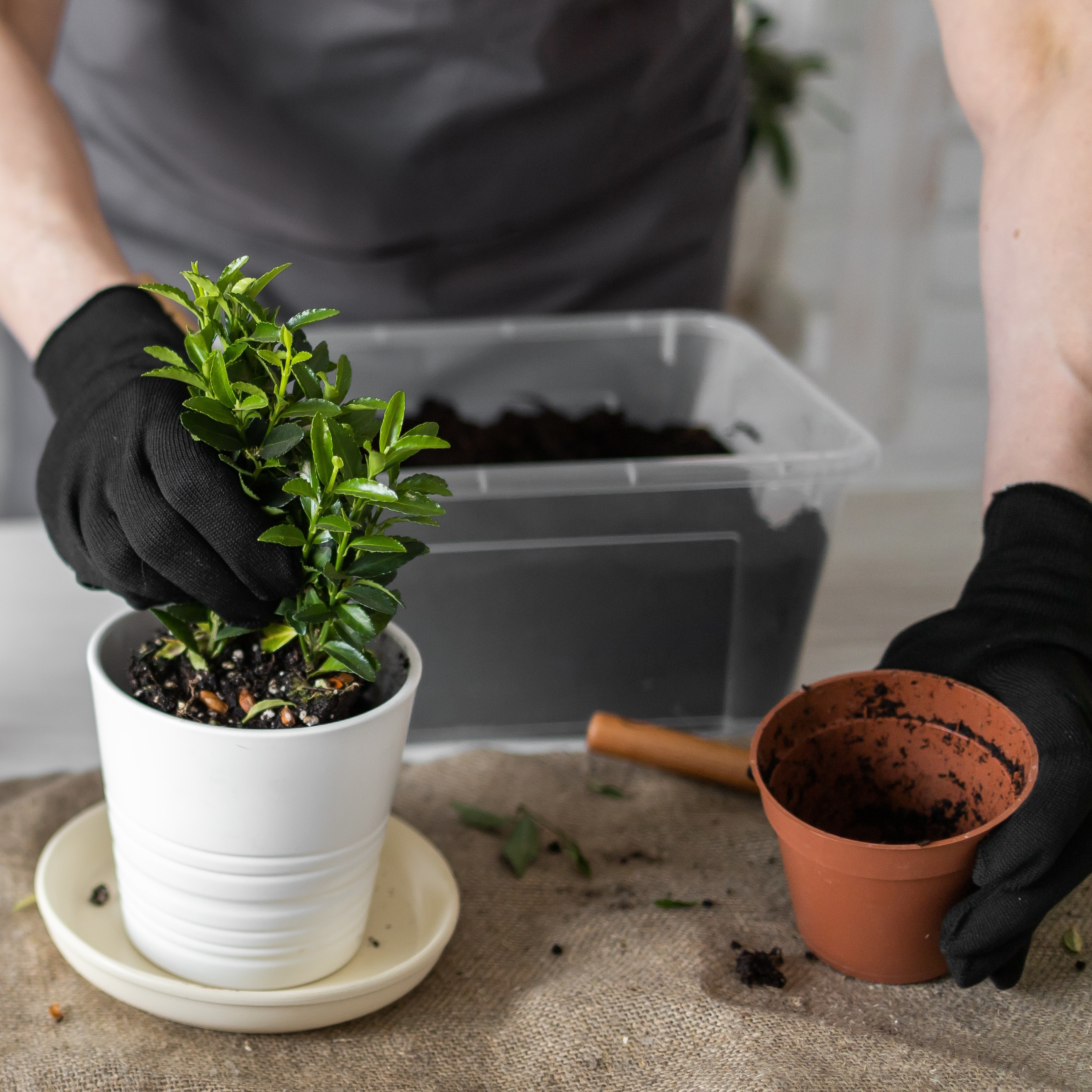
Moving plants into a slightly larger container gives roots more room to spread and access fresh nutrients and moisture.
Simple Repotting Steps
Gently remove the plant from its container
Loosen compacted roots carefully
Choose a pot only slightly larger than the current one
Replant using fresh quality compost
Water thoroughly after planting
For best results, repot plants in spring or early summer when they are growing strongly and can settle quickly into their new container.
❌ Common Container Gardening Mistakes
Avoid these simple mistakes to keep your garden thriving:
Using containers that are too small
Forgetting to feed plants
Poor drainage
Overcrowding planters
Underwatering during hot weather
Moving heavy pots after planting
Using high-quality compost and choosing the right plant for the right place makes a huge difference.
🌞 Simple Ways to Improve Your Displays
Take your container displays to the next level with these professional tips:
Layer your planting
Use tall plants at the back, medium plants in the centre and trailing plants around the edges.
Add seasonal interest
Swap out seasonal plants to keep containers looking fresh year-round.
Mulch containers
Decorative gravel or bark helps reduce moisture loss and improves appearance.
Grow vertically
Wall planters, arches and climbing supports help maximise small spaces beautifully.
🌿 Visit Our Garden Centre
Container gardening is an easy way to add colour, structure and seasonal interest to patios, balconies and small outdoor spaces. At Lyonshall Nurseries, we stock containers, plants, compost, feeds and gardening accessories to help you create healthy, long-lasting displays.
Visit us in Kington today. Explore beautiful containers, quality plants and expert advice to help you create a thriving, beautiful garden using containers and planters.
We use cookies to ensure that we give you the best experience on our website. If you continue to use this site we will assume that you are happy with it.


 Visit us in Kington today. Explore beautiful containers, quality plants and expert advice to help you create a thriving, beautiful garden using containers and planters.