
Open today 9:00 - 17:00
Creating an inviting outdoor living space is about much more than choosing garden furniture. By combining thoughtful planting, comfortable seating, lighting and decorative features, you can create a garden that is both practical and enjoyable throughout the year.
Whether you have a spacious garden, a compact courtyard or a small balcony, careful planning helps make the most of every area. Choosing the right plants, positioning seating to suit the conditions and adding a few well-chosen accessories can transform an ordinary outdoor space into somewhere that feels comfortable, welcoming and connected to the rest of your home.
This guide shares practical outdoor living ideas to help you create a garden that reflects your style while remaining easy to maintain and enjoyable in every season.
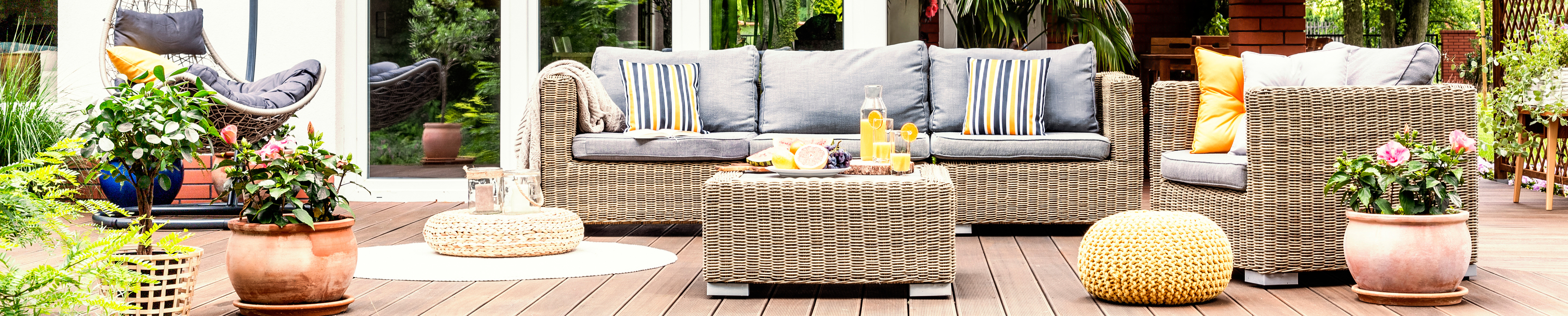
The most successful outdoor spaces begin with careful planning rather than purchasing furniture or accessories first. Spending time understanding how you already use your garden will help you create a space that feels comfortable, practical and suited to your lifestyle.
Before making any changes, consider:
Even relatively small adjustments, such as repositioning seating to capture evening sunshine or creating a sheltered corner away from strong winds, can make a noticeable difference.
👉 Expert Tip
Spend a few days observing your garden before making permanent changes. Sunlight, shade and wind patterns often vary more than expected, particularly between spring and summer.
Plants do far more than provide colour. They help define different areas of the garden, soften hard landscaping and create a natural sense of enclosure around seating and entertaining spaces.
Evergreen shrubs, ornamental grasses and carefully positioned trees can provide year-round structure, while flowering plants bring seasonal interest and attract pollinating insects.
For smaller gardens, containers allow planting to be introduced wherever it is needed. Large decorative pots can frame entrances, soften patios or create focal points without requiring permanent borders.
Good choices include:
Layering plants of different heights creates depth while allowing each specimen enough room to develop naturally.
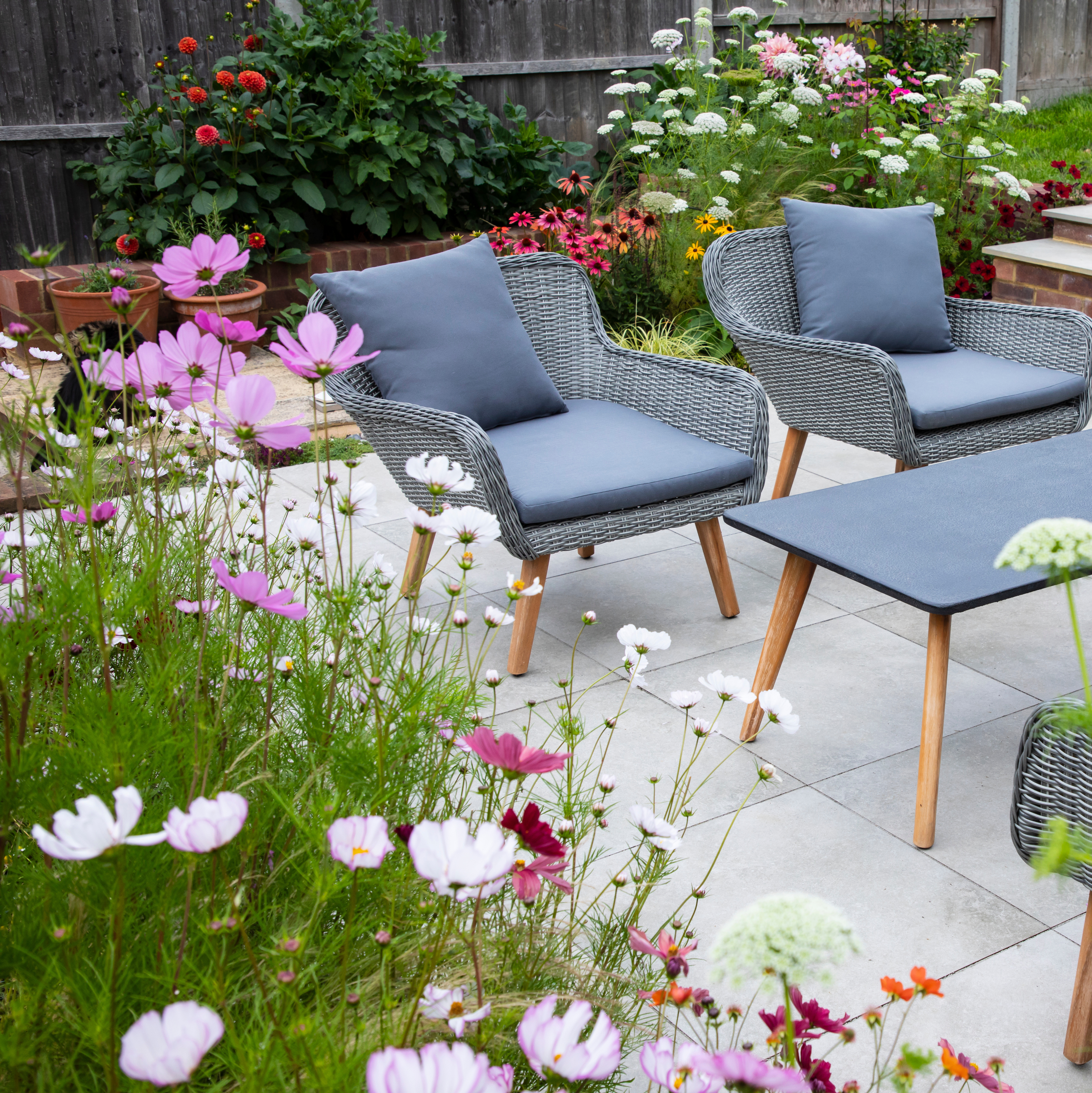
Fragrance adds another dimension to outdoor living and is often most noticeable during warm evenings.
Position scented plants close to seating areas, pathways and entrances where their perfume can be appreciated naturally.
Popular choices include:
Rather than filling the garden with many different scents, choose two or three complementary plants to create a more balanced effect.
👉 Expert Tip
Many scented plants produce their strongest fragrance during the evening. Position seating nearby to enjoy them at their best.
Privacy does not always require fencing or screening panels. Planting can provide an attractive and more natural solution while adding colour and wildlife value.
Consider using:
These help soften boundaries while making outdoor seating areas feel more enclosed and comfortable.
Vertical planting can also make excellent use of walls and fences, particularly in smaller gardens where ground space is limited.
Comfortable seating encourages you to spend more time enjoying your garden, whether you are reading, dining outdoors or catching up with family and friends. The best seating areas feel connected to the surrounding planting, creating a space that is both practical and relaxing.
Choose furniture that suits both the available space and how you intend to use it. A compact bistro set may be ideal for a small courtyard or balcony, while a larger patio can accommodate sofas, benches or modular seating.
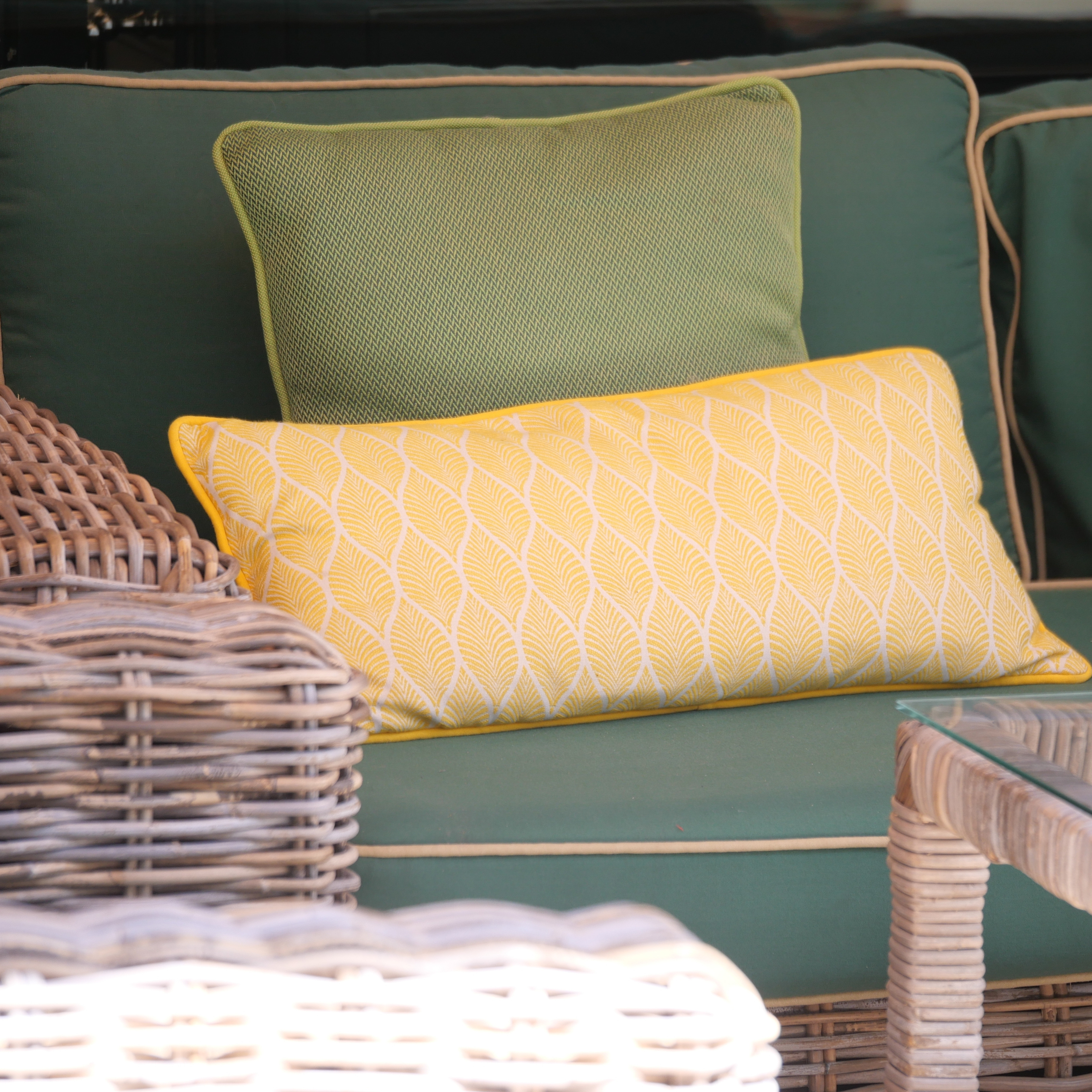
To make seating areas feel more welcoming, consider adding:
If storage space is limited, benches with built-in storage or waterproof storage boxes help protect cushions and accessories between uses.
👉 Expert Tip
Leave enough space to move comfortably around furniture and planting. A seating area that feels spacious is usually more enjoyable than one filled with oversized furniture.
Providing shade makes outdoor spaces more comfortable during warmer weather while helping protect both plants and furniture from prolonged exposure to strong sunlight.
The most suitable solution will depend on the size and style of your garden.
Popular options include:
Pergolas can become attractive garden features in their own right when planted with climbers such as clematis, climbing roses or jasmine. As the plants mature, they provide dappled shade while adding colour and fragrance.
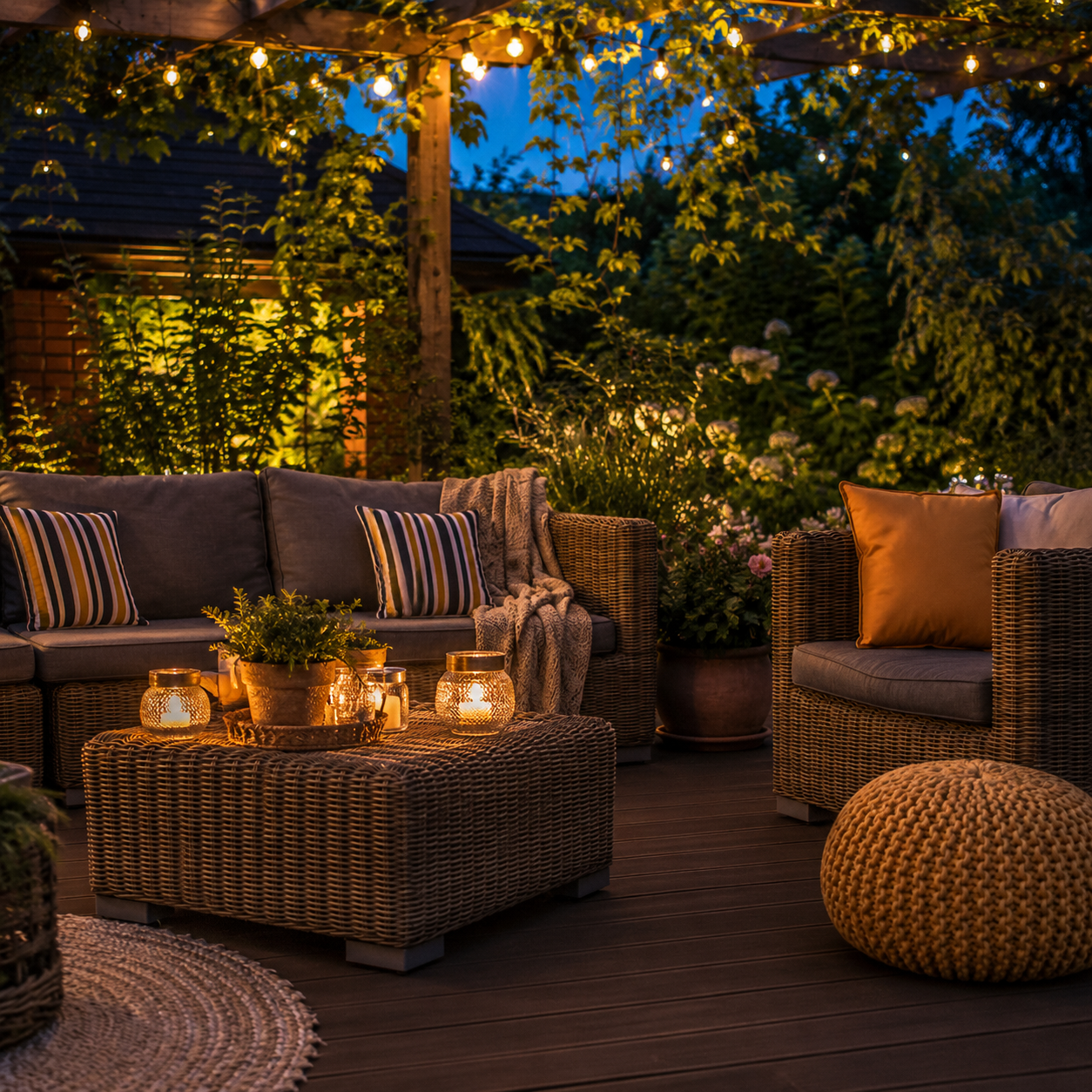
Thoughtfully placed lighting allows you to continue enjoying your garden after sunset while highlighting attractive planting and garden features.
Rather than relying on a single light source, combine several types of lighting to create a softer and more natural effect.
Consider using:
Warm white lighting generally creates a more relaxing atmosphere than cooler white bulbs and complements natural planting more effectively.
👉 Expert Tip
Position lighting to illuminate paths, steps and seating areas first. Decorative lighting can then be added to highlight trees, sculptures or architectural planting.
The gentle sound of moving water can bring a sense of calm to both large and small gardens while encouraging birds and other wildlife to visit.
Modern water features are available in a wide range of styles, from contemporary fountains to more traditional stone designs, making it easy to find something that complements your garden.
For patios and courtyards, self-contained or solar-powered water features are often the simplest option, requiring little installation while providing year-round interest.
Position water features where they can be seen and heard from seating areas without becoming the dominant feature of the garden.
Decorative accessories help personalise an outdoor space, but they are often most effective when used sparingly.
Garden sculptures, decorative pots, mirrors and ornamental features can all provide visual interest while complementing surrounding planting.
Outdoor mirrors are particularly useful in smaller gardens, where they reflect light and greenery to create a greater sense of depth. Position mirrors to reflect attractive planting rather than neighbouring buildings or fences, and use weather-resistant frames designed for outdoor conditions.
When placing ornaments, allow plants to soften their edges so they appear naturally integrated into the garden rather than standing in isolation.
Creating an inviting outdoor living area does not require a complete redesign. Small improvements made over time often have the greatest impact.
Consider:
These simple maintenance tasks help outdoor spaces remain attractive throughout the year.
Redesigning an existing patio or creating a new outdoor seating area is an opportunity to make better use of your garden throughout the year. Combining practical planting with carefully chosen accessories can help you create a space that is both attractive and functional.
Visit us in Kington to explore inspiring planting ideas, quality garden accessories and practical advice to help you create an outdoor living space to suit your garden, patio or balcony.