
How to grow your own potatoes

How To Grow Your Own Potatoes

There is nothing quite like the taste of freshly harvested potatoes straight from your own garden. Whether you love them baked, mashed, roasted or turned into crispy chips, potatoes are one of the easiest and most rewarding vegetables to grow at home.

With the right preparation and care, you can enjoy a generous crop from garden beds, raised planters or even containers on a patio. This guide explains everything you need to know about growing potatoes at home, from choosing the right varieties to harvesting perfect tubers.

Close-up panoramic banner of freshly harvested potatoes covered in soil residue.

🥔 Understanding the Different Types of Potatoes

Before you start planting, it is important to choose the right type of potato for your space and cooking preferences.

🌱 First Early Potatoes

First early potatoes are the quickest to mature and are ideal if you want an early summer harvest.

  • Plant from mid to late March
  • Harvest from late May to July
  • Best for boiling and salads
  • Smaller tubers with delicate skins

Popular varieties often include:

  • Rocket
  • Swift
  • Pentland Javelin

☀️ Second Early Potatoes

Second early potatoes produce slightly larger crops and are incredibly versatile in the kitchen.

  • Plant from late March to late April
  • Harvest from June to August
  • Great for boiling, roasting and frying

Popular choices include:

  • Charlotte
  • Maris Peer
  • Kestrel

🍂 Maincrop Potatoes

Maincrop potatoes take longer to mature but reward gardeners with larger harvests and excellent storage potential.

  • Plant from late March to late April
  • Harvest from late August to October
  • Perfect for roasting, baking and storing through winter

Popular varieties include:

  • Maris Piper
  • King Edward
  • Desiree

🌿 Best Conditions for Growing Potatoes at Home

Potatoes thrive when planted in the right conditions, and giving them a strong start will significantly improve your harvest. They are also one of the easiest crops for beginners to grow, as they tolerate less-than-perfect conditions better than many other vegetables while still producing a rewarding harvest.

Ideal Growing Conditions

  • Full sun for at least 6 hours daily
  • Fertile, well-drained soil
  • Plenty of organic matter such as compost or well-rotted manure
  • Sheltered position away from strong winds


Improve Your Soil Before Planting

A few weeks before planting:

  1. Remove weeds and stones
  2. Dig in plenty of compost
  3. Add a balanced potato fertiliser if needed
  4. Break up compacted soil for better drainage

Avoid planting potatoes in the same spot every year. Crop rotation helps reduce the risk of potato blight, potato eelworm and wireworm.

🌱 Chitting Seed Potatoes for Stronger Growth

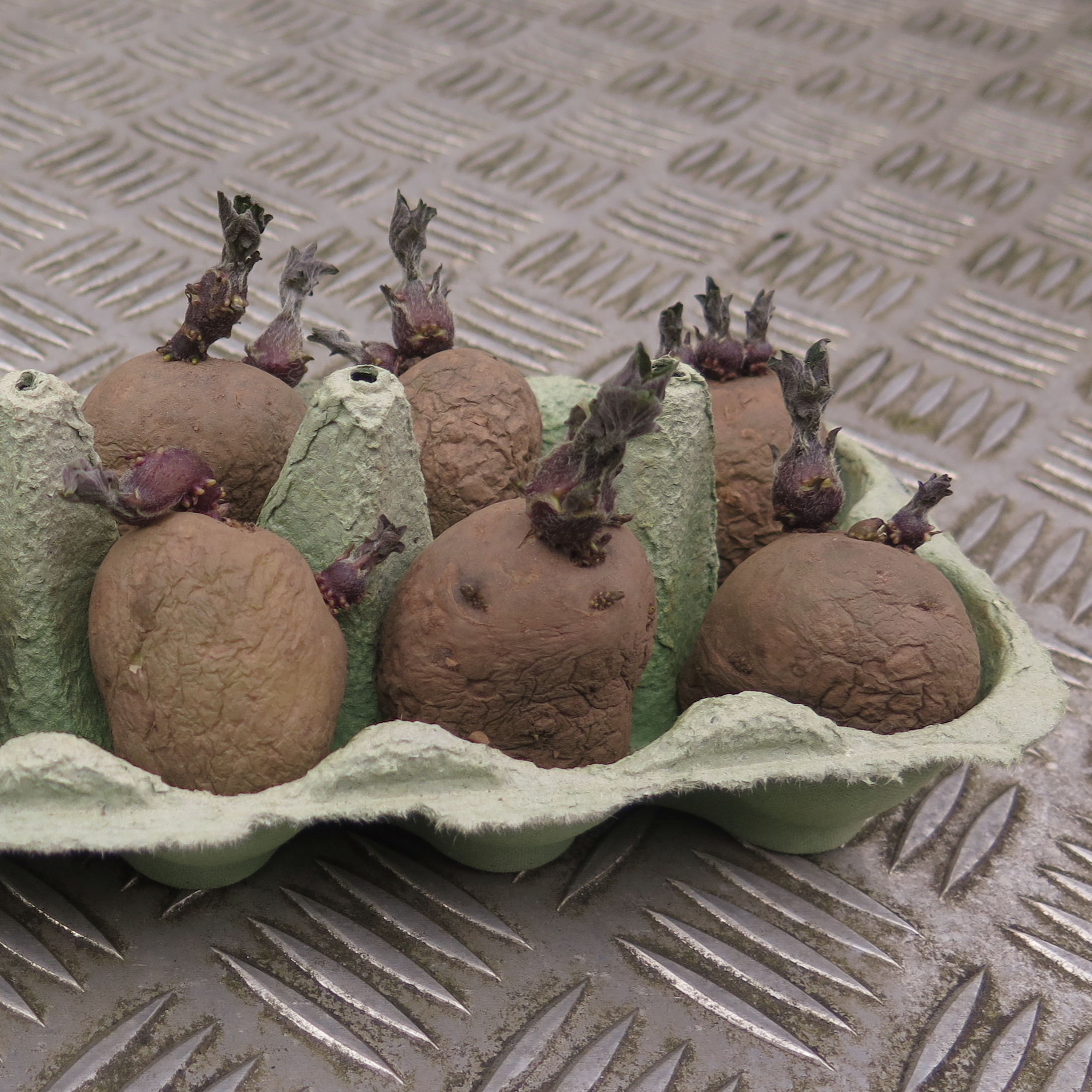
One of the best ways to improve early potato crops is by chitting seed potatoes before planting. During the chitting process, small shoots known as ‘chits’ begin to appear from the seed potatoes. Healthy chits should look short and sturdy, and are usually creamy white, pink or purple depending on the potato variety.

Chitting seed potatoes with healthy shoots ready for planting in spring

What Is Chitting?

Chitting encourages seed potatoes to sprout before planting. Giving them this head start helps plants establish faster and results in an earlier harvest, particularly with first and second early varieties.

How to Chit Potatoes

  1. Place seed potatoes in egg boxes or trays
  2. Keep them in a cool, bright and frost-free place
  3. Leave them for 4 to 6 weeks
  4. Allow shoots to grow to around 2.5cm long
  5. Remove weaker shoots, leaving the two strongest

This method works especially well for first early potatoes and second early potatoes.

🪴 How To Plant Potatoes in the Ground

Planting potatoes directly into the ground gives the developing tubers plenty of space to grow and is one of the most reliable ways to produce a healthy crop.

1. Dig Trenches

Prepare straight trenches in well-worked soil. Dig each trench approximately 15cm deep. Leave enough space between rows to allow the plants to develop and make harvesting easier.

First and second earlies: trenches 15cm deep and 60cm apart

Maincrop potatoes: trenches 15cm deep and 75cm apart

2. Position Seed Potatoes

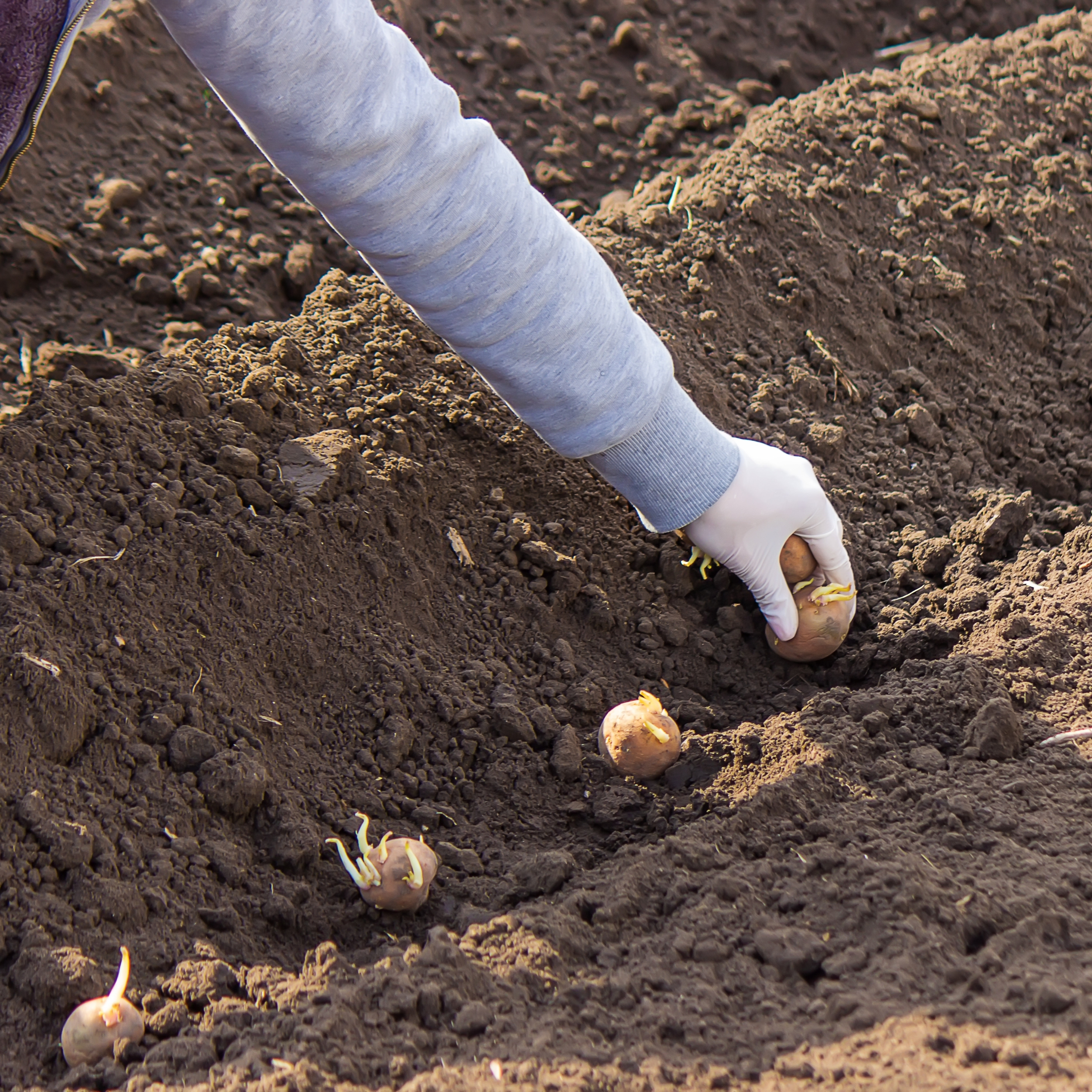
Place each seed potato in the trench with the shoots facing upwards. Correct spacing gives each plant enough room to grow, improves air circulation and helps produce a good crop of evenly sized potatoes.

  • First and second early potatoes: 30cm apart
  • Maincrop potatoes: 40cm apart
Hand placing sprouting seed potatoes into a prepared garden trench at regular intervals
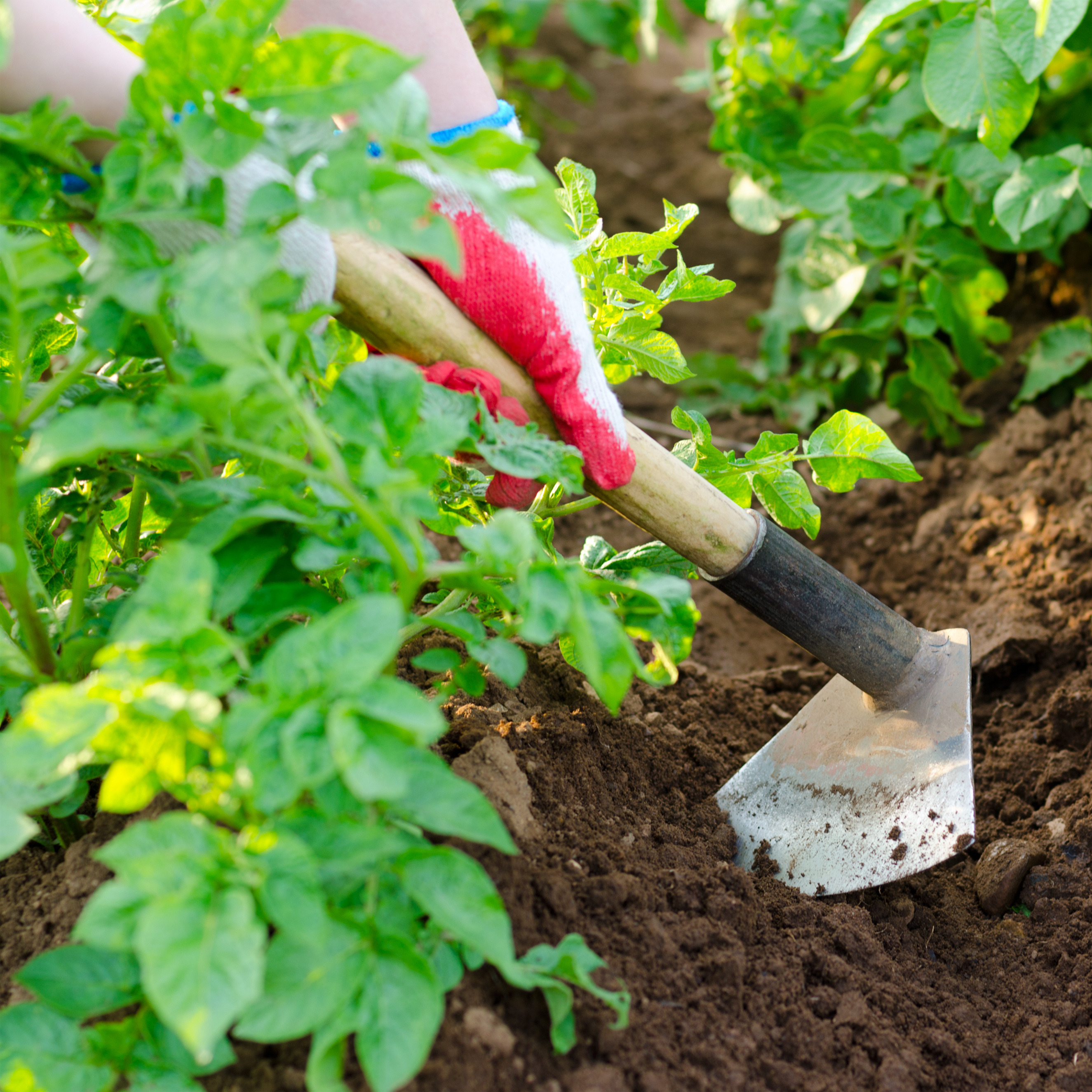
Earthing up potatoes by mounding soil around healthy growing plants.

3. Cover with Soil

Lightly cover potatoes with soil and water well.

4. Earth Up the Plants

Once stems reach around 25cm high, mound soil around the stems to create ridges approximately 15cm high.

This process:

  • Protects tubers from sunlight
  • Prevents green potatoes
  • Encourages larger harvests

🥔 Expert Tip: Earthing up doesn’t just prevent potatoes turning green. It also helps protect young shoots from unexpected late spring frosts and can encourage more tubers to develop along the buried stem.

Growing Potatoes in Raised Beds

Potatoes grow exceptionally well in raised beds because the soil warms up quickly in spring and drainage is improved. Follow the same spacing recommendations as ground-grown potatoes, ensuring beds are at least 30cm deep for good tuber development.

🪴 Growing Potatoes in Containers

Short on space? Potatoes grow brilliantly in containers, patio planters and potato grow bags.

Container Growing Tips

  • Choose containers at least 40cm deep
  • Add 15cm of quality compost to the base
  • Space seed potatoes around 25cm apart
  • Water consistently throughout the growing season
  • Keep topping up compost as stems grow

Some reusable potato grow bags also feature a handy access flap, allowing you to harvest a few potatoes at a time without disturbing the rest of the plant. This is especially useful for early varieties, as the remaining tubers can continue developing beneath the compost. Container-grown potatoes can also help reduce pest problems and make excellent use of smaller growing spaces.

💧 Watering and Feeding Potatoes

Consistent watering is essential for healthy potato growth.

Watering Tips

  • Water deeply during dry periods
  • Avoid soaking the soil constantly
  • Focus watering around the base of the plant
  • Increase watering when tubers begin forming

Feeding Advice

Potatoes benefit from a high-potassium fertiliser during the growing season. Avoid excessive nitrogen, which encourages leafy growth rather than tubers.

Mulching around plants can also:

  • Retain moisture
  • Suppress weeds
  • Improve soil structure

⚠️ Common Potato Problems and How to Avoid Them

Taking a few simple preventative measures throughout the growing season can help keep potato plants healthy and improve the quality of your harvest. While potatoes are generally easy to grow, spotting problems early and creating the right growing conditions will help reduce the risk of disease, pests and damaged crops.

Potato Blight

Potato blight is a fungal disease that thrives in warm, damp conditions, particularly during wet summers. It can cause foliage to blacken and collapse quickly, while infected tubers may rot in the ground or in storage.

Preventative measures:

  • Water at soil level to avoid wetting the leaves
  • Space plants well to improve airflow
  • Remove infected foliage immediately to help slow the spread
  • Choose blight-resistant varieties where possible
  • Avoid watering late in the evening when foliage stays damp overnight

Slugs

Slugs can damage developing potatoes by leaving holes and tunnels in the tubers. In larger potato plots, complete slug control can be difficult, but a few preventative measures can help reduce problems.

Try:

  • Applying biological slug nematodes.
  • Keeping the growing area free from weeds and debris
  • Avoiding overly wet soil where possible
  • Harvesting mature potatoes promptly to reduce the risk of damage underground

Potato Scab

Potato scab is a common soil-borne disease that causes rough, corky patches to develop on the skin of potatoes. While affected potatoes are still edible once peeled, scab can spoil their appearance and reduce storage quality.

Try:

  • Maintaining consistent soil moisture during tuber development
  • Avoiding the use of lime before planting potatoes
  • Growing scab-resistant potato varieties where possible
  • Practising crop rotation and avoiding planting potatoes in the same area year after year

🧺 When to Harvest Potatoes

Potatoes can be harvested at different stages depending on the variety and the size of potatoes you prefer. Checking plants regularly will help you decide when the crop is ready to lift.

Harvesting First and Second Early Potatoes

First and second early potatoes are usually ready from early summer onwards and are best enjoyed fresh.

To check if they are ready:

  • Carefully lift around the base of one plant by hand or with a fork
  • Check the size of the developing tubers
  • Leave plants longer if you would like larger potatoes

Many gardeners begin harvesting earlies once the plants start flowering, although this can vary between varieties. First and second early potatoes are often harvested as “new potatoes” while the skins are still thin and tender.

Harvesting Maincrop Potatoes

Maincrop potatoes are harvested later in the season and are better suited for storing through autumn and winter.

For the best storage results:

  • Wait until the foliage begins to yellow and die back naturally
  • Cut back the foliage and leave the potatoes in the ground for around 7 to 10 days to help toughen the skins
  • Harvest on a dry day using a garden fork, taking care not to damage the tubers

Leave harvested potatoes somewhere dry and airy for several days to allow the skins to harden before long-term storage.

🌿 Visit Our Garden Centre in Kington

Growing your own potatoes is a rewarding way to enjoy fresh, homegrown produce. At Lyonshall Nurseries, you’ll find seed potatoes, compost, fertilisers, grow bags and a wide range of vegetable gardening essentials to help you achieve a healthy, productive harvest.

👉 Visit us in Kington to browse our seasonal range and speak to our team for practical advice on growing potatoes at home.