How To Grow Your Own Pumpkins

πŸŽƒ How to Grow Your Own Pumpkins

There’s nothing quite like harvesting your own pumpkins in autumn. Whether you’re planning hearty homemade soups, festive decorations, or growing Halloween pumpkins for carving, pumpkins are rewarding, easy to grow, and surprisingly versatile.

The good news is that growing pumpkins in the UK does not require acres of space. Modern varieties include compact and climbing types that thrive in smaller gardens, raised beds, and even large containers with support.

In this guide, we’ll cover everything you need to know about how to grow your own pumpkins, including when to plant pumpkins, growing pumpkins from seed, feeding, watering, harvesting, and expert pumpkin growing tips for bigger, healthier crops.

🌱 Best Pumpkin Varieties to Grow

Choosing the right pumpkin variety makes a huge difference, especially if space is limited or you want pumpkins for a specific purpose. There are hundreds of pumpkin and squash varieties available, each with different sizes, colours, flavours, and growing habits. The varieties below are just a few popular suggestions that grow particularly well in UK gardens and are widely available from UK seed suppliers.

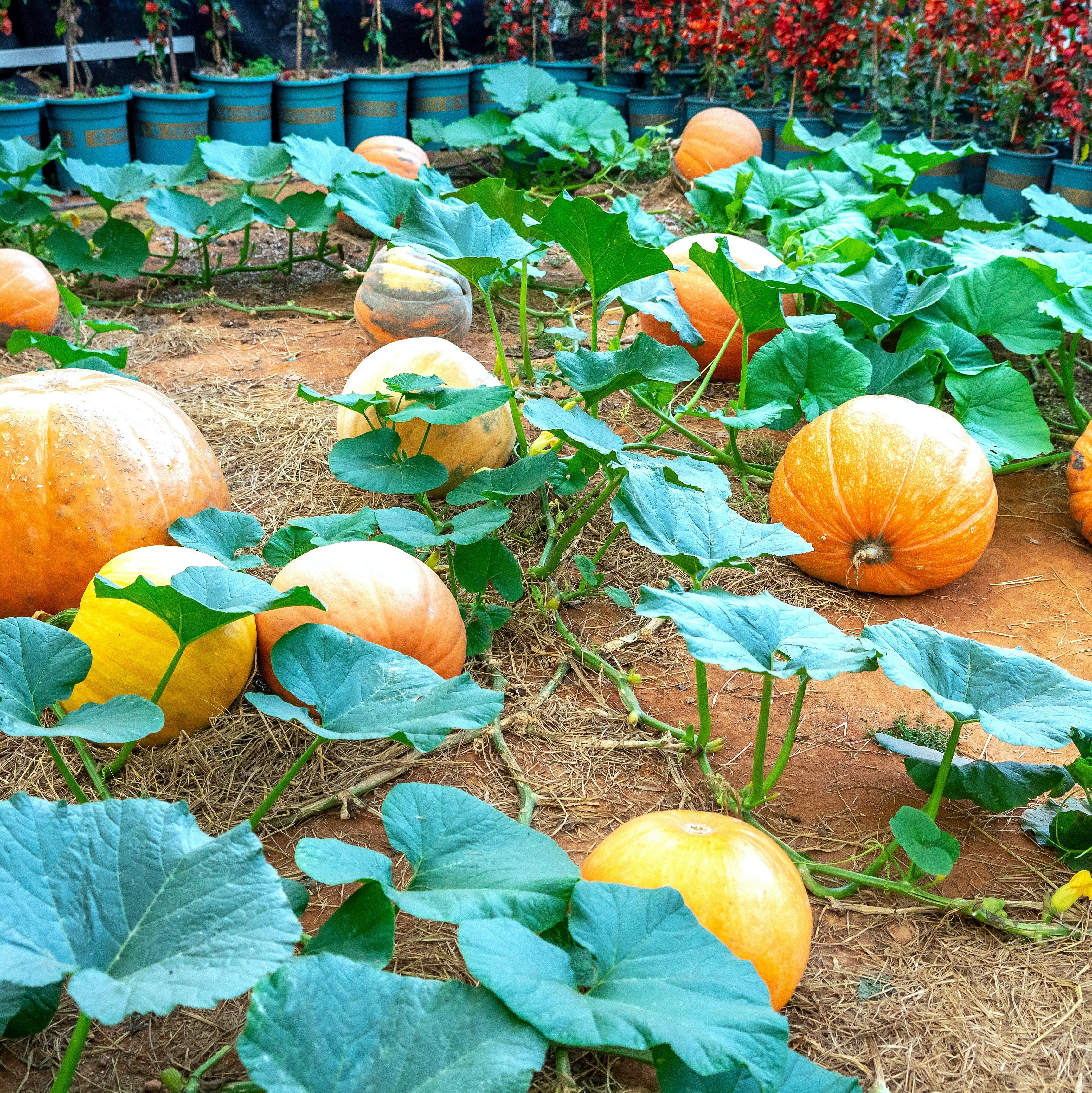
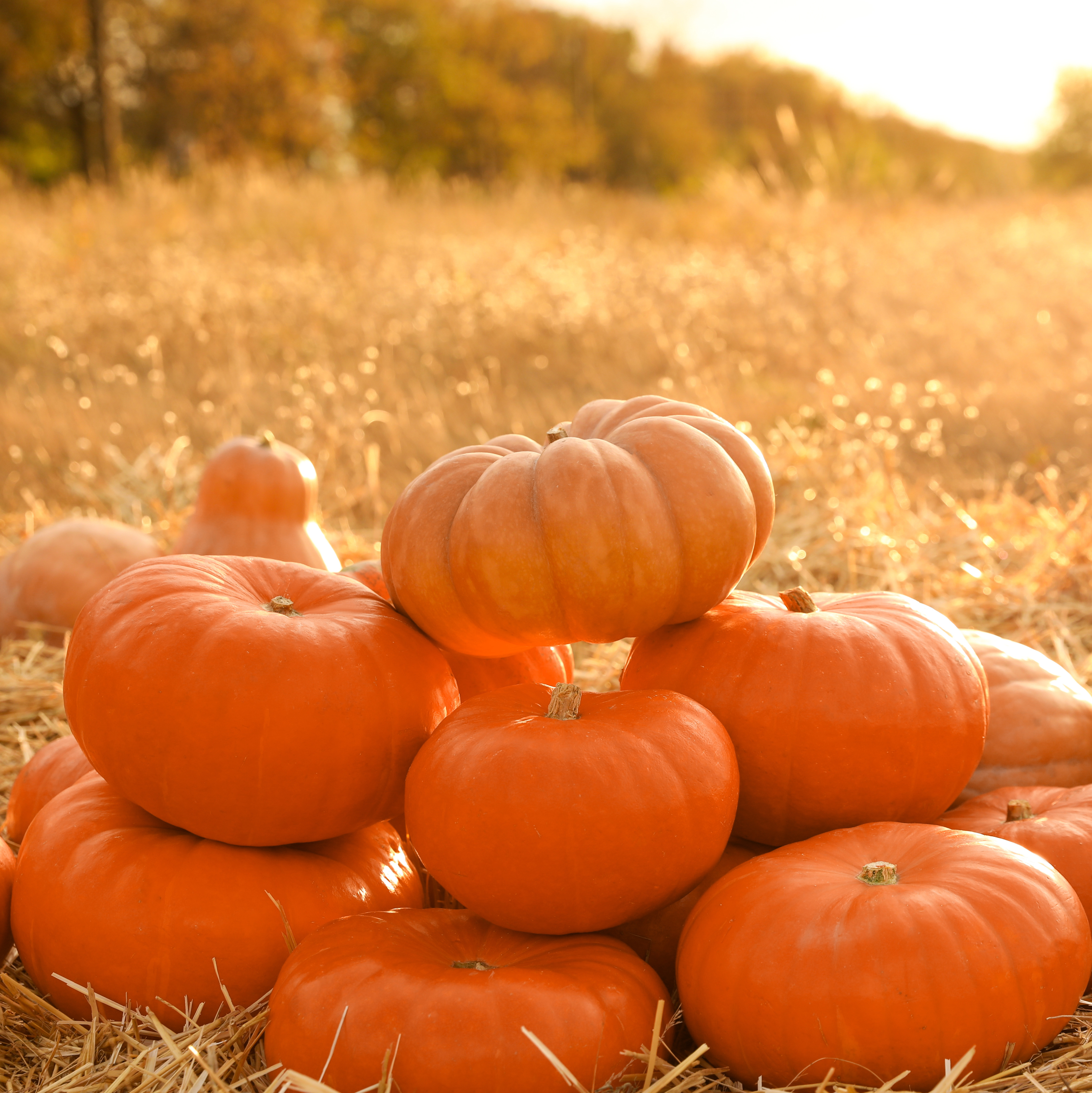
A pile of large pumpkins in a field

πŸŽƒ Large Pumpkins for Cooking and Carving

Pumpkin β€˜Big Max’

A classic giant pumpkin variety that’s ideal for carving and cooking. Under the right conditions, fruits can reach an impressive 45kg.

Best for: Giant pumpkins, Halloween displays, family growing projects.

🩡 Unique Coloured Pumpkins

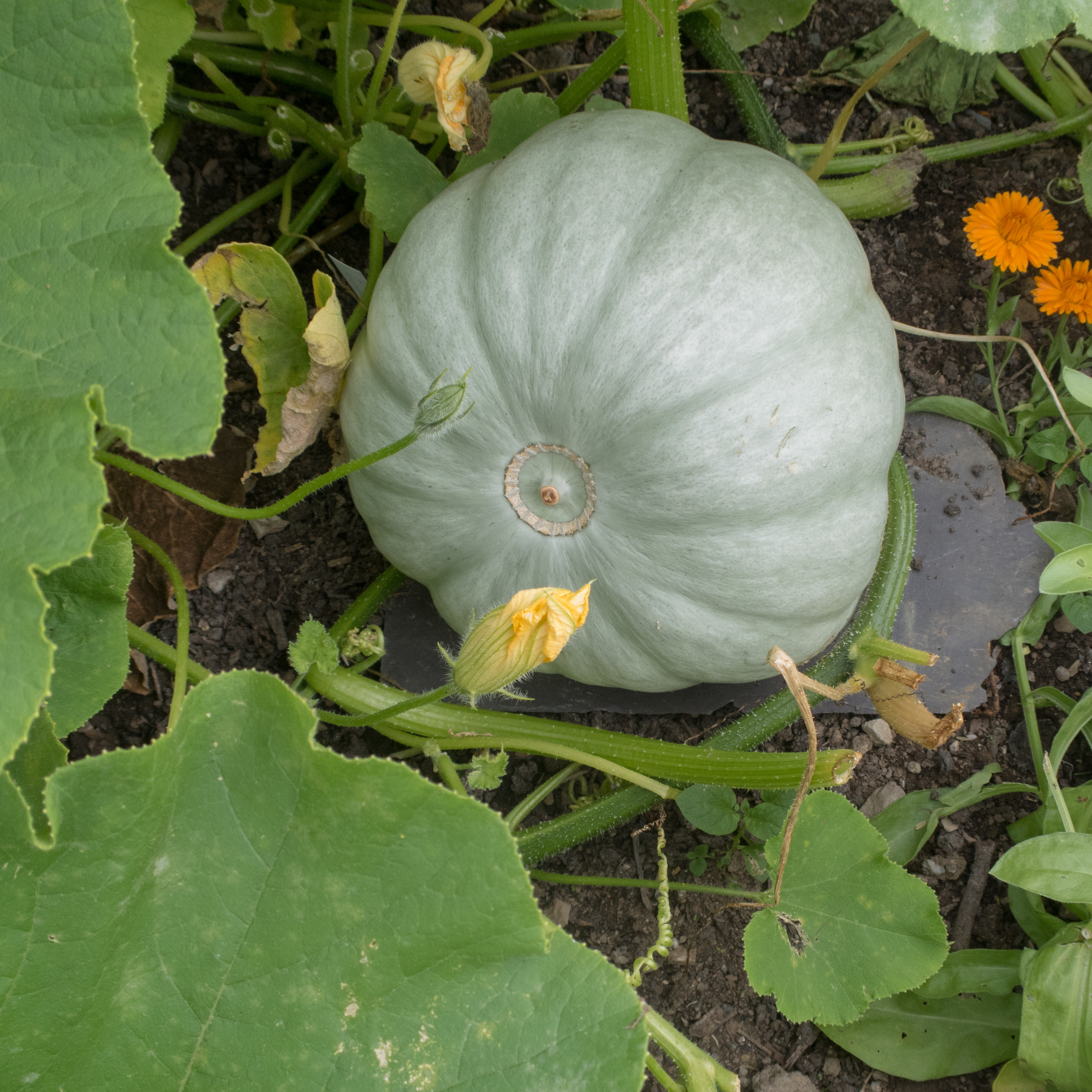
Pumpkin β€˜Crown Prince’

A striking blue-grey pumpkin with dense orange flesh and an exceptional sweet, nutty flavour.

Best for: Roasting, soups, autumn displays.

Crown Prince pumpkin with blue-grey skin
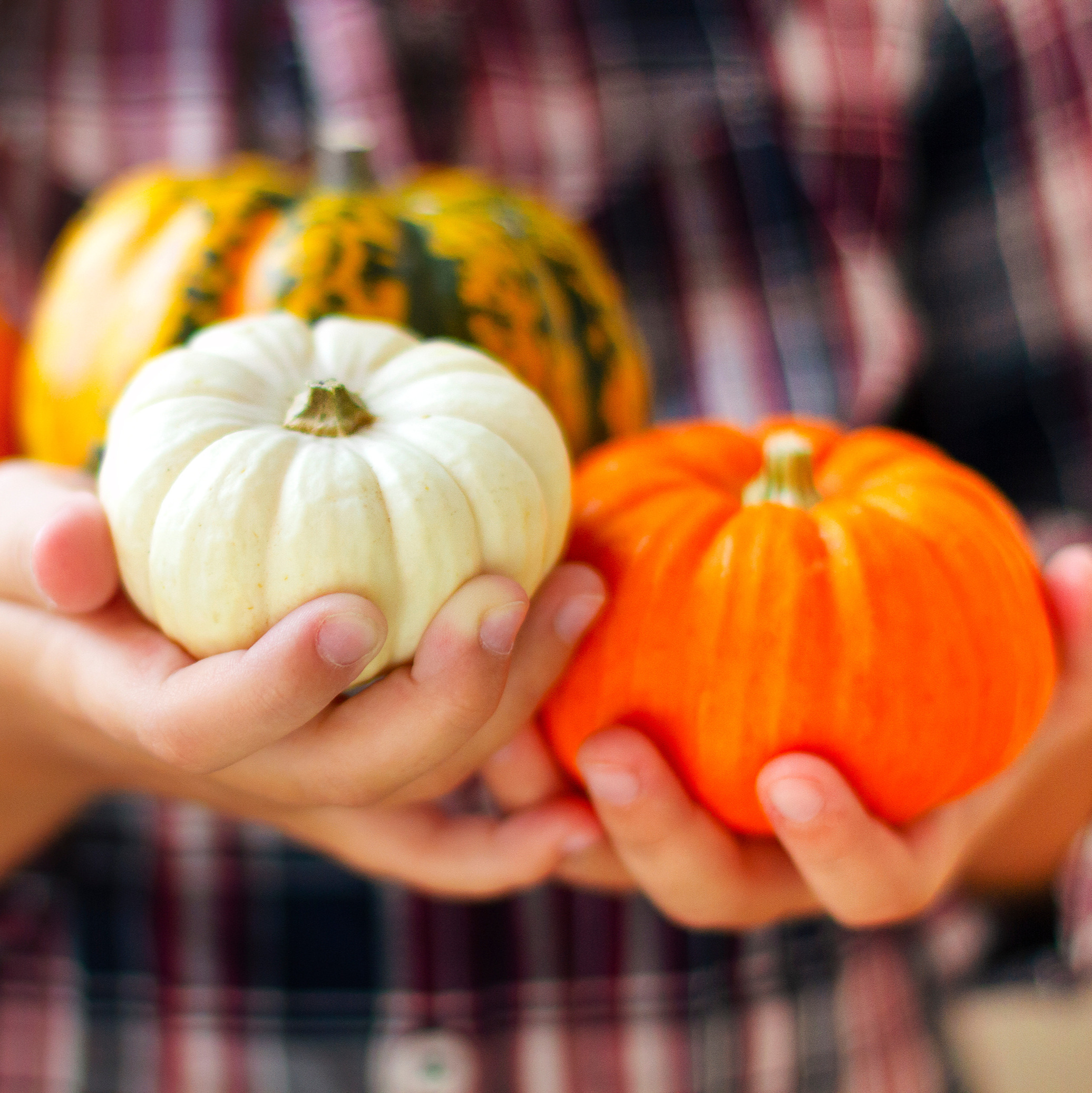
White and orange miniature pumpkins held in hands, showing their small size

🧑 Small Pumpkins for Compact Gardens

Pumpkin ‘Jack Be Little’

There are many miniature pumpkin varieties, but ‘Jack Be Little’ is one of the most popular. Its compact plants produce several bright orange pumpkins, each weighing around 170–350 g, making them ideal for smaller gardens, raised beds and containers.

Best for: Decorative autumn displays, container gardening and roasting whole.

🌿 When to Plant Pumpkins

Timing is essential when growing pumpkins successfully, especially in the UK climate.

Indoor Sowing

Start growing pumpkins from seed indoors in April.

Outdoor Sowing

Direct sow outdoors in May, once the risk of frost has passed and the soil has warmed.

Pumpkins thrive in warm conditions, so cold soil can slow germination or cause seeds to rot.

πŸ‘‰Β Expert Tip:Β If you live further north, using cloches or fleece early in the season can dramatically improve growth.
🌱 How to Grow Pumpkins from Seed

Growing pumpkins from seed is straightforward and highly rewarding, and it’s also a fantastic gardening activity for children. Fast-growing plants, large leaves and exciting autumn harvests make pumpkins one of the most enjoyable vegetables for families to grow together.

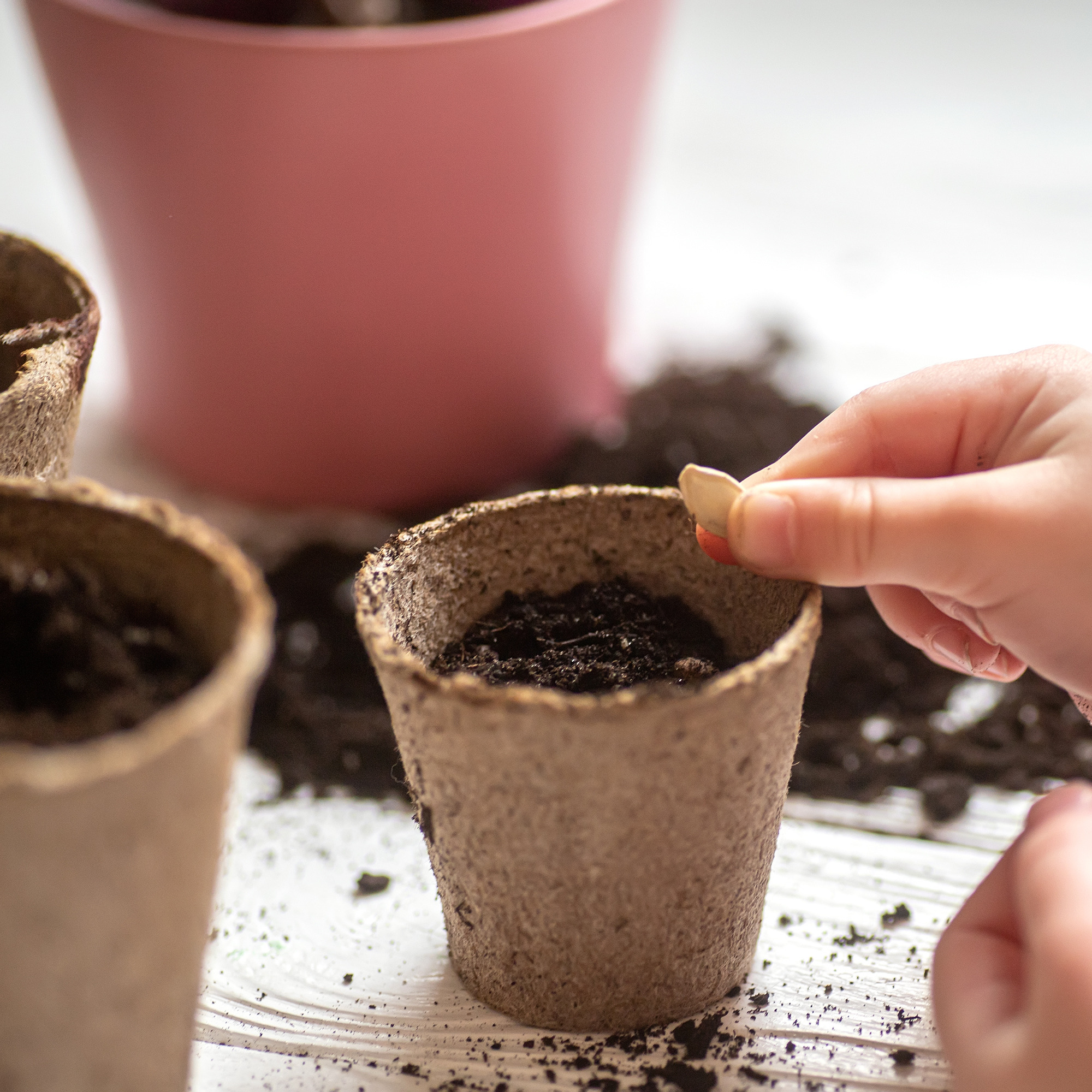
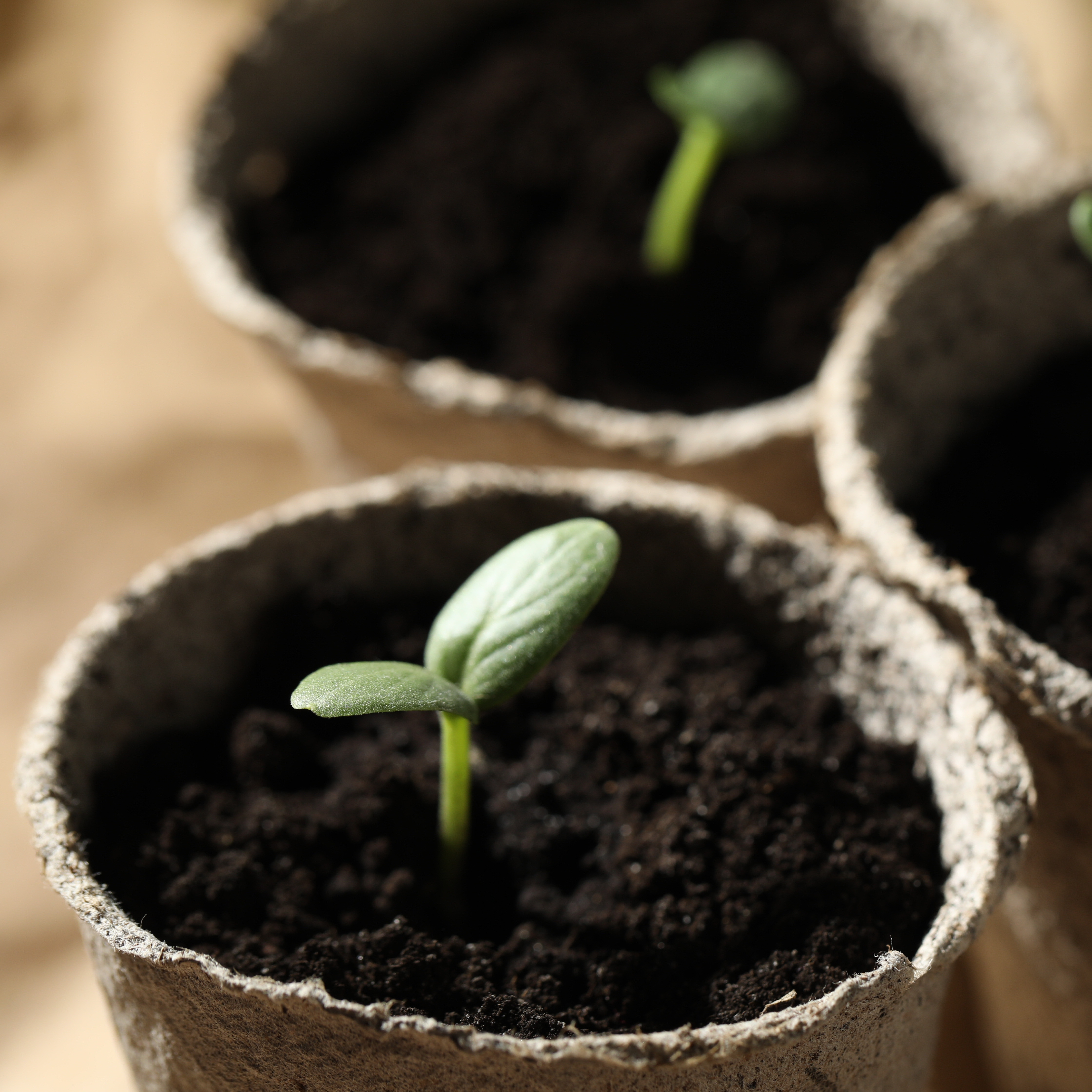
Sow seeds individually in small pots filled with seed compost during April. Plant each seed on its edge, around 2–3 cm deep, and keep the compost lightly moist. Place pots somewhere warm, ideally between 18Β°C and 21Β°C, where seedlings should emerge within 7 to 10 days.

As the seedlings grow, ensure they receive plenty of light to encourage strong, sturdy plants before they are moved outdoors.

Hand sowing a pumpkin seed into a biodegradable seed pot filled with compost.
Young, healthy pumpkin seedlings growing in biodegradable pots filled with compost

πŸͺ΄ Where to Plant Pumpkins

Pumpkins grow best in:

  • Full sun
  • A sheltered position
  • Rich, moisture-retentive soil
  • Soil improved with plenty of organic matter

Before planting, enrich the soil with well-rotted manure, garden compost or a quality soil improver. Pumpkins are hungry plants and benefit from fertile soil that retains moisture throughout the growing season.

Planting Out

Before planting outdoors, harden off young pumpkin plants by gradually introducing them to outdoor conditions over 7 to 10 days. Once the risk of frost has passed and the soil has warmed, plant them into their final growing position.

Take care not to disturb the roots when planting, as pumpkins establish best with minimal root disturbance. Water thoroughly after planting and continue to keep the soil evenly moist while plants become established.

Growing Pumpkins in Smaller Spaces

If space is limited, pumpkins can still be grown successfully in raised beds, large containers and, in some cases, vertically.

Choose a container at least 45 cm wide and deep, fill it with high-quality compost, and keep plants well watered and regularly fed throughout the growing season. Compact varieties are the best choice for containers.

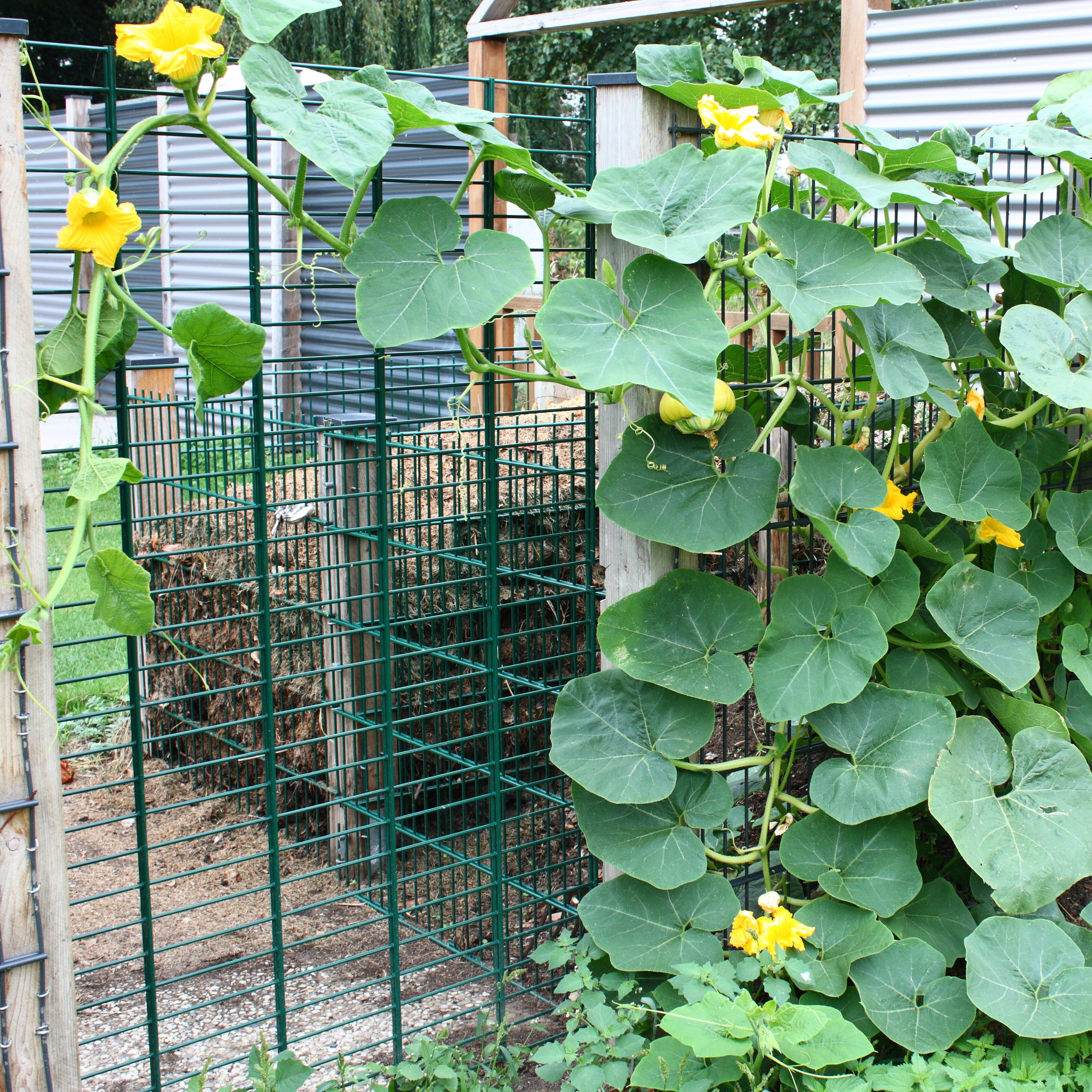
Smaller pumpkin varieties can also be trained up a sturdy trellis, arch or fence to save space. Vertical growing improves air circulation, keeps developing fruits off the soil and makes harvesting easier. If fruits become heavy, support them with slings made from netting or fabric to prevent damage.

Pumpkins growing in a garden
Pumpkins can be grown vertically if space is limited

Spacing Guide

Pumpkin Type Recommended Spacing
Large trailing varieties 1.5m apart
Compact varieties 60cm to 90cm apart
Climbing pumpkins Grow vertically on a trellis

πŸŽƒ Tips for Bigger Crops

If you want healthier plants and larger pumpkins, these simple techniques make a big difference.

πŸ’§ Water Consistently

Pumpkins are thirsty plants. Water deeply several times a week during dry spells.

Avoid wetting leaves late in the day, as this can encourage powdery mildew.

πŸ… Feed Regularly

Once flowers appear, feed every two weeks with a high-potash fertiliser such as tomato feed.

β˜€οΈ Maximise Sunlight

Remove leaves shading developing fruits so pumpkins ripen properly.

πŸͺ¨ Protect Developing Fruits

Place pumpkins on:

  • Slate
  • Tiles
  • Straw
  • Wooden boards

This prevents fruit sitting on damp soil and reduces rot.

🎯 Grow Giant Pumpkins

To grow extra-large pumpkins:

  • Keep only 2 or 3 fruits per plant
  • Remove smaller fruits early
  • Feed and water consistently

The plant can then direct all its energy into producing larger pumpkins.

πŸ‚ When to Harvest Pumpkins

Knowing when to harvest pumpkins is important for achieving the best flavour, colour, and storage life.

Pumpkins are usually ready between September and October.

Signs Your Pumpkins Are Ready

  • The skin is fully coloured
  • The rind feels hard
  • The stalk begins to crack or dry
  • The fruit sounds hollow when tapped

Always harvest pumpkins before the first frost, as cold temperatures can damage the skin and reduce storage life.

Use a sharp knife or secateurs and leave several centimetres of stem attached. This helps pumpkins store for longer.

🧺 How to Store Pumpkins

Pumpkins can be stored for several months if cured and stored correctly.

To improve storage life:

  • Leave harvested pumpkins in the sun or greenhouse for 1–2 weeks.
  • Allow skins to harden fully.
  • Store somewhere cool, dry, and frost free.
  • Check regularly for signs of rot or damage.
Β 

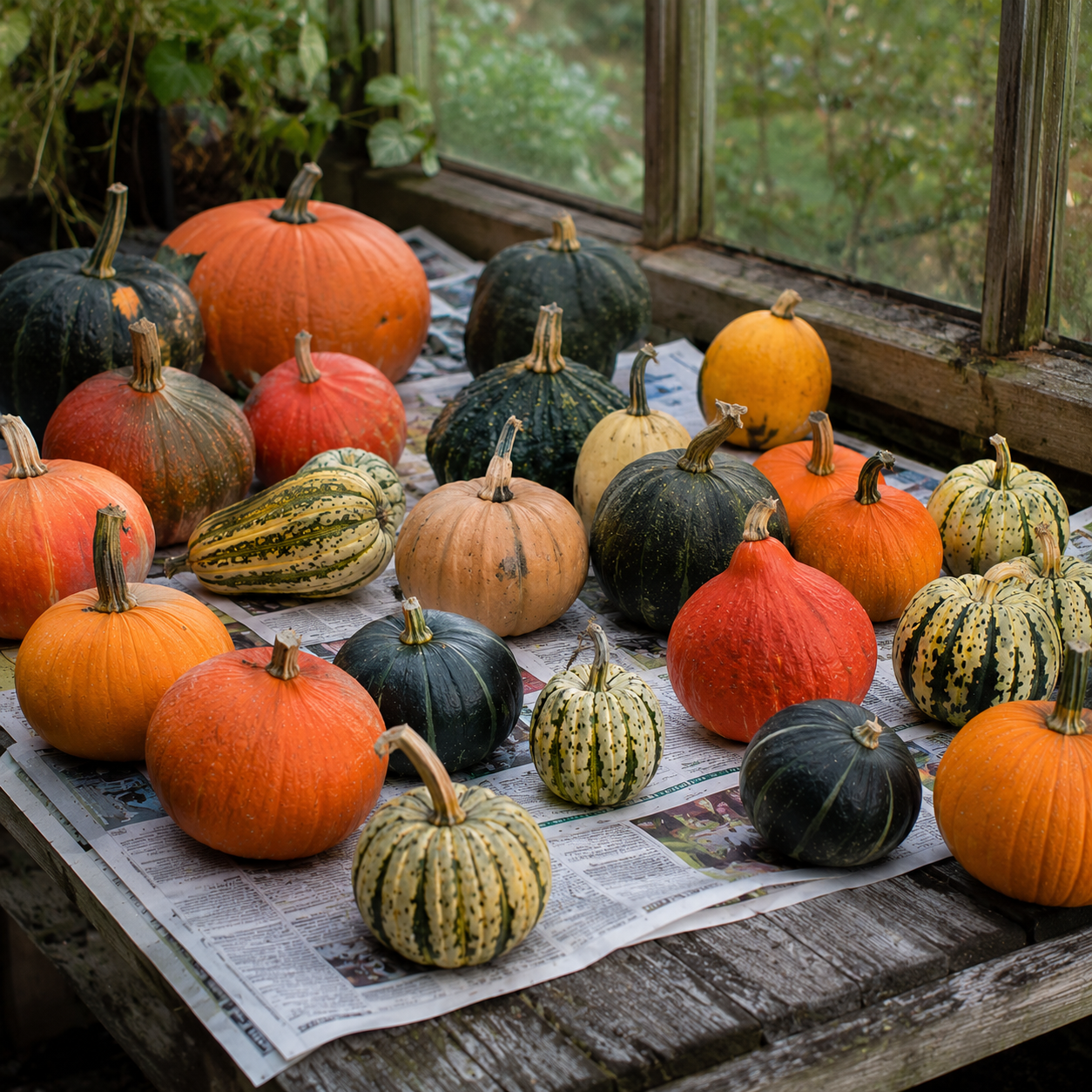
Well-cured pumpkins can often last through winter, with some varieties storing successfully for three to six months when kept in cool, dry, frost-free conditions. Regularly inspect stored pumpkins and remove any showing signs of soft spots or mould to prevent problems spreading to healthy fruit.

An array of pumpkins curing on a bright window sill prior to storage

🌿 Visit Our Garden Centre in Kington

Pumpkins need plenty of space, regular watering and good nutrition to produce healthy growth and well-developed fruits. From large carving pumpkins to smaller varieties for cooking, understanding their growing requirements will help you get the best from your plants.

At our garden centre, practical advice is available on growing pumpkins, from planting and feeding to caring for developing fruits as they ripen.

πŸ‘‰Β Visit usΒ inΒ Kington for gardening advice and seasonal growing essentials for your vegetable garden..