How To Make Compost At Home
Composting at home turns everyday garden and kitchen waste into a valuable organic soil improver. The finished compost enriches the soil, supports healthy plant growth and helps reduce the amount of waste sent for disposal.
Whether you want to improve borders, feed vegetable beds, mulch containers, or simply garden more sustainably, learning how to make compost is an essential gardening skill. A healthy compost heap can also encourage wildlife and beneficial insects, helping create a more biodiverse garden environment.
In this guide, we explain how to compost at home, including choosing a compost bin, what to add to your compost heap, how long the process takes and how to produce rich, crumbly compost for use around the garden.
π Why Homemade Compost Is So Valuable
Homemade compost is incredibly versatile and can be used throughout the garden.
Benefits of making your own compost include:
- Improving soil structure
- Feeding plants naturally
- Retaining moisture in borders and containers
- Reducing food and garden waste
- Saving money on shop-bought compost
- Supporting sustainable gardening practices
Good compost also improves soil biology by encouraging worms and beneficial microorganisms.
π Expert Tip: Compost made from a wide variety of ingredients usually produces the most balanced and nutrient-rich compost for plants.
πͺ΄ Compost Bin Ideas
Before you begin making your own compost, you’ll need somewhere suitable to store it while it breaks down. While ready-made compost bins are widely available, there are also plenty of simple DIY options that can be made using recycled or inexpensive materials, making composting accessible for almost any garden.
Compost can take anywhere from three months to two years to fully mature, depending on the composting materials used and how well the pile is maintained.
πΏ Popular Compost Bin Ideas
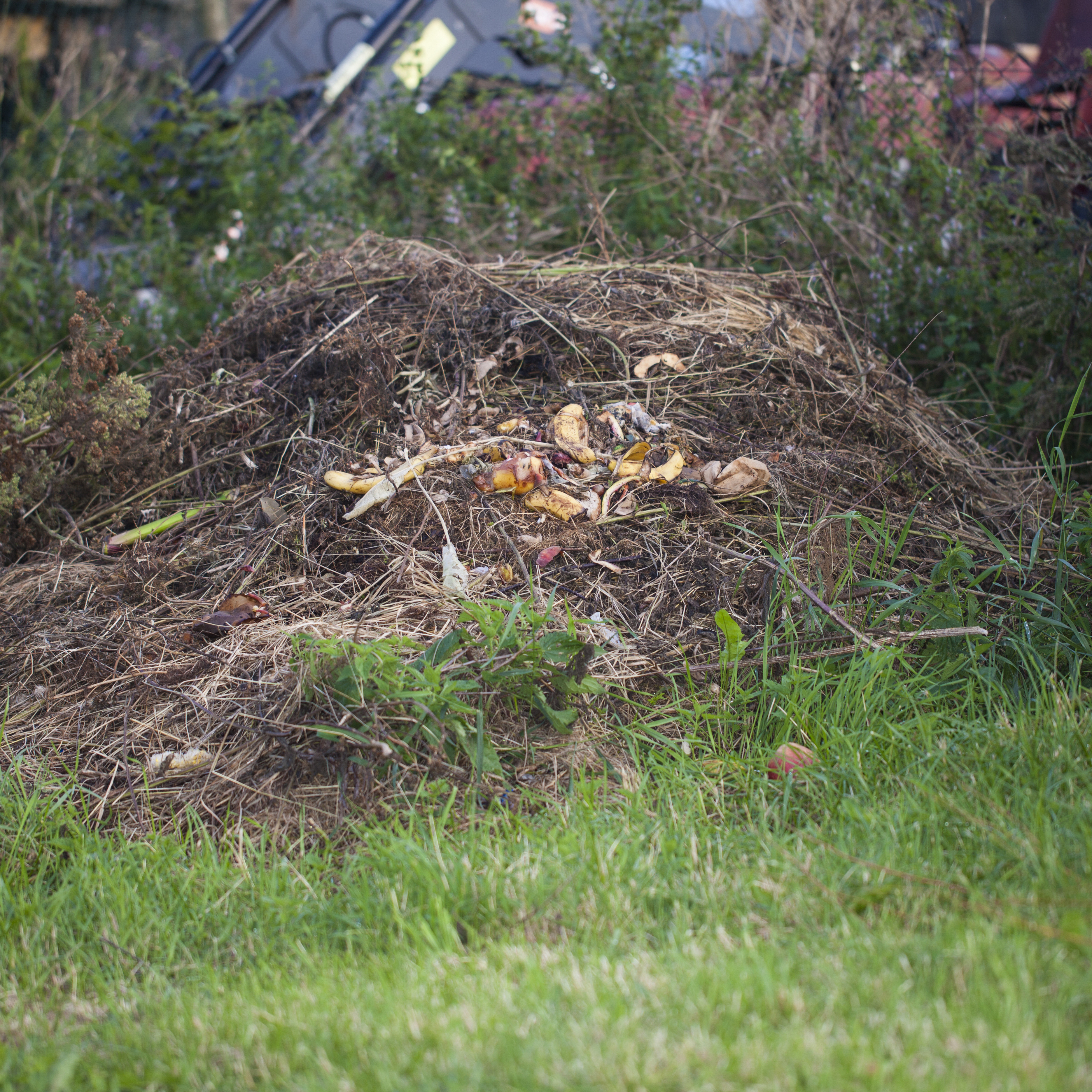
π Open Compost Heap
A simple open compost heap is one of the easiest and cheapest ways to start composting at home. Organic waste is piled directly onto bare soil where it can break down naturally over time. Open heaps are ideal if you have room to dedicate an area to composting, making it easy to turn the pile regularly while allowing plenty of airflow for efficient decomposition.
Best for:
- Gardens with space for a compost area
- High volumes of garden waste
- Budget-friendly composting
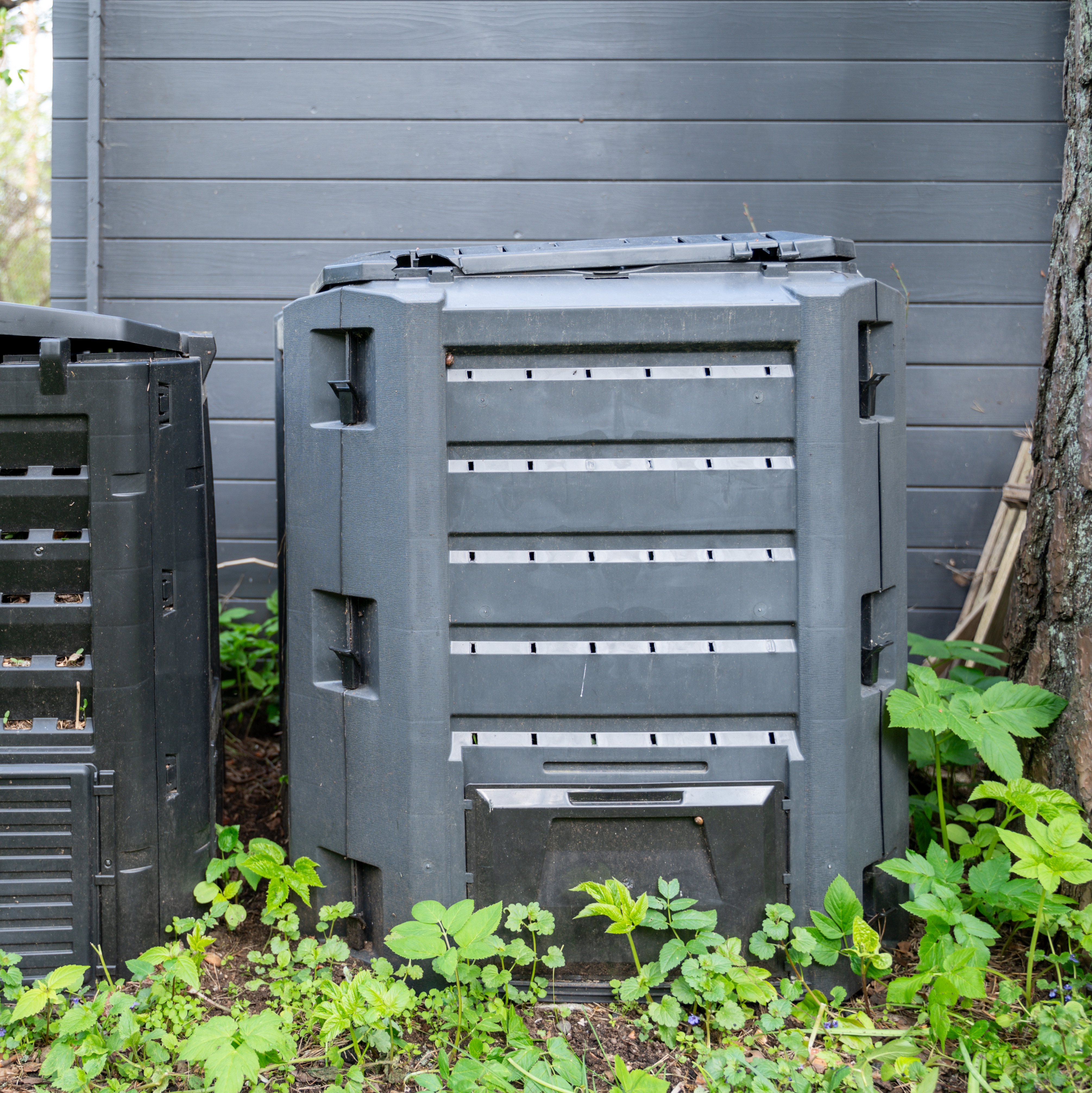
ποΈ Plastic Compost Bins
Plastic compost bins retain heat well and keep composting neat and tidy. Many are made from recycled plastic, making them a practical and sustainable choice for gardens where space is limited.
Their enclosed design helps keep the compost pile contained, reducing mess while protecting it from excessive rain and drying winds. Most include ventilation slots and a removable access hatch, making it easy to collect finished compost from the bottom.
Best for:
- Smaller gardens
- Beginner gardeners
- Tidy garden spaces
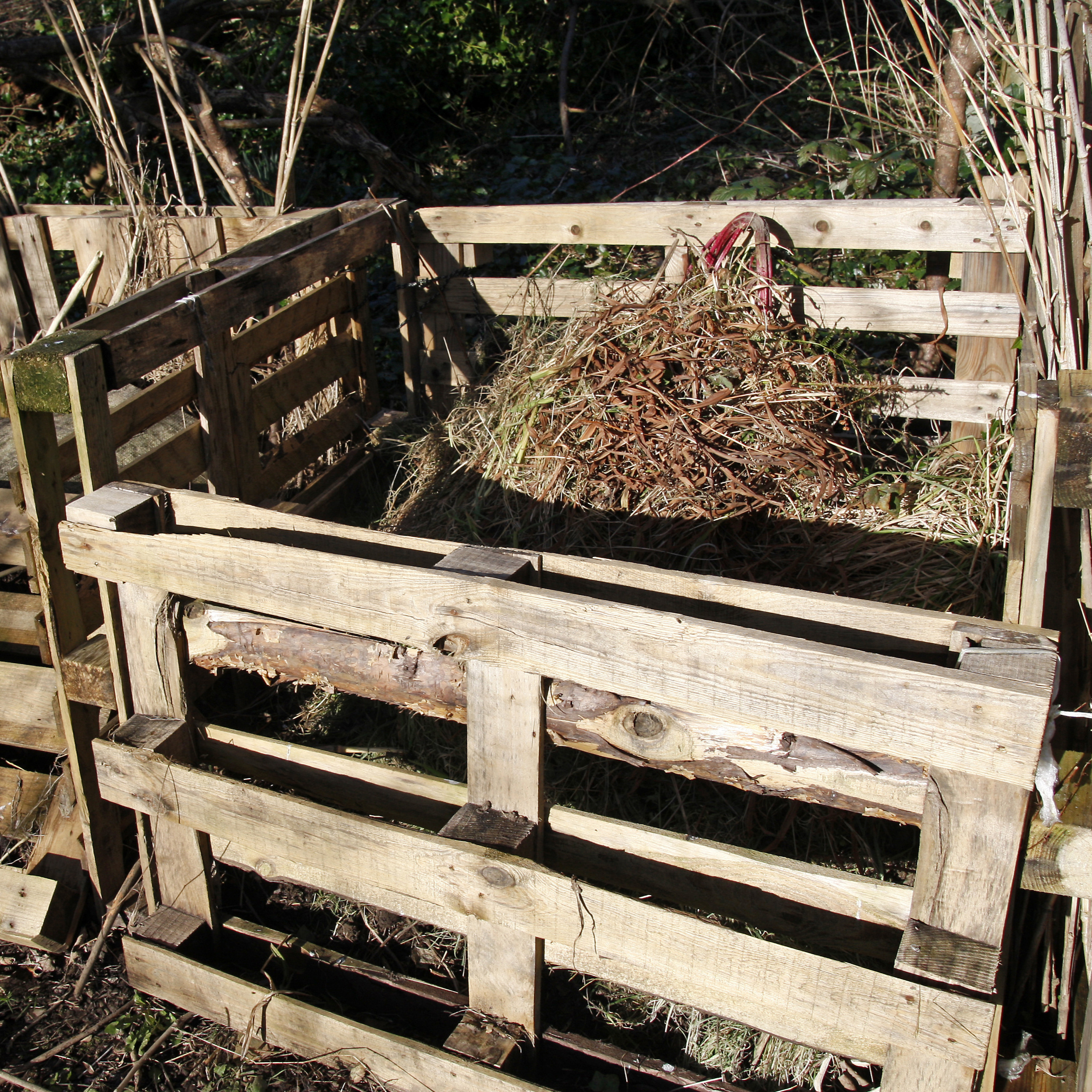
πͺ΅ Wooden and Pallet Compost Bays
Wooden compost bays, including simple pallet compost bins, are perfect for larger gardens and handling bigger quantities of garden waste. Their slatted sides improve airflow, helping compost break down faster while preventing the pile from becoming waterlogged.
Best for:
- Larger compost heaps
- Faster composting
- DIY gardeners
- Sustainable gardening
- Allotments and kitchen gardens
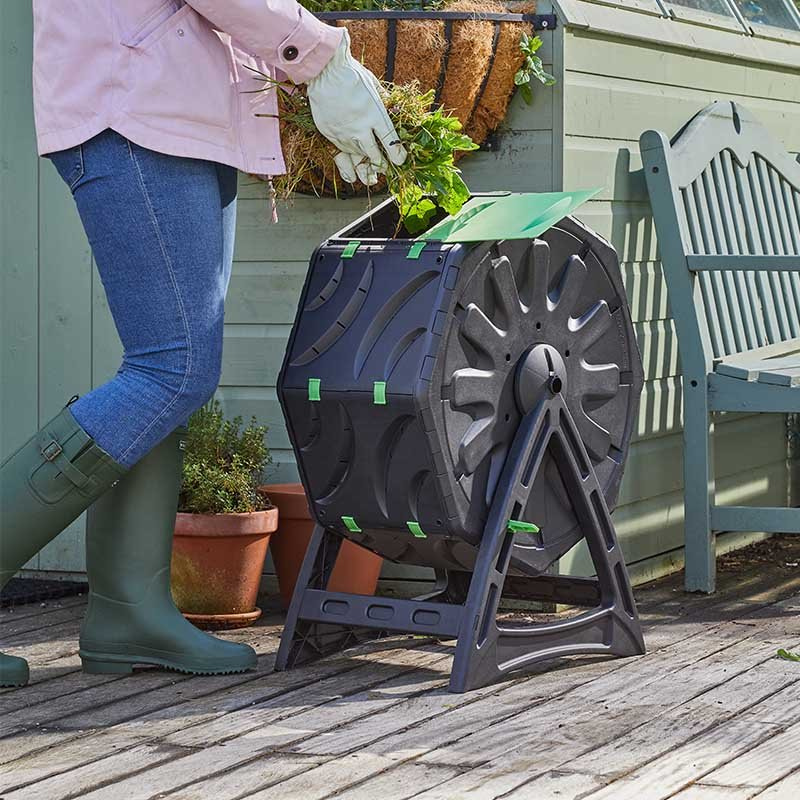
β»οΈ Tumbler Composters
Tumbler composters are designed for quicker compost production and easy turning. Their rotating design improves aeration, helping compost break down more efficiently while keeping the process clean and contained.
Best for:
- Small gardens
- Faster composting
- Easy maintenance
- Kitchen waste composting
π Expert Tip: Compost breaks down more efficiently when the pile contains a balanced mix of green and brown materials with good airflow throughout.
βοΈ Understanding Green and Brown Compost Materials
One of the most important things to understand when making compost is the balance between green and brown materials. A healthy compost heap needs a mix of both to break down efficiently and create nutrient-rich garden compost.
Too much green waste can leave compost wet and smelly, while too much brown material can slow decomposition considerably.
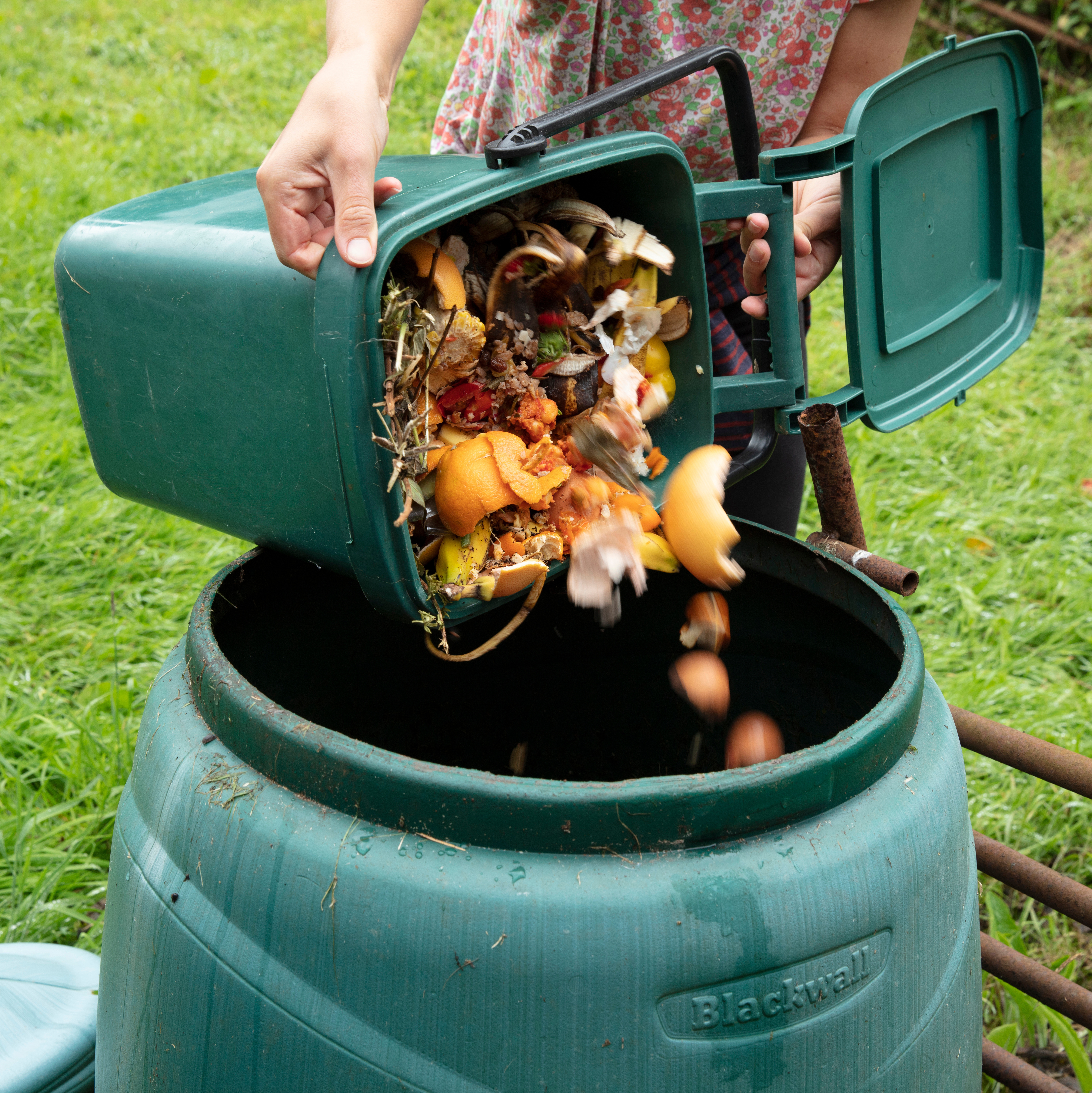
π Green Compost Materials
Green materials are rich in nitrogen and help generate heat inside the compost heap.
Good Green Materials Include:
- Grass clippings
- Vegetable peelings
- Tea bags
- Coffee grounds
- Plant trimmings
π Pro Tip: Add green compost materials in thin layers rather than large clumps to prevent the heap becoming wet, compacted, and smelly.
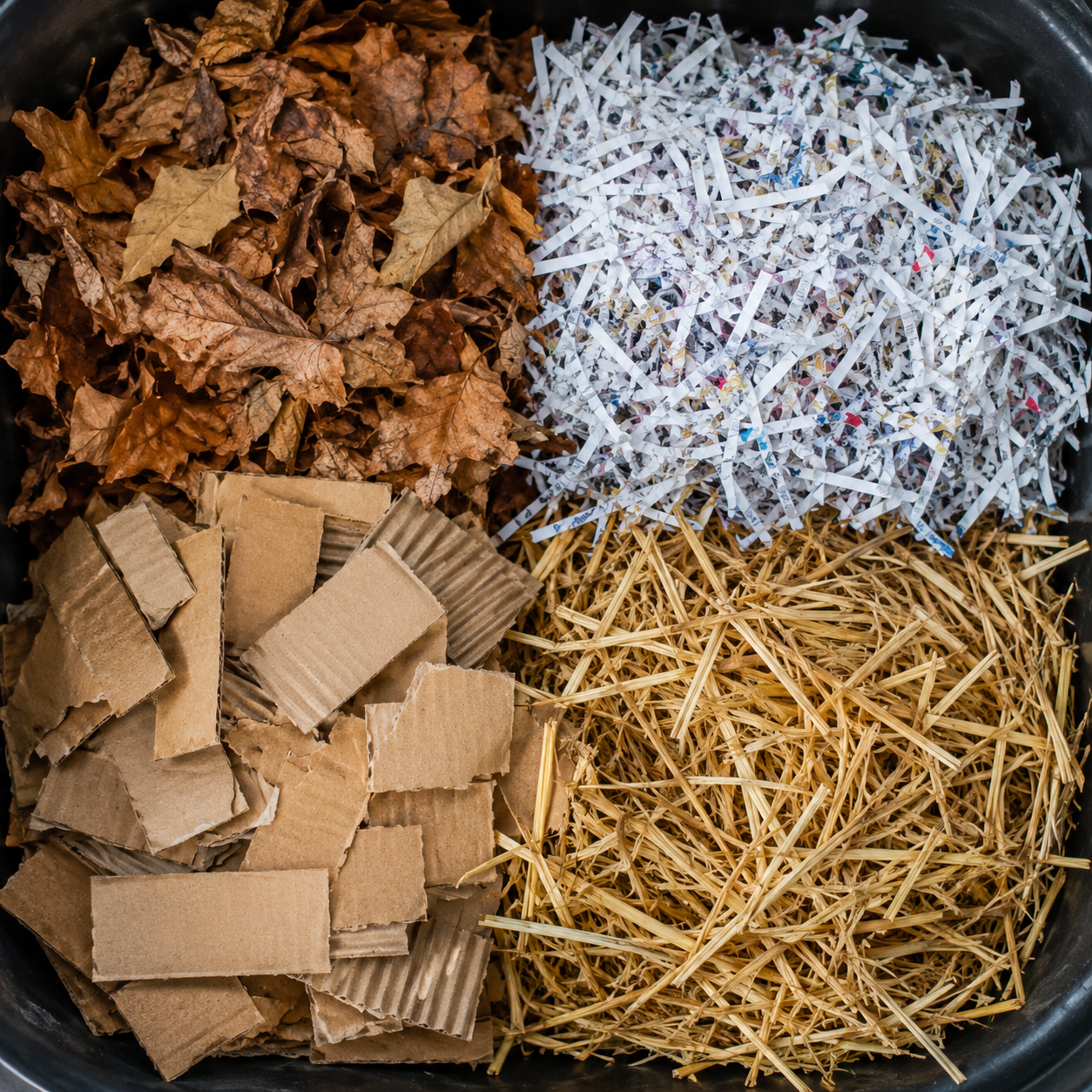
π Brown Compost Materials
Brown materials provide carbon and improve airflow within the compost pile.
Good Brown Materials Include:
- Cardboard
- Dry leaves
- Straw
- Egg boxes
- Shredded paper
- Woody stems
π Pro Tip: Tearing cardboard and shredding larger materials into smaller pieces helps compost break down much faster.
π« What Not to Put in Compost
Knowing what to avoid is just as important as knowing what to put in compost. Adding the wrong materials can slow decomposition, create unpleasant smells, or attract pests to your compost heap.
β Avoid Adding These Materials
- Meat and fish scraps – because they can attract rats and create strong smells
- Dairy products – because they break down slowly and may attract pests
- Large amounts of cooked food – because they can become slimy and reduce airflow
- Cat or dog waste – because it may contain harmful bacteria and parasites
- Diseased plants – because diseases can survive and spread in compost
- Glossy or heavily printed paper – because some coatings and inks may not break down properly
- Large quantities of perennial weeds – because roots and seeds may regrow in the garden
- Coal ash or treated wood – because they may contain harmful chemicals
π How to Maintain a Healthy Compost Heap
A compost heap needs oxygen, moisture, and warmth to break down efficiently.
π¬οΈ Turn Your Compost Regularly
Turning the compost every few weeks helps aerate the pile and speeds up decomposition.
Using a garden fork:
- Move outer materials into the centre
- Break up compacted areas
- Mix dry and wet materials evenly
β Protect Against Excess Rain
Too much rain can leave compost soggy and lacking oxygen.
To prevent this:
- Cover open heaps during heavy rain
- Ensure good drainage
- Add extra brown material if the pile becomes wet
π§ Keep Compost Moist but Not Waterlogged
A healthy compost heap should feel similar to a wrung-out sponge.
πΏ How to Use Homemade Compost
Once your compost is fully matured, there are many ways to use it around the garden.
πΈ Mulching Borders
Spread compost around plants to retain moisture and suppress weeds.
π₯ Improving Vegetable Beds
Dig compost into soil before planting to improve fertility and structure.
πͺ΄ Potting Mixes
Mix homemade compost with loam and horticultural grit for container planting.
π± Lawn Top Dressing
Sieved compost can be lightly spread over lawns to improve soil health.
π Common Composting Problems and Solutions
Even experienced gardeners occasionally run into composting problems.
Compost Smells Bad
Usually caused by too many green materials or poor airflow.
Solution: Add cardboard, straw, or shredded paper and turn the pile.
Compost Is Too Dry
Dry compost breaks down very slowly.
Solution: Add moisture and more green materials.
Compost Is Not Breaking Down
This often happens during colder weather or when materials are too large.
Solution: Chop materials smaller and turn more regularly.
πΏ Visit Our Garden Centre in Kington
Our friendly team is always happy to offer practical advice on composting, soil care and choosing the right products for your garden.
Β Visit usΒ inΒ Kington to explore our range of soil improvers, mulches, garden forks and other gardening essentials, and let us help you find the best composting solutions for your garden and gardening goals.