
Open today 9:00 - 17:00
Growing fruit trees brings more than a home-grown harvest to the garden. Spring blossom, summer foliage and ripening fruit provide seasonal interest, while established trees can add valuable height and structure to a planting scheme.
Fruit trees can be grown in gardens of many sizes, with compact and patio varieties making them suitable for smaller spaces and containers as well as traditional orchards. Choosing a variety suited to your available space and growing conditions gives the tree the best chance of establishing well and producing reliable crops.
Here, we explain how to grow fruit trees, from choosing suitable varieties and planting them correctly to pruning, feeding and ongoing care.
The best fruit trees for gardens depend on your available space, local climate, and the type of fruit you enjoy most. Whether you have a large garden, a compact patio, or a sunny balcony, there are fruit trees suitable for almost every outdoor space.
Fruit tree size is mainly controlled by its rootstock, which is the root system the fruit variety is grafted onto. Different rootstocks determine how large the tree will eventually grow, helping gardeners choose trees suitable for containers, patios, or larger gardens.
If space is limited, choose compact or trained fruit trees such as:
These smaller trees grow well in large containers and are perfect for patios, courtyards, and balconies.
👉 Expert Tip: When growing fruit trees in pots, choose large containers with good drainage and water regularly during warm weather.
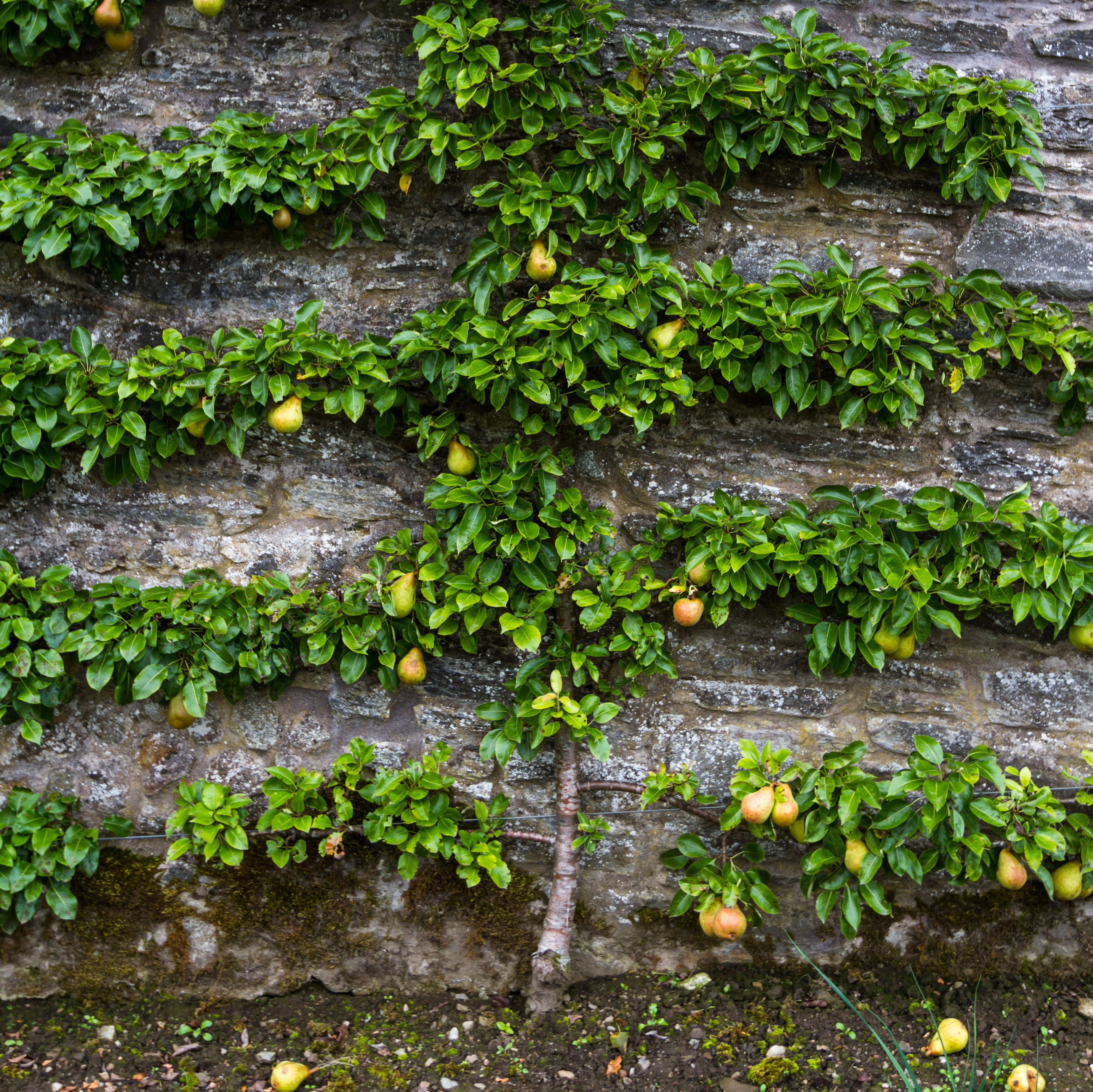
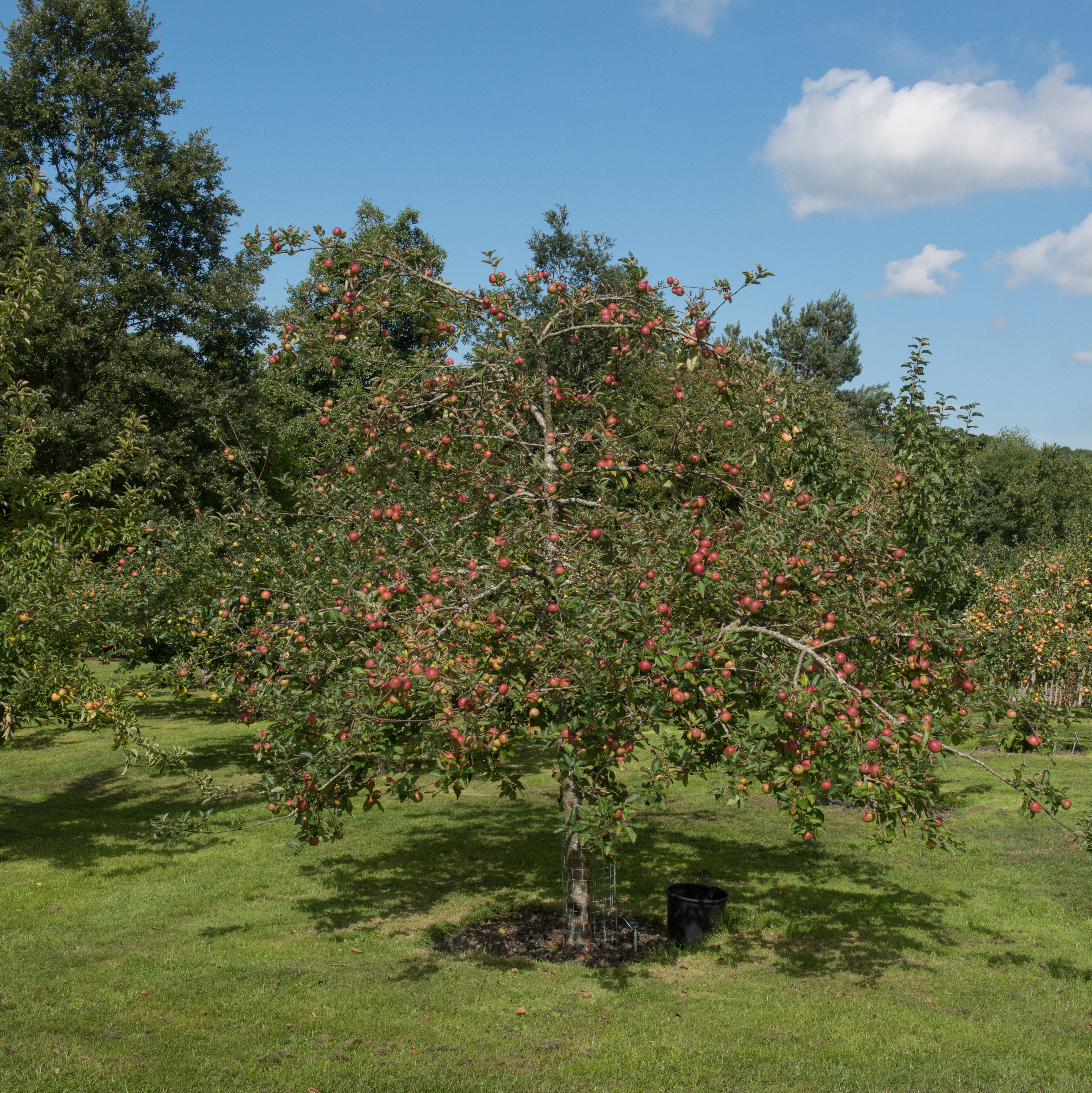
Apples – Reliable and easy to grow, with many compact varieties suitable for gardens and containers.
Cherries – Valued for beautiful spring blossom and delicious summer fruit.
Plums – Productive, easy to maintain, and well suited to many garden sizes.
Pears – Thrive in sunny, sheltered positions and reward gardeners with dependable crops.
Citrus Trees – Ideal for warm patios, conservatories, or greenhouses, adding Mediterranean character.
Figs – Perfect for sheltered gardens, combining attractive foliage with tasty fruit.
Planting correctly is one of the most important steps when learning how to grow fruit trees.
The ideal planting time is during autumn or winter while trees are dormant. This allows roots to establish before spring growth begins.
Container-grown trees can usually be planted year-round if watered well.
Avoid piling mulch directly against the trunk, as this may cause rot.
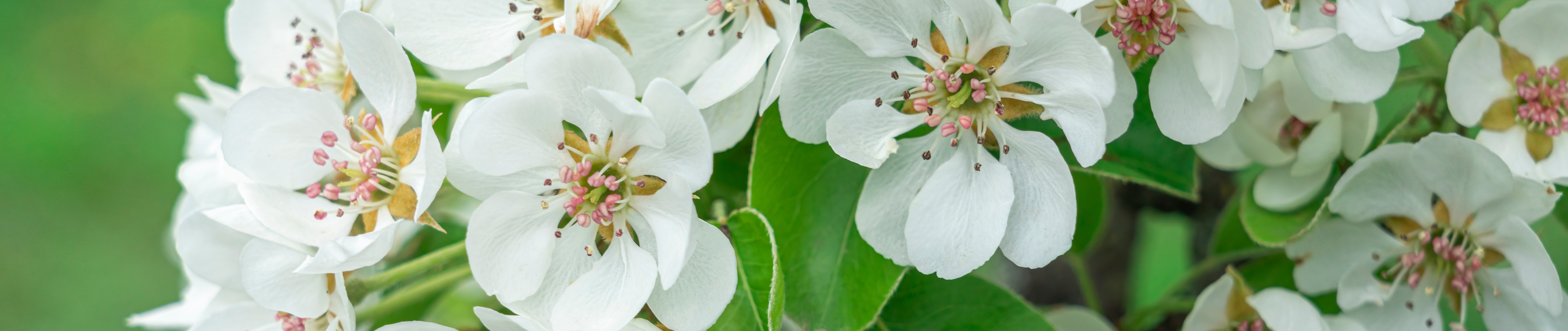
Pollination is essential for fruit production.
Some trees are self-fertile, meaning they can produce fruit without another nearby tree. Self-fertile fruit trees do not usually require a second tree for pollination, but insects such as bees still play an important role in helping flowers produce fruit.
Common self-fertile options include:
Some fruit trees need a compatible pollination partner nearby to produce fruit successfully. This means planting another variety of the same type of fruit tree that flowers at a similar time.
For example, certain apple trees need another apple variety nearby, while some pear and cherry trees also rely on cross-pollination for reliable crops.
Successful pollination depends on:
👉 Pro Tip: If you only have space for one tree, choose a self-fertile variety for easier growing and more reliable harvests.
Providing the right growing conditions is key to successfully growing fruit trees and producing healthy crops year after year.
Most fruit trees grow best in:
Avoid planting in frost pockets or exposed windy areas where blossom can be damaged by cold weather.
Regular pruning helps maintain a healthy shape, improves air circulation, and encourages better flowering and fruit production. The best time and method varies depending on the type of fruit tree, so it’s important to follow the correct pruning technique.
Healthy soil creates stronger roots and better fruit production.
Before planting:
Newly planted trees should be watered weekly during dry periods from spring through autumn.
Established trees generally need less watering, although extra watering may still be necessary during prolonged hot weather.
👉 Expert Tip: Fruit trees dislike waterlogged soil, especially during winter, so good drainage is essential for long-term health.
Feed fruit trees annually in late winter or early spring using a fertiliser designed for fruiting plants.
Apply mulch in spring or autumn to:
Keep mulch clear of the trunk to help prevent rot.
Keep the area around the base of fruit trees free from grass and weeds that compete for water and nutrients.
Regular weed control helps:
Apply mulch around the base of the tree to help suppress weeds naturally and retain soil moisture during warmer months.
Even healthy fruit trees occasionally encounter issues.
Regular inspections help identify problems early before they spread.
Growing fruit trees is a rewarding way to bring blossom, structure and home-grown produce to the garden. Choosing a tree suited to your space and growing conditions is an important first step towards healthy growth and reliable crops.
👉 Visit us in Kington for practical advice on growing and caring for fruit trees. We can help with planting, pruning and ongoing care, as well as choosing suitable gardening products to support your trees throughout the seasons.