Creating a Wildlife-Friendly Garden
Gardens can provide valuable food, water and shelter for a surprisingly wide range of wildlife. Insects and other invertebrates live among plants and soil, birds feed and nest in gardens, while frogs, toads, hedgehogs and other animals may use them for food, shelter or as routes between habitats.
Creating a wildlife-friendly garden doesn’t mean abandoning the way you garden or allowing the whole plot to become overgrown. The aim is to provide a greater variety of habitats and to manage some areas a little less intensively.
A pond, a patch of longer grass, decaying wood and a few undisturbed corners can all add something different. Combined with established planting, these features can turn even a relatively small garden into a much richer habitat.
🌿 Think in Habitats, Not Just Plants
Planting is an important part of a wildlife-friendly garden, but plants are only part of the picture. Different creatures need different conditions for feeding, breeding, sheltering and overwintering.
Look around your garden and consider the range of habitats already available. You might have:
- Shrubs, borders, trees and climbers
- Lawn and areas of longer grass
- Fallen leaves, dead plant material or a compost heap
- Walls, fences and sheltered corners
- Damp or shady areas
- Water
You don’t need every type of habitat. Increasing the variety you already have is a good place to start.
A neatly maintained garden can still support wildlife. Leaving the back of a border relatively undisturbed or allowing grass to grow longer beneath a tree may be enough to create useful shelter without changing the appearance of the rest of the garden.
👉 Expert Tip: Avoid making every part of the garden the same. A mixture of sunny and shady, dry and damp, open and sheltered areas provides more opportunities for different wildlife.
💧 Add Water to Your Garden
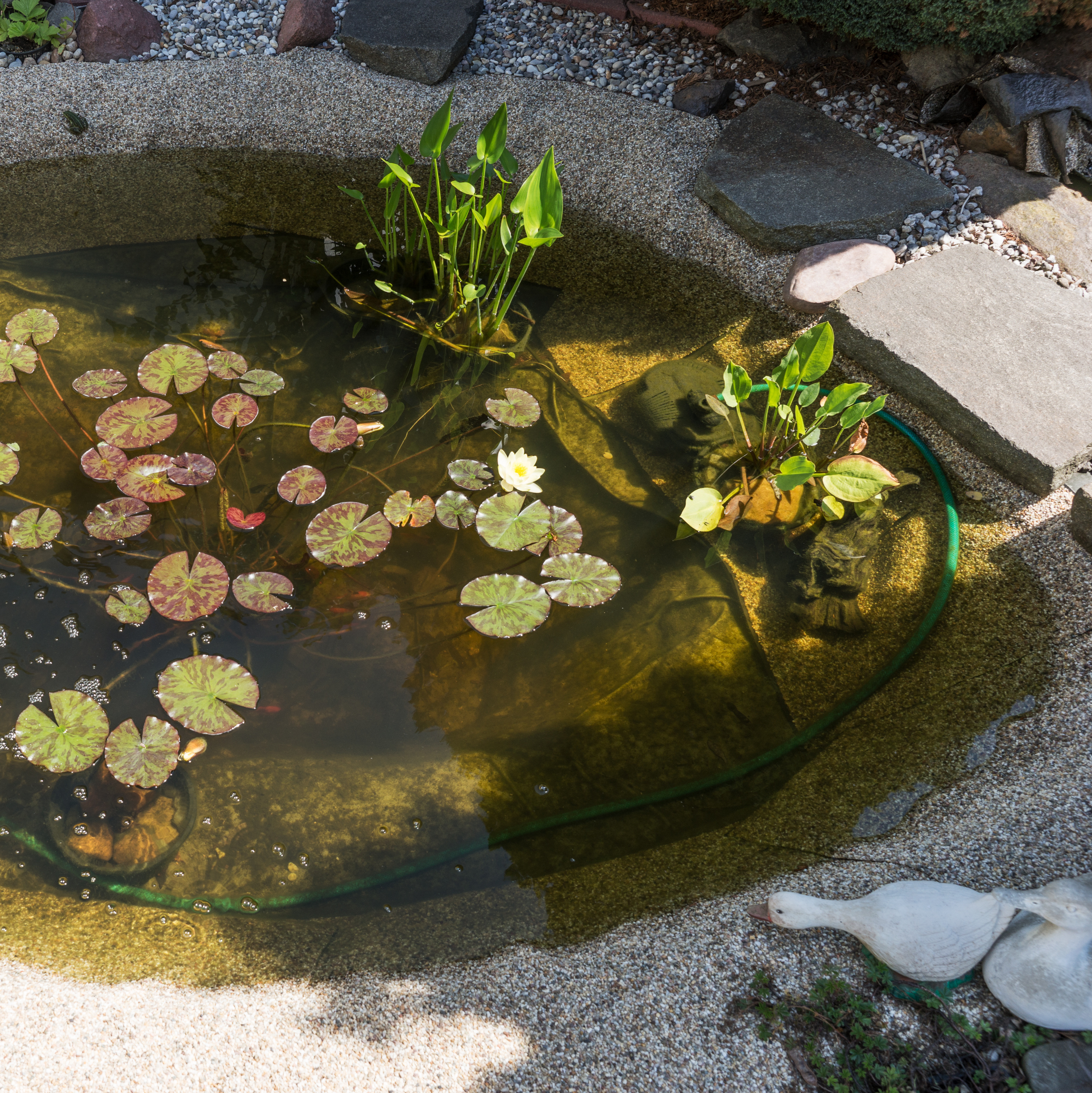
Water is one of the most useful wildlife habitats you can introduce, and even a small pond can support insects, amphibians and visiting birds.
If you don’t have room for a conventional pond, a watertight container can be used to create a mini pond.
Whatever its size, make sure wildlife can get in and out safely. Include shallow areas, stones or a secure ramp, together with a mixture of aquatic and marginal plants.
For a wildlife pond:
- Allow some vegetation around the edge for cover
- Use collected rainwater for topping up where possible
- Avoid introducing fish if wildlife is the main purpose of the pond, as they prey on aquatic creatures and can reduce biodiversity
Expert Tip: Think about the area around your pond as well as the water itself. Longer grass, planting and a nearby pile of logs or stones provide valuable cover for amphibians.
🪵 Create a Log Pile and Leave Dead Wood
As wood gradually breaks down, it provides shelter and feeding opportunities for beetles, woodlice, fungi and many other organisms. These in turn form part of the food supply for other garden wildlife.
You can make a simple log pile using untreated wood from pruning or fallen branches. Logs with bark attached are particularly useful because cracks, crevices and loose bark provide additional hiding places.
Place your log pile directly on the ground, ideally somewhere where it won’t dry out completely. A partly shaded corner, the back of a border or an area close to a pond can work well.
There is no need to make it enormous. Even a few substantial pieces of dead wood left undisturbed can create a useful habitat.
🌱 Let Part of the Garden Grow a Little Wilder
A wildlife-friendly garden doesn’t need to be untidy, but it can help to manage some areas less intensively.
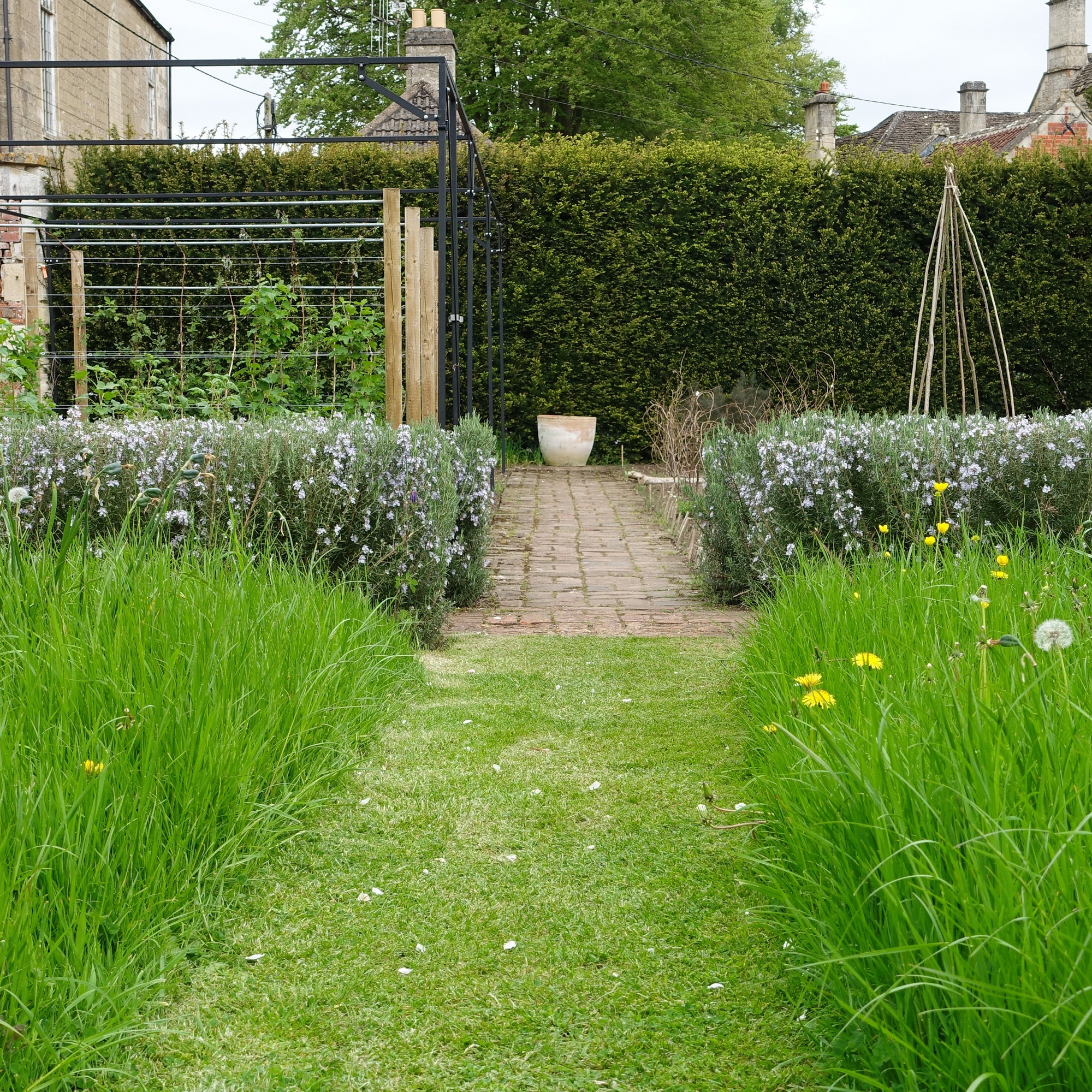
Leaving part of a lawn longer creates shelter for insects and allows plants such as daisies, clover and selfheal to flower naturally. A neatly mown edge or path can keep the area looking deliberate rather than neglected.
Quieter corners can also provide valuable habitat. Depending on your garden, you might leave:
- Some perennial stems and seedheads standing through winter
- Fallen leaves beneath shrubs and hedges
- A patch of longer grass beside a border or fence
- Naturally occurring plants such as dandelions, clover or nettles where they won’t become a nuisance
- Small areas at the back of borders relatively undisturbed
Old stems, leaves and vegetation provide shelter for insects and other small creatures, particularly through autumn and winter.
You can still keep paths, patios and prominent borders tidy. The aim is simply to avoid clearing every part of the garden at the same time.
Avoid unnecessary pesticide use, as insects and other invertebrates form an important part of the garden food web.
👉 Expert Tip: When tidying in spring, work through the garden gradually rather than clearing every old stem and leaf at once. This gives overwintering wildlife more opportunity to become active and move on.
🌿 Visit Our Garden Centre
A wildlife-friendly garden develops over time, and you don’t need to transform the whole garden at once. Adding water, leaving some grass longer, retaining dead wood and creating a few sheltered, undisturbed areas can all make a difference.
Visit us in Kington. Explore our range of plants, wildflower seeds, pond plants, wildlife products and garden essentials, and ask our team for advice on creating wildlife-friendly habitats in your garden.