Organic Gardening

Organic Gardening: A Beginnerโ€™s Guide to Growing Naturally

Organic gardening combines healthy soil, natural pest control and sustainable growing practices to produce thriving plants while supporting wildlife and protecting the environment. Whether you have a large garden, a patio filled with pots or a small allotment, organic methods help create a healthier, more balanced outdoor space.

๐ŸŒฑ Why Choose Organic Gardening?

Organic gardening works with nature instead of against it. Reducing the use of synthetic fertilisers and pesticides benefits not only your plants but also the wider garden ecosystem. The same principles can be applied to your lawn through our organic lawn care guide.

The benefits include:

  • Healthier soil structure
  • Better tasting fruit and vegetables
  • Fewer harmful chemicals around children and pets
  • More pollinators and wildlife in the garden
  • Reduced environmental impact
  • Long-term savings on feeds and treatments

As your garden ecosystem becomes more balanced, you may find there is actually less maintenance involved.

๐Ÿ‘‰ Expert Tip: Leave a small section of your garden slightly wild. Long grass and native flowers encourage beneficial insects, hedgehogs and pollinators that naturally help control pests.

๐ŸŒฟ Organic Gardening for Beginners: Start Small

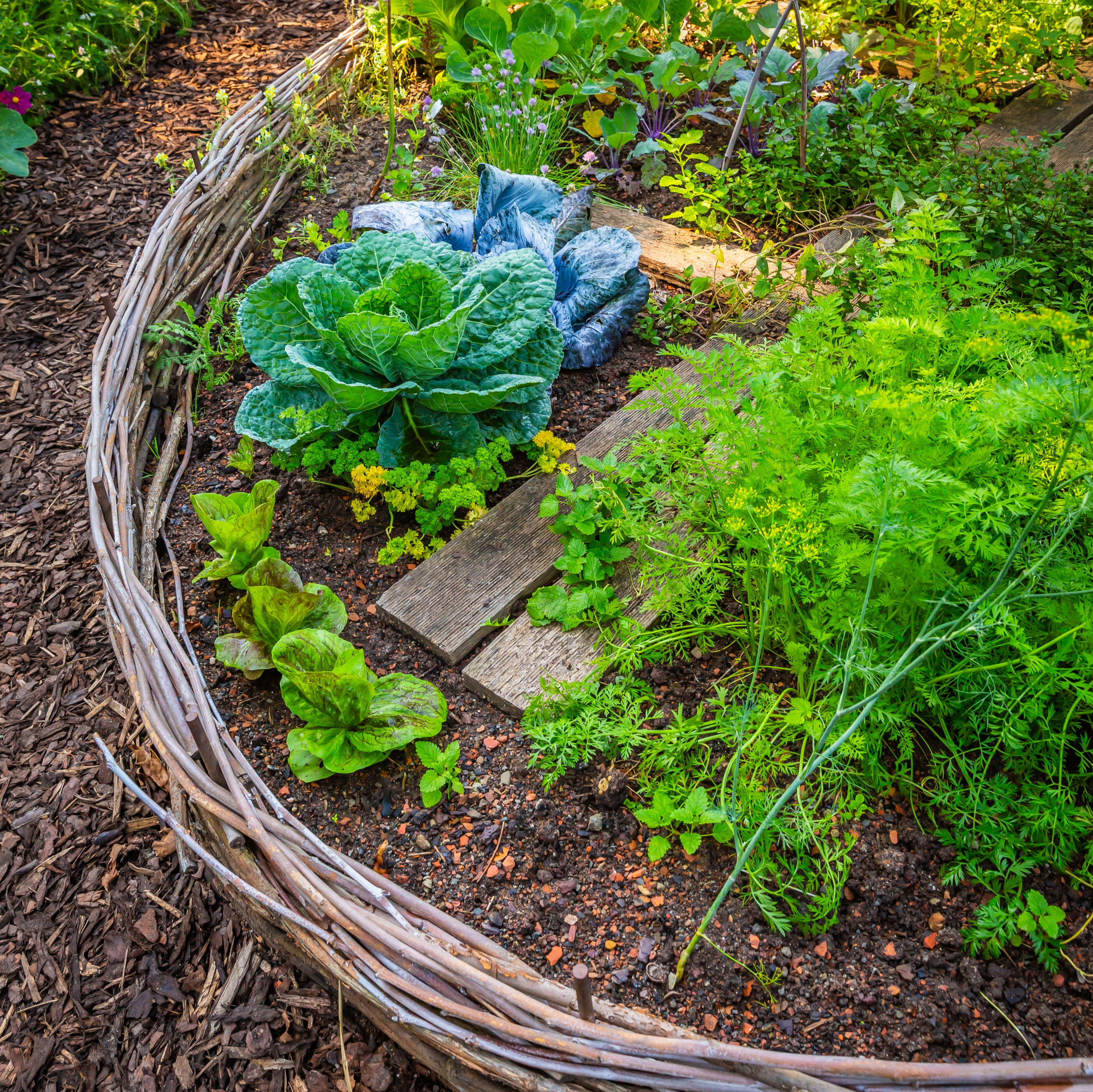
Small willow raised garden bed planted with healthy green vegetables
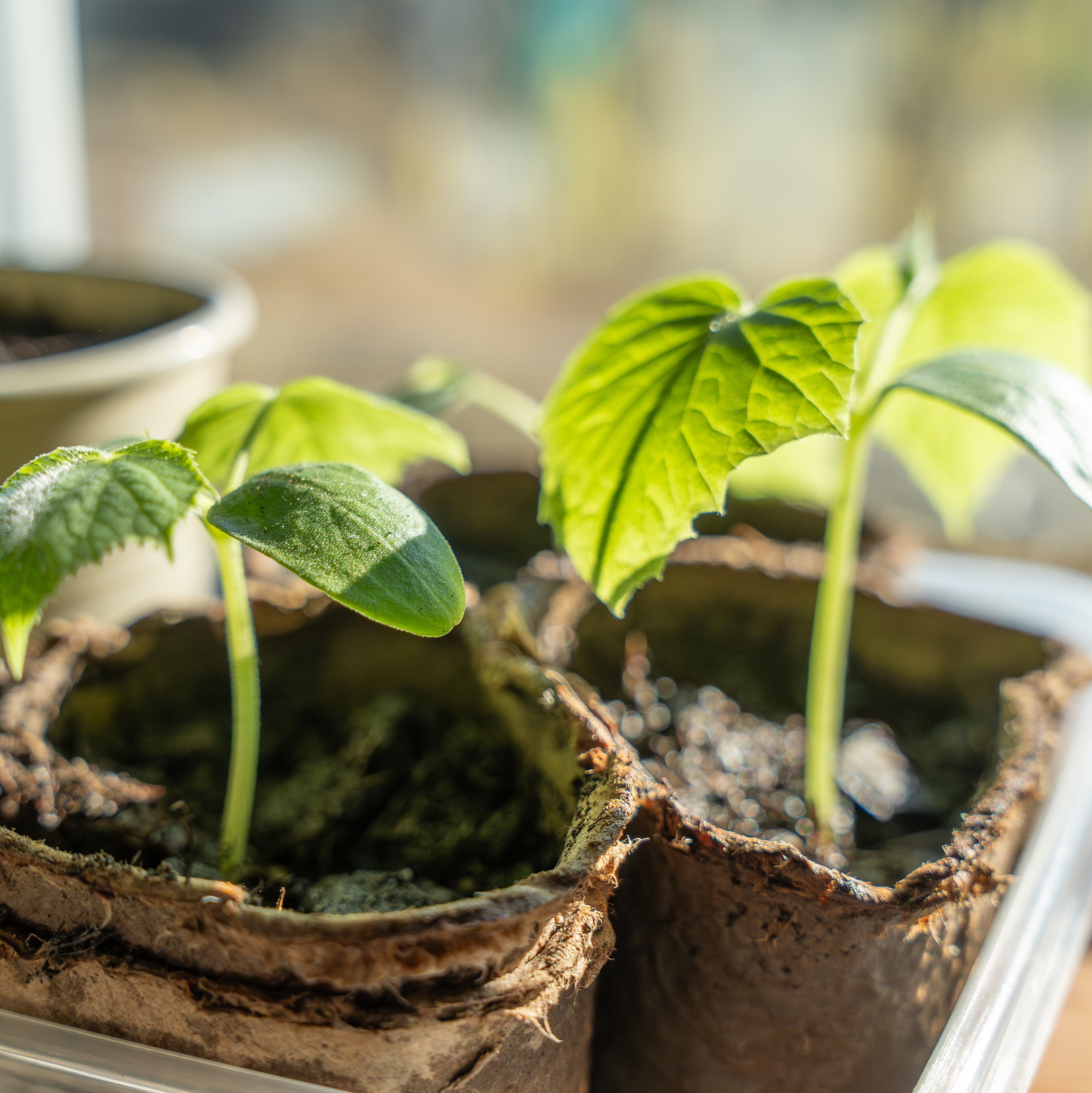
Young vegetable seedlings growing in biodegradable pots filled with compost.
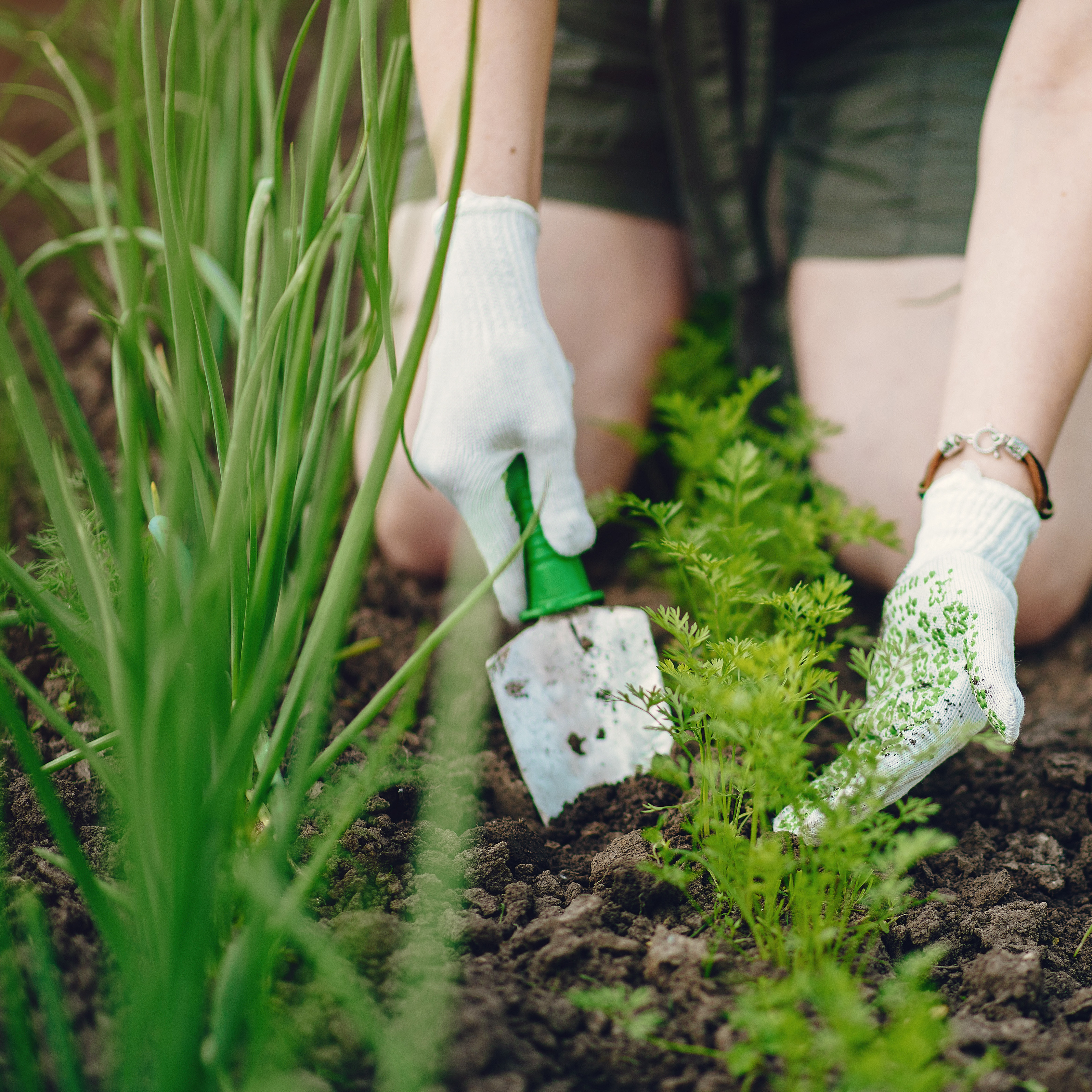
Young carrots growing alongside onions in a raised organic garden bed, demonstrating companion planting.

Many new organic gardeners try to change everything at once. In reality, gradual changes are often more successful and easier to maintain. A more sustainable approach is to introduce organic methods gradually and make thoughtful choices as your garden develops.

Start by focusing on simple changes such as:

  • Reusing existing pots, containers and garden materials where possible
  • Choosing biodegradable pots, twine and natural mulches instead of plastics
  • Selecting plants that grow well together and naturally support pollinators
  • Adding compost or organic matter to improve soil health
  • Reducing the use of chemical feeds and pesticides

These small changes can have a big impact over time, helping you create a healthier, more environmentally friendly garden without feeling overwhelmed. Even simple organic gardening practices can make a noticeable difference within a single growing season.

๐ŸŒž How to Start an Organic Garden Successfully

๐ŸŒผ Choose the Right Location

Most plants, flowers, fruit and vegetables require at least six hours of sunlight each day. Healthier plants are naturally more resistant to pests and disease.

When choosing where to grow:

  • Select a sunny, sheltered spot
  • Avoid waterlogged areas
  • Ensure good airflow around plants
  • Position crops close to a water source if possible

๐Ÿงช Understand Your Soil

Healthy soil is the foundation of successful organic gardening.

A simple soil pH test kit can help determine whether your soil is acidic, neutral or alkaline. This makes it easier to select plants that will thrive naturally in your conditions.

You can also test soil texture at home:

  • Clay soil feels sticky and holds shape
  • Sandy soil crumbles easily
  • Loam soil feels soft and balanced

Improve Soil Naturally

Add organic matter regularly to improve fertility and structure:

  • Garden compost
  • Well-rotted manure
  • Leaf mould
  • Homemade compost

Healthy soil retains moisture better, supports beneficial organisms and produces stronger plants.

๐Ÿ‘‰ Pro Tip: Never leave soil uncovered for long periods. Bare soil quickly loses moisture, nutrients and structure through rain, wind and sun exposure, while also creating the perfect conditions for weeds to spread. Adding a natural mulch helps protect and feed the soil while keeping your garden healthier and easier to maintain.

๐ŸŒ Natural Pest Control Without Chemicals

A common concern for beginners is dealing with pests organically. The good news is that a healthy garden ecosystem often controls itself naturally.

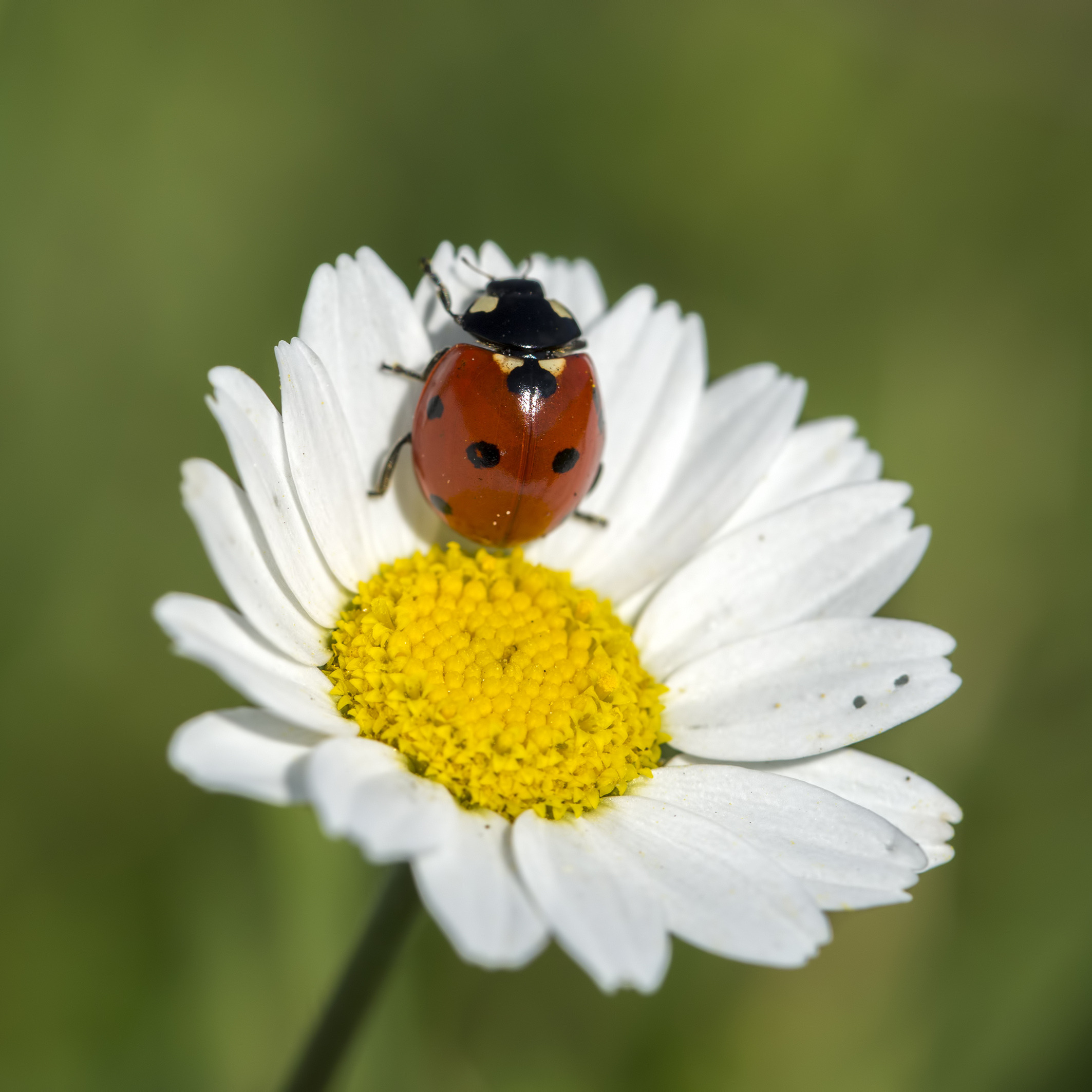
Close-up of a ladybird resting on a white daisy with a bright yellow centre, symbolising natural and organic pest control in a garden setting.

Encourage Beneficial Wildlife

Helpful creatures include:

  • Ladybirds that eat aphids
  • Lacewings that control greenfly
  • Hedgehogs that feed on slugs
  • Birds that eat caterpillars and insects
  • Frogs and toads that reduce pests naturally

Adding a small pond, bug hotel or bird feeder can significantly improve biodiversity.

Plants That Attract Pollinators

Include pollinator-friendly flowers such as:

  • Marigolds
  • Cosmos
  • Alyssum
  • Lavender
  • Yarrow
  • Wildflowers such as poppies, cornflowers, yarrow and cow parsley

These attract bees, butterflies and beneficial insects while adding colour to your garden.

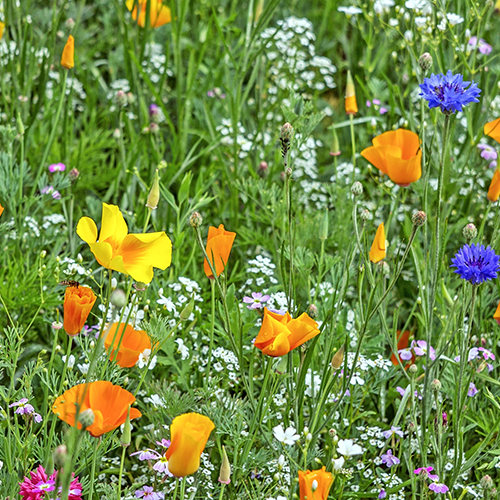
A vibrant wildflower patch creating a natural habitat that supports pollinators and beneficial insects for organic pest control.

๐ŸŒ Organic Slug Control

Slugs and snails are a common challenge in Organic Gardening, especially during damp weather. While traditional remedies such as copper tape, grit barriers and beer traps are often recommended, recent studies suggest their effectiveness can be inconsistent in real garden conditions.

Instead, focus on creating a balanced garden ecosystem and protecting vulnerable plants naturally.

More reliable organic approaches include:

  • Encouraging natural predators such as hedgehogs, frogs, birds and ground beetles
  • Watering plants in the morning rather than the evening
  • Growing stronger seedlings before planting out
  • Using physical protection such as cloches or netting for young plants
  • Removing hiding places near vulnerable crops
  • Hand-picking slugs during damp evenings if numbers become excessive
  • Using wildlife-friendly organic controls only when absolutely necessary

๐Ÿ‘‰ Expert Tip: Healthy gardens with good biodiversity often experience fewer severe slug problems over time, as natural predators help keep populations balanced naturally.

๐ŸŒฟ Rotate and Refresh Your Planting Each Year

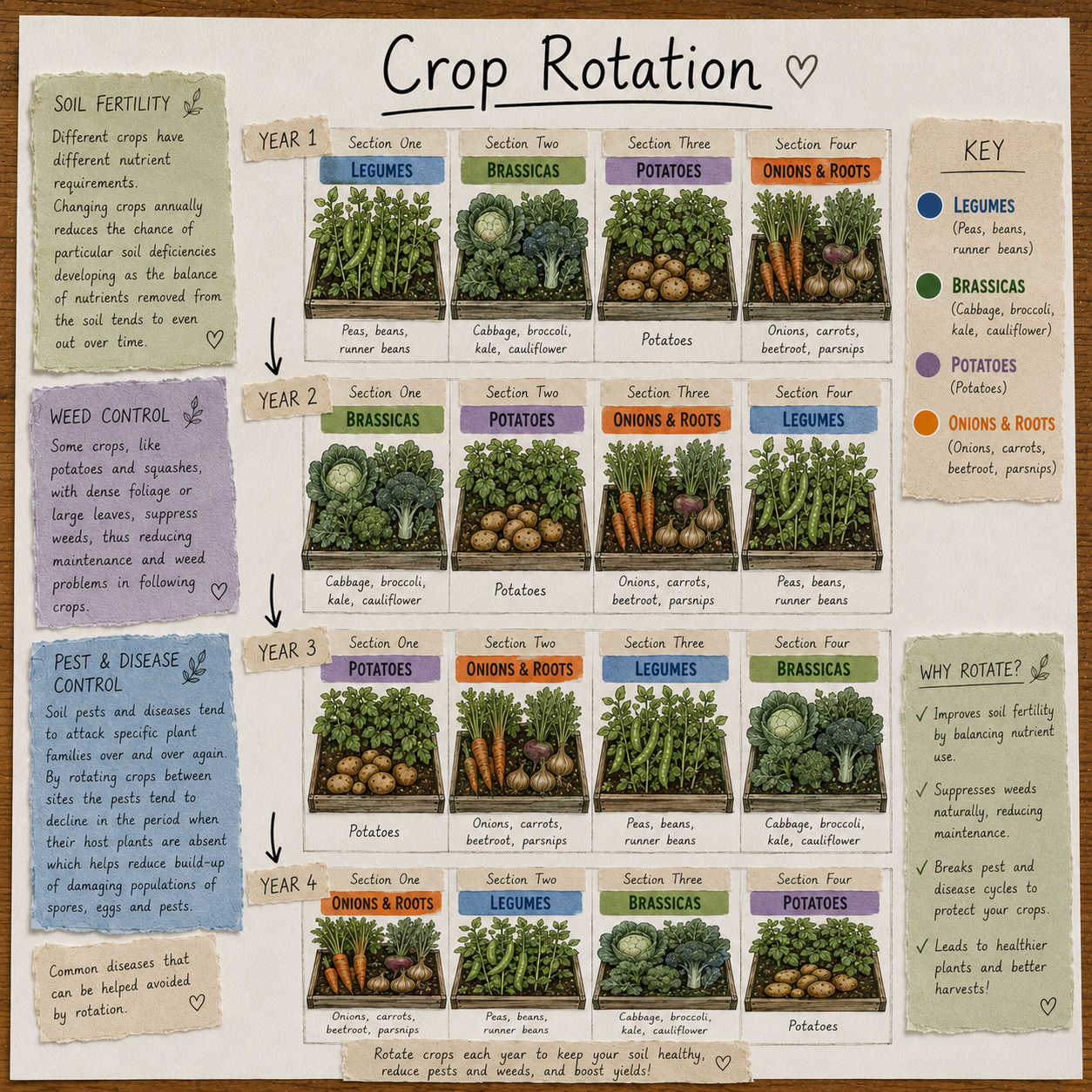
Thoughtful planting helps create a healthier and more balanced organic garden. Repeatedly growing the same types of plants in one area can gradually reduce soil nutrients and encourage pests or diseases to build up over time.

Try to vary planting areas each season and combine a mixture of:

  • Flowering plants for pollinators
  • Shrubs and ornamental plants for structure
  • Fruit and vegetable crops
  • Nitrogen-fixing plants such as peas or beans
  • Ground cover plants to protect soil naturally

Companion planting can also help improve biodiversity and support healthier growth by attracting beneficial insects and creating a more resilient garden ecosystem.

Changing planting combinations and locations regularly helps maintain healthier soil and encourages stronger plants throughout the garden.

Hand-drawn crop rotation infographic showing a four-year organic gardening plan with colour-coded vegetable groups and illustrated raised beds.
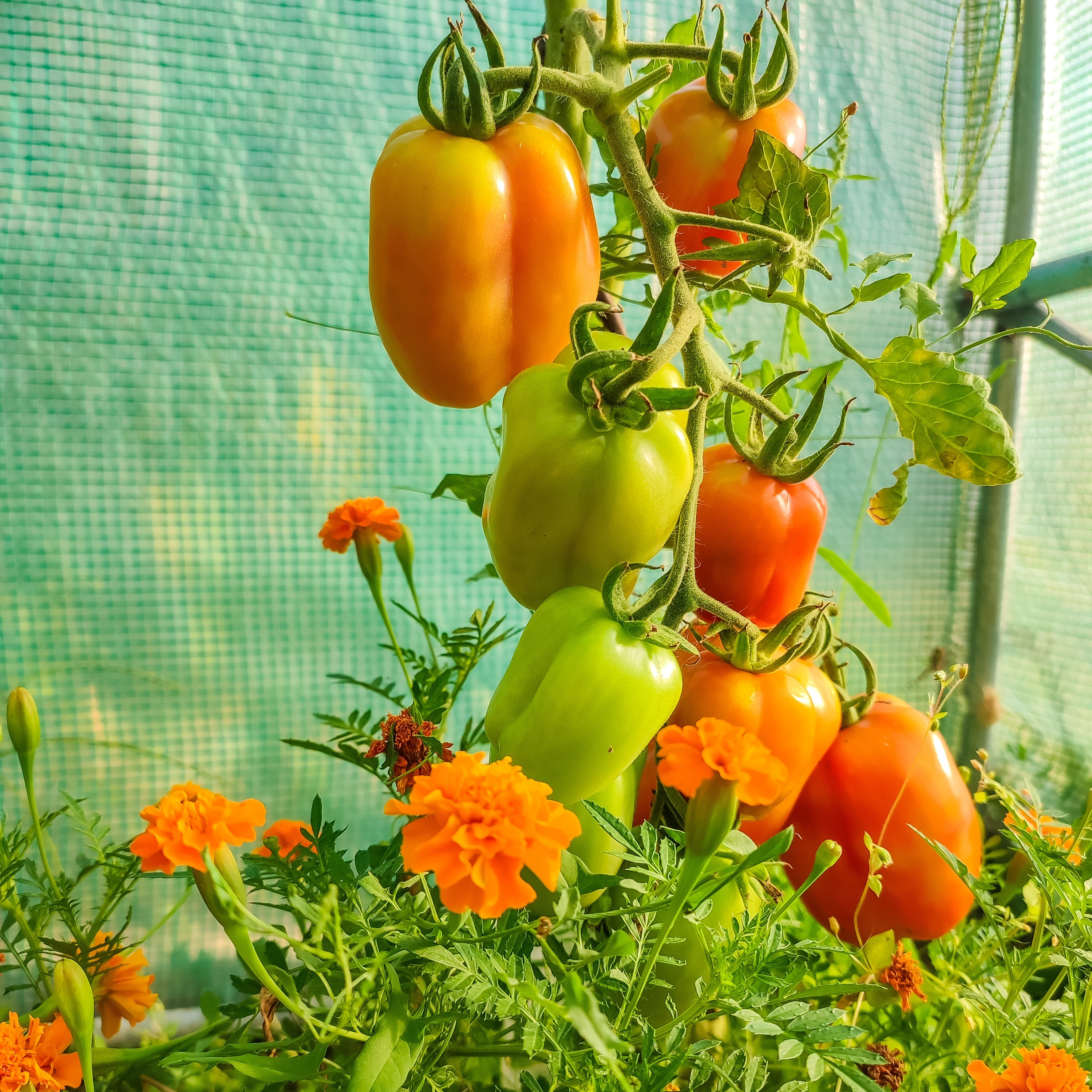
Companion planting with tomatoes and marigolds

๐ŸŒฑ Choose Organic Seeds and Plants

Choosing organic seeds and organically grown plants is a great way to support healthier, more sustainable gardening practices from the very beginning.

Organic seeds and plants are often:

  • Grown without synthetic chemical treatments
  • Better suited to natural growing conditions
  • More resilient and environmentally friendly
  • Beneficial for pollinators and garden biodiversity
  • Ideal for supporting healthy soil and ecosystems

Many gardeners also find that organically grown flowers, herbs, fruit and vegetables develop stronger growth and better flavour while helping create a more balanced organic garden overall.

Water Wisely

Water deeply but less frequently to encourage strong root growth.

Morning watering is ideal because it reduces evaporation and lowers the risk of fungal diseases.

๐Ÿ‘‰ Expert Tip: Install a water butt to collect rainwater. Plants generally prefer rainwater over heavily treated tap water.

๐ŸŒ Why Organic Gardening Benefits the Environment

Organic gardening supports the wider environment in several important ways:

  • Reduces chemical pollution
  • Protects pollinators
  • Improves soil biodiversity
  • Supports local wildlife
  • Encourages sustainable gardening practices
  • Helps store carbon in healthy soils

Even a small organic garden can become a valuable habitat for wildlife.

Choosing natural gardening methods also helps create a safer environment for children and pets.

๐ŸŒฟ Enjoy the Benefits of Organic Gardening

Organic gardening is about more than simply avoiding chemicals. It is about creating a healthier, more sustainable outdoor space that works in harmony with nature. By improving your soil, supporting wildlife and making thoughtful planting choices, you can create a garden that becomes stronger and more balanced year after year.

Small organic changes can have a lasting impact on the health and beauty of your garden. Over time, you will encourage more pollinators, healthier plants and a more resilient growing environment that can be enjoyed throughout every season.

๐ŸŒธ Visit Our Garden Centre in Kington

Organic gardening starts with good advice and the right products. Our friendly team can help you choose peat-free compost, suitable plants and practical gardening essentials to help your garden thrive naturally.

๐Ÿ‘‰ย Visit usย inย Kington. Explore our range of plants, gardening essentials and eco-friendly products, and let us help you create a healthy, thriving organic garden that works in harmony with nature.