Organic pest control tips

🌿 Organic Pest Control: Natural Ways to Protect Your Garden

Pests are a normal part of a garden, and a small amount of damage rarely means that action is necessary. Organic pest control focuses on preventing serious problems and managing pests with minimal impact on beneficial insects and other wildlife.

Healthy plants, natural predators, good garden hygiene and appropriate growing conditions can all reduce the need for pesticides. When intervention is needed, physical and biological controls provide targeted ways to protect vulnerable plants.

🌱 Why Choose Organic Pest Control?

Organic pest control aims to prevent pest damage from becoming unmanageable while allowing beneficial insects and other wildlife to remain part of the garden.

Benefits of an Organic Approach

  • Protects beneficial insects and other wildlife
  • Encourages natural predators of garden pests
  • Reduces reliance on pesticides
  • Supports a more diverse garden ecosystem

🌼 Build Strong Plants from the Start

Healthy plants are better equipped to cope with minor pest damage, so good growing conditions are an important part of organic pest control. Rather than waiting for problems to appear, start by giving plants the conditions they need to establish strong roots and healthy growth.

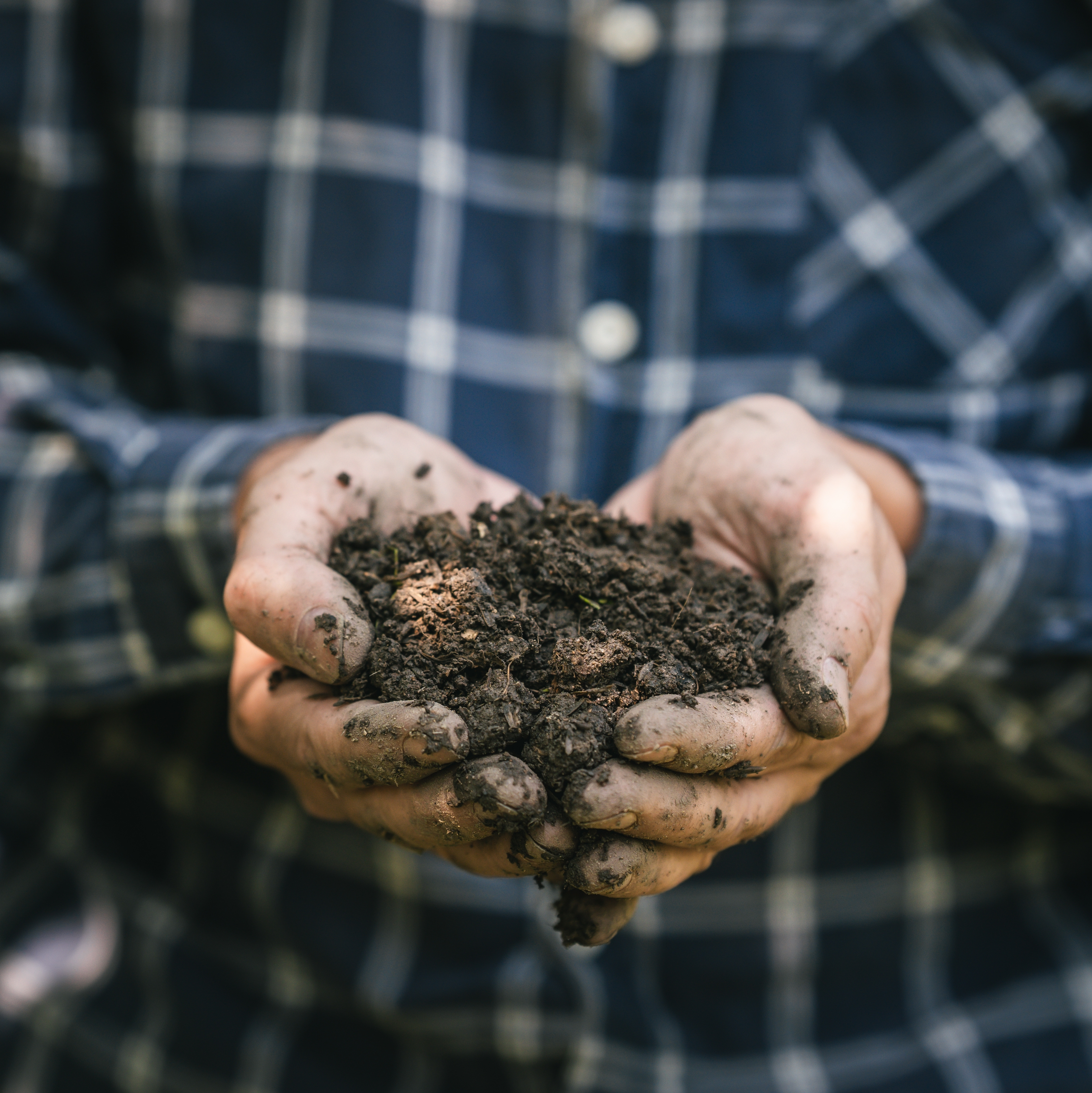
Soil health plays a major part in this. Adding well-rotted manure or garden compost can improve soil structure, support soil life and help the ground retain moisture while still draining effectively. Choosing plants that suit your soil, light levels and available space will also reduce unnecessary stress.

Avoid overfeeding in an attempt to encourage faster growth. Excessive feeding can produce soft, leafy growth that is particularly attractive to some pests, including aphids. Aim instead for steady, balanced growth and plants that are well suited to their position.

Organic compost for improving garden soil and plant health

🐞 Encourage Beneficial Insects

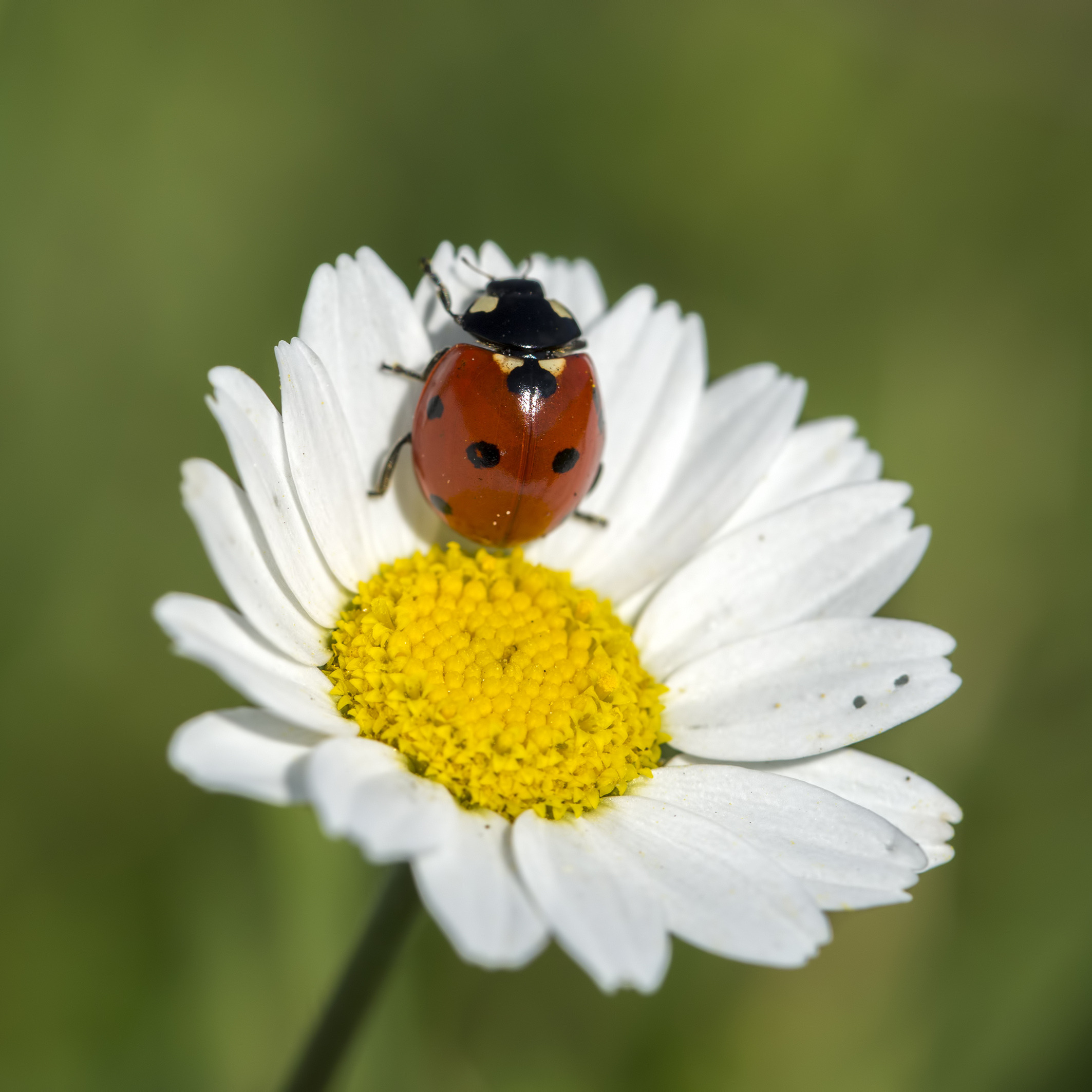
A black and red spotted ladybird on a daisy flower

Many garden insects are natural predators of common pests. Ladybirds, hoverfly larvae and lacewing larvae feed on aphids and other small insects, helping to keep pest populations under control.

Ways to encourage beneficial insects include:

  • 🌼 Grow a variety of flowering plants across the seasons
  • 🌿 Include different heights and types of planting to create varied habitats
  • πŸ‚ Leave some leaf litter and plant stems in suitable areas over winter
  • πŸͺ΅ Provide undisturbed spaces where insects can shelter
  • 🐞 Avoid unnecessary pesticide use that may also harm natural predators

Natural predators won’t remove every pest, but they can help keep populations manageable and reduce the need for intervention.

🌸 Use Companion Planting

Companion planting involves growing different plants together so that one or both may benefit. In organic pest control, mixed planting can make crops harder for some pests to locate and can also provide food for the beneficial insects that prey on them.

Not every traditional companion planting combination has been proven to work consistently, so it is better to use it as part of a wider approach to pest management rather than relying on individual plant pairings.

Some useful approaches include:

  • 🌼 Plant French marigolds near tomatoes – research has shown that thisΒ can help deter whitefly and thrips.
  • 🌿 Mix crops rather than growing large blocks of a single plant – greater plant diversity can make it harder for some pests to locate their preferred host.
  • 🌸 Grow nectar- and pollen-rich flowers among edible crops – these can attract hoverflies and other beneficial insects whose larvae prey on aphids.
  • 🌱 Use low-growing companion plants around brassicas – clover and trefoil can help disguise crops from cabbage root fly.
  • 🐞 Include flowers such as alyssum around susceptible crops – alyssum grown with lettuce has been shown to attract natural aphid predators and reduce aphid populations.

Companion planting will not prevent every pest problem, but used alongside healthy soil, plant diversity and natural predators, it can contribute to a more resilient growing environment.
🐦 Welcome Birds into Your Garden

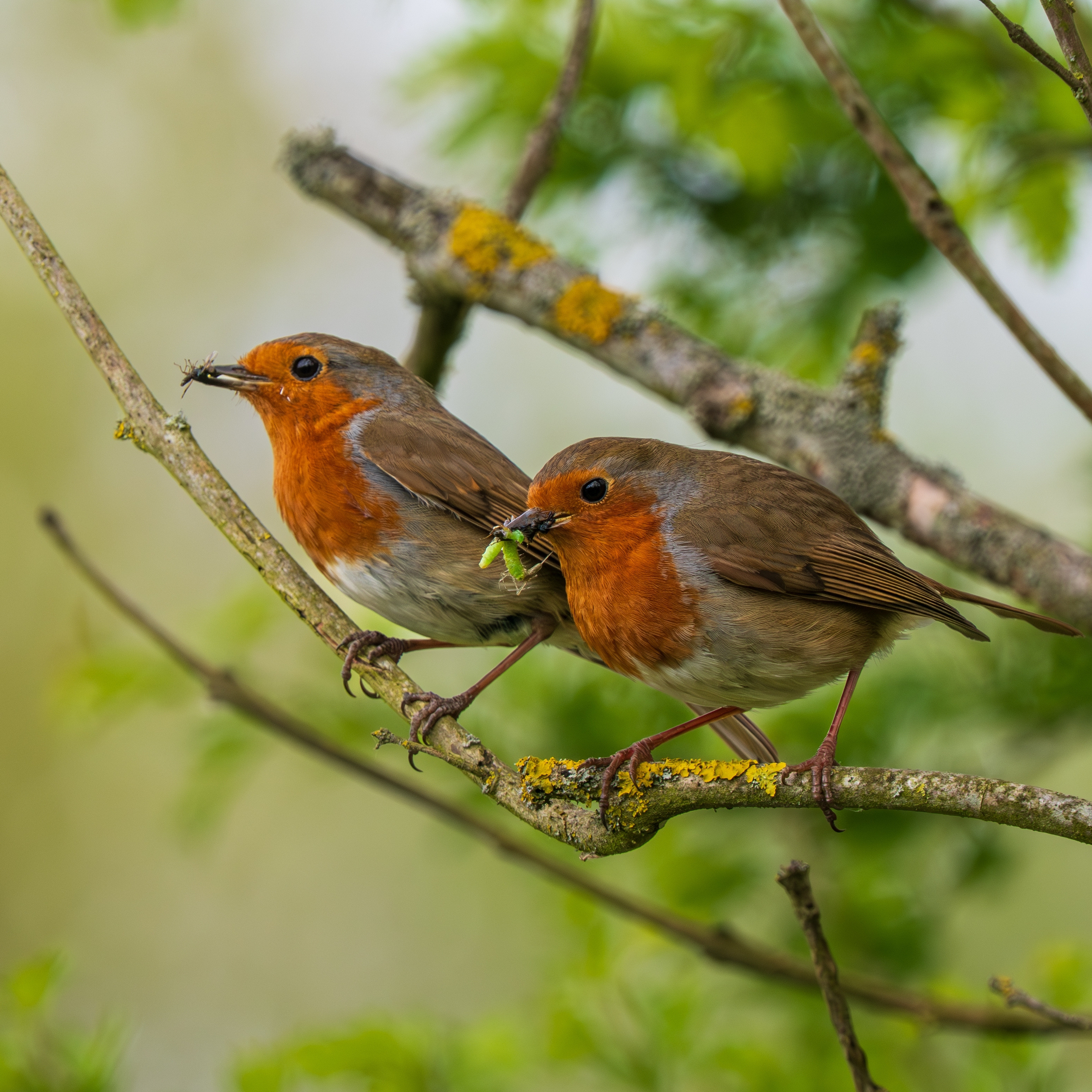
Many garden birds feed on insects, caterpillars and other invertebrates, making them a useful part of a garden where pest populations are managed naturally. During spring and early summer, insect-eating species can be particularly active as they gather food for their young.

How to attract birds:

  • Install feeders and provide fresh water
  • Plant berry-producing shrubs
  • Grow ivy for shelter and nesting
Robins feeding on garden insects and caterpillars

🐸 Add Water Features for Wildlife

A pond can attract frogs, toads and other wildlife that feed on garden invertebrates, including slugs and insects. Even a small pond can provide useful habitat, particularly when it includes shallow areas and planting that allows wildlife to enter and leave safely.

Ponds also provide drinking and bathing opportunities for birds and support aquatic insects, adding another layer of biodiversity to the garden.

πŸ‘‰ Tip: Avoid introducing fish if wildlife is the priority, as they can eat tadpoles and aquatic insect larvae. Where possible, allow ponds to fill naturally with rainwater and top up with rainwater during prolonged dry periods.

🐌 Manage Slugs and Snails Naturally

Slugs and snails are a natural part of any garden, and some damage is normal. Rather than trying to eliminate them, organic pest control focuses on reducing harm and protecting vulnerable plants like seedlings and soft young shoots.

🌿 Ways to Reduce Damage

  • Choose resistant plants
    Go for woody plants or those with thick, waxy leaves.
  • Plant stronger specimens
    Transplant established plants instead of seedlings. Use cloches for protection.
  • Encourage predators
    Birds, frogs, toads, hedgehogs, and ground beetles all help control slug populations.
  • Hand-pick when active
    Check at night or in damp conditions and move them to less sensitive areas.
  • Water in the morning
    Drier soil overnight reduces slug activity.

⚠️ Do Barriers Work?

Barriers such as crushed eggshells, grit, bark, wool pellets and copper tape are widely recommended, but research has found them unreliable in garden conditions. Rather than relying on barriers alone, concentrate on protecting vulnerable plants, encouraging natural predators and using other control methods where necessary.

🌍 Preventing Pest Problems

  • Rotate crops to reduce the build-up of crop-specific problems
  • Check plants regularly so problems are spotted early
  • Remove heavily infested or diseased material where appropriate

🌿 Visit Our Garden Centre

Organic pest control works best as part of good garden management, combining healthy growing conditions with natural predators and targeted action when plants need protection.

Visit usΒ in Kington to browse our range of garden care products. If you need advice on managing a particular garden pest or choosing an appropriate control method, our team will be happy to help.