
Open today 9:00 - 17:00
Pruning roses encourages strong, healthy growth, improves airflow and helps plants maintain a balanced shape. Removing old, damaged and congested growth can also reduce the risk of disease and encourage better flowering.
Different types of roses require different pruning techniques and, importantly, need to be pruned at different times. This guide explains when and how to prune Hybrid Tea, Floribunda, climbing and rambling roses, along with the tools and techniques you’ll need to get started.
Roses benefit from regular pruning to remove old, damaged and congested growth and make room for healthy new stems. It also helps maintain the plant’s shape and prevents branches from becoming overcrowded or rubbing against one another.
Opening up dense growth allows better air circulation through the plant, which can help reduce conditions that favour some fungal diseases.
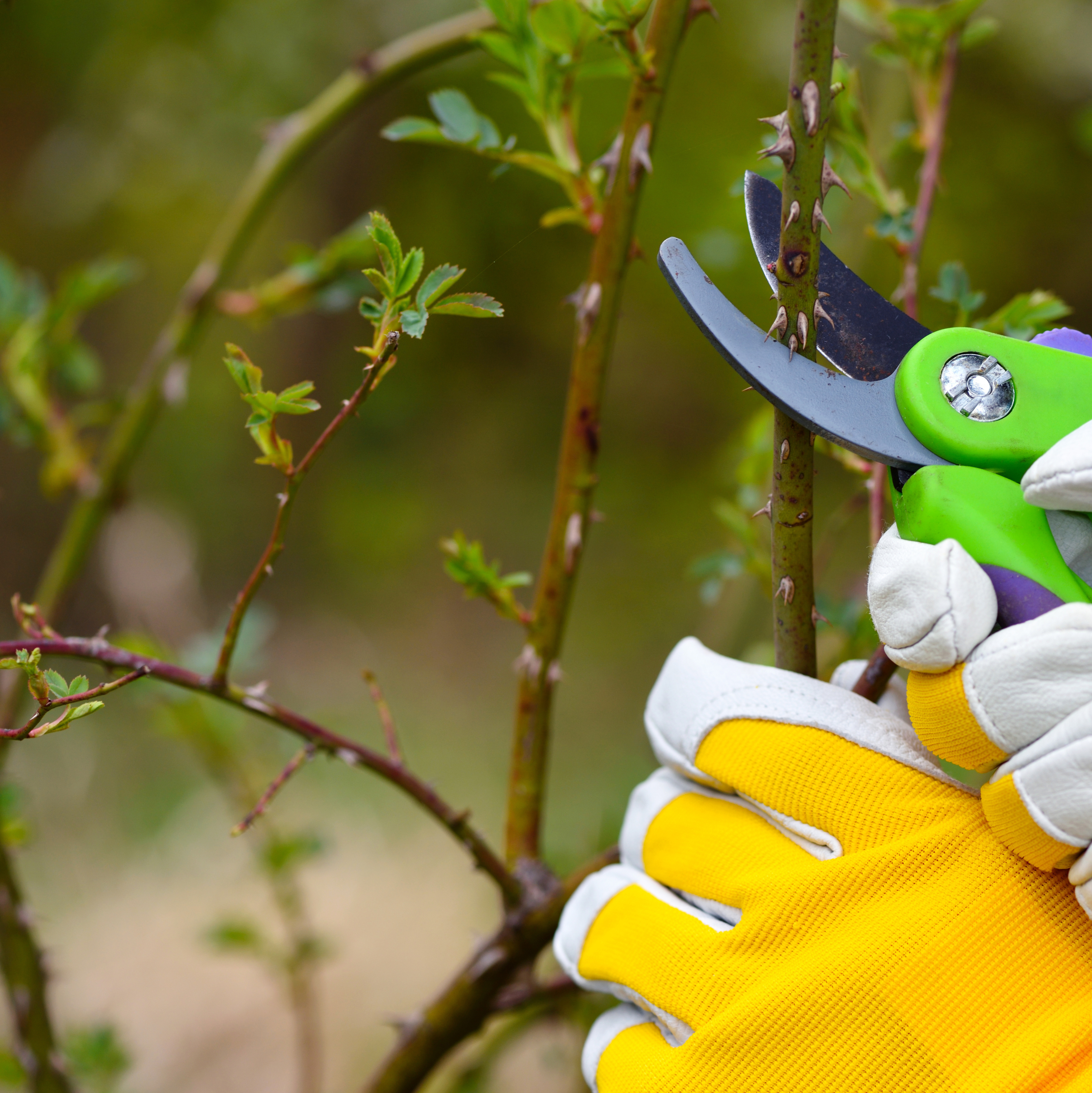
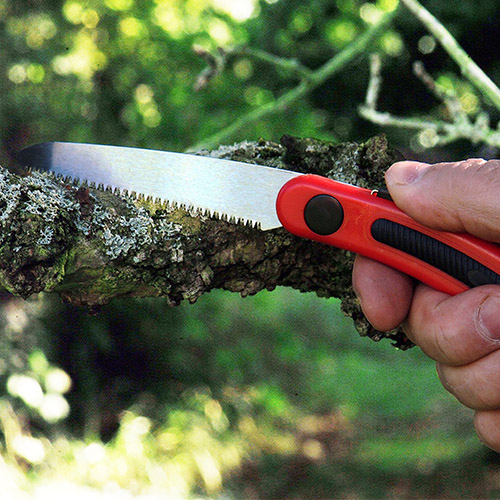
Using the right tools makes pruning easier and helps you make clean cuts without damaging the stems.
You will need:
Top tip: Keep pruning tools sharp and clean. Clean blades make better cuts, and cleaning tools after removing diseased growth can help avoid transferring plant material between roses.
The best time to prune roses depends on the type of rose and when it flowers. Most repeat-flowering bush roses are pruned in late winter, while rambling and other once-flowering roses are generally pruned after flowering in summer.
Hybrid Tea and Floribunda roses are generally pruned in late winter, usually February or March, as they begin to come back into active growth.
Most climbing roses are pruned in late winter, when the leaves have fallen and the framework of stems is easier to see. This is also a good opportunity to remove dead or damaged growth and secure stems to their supports.
Rambling roses generally flower on growth produced in previous seasons, so pruning them heavily in winter can remove stems that would otherwise flower.
Prune after flowering in late summer, removing older stems where necessary and tying in vigorous new growth that will carry future flowers.
A small caveat: If you’re unsure which type of rose you have, it is worth identifying it before carrying out extensive pruning. This is particularly important with climbers and ramblers, as their pruning requirements differ.
Before shaping the rose or shortening healthy stems, start by removing growth that the plant no longer needs.
Take a little time to look at the plant as you work. Removing unwanted growth first makes it much easier to see the rose’s natural shape and decide which healthy stems should remain.
Important: Collect diseased leaves and prunings from around the plant and dispose of them rather than adding them to your home compost heap.
Once dead, damaged and unwanted growth has been removed, the amount of further pruning required depends on the type of rose you are growing.

Hybrid Tea roses produce large flowers, usually singly or in small groups, on strong upright stems. They flower on new growth, so pruning in late winter encourages vigorous stems that will carry the coming season’s flowers.
To prune a Hybrid Tea rose:
Don’t be concerned if the plant looks considerably smaller after pruning. Established Hybrid Tea roses respond well to fairly hard annual pruning and will produce new growth as the weather warms.
Floribunda roses produce flowers in clusters and tend to develop a bushier shape than Hybrid Tea roses. They also flower on new growth but generally require less severe pruning.
To prune a Floribunda rose:
Older Floribunda roses may also benefit from having one or two of the oldest stems removed close to the base. This encourages fresh growth and helps prevent the plant becoming overcrowded over time.
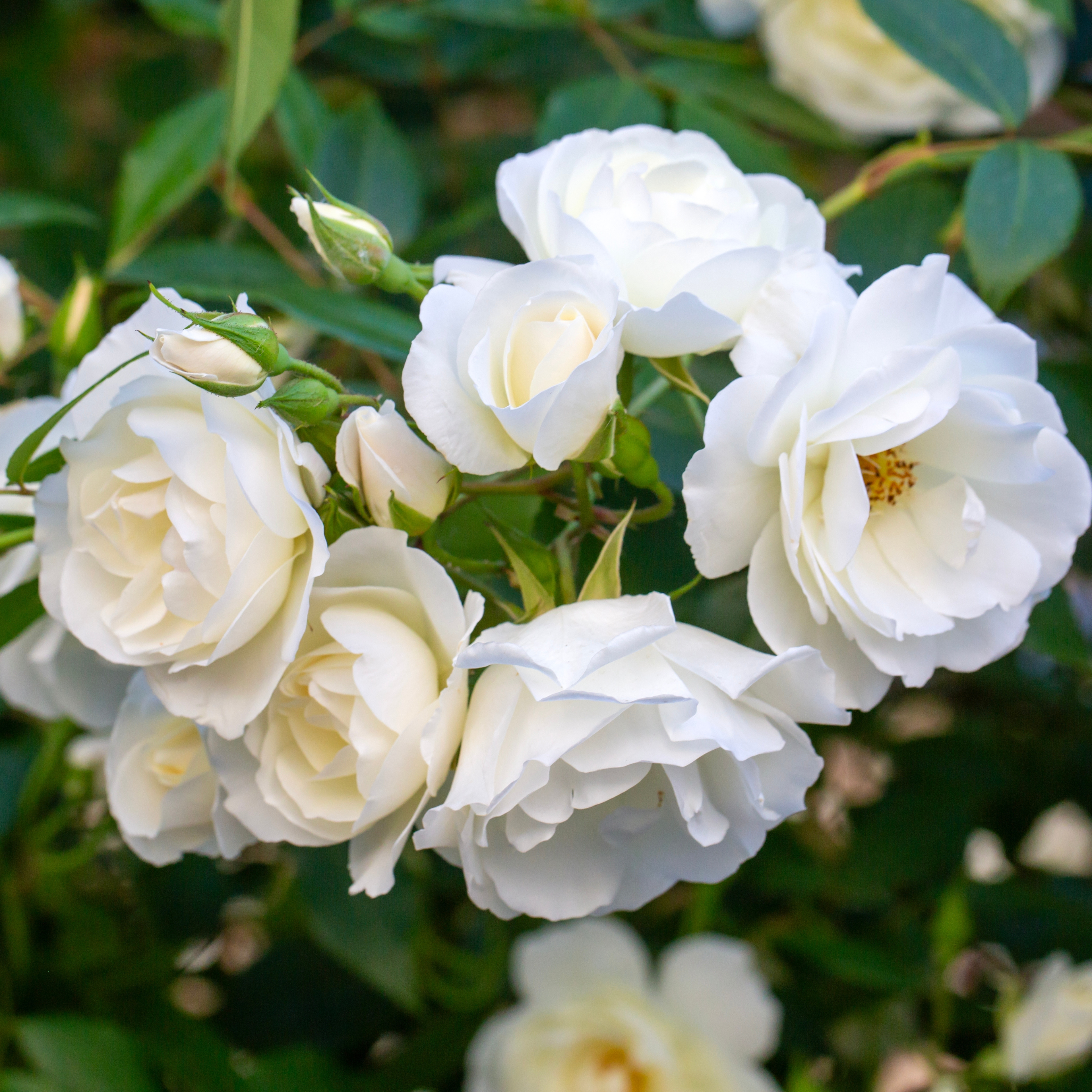
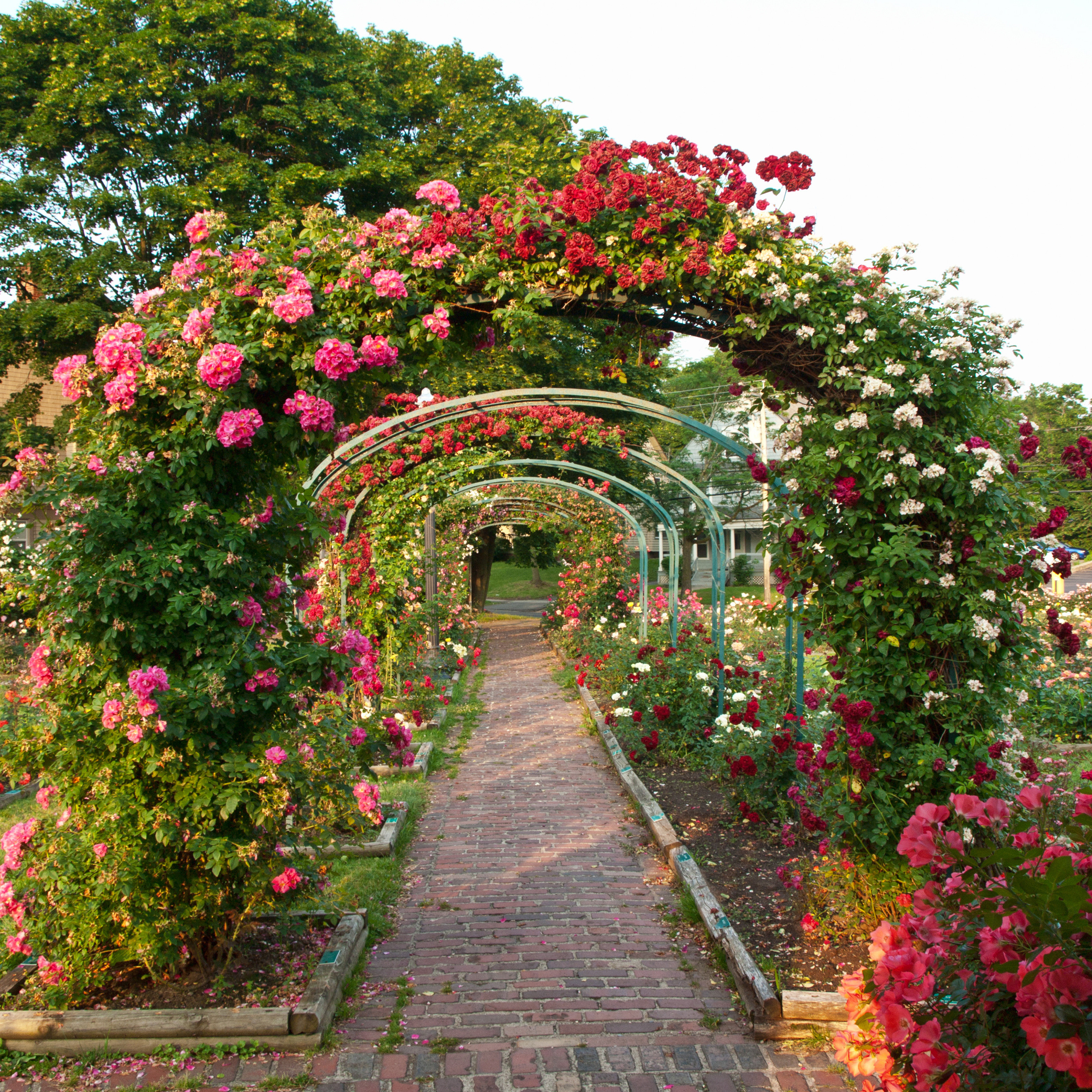
Climbing roses develop a permanent framework of long main stems, with flowers produced on shorter side shoots. Pruning focuses on maintaining this framework, encouraging flowering growth and preventing the plant from becoming congested.
To prune a climbing rose:
Check ties and supports while you work, replacing any that have become tight or damaged. Climbing roses can become heavy as they mature, so stems should be securely supported without being constricted.
Rambling roses are usually more vigorous than climbers and typically produce one main flush of flowers in early summer. Many flower on growth produced in previous seasons, so pruning is generally carried out after flowering rather than in winter.
To prune a rambling rose:
Established ramblers can become very large, so pruning is also an opportunity to keep vigorous growth away from gutters, windows and other areas where it isn’t wanted.
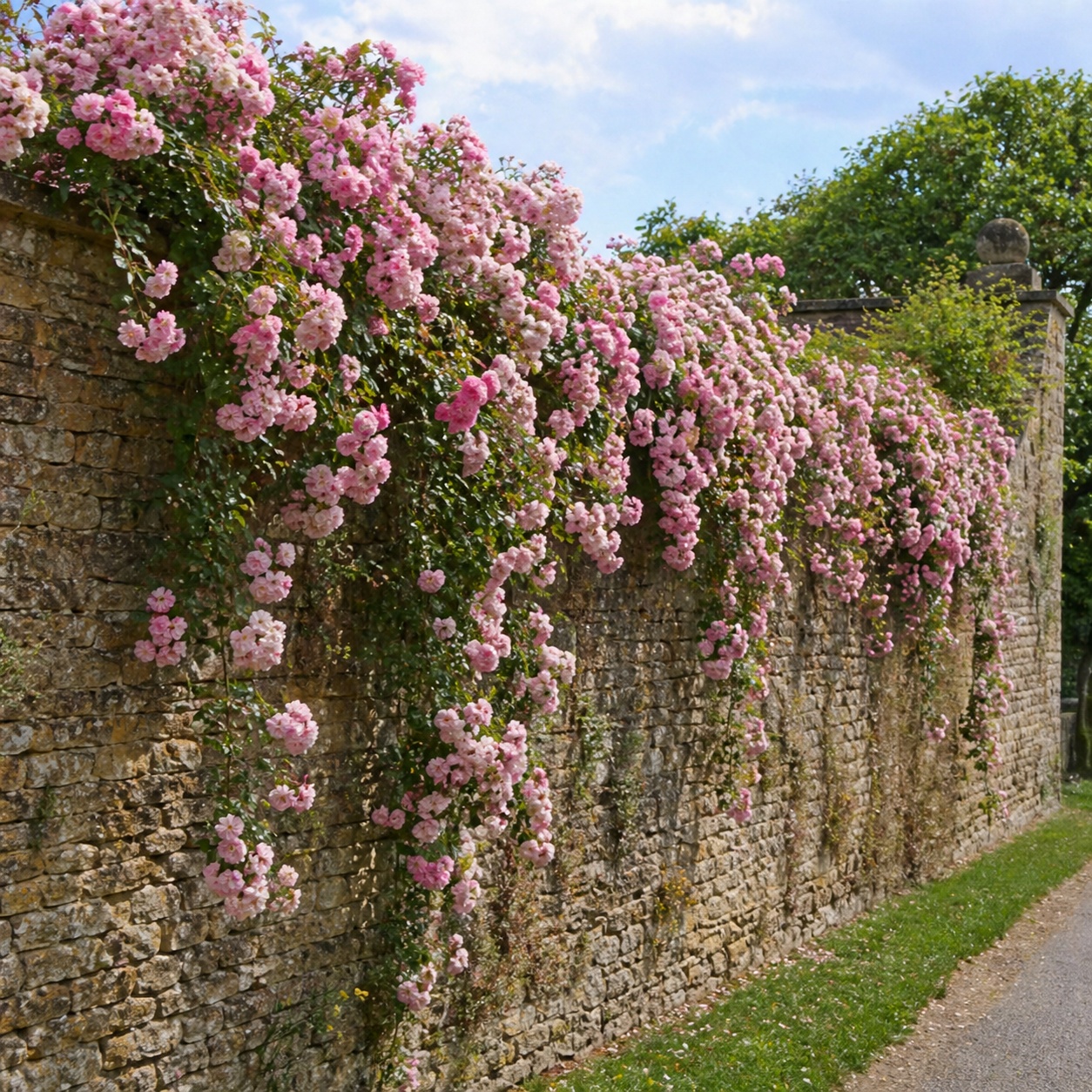
A little aftercare will support healthy new growth as roses return to active growth in spring.
When mulching, leave a small gap around the base of the stems rather than piling material directly against the plant.
Need some advice on choosing or caring for roses? Our knowledgeable team can help you select suitable varieties and offer practical guidance on planting, feeding, pruning and ongoing care.
We stock a wide range of roses, along with secateurs, pruning tools, feeds and other rose care essentials to help you look after your plants throughout the year.
Visit us in Kington, where our team will be happy to offer advice on growing, caring for and pruning roses in your own garden.