
Open today 9:00 - 17:00
A well-maintained lawn starts with a structured lawn care routine. This easy-to-follow calendar table shows exactly what your lawn needs each month, helping you stay on track and achieve a healthy, green garden all year round.

| Season | Month | Key Lawn Care Tasks | Expert Tips |
|---|---|---|---|
| 🍂 Autumn | September | Resume mowing, raise blade height, scarify, aerate, apply autumn fertiliser | Warm soil helps seed establish quickly |
| October | Overseed patchy areas, lay turf, continue aeration, reduce mowing | Keep soil moist for successful germination | |
| November | Apply top dressing, clear leaves, stop mowing | Remove debris to prevent disease | |
| ❄️ Winter | December | Clear leaves and debris, avoid walking on frost | Frost can damage grass structure |
| January | Check drainage, clean and service tools | Prepare equipment for spring use | |
| February | Light tidying, edge maintenance if dry | Plan spring treatments early | |
| 🌱 Spring | March | Start mowing (high setting), apply fertiliser, light scarifying | Gradually reduce cutting height |
| April | Overseed bare patches, increase mowing, apply weed control | Early weed control improves results | |
| May | Regular mowing, water if needed, continue feeding | Strong growth helps crowd out weeds | |
| ☀️ Summer | June | Mow regularly, remove weeds by hand | Avoid cutting grass too short |
| July | Water deeply during dry spells, raise mower height | Water early morning or evening | |
| August | Continue watering, apply nematodes for pests | Prevent chafer grub damage early |
A healthy lawn needs more than regular mowing. Feeding your lawn at the right time provides essential nutrients that encourage strong root growth, improve colour and help grass outcompete weeds and moss.
Different seasons require different nutrients, so choosing the right lawn feed is important.
Apply a spring lawn fertiliser once the soil has warmed up and the grass is actively growing.
Spring feeds are typically higher in nitrogen, which helps:
Spring is also a good time to tackle moss before it becomes a larger problem.
A summer feed can help lawns cope with increased use from family activities, pets and entertaining.
Apply during periods of active growth and water thoroughly afterwards if rain is not forecast.
As temperatures begin to fall, switch to an autumn lawn feed.
Autumn fertilisers contain more potassium and less nitrogen, helping grass:
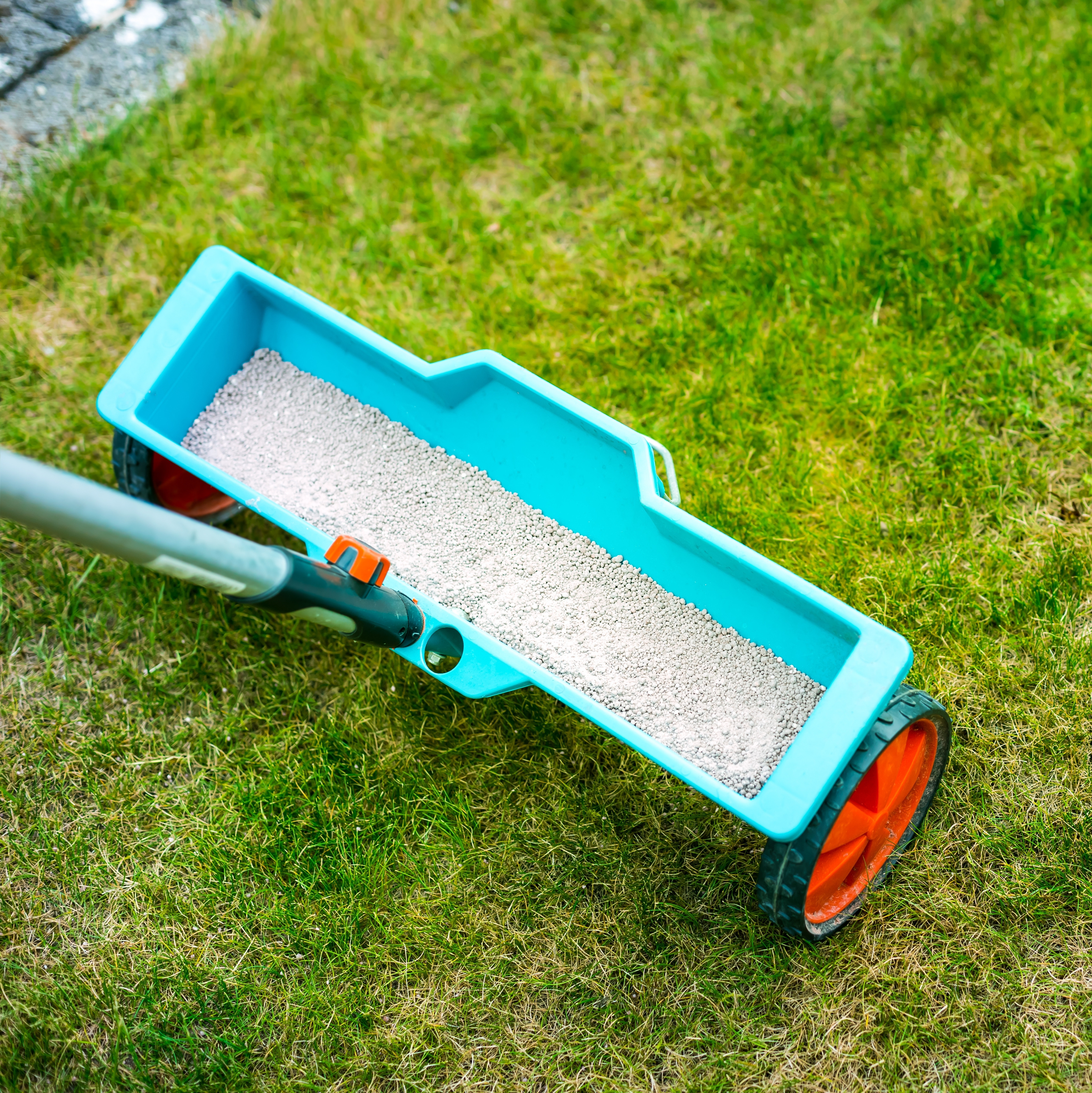
For the best results:
Choosing the right lawn feed and applying it at the correct time of year can make a significant difference to the health and appearance of your lawn. Avoid common mistakes such as overfeeding, applying fertiliser during dry conditions or using the wrong seasonal product. With a consistent feeding routine, your lawn will develop stronger roots, richer colour and improved resilience, helping it stay lush and healthy throughout the growing season.
Even well-maintained lawns can develop thin areas, bare patches and worn sections over time. Overseeding is one of the simplest ways to restore density and improve the overall appearance of your lawn.
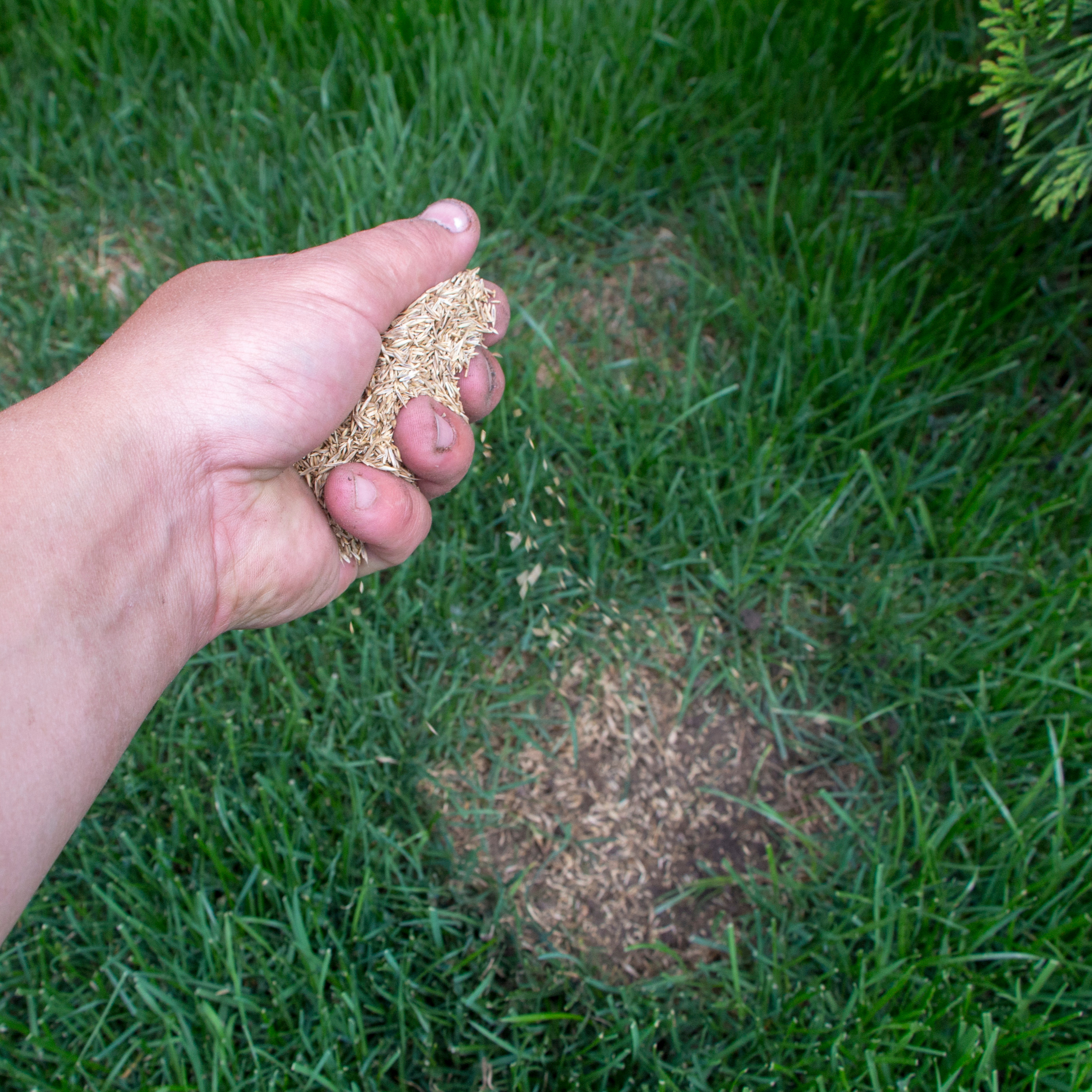
Overseeding involves sowing new grass seed into an existing lawn to thicken the grass and fill gaps.
It is particularly useful for:
The best times to overseed are:
Autumn is often considered the ideal time because soil temperatures remain warm while moisture levels increase.
Keep the area moist while seeds germinate.
Avoid heavy foot traffic until the new grass is established.
Wait until the grass reaches approximately 5cm to 8cm before mowing for the first time.
👉 Expert Tip: Choose a hard-wearing grass seed mix for family gardens that experience regular use from children and pets.
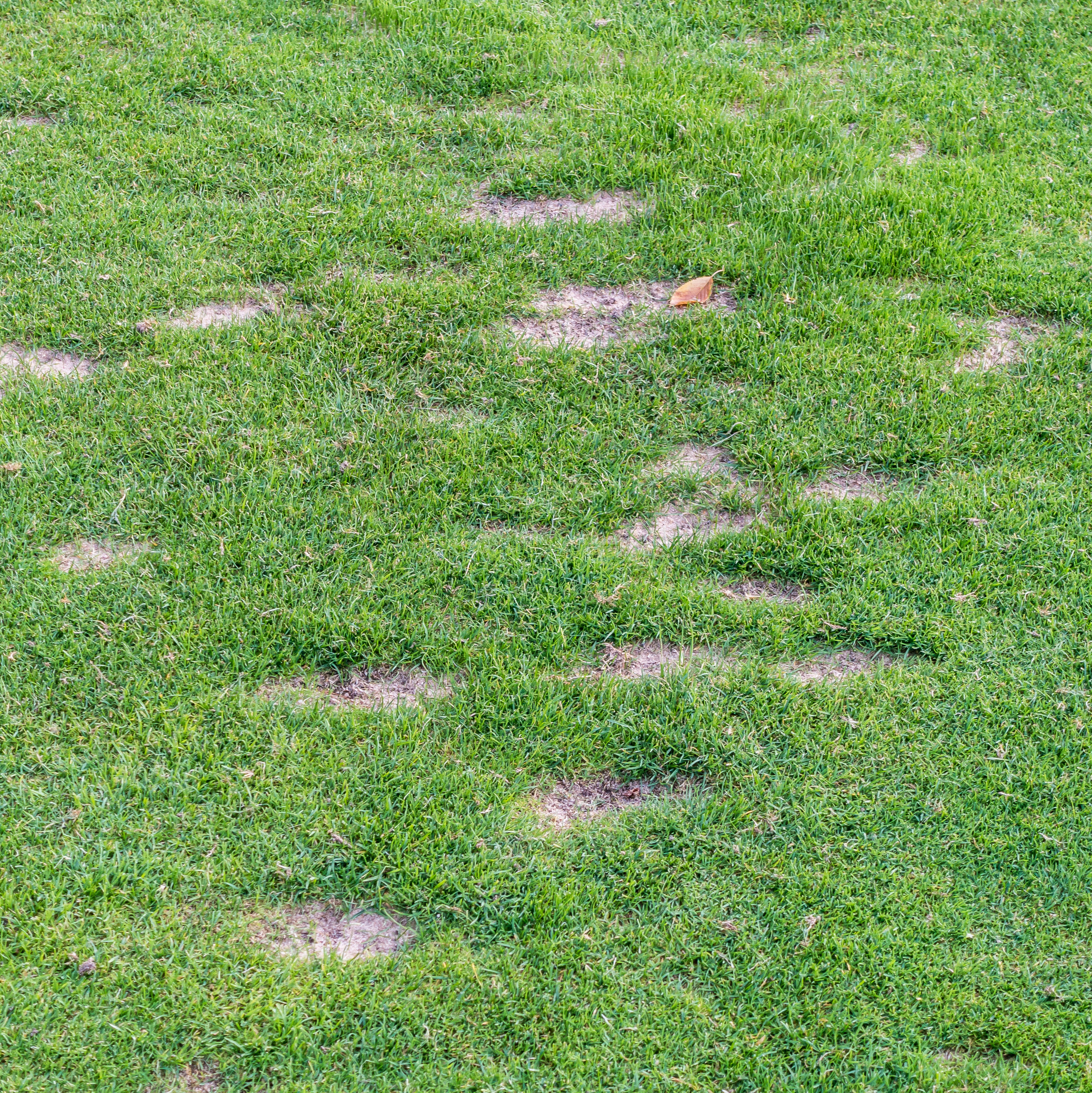
Common causes include:
Regular overseeding can help maintain a thick, healthy lawn year after year.
Regular mowing is essential for maintaining a healthy, attractive lawn, but cutting grass too short can be detrimental. In most situations, a slightly longer lawn will be healthier, greener and more resilient than one that is mown very closely.
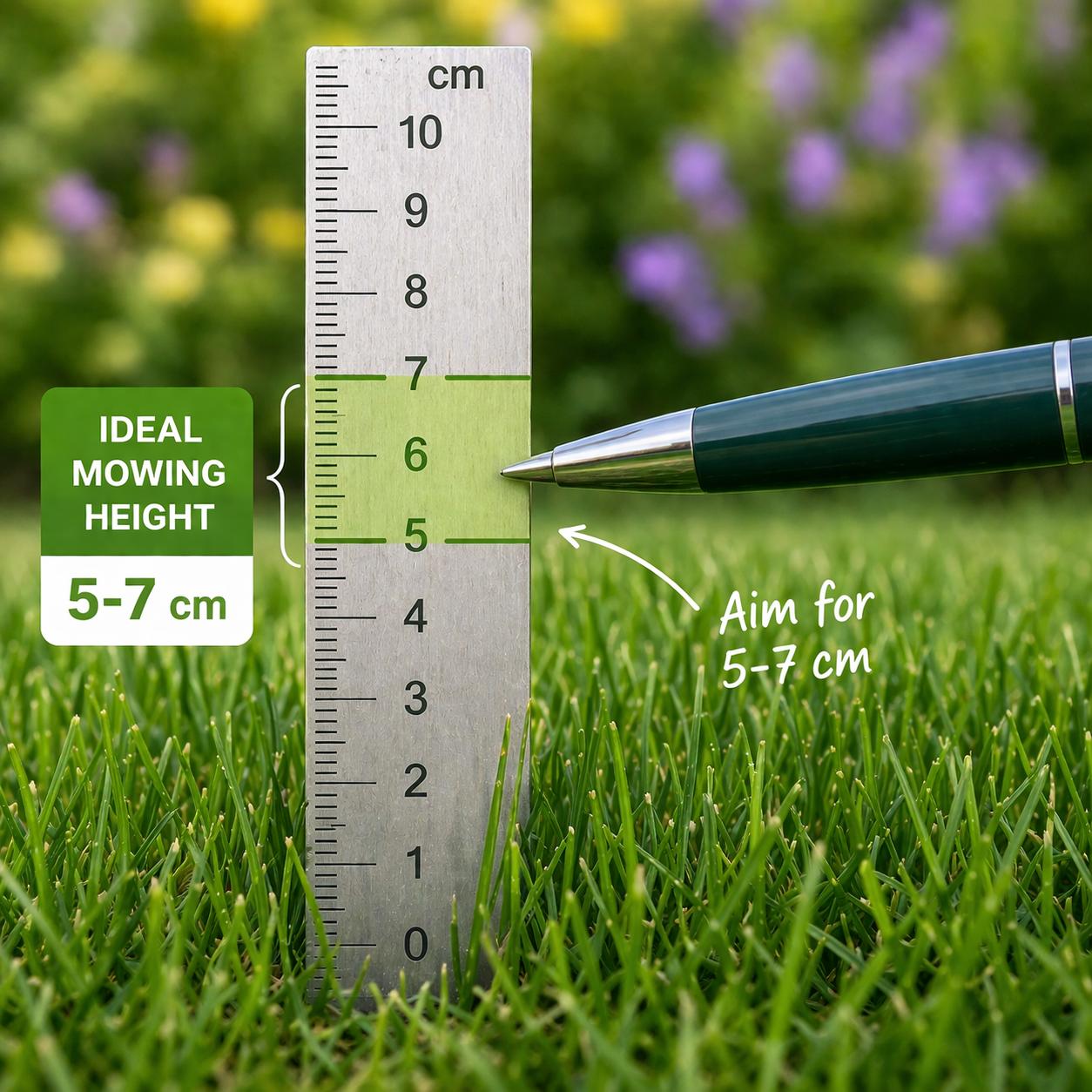
As a general guide, aim to keep your grass around 5cm to 7cm (2 to 3 inches) high. Longer grass develops deeper roots, retains moisture more effectively and is better able to compete with weeds and moss. It is also more resilient during periods of drought and heavy use.
During spring, begin mowing with your mower set on a higher cutting height. After winter, the lawn needs time to recover and establish strong growth. As the season progresses, you can lower the cutting height slightly if desired, but avoid scalping the lawn.
It’s also important to mow little and often during periods of active growth, rather than allowing the lawn to become overgrown before cutting it back heavily. As a rule, never remove more than one-third of the grass height in a single cut, as this can stress the lawn and slow recovery.
The condition of your mower blades can have a surprisingly large impact on the appearance of your lawn. Dull blades tear rather than cleanly cut the grass, leaving ragged edges that can turn brown and make the lawn more vulnerable to disease and stress. Checking and sharpening mower blades at least once a season can make a noticeable difference to the appearance and health of your lawn.
Whenever possible, avoid mowing wet, frosty or drought-stressed grass. Choosing the right conditions and maintaining a sensible mowing height throughout the year will help keep your lawn thick, healthy and looking its best.
Most lawn problems are symptoms rather than causes. Before reaching for a treatment, look at the growing conditions. Improving drainage, reducing compaction, feeding regularly and maintaining a dense lawn will solve many common lawn issues naturally.
A healthy lawn isn’t created by one big job. It’s the result of regular care carried out at the right time of year. By following this lawn care calendar and understanding the principles behind mowing, feeding, aerating and overseeding, you can encourage stronger roots, thicker growth and a lawn that is better equipped to cope with weeds, moss and changing weather conditions.
Small jobs completed consistently throughout the year often deliver the best results, helping you enjoy a greener, healthier lawn in every season.
Good lawn care starts with choosing the right products for the job, from feeding and overseeding to repairing bare patches and tackling common lawn problems.
At Lyonshall Nurseries, you’ll find a wide range of grass seed, seasonal lawn fertilisers, lawn treatments and garden tools, along with practical advice from our knowledgeable team.
Visit us in Kington. We’ll help you choose the right products and provide straightforward guidance to keep your lawn healthy throughout the year.