Poinsettia

🌺 Poinsettia: The Christmas Star

The poinsettia (Euphorbia pulcherrima), often known as the Christmas Star, is one of the most recognisable houseplants in the world. Its colourful bracts and lush green foliage make it a popular choice during the winter months, but there is much more to this fascinating plant than its seasonal appeal.

Native to Mexico, poinsettias are surprisingly long-lived when given the right care. With suitable growing conditions, they can remain attractive for many months and can even be encouraged to produce colourful bracts again the following year.

🌿 About the Poinsettia

Poinsettias originate from the tropical forests of Mexico, where they grow naturally as large shrubs. Their botanical name, Euphorbia pulcherrima, translates roughly as “the most beautiful euphorbia”.

The plant became associated with Christmas through a Mexican legend about a young girl named Maria who had no gift to bring to a Christmas celebration. According to the story, weeds gathered from the roadside transformed into brilliant red poinsettias, symbolising hope and generosity.

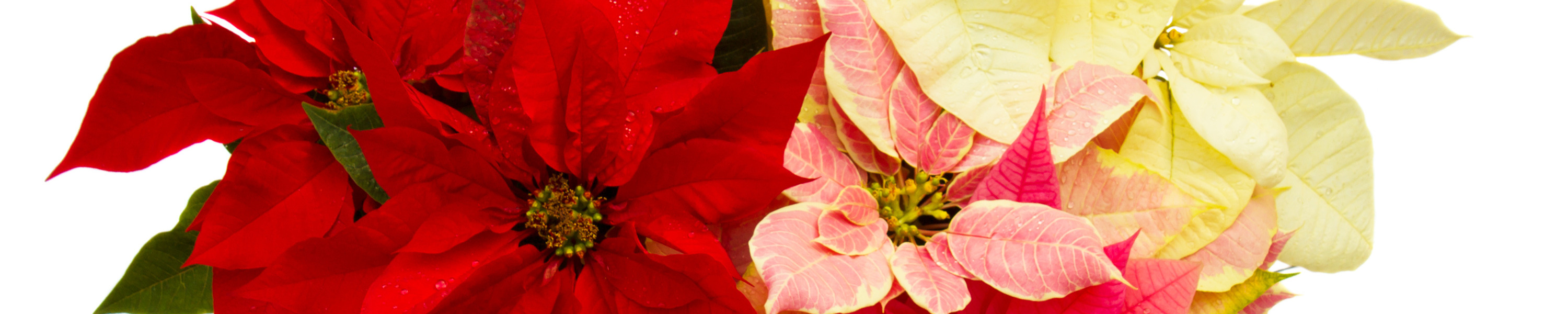
Today, poinsettias are available in a range of colours including:

❀️ Red

🀍 White

πŸ’— Pink

πŸ’› Cream

🌈 Variegated forms

Despite their popularity as festive plants, they can be enjoyed as attractive houseplants throughout the year.

Mixed poinsettia varieties with red, white and variegated pink-and-cream bracts growing together

⭐ Bracts, Not Flowers

One of the most interesting facts about poinsettias is that the colourful parts are not flowers at all.

The red, pink or white structures are specialised leaves known as bracts. Their purpose is to attract pollinators to the true flowers, which are the small yellow structures found in the centre of the plant.

Understanding this helps explain why healthy bracts are often the best indicator of a well-cared-for poinsettia.

πŸ‘‰ Expert Tip: When buying a poinsettia, look for fresh yellow flower buds in the centre. Plants with unopened buds generally stay attractive for longer.

β˜€οΈ How to Care for a Poinsettia

Poinsettias have a reputation for being difficult to grow, but most problems can be avoided by providing stable conditions.

πŸ’‘ Light

Place your poinsettia in bright, indirect light. Avoid intense direct sunlight and keep the plant away from cold windows during winter.

🌑️ Temperature

Poinsettias dislike sudden temperature changes and cold draughts.

For best results:

  • Maintain temperatures between 15Β°C and 18Β°C
  • Avoid temperatures below 13Β°C
  • Keep away from radiators and external doors

πŸ’§ Watering

Allow the compost surface to begin drying before watering.

Water thoroughly, then allow excess water to drain away. Never leave the plant standing in water, as this can lead to root rot.

πŸ’¨ Humidity

As tropical plants, poinsettias appreciate higher humidity levels.

Place the pot on a tray of damp pebbles or mist occasionally to help maintain humidity around the foliage.

🟑 Common Poinsettia Problems

Problem Solution
Yellow Leaves Usually caused by inconsistent watering. Check compost moisture regularly and avoid alternating between very dry and very wet conditions.
Leaf Drop Often caused by cold draughts, sudden temperature changes or insufficient light. Move the plant to a warm, bright location.
Root Rot Typically the result of overwatering. Ensure good drainage and never allow the pot to stand in water.
Faded Bracts Older bracts naturally fade over time, but poor light can reduce colour intensity. Move the plant to a brighter position.

🌱 Can You Grow a Poinsettia Year After Year?

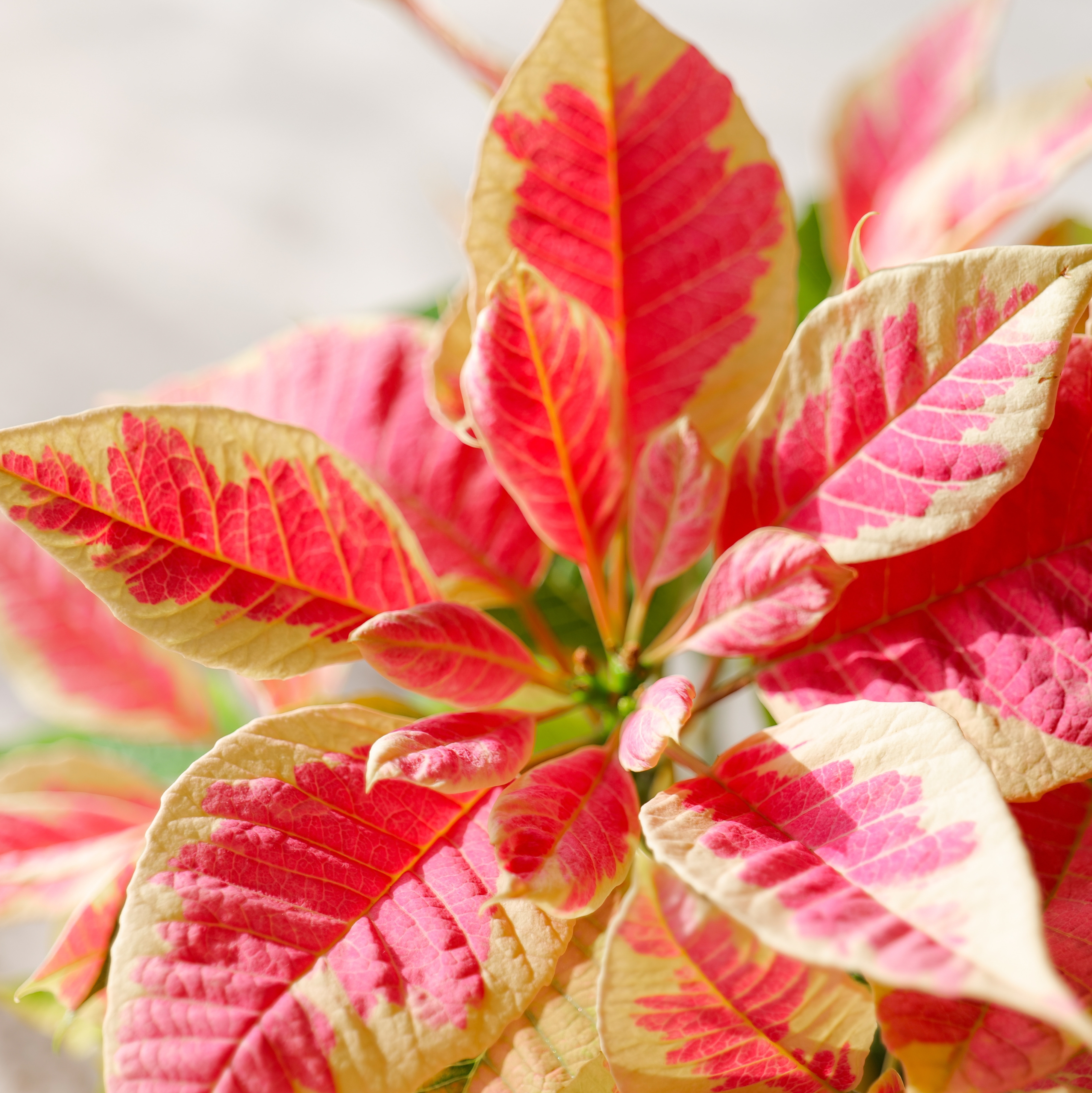
Poinsettia cultivar with variegated pink and cream bracts.

Many people discard their poinsettias once the colourful bracts fade, but these plants are actually tender perennials in their native Mexico and can be kept for many years with the right care.

After flowering, reduce watering and allow the plant to rest. During spring, cut stems back to around 10-15cm and repot into fresh compost.

Place the plant in a bright location and resume regular watering as new growth develops. Feed every two weeks during active growth using a balanced liquid fertiliser.

Β 

πŸ‘‰ Expert Tip: Poinsettias naturally grow as shrubs in tropical climates, so don’t be surprised if your plant becomes larger and bushier each year when grown on successfully.

πŸ”΄ How to Encourage a Poinsettia to Colour Up Again

Poinsettias are known as short-day plants. They naturally begin producing colourful bracts as daylight hours decrease.

To encourage reblooming:

  1. In autumn, place the plant in complete darkness for around 12 hours each day.
  2. During daylight hours, return it to a bright position.
  3. Continue this routine for approximately eight weeks.

With patience, the bracts should begin to develop colour once again.

πŸ‘‰ Expert Tip: Even small amounts of artificial light during the dark period can interrupt the reblooming process, so consistency is important.

πŸŽ„ More Than Just a Christmas Plant

Poinsettias are far more than temporary seasonal plants. Their colourful bracts, fascinating growing habits and long lifespan make them rewarding houseplants for both beginners and experienced gardeners.

By providing bright indirect light, stable temperatures and careful watering, you can keep your poinsettia healthy long after the festive season has passed. With a little extra effort, it is even possible to encourage the plant to produce its colourful bracts again year after year.

🌿 Visit Our Garden Centre

Our team is always happy to help you choose the right poinsettia and offer practical advice on caring for your plant. We stock a fantastic range of healthy, high-quality houseplants and can provide expert guidance on keeping them looking their best.

πŸ‘‰Β Visit usΒ inΒ Kington today. Discover beautiful poinsettias and expert houseplant advice to help your plants thrive throughout the year.