Amaryllis: A Stunning Winter Flowering Bulb
Few indoor plants can rival the spectacular display of an Amaryllis in full bloom. With its tall stems and enormous trumpet-shaped flowers, this striking bulb brings colour and elegance to the home when little else is flowering.
Whether grown as a seasonal display, given as a gift or enjoyed as a long-term houseplant, Amaryllis rewards gardeners with some of the most impressive blooms of the year. Best of all, with the right care, an Amaryllis bulb can flower again for many years.
πΏ About Amaryllis
The plants commonly sold as Amaryllis are actually members of the Hippeastrum genus, native to Central and South America. Despite the botanical distinction, the name “Amaryllis” remains widely used and recognised.
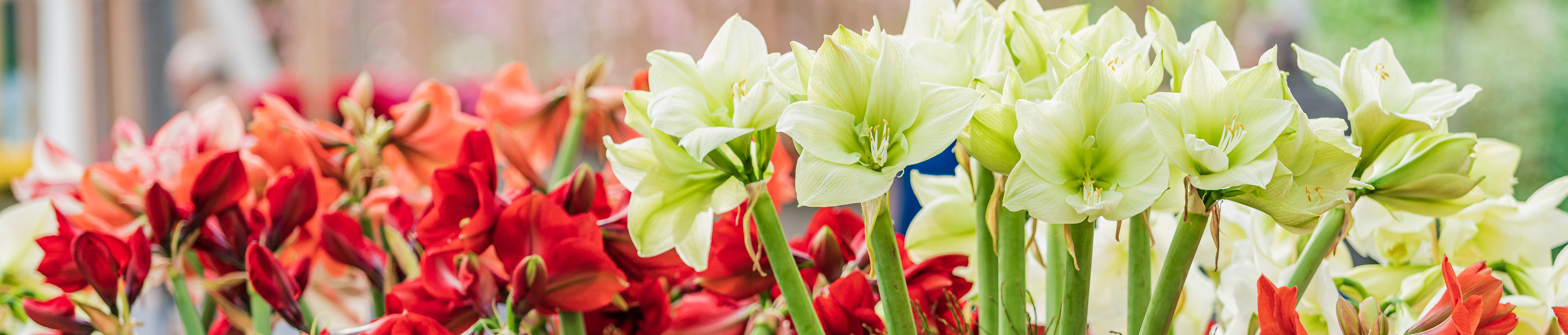
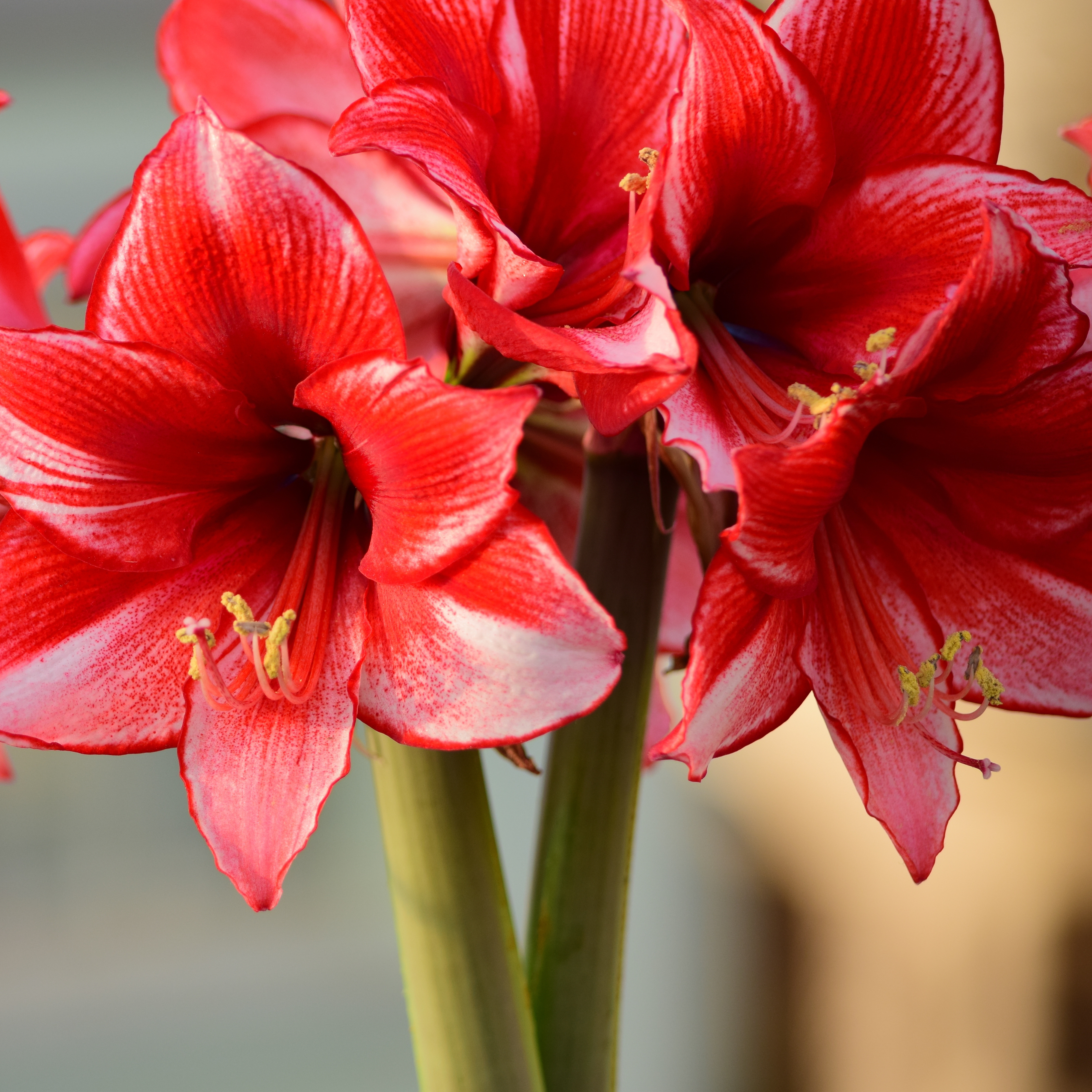
Large bulbs produce sturdy stems topped with dramatic flowers that can reach up to 20cm across. Depending on the variety, flowers may appear in:
β€οΈ Rich red
π€ Pure white
π Soft pink
π§‘ Salmon and peach shades
π Striking striped and bi-coloured forms
Many varieties produce multiple flower stems, providing weeks of spectacular colour indoors.
πΊ Why Amaryllis Are So Popular
Amaryllis have remained favourites for generations thanks to their combination of beauty and simplicity.
Unlike many flowering houseplants, they require very little effort to produce a dramatic display. The bulb contains all the energy needed to produce its first flowers, making it easy for even novice gardeners to achieve success.
Flowering usually occurs during winter, when bright blooms are especially welcome indoors.
π Expert Tip: Larger bulbs generally produce more flower stems, giving a longer-lasting and more impressive display.
βοΈ How to Grow and Care for Amaryllis
Amaryllis are surprisingly easy to grow, making them ideal for beginners.
π‘ Light
Place your Amaryllis in a bright position with plenty of indirect sunlight. Once flowering begins, moving the plant slightly away from direct sunlight can help prolong the blooms.
π‘οΈ Temperature
Amaryllis thrive in normal room temperatures between 18Β°C and 20Β°C. Avoid placing bulbs near cold draughts or directly beside radiators.
π§ Watering
Water sparingly when growth first begins. Once leaves and flower stems appear, increase watering slightly, allowing the compost surface to dry between applications.
π± Feeding
Once flowering has finished and leaves begin developing, feed regularly with a balanced liquid fertiliser to help the bulb store energy for future blooms.
πΈ Understanding the Amaryllis Growth Cycle
One of the most fascinating aspects of Amaryllis is its natural growth cycle.
The bulb produces flowers first, often before any leaves appear. Once flowering has finished, foliage develops and begins gathering energy for next year’s display.
This is followed by a resting period before the cycle begins again.
Understanding this process helps explain why patience is important when growing Amaryllis long-term.
π Expert Tip: Never remove healthy green leaves after flowering. They are essential for replenishing the bulb’s energy reserves.
π‘ Common Amaryllis Problems
| Problem | Solution |
|---|---|
| No flowers | Usually caused by insufficient light or a lack of a dormant period. |
| Floppy stems | Move the plant to a brighter position and rotate the pot regularly. |
| Yellow leaves | Often a natural part of the growth cycle after flowering. |
| Bulb rot | Usually caused by overwatering or poor drainage. |
| Small flowers | May indicate the bulb needs feeding after flowering. |
πΏ The Lasting Appeal of Amaryllis
It is easy to understand why Amaryllis remains one of the most admired flowering bulbs. Its enormous blooms, straightforward care requirements and ability to flower year after year make it a rewarding choice for any home.
πΏ Visit Our Garden Centre
Looking for a spectacular flowering houseplant? Our team can help you choose the perfect Amaryllis bulb and provide expert advice on planting, growing and encouraging repeat flowering.
Β Visit usΒ inΒ Kington. Discover our beautiful selection of Amaryllis bulbs and flowering houseplants to bring colour and interest into your home.