Pruning Houseplants: A Guide to Healthier, Better-Shaped Indoor Plants
Indoor plants naturally change shape as they grow. Stems stretch towards light, older leaves fade and some plants can become overgrown or outgrow their space.
Far from being a harsh intervention, careful pruning works with a plant’s natural growth habits. A few well-placed cuts encourage fuller growth, remove tired foliage and help maintain a balanced shape.
Different houseplants respond to pruning in different ways. Understanding how and when to prune popular favourites such as Pothos, Monstera and Peace Lily will help keep them healthy, attractive and growing well for years to come.
Pruning is just one aspect of successful indoor gardening. Our guide to caring for houseplants covers watering, feeding, light levels and everyday maintenance to help your plants thrive year-round.
🌿 Why Pruning Houseplants Matters
Pruning is not simply about making a plant look tidier. Every cut influences how the plant directs its energy.
Regular pruning helps:
- Remove dead, damaged or diseased growth
- Encourage stronger, bushier growth
- Prevent plants becoming leggy and sparse
- Maintain a balanced shape and size
- Improve air circulation through dense foliage
- Reduce the risk of pests and disease developing on decaying leaves
When older leaves and weak stems are removed, the plant can focus its resources on producing healthy new growth.
👉 Expert Tip: If a stem has become long and bare with leaves only at the tip, cutting it back often stimulates new shoots lower down, creating a fuller plant.
✂️ How to Prune Houseplants Correctly
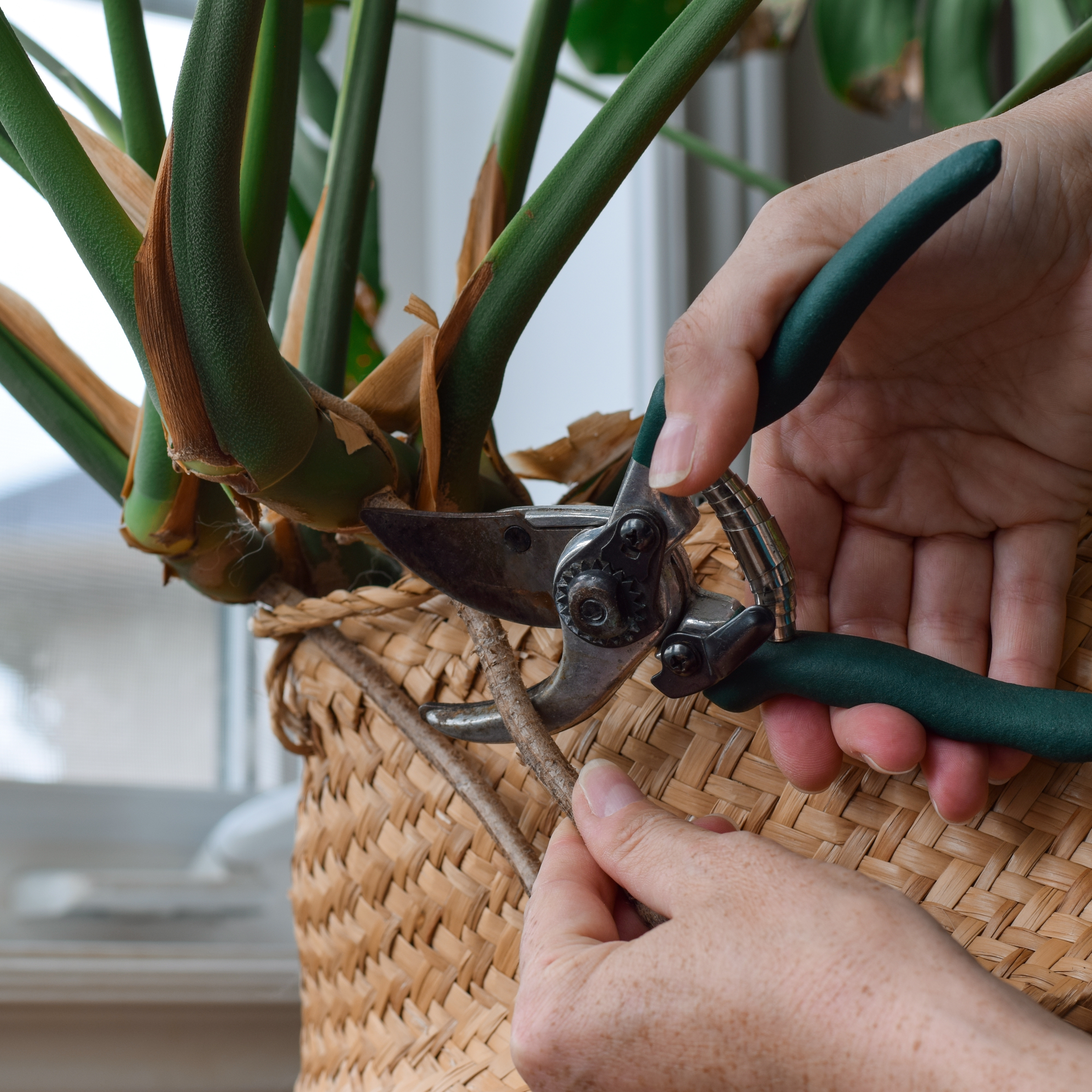
Successful pruning starts with clean, precise cuts.
Always use sharp scissors, snips or pruning shears that have been cleaned before use. Blunt tools can crush stems and create unnecessary damage.
When pruning:
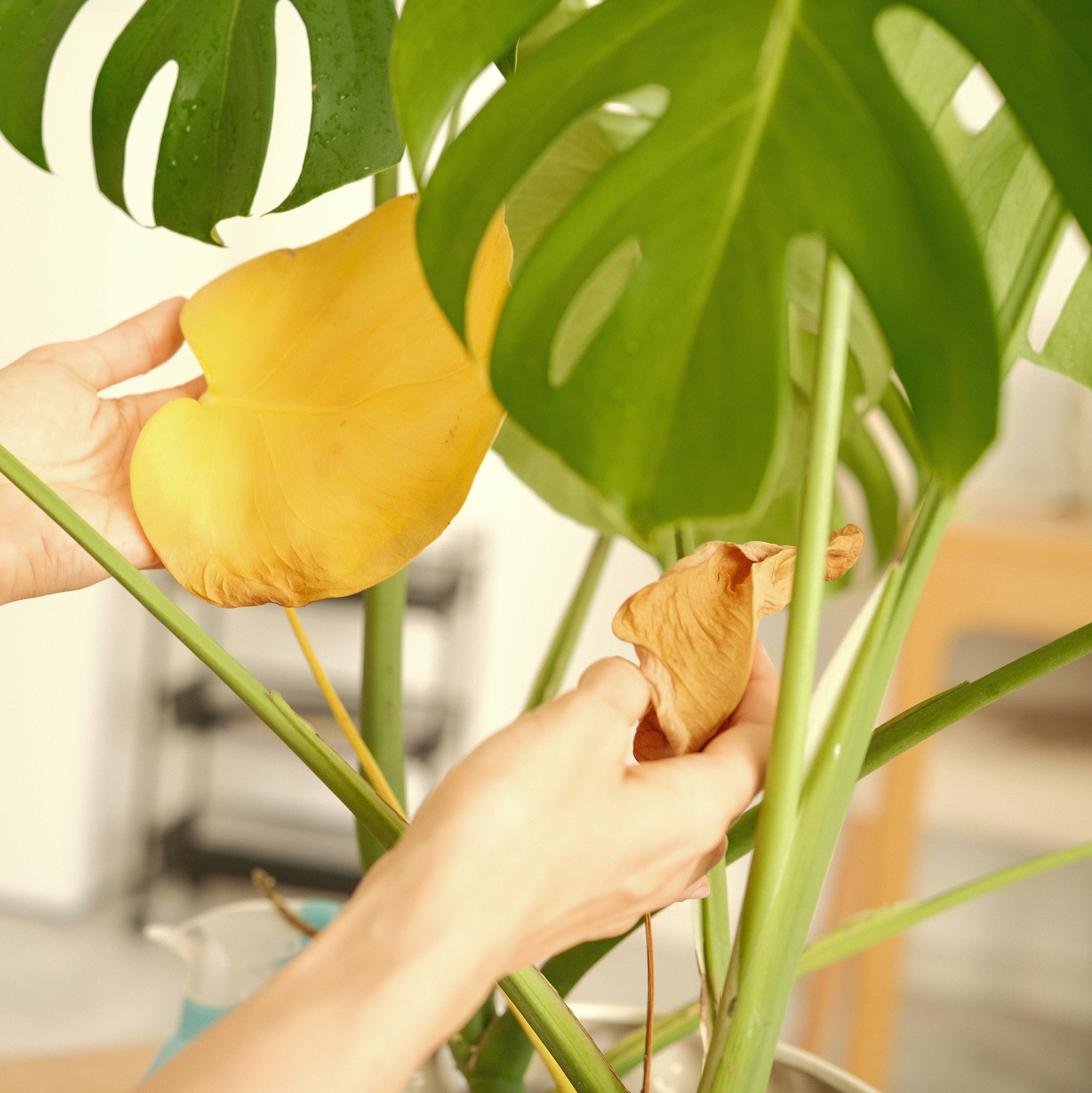
- Identify dead, yellowing or damaged leaves first.
- Remove weak or overcrowded stems.
- Cut just above a leaf node or growing point.
- Step back regularly and assess the plant’s overall shape.
- Avoid removing large amounts of growth in one session.
Leaf nodes are the points where leaves emerge from the stem. Making cuts just above these points encourages fresh shoots to develop.
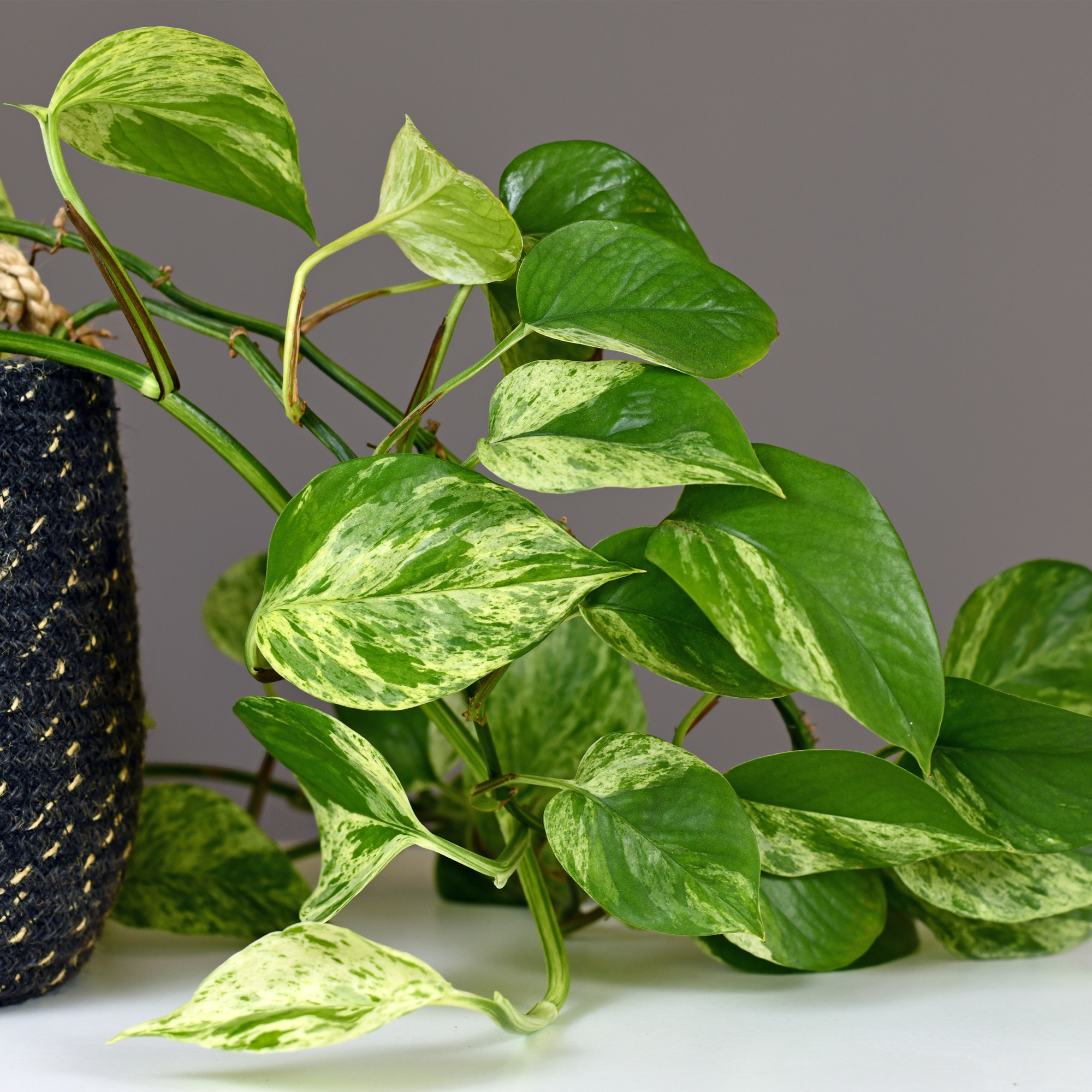
For trailing plants such as Pothos, Tradescantia and Philodendron, shortening long stems often produces multiple new growth points below the cut.
📅 When Should You Prune Houseplants?
Timing affects how quickly a plant recovers and produces new growth.
For most houseplants, spring and early summer are the ideal times to carry out more substantial pruning. During this active growing period, plants can replace lost growth quickly.
However, minor maintenance can be carried out throughout the year.
Suitable tasks at any time include:
- Removing yellow leaves
- Cutting away damaged stems
- Deadheading spent flowers
- Trimming diseased growth
Avoid heavy pruning during periods of slow winter growth unless there is a clear reason to remove damaged material.
👉 Pro Tip: If a plant has become severely leggy during winter, wait until daylight levels improve in spring before carrying out major reshaping.
🌱 Pruning Different Types of Houseplants
Different houseplants respond slightly differently to pruning.
Foliage Plants
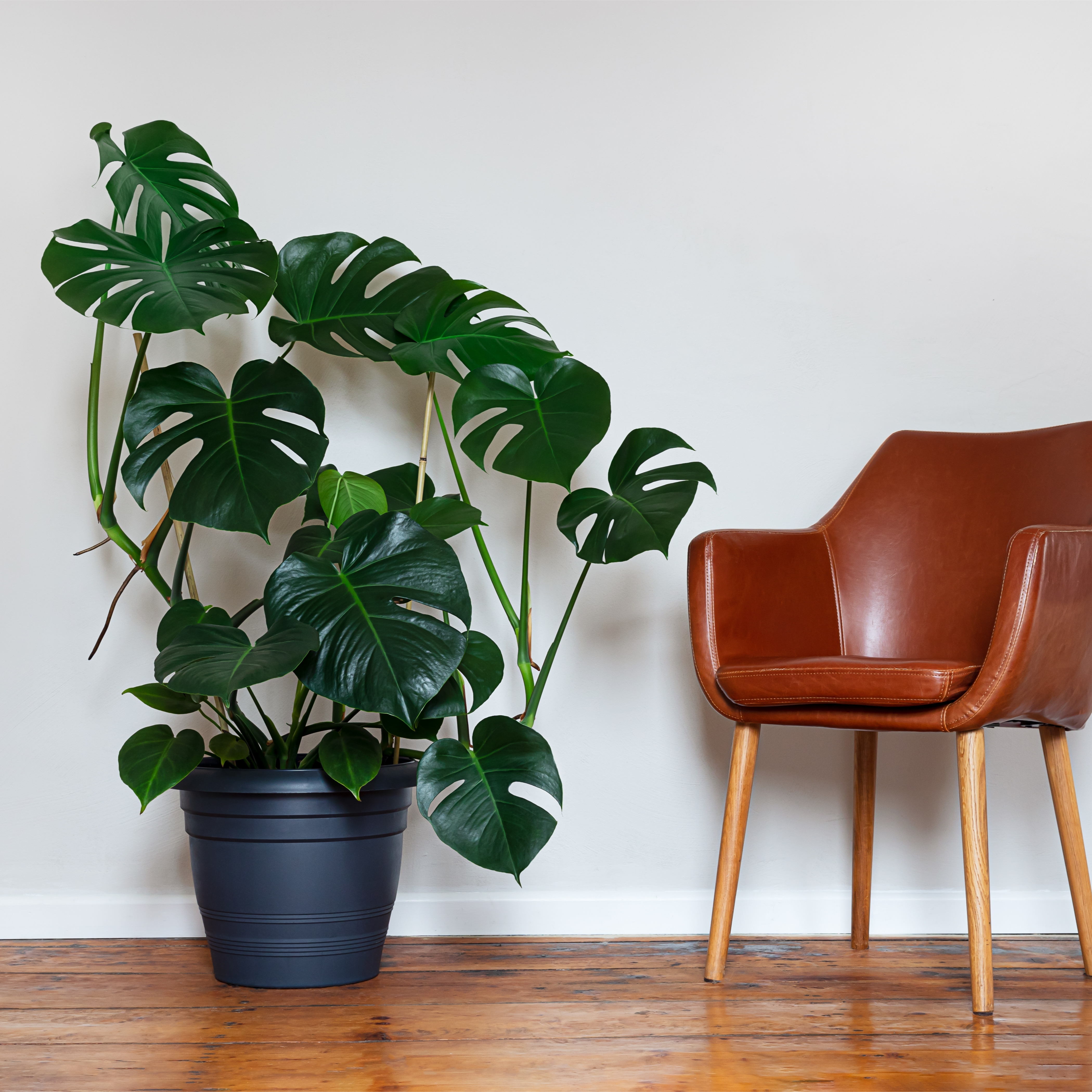
Plants such as Monstera, Philodendron and Rubber Plants benefit from occasional shaping and removal of ageing leaves.
Trailing Plants
Pothos, String of Hearts and Tradescantia respond particularly well to cutting back. Shortening long vines encourages branching and denser growth.
Flowering Houseplants
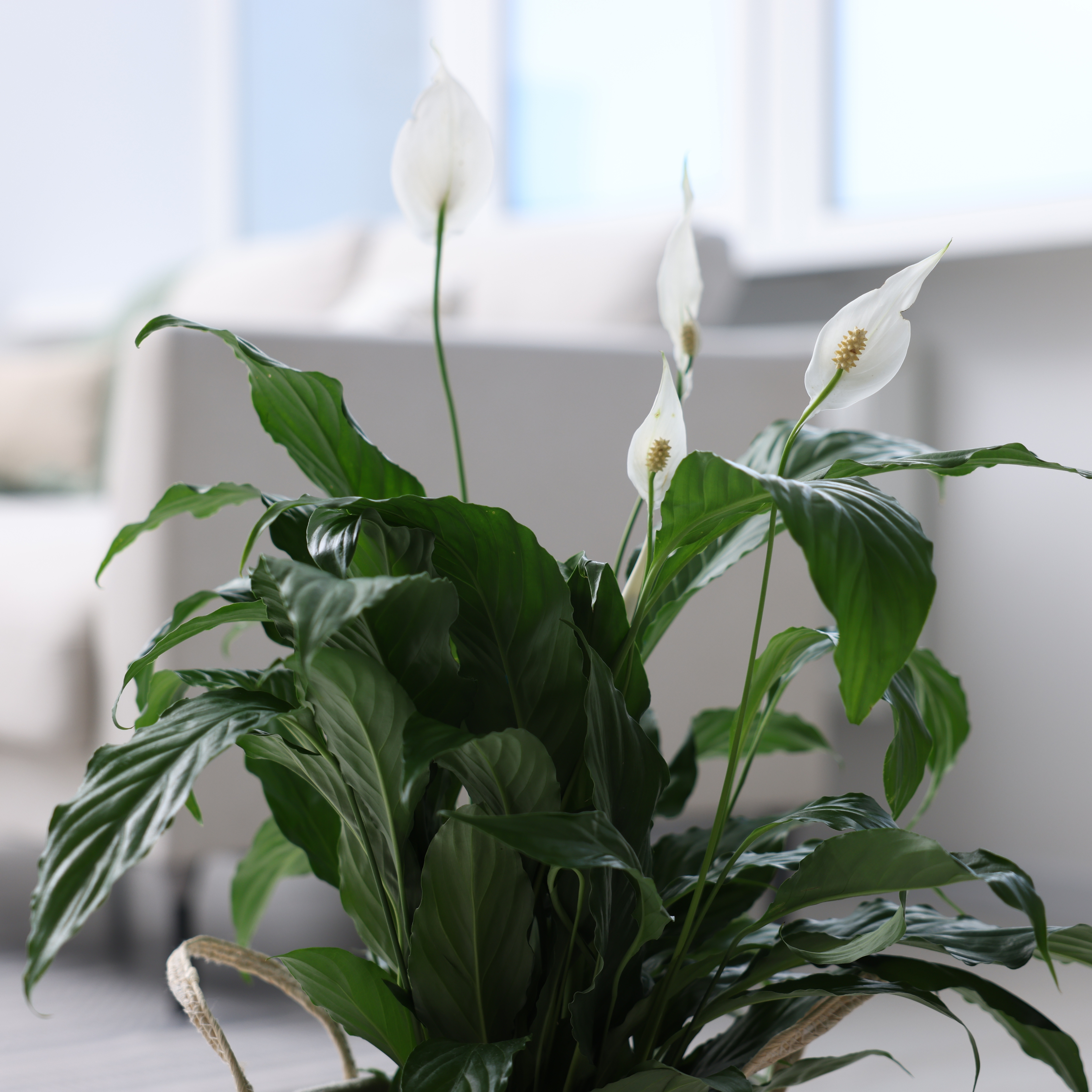
Plants such as Peace Lilies and Anthuriums should have spent flower stems removed at the base to encourage continued flowering and maintain a tidy appearance.
Cane and Stem Plants
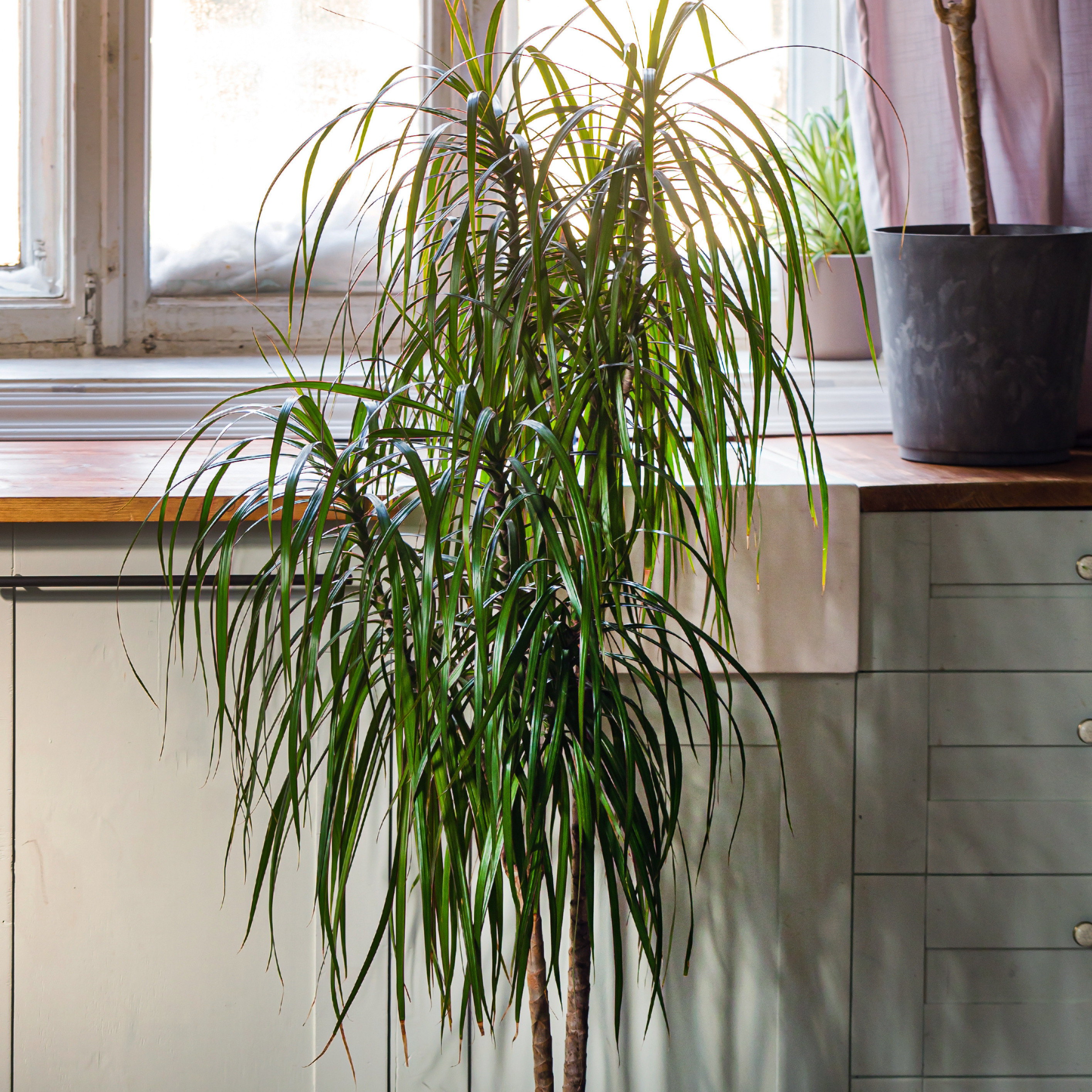
Dracaena (Snake Plant), Yucca and similar plants can often be reduced in height by cutting the main stem. New shoots usually develop below the cut.
👉 Expert Tip: Healthy stem sections removed during pruning can often be used as cuttings to create new plants.
⚠️ Common Pruning Mistakes to Avoid
The majority of pruning problems arise from doing too much rather than too little.
Avoid:
- Removing more than one-third of the plant at a time
- Using dirty or blunt tools
- Cutting randomly without considering future shape
- Pruning stressed or drought-affected plants heavily
- Leaving dead leaves attached for extended periods
If you’re uncertain, start conservatively. You can always prune more later, but removed growth cannot be replaced instantly.
Healthy houseplants are remarkably resilient and usually recover well from thoughtful pruning.
🌿 Can Pruning Help a Struggling Houseplant?
Pruning is not a cure for underlying problems, but it can be an important part of recovery.
If a plant is suffering from:
- Insufficient light
- Overwatering
- Underwatering
- Pest infestations
- Root congestion
These issues should be corrected first.
Once conditions improve, pruning away damaged growth helps the plant redirect energy into healthy new leaves and stems.
A combination of proper watering, suitable light and selective pruning often produces the best results.
🌿 Visit Our Garden Centre
Pruning is a valuable skill for helping to keep indoor plants healthy, attractive and thriving. By removing tired growth, shaping plants carefully and pruning at the right time of year, you can encourage stronger growth and enjoy better-looking houseplants for years to come.
If you’re unsure how to prune a particular plant, or need advice on tools, plant care or propagation, our team is always happy to help.
Visit us in Kington today. Bring along photos of your houseplants and we’ll help you decide exactly where to prune, how much to remove and how to encourage healthy new growth.