
Caring For Houseplants

Caring for Houseplants: A Guide to Healthy Indoor Plants

Houseplants bring life, colour and natural beauty into our homes all year round. Whether you’re buying your first houseplant or adding to an established collection, understanding the basics of houseplant care will help keep your plants healthy for years to come.

This guide explains the key aspects of houseplant care, from choosing the right location and watering correctly to feeding, repotting and preventing common pests.

Healthy indoor houseplants displayed on a white background

๐Ÿ“ Right Plant, Right Place

An important principle of caring for houseplants is matching the plant to its environment.

Before purchasing a plant, consider:

  • How much natural light the room receives
  • Whether the room is warm or cool
  • Humidity levels
  • Available space for future growth

Always read plant labels carefully. A shade-loving plant placed in direct sun will struggle, while a sun-loving succulent placed in a dark corner will become weak and leggy.

๐Ÿ‘‰ Expert Tip: Most houseplant problems can be traced back to incorrect positioning rather than poor maintenance.

โ˜€๏ธ Indoor Plant Light Requirements

Light is one of the biggest factors affecting the health of indoor plants. Matching each plant to the right light conditions encourages strong growth, healthy foliage and better resilience against pests and disease. Before choosing a location, observe how much natural light each room receives throughout the day, as light levels can change with the seasons.

Bright Indirect Light

Most popular houseplants thrive in bright but indirect light, including:

  • Monstera
  • Peace Lily
  • Spider Plant
  • Pothos
  • Philodendron

East and west-facing windows are often ideal.

Direct Sunlight

Plants that enjoy direct sunlight include:

  • Cacti
  • Succulents
  • Jade Plants

South-facing windows are usually best for these species.

Signs Your Plant Needs More Light

Watch for:

  • Yellowing leaves
  • Small new leaves
  • Long, stretched stems
  • Slow growth

Signs of Too Much Light

Look out for:

  • Brown leaf tips
  • Scorched patches
  • Faded foliage

Finding the right position may take a little trial and error, but once a plant is receiving suitable light it will usually reward you with stronger growth and healthier foliage.

๐ŸŒก๏ธ Temperature and Humidity Requirements

Many favourite houseplants originate from tropical regions and enjoy stable indoor temperatures. Bathrooms and kitchens often provide ideal conditions for humidity-loving plants thanks to naturally higher moisture levels.

Increasing Humidity

Indoor heating can create dry air.

Boost humidity by:

  • Misting suitable plants regularly
  • Grouping plants together
  • Using pebble trays filled with water
  • Running a humidifier in particularly dry rooms

Aim for:

  • 18ยฐC to 22ยฐC during the day
  • Consistent temperatures
  • Protection from cold draughts

Avoid placing plants:

  • Next to radiators
  • Beside fireplaces
  • Near frequently opened external doors
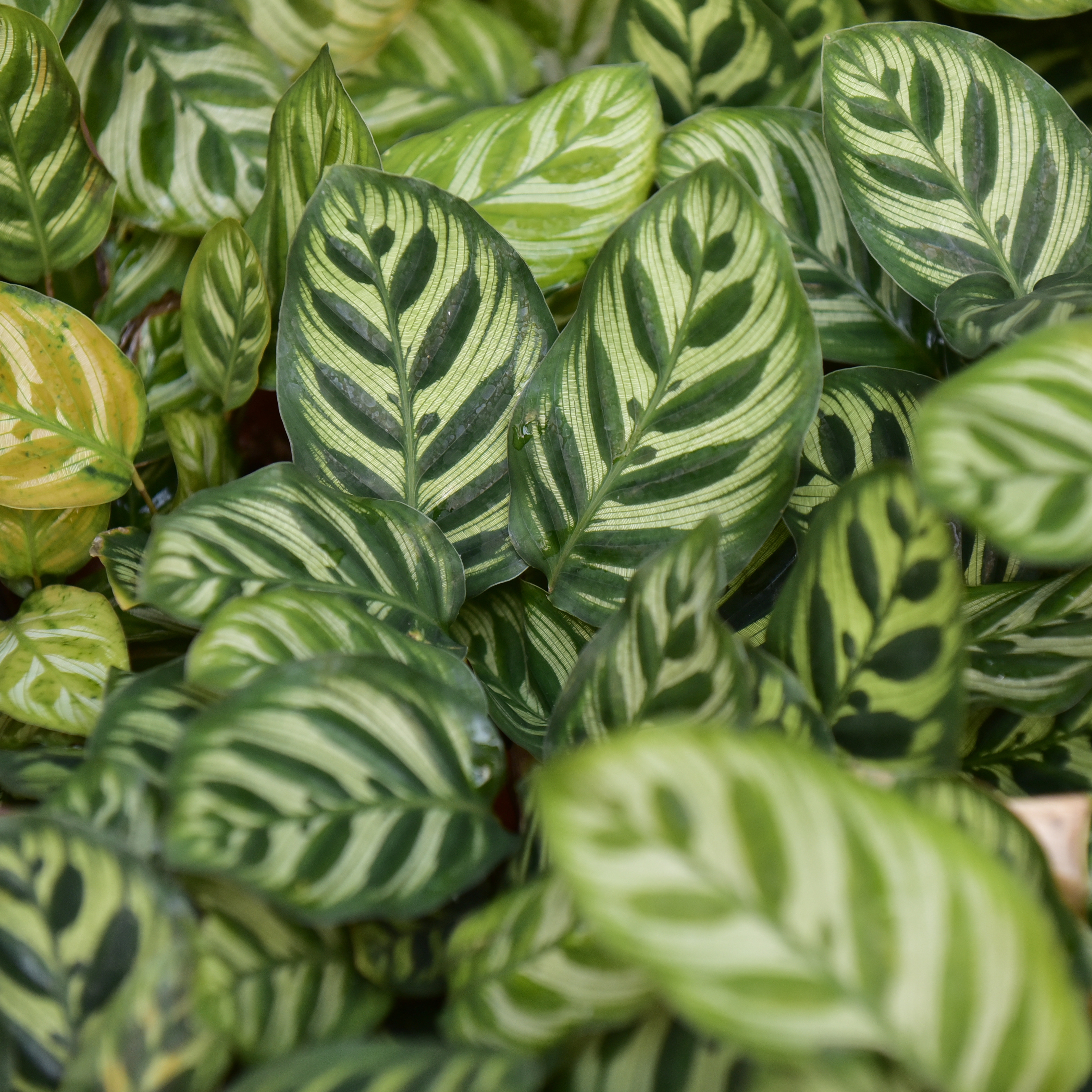
Calathea makoyana (Peacock Plant) with distinctive patterned green leaves.
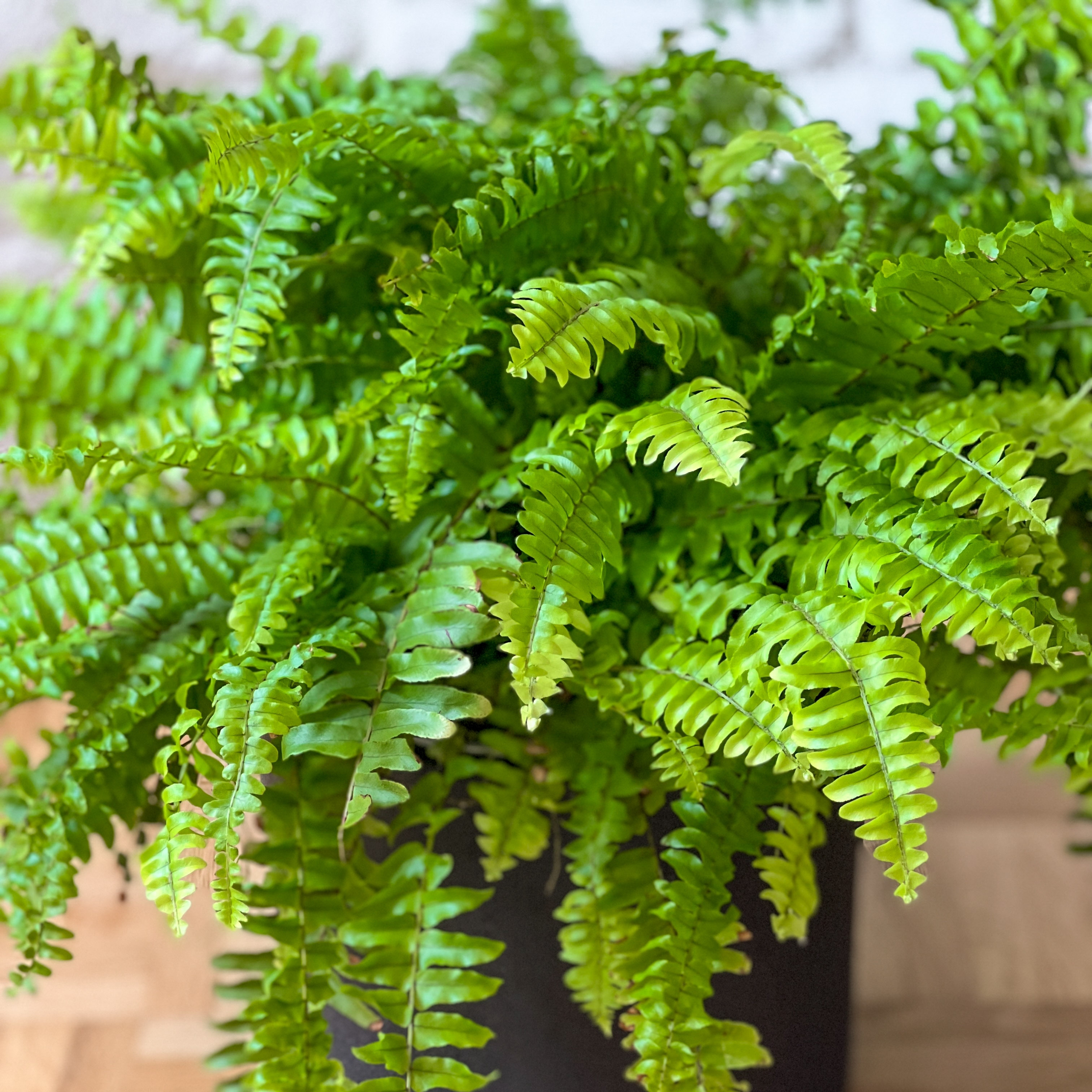
Boston Fern (Nephrolepis exaltata 'Green Lady') with arching green fronds growing indoors.
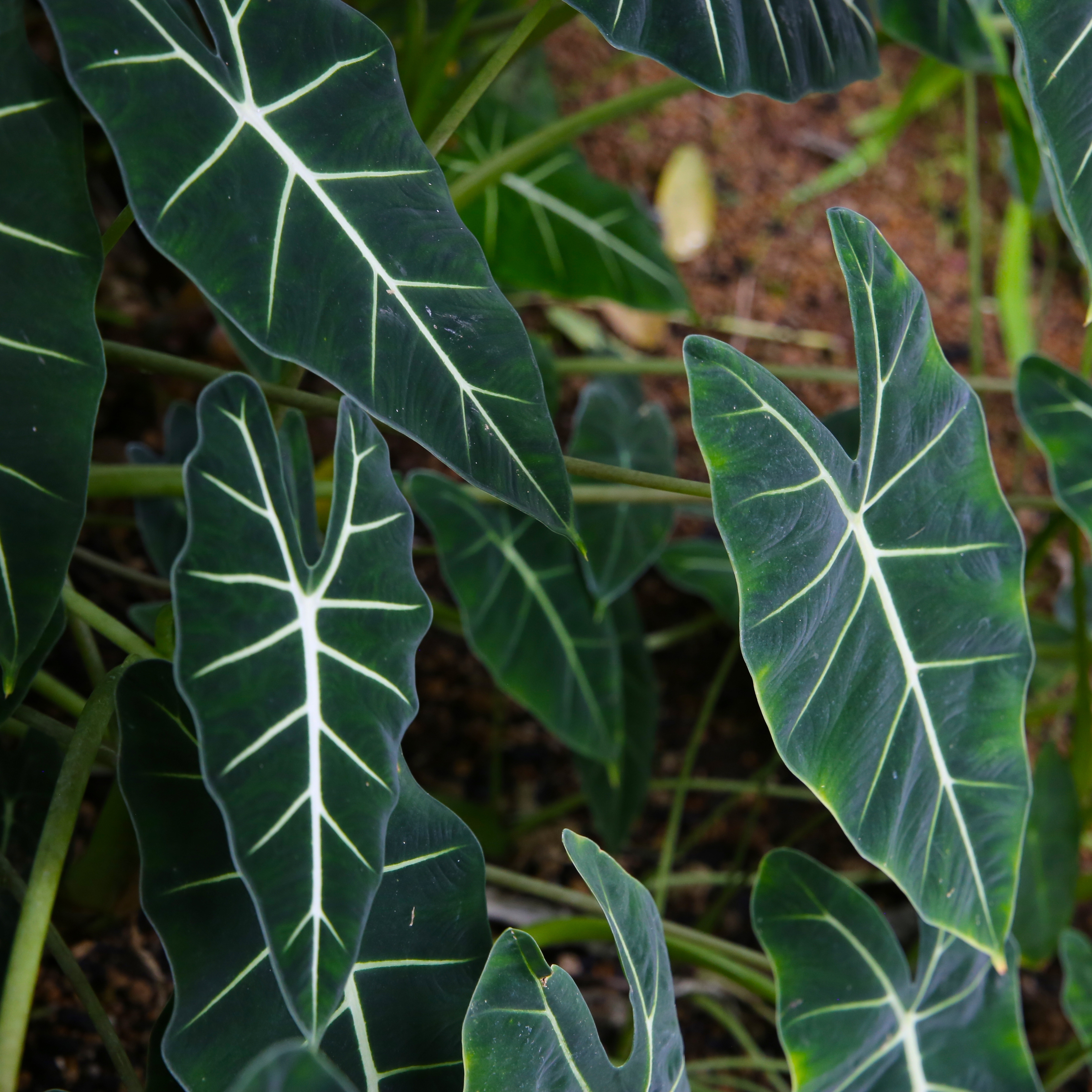
Alocasia with dark green arrow-shaped leaves and distinctive white veins.
Pink moth orchid (Phalaenopsis) with elegant blooms on an arching flower stem.

Humidity-loving plants include:

  • Calathea
  • Ferns
  • Alocasia
  • Orchids

These tropical houseplants thrive in warm conditions with bright indirect light and higher humidity. Grouping them together creates an attractive display and can help maintain a slightly more humid microclimate around the leaves.

๐ŸŒฑ Choosing the Best Compost and Potting Mix

Healthy roots start with the right growing medium. Choosing the correct compost for your plant can improve drainage, support healthy root development and reduce common problems such as overwatering.

Compost Type Best For Key Benefit
Standard Houseplant Compost Most foliage and flowering houseplants Provides balanced nutrition and moisture retention
Cactus & Succulent Compost Cacti and succulents Contains extra drainage materials to prevent waterlogging
Orchid Bark Mix Orchids and epiphytic plants Improves airflow around roots and prevents compaction

Improving Drainage

For plants that dislike sitting in wet compost, mix in one or more of the following:

  • Perlite for improved aeration and drainage
  • Horticultural grit for a free-draining compost structure
  • Vermiculite to improve moisture balance while maintaining airflow

Keep an Eye on the Soil Surface

White deposits, mould or fungus gnats can indicate excess moisture or poor air circulation. Adding a decorative layer of gravel or horticultural grit can help deter pests, reduce moisture on the soil surface and create a more attractive finish.

๐Ÿ‘‰ Pro Tip: If fungus gnats become a recurring problem, allow the top few centimetres of compost to dry between waterings and consider adding a layer of horticultural grit to discourage egg-laying.

๐Ÿ’ง Houseplant Watering Tips

Overwatering is one of the most common causes of houseplant problems. Most indoor plants prefer compost that is slightly moist but never waterlogged.

Before watering, check the compost by inserting your finger a few centimetres below the surface. Water only when needed and always allow excess water to drain away.

Signs Your Plant Needs Water

  • Wilting leaves
  • Brown leaf edges
  • Dry compost
  • A lightweight pot

Signs of Overwatering

  • Yellowing leaves
  • Soft stems
  • Persistent damp compost
  • Standing water in trays

๐Ÿ‘‰ Pro Tip: Always check the compost before watering. Most houseplants recover more easily from slightly dry conditions than from waterlogged roots.

๐ŸŒฟ Houseplant Feeding and Fertilising

Houseplants gradually use up the nutrients available in their compost. Regular feeding replaces these essential nutrients, supporting healthy foliage, steady growth and, for flowering species, better blooms.

Most fresh compost contains enough nutrients for around six weeks after potting. Once these reserves have been exhausted, many houseplants benefit from feeding during their active growing season.

When to Feed Houseplants

Most indoor plants actively grow from spring through to early autumn.

Spring and Summer

  • Feed fortnightly
  • Increase watering as temperatures rise

Autumn

  • Reduce feeding to monthly

Winter

  • Most houseplants enter dormancy
  • Stop feeding or feed very lightly

Plants growing under warm indoor conditions with artificial lighting may continue slow winter growth and benefit from occasional feeding.

โœ‚๏ธ Propagating Your Houseplants

Propagation is an affordable way to expand your collection or share plants with family and friends.

Easy plants to propagate include:

  • Spider Plants
  • Snake Plants (Sansevieria)
  • Pothos
  • Tradescantia
  • Monstera

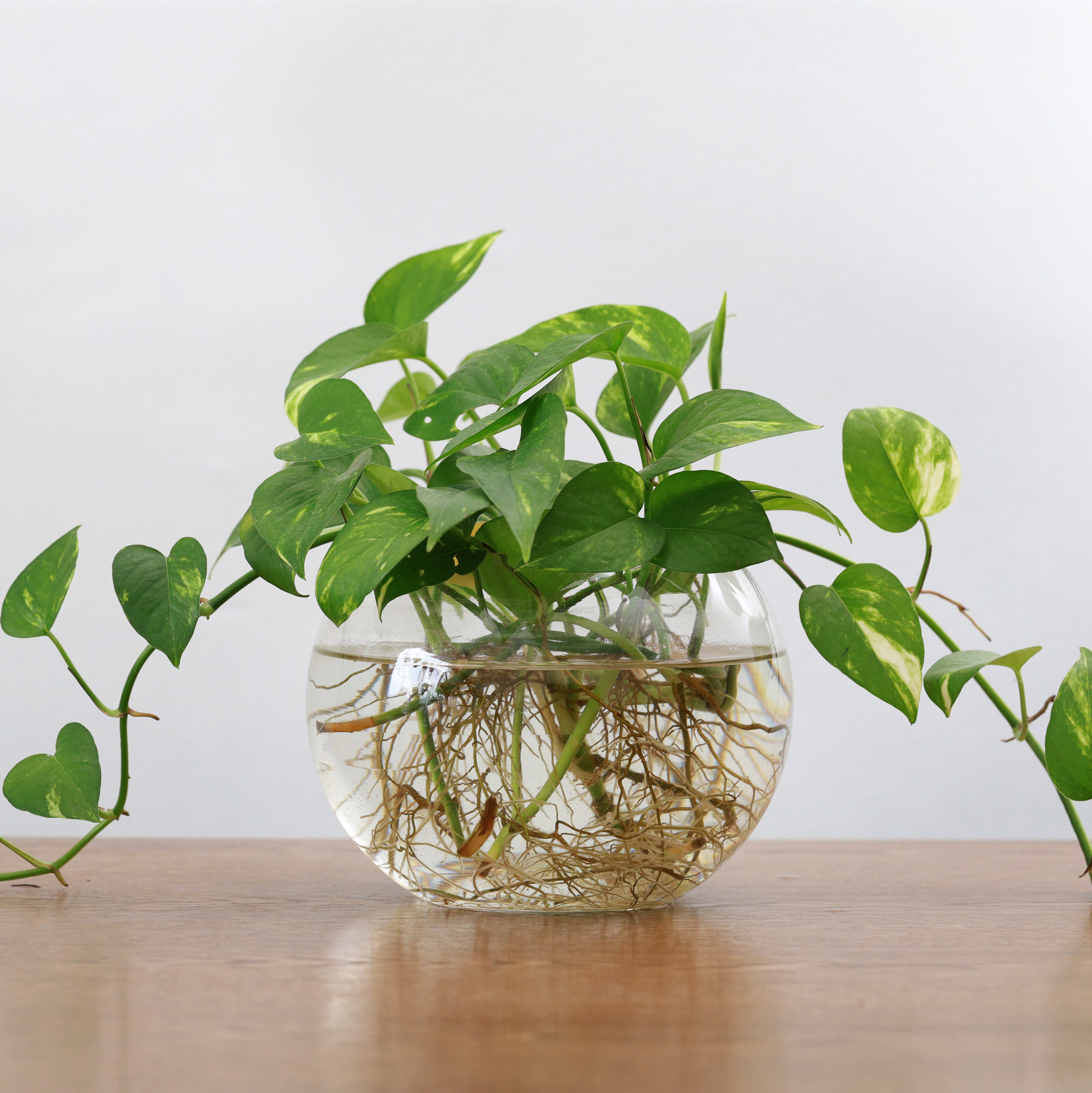
Many can be rooted successfully in water before potting into compost.

Spring and early summer are usually the best times for pruning and propagation, when plants are actively growing and root more readily.

Golden Pothos (Epipremnum aureum) cuttings rooting in water for propagation

๐Ÿž Preventing Common Houseplant Pests

Even healthy houseplants occasionally attract unwanted visitors. Regular inspections are the best defence against houseplant pests.

  • Fungus Gnats: Small black flies around damp compost. Reduce watering and add horticultural grit.
  • Mealybugs: White cotton-like insects on stems and leaves. Remove by hand or treat with neem oil.
  • Spider Mites: Fine webbing and yellowing foliage. Increase humidity and rinse leaves.
  • Aphids: Clusters of insects on new growth. Wash off with water or use a suitable treatment.
  • Scale Insects: Small bumps attached to stems and leaves. Remove manually before they spread.

๐Ÿ‘‰ Expert Tip: Isolate affected plants as soon as pests are spotted.

๐ŸŒผ Easy Houseplants for Beginners

If you’re new to indoor gardening, these reliable favourites are excellent choices.

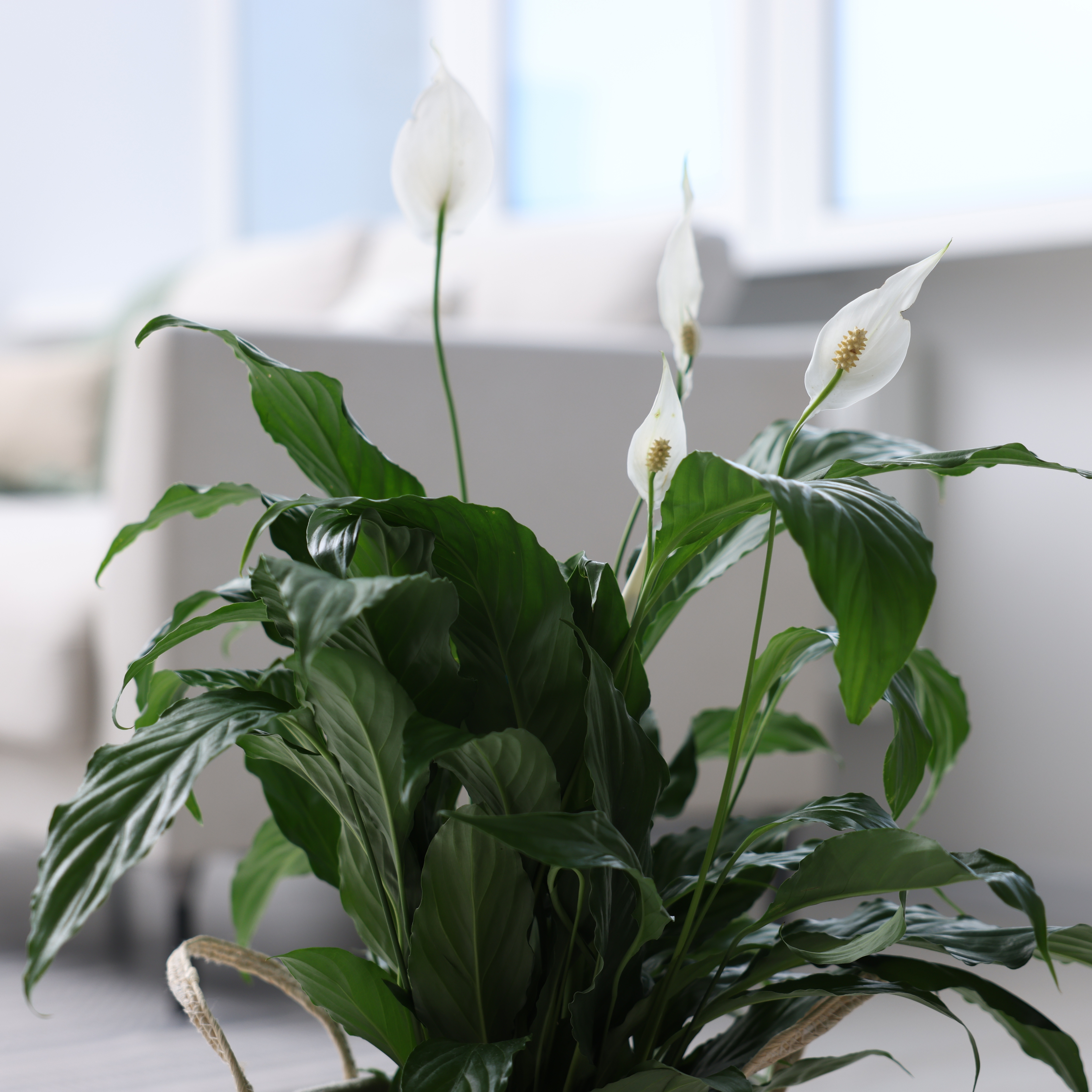
Peace Lily
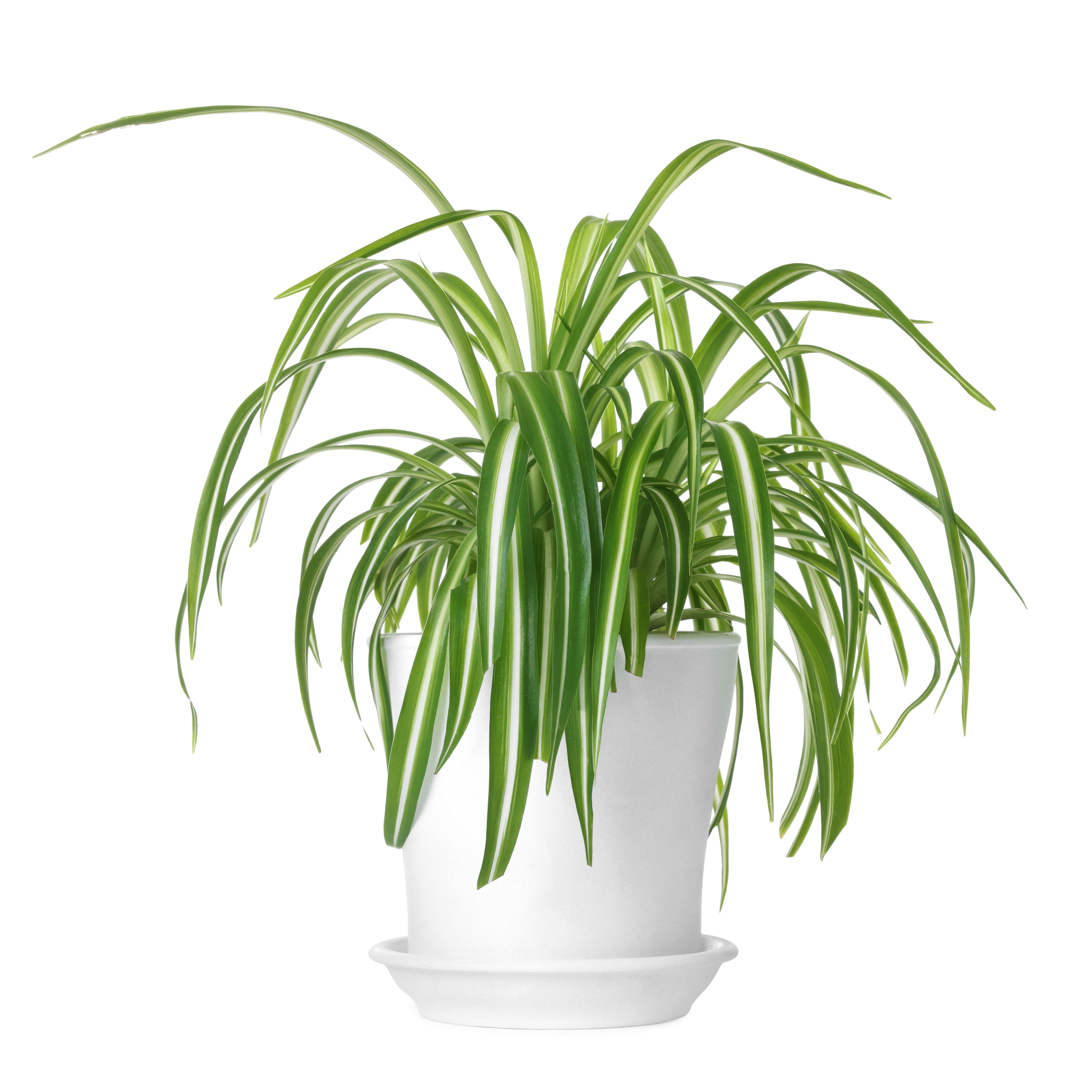
Spider Plant
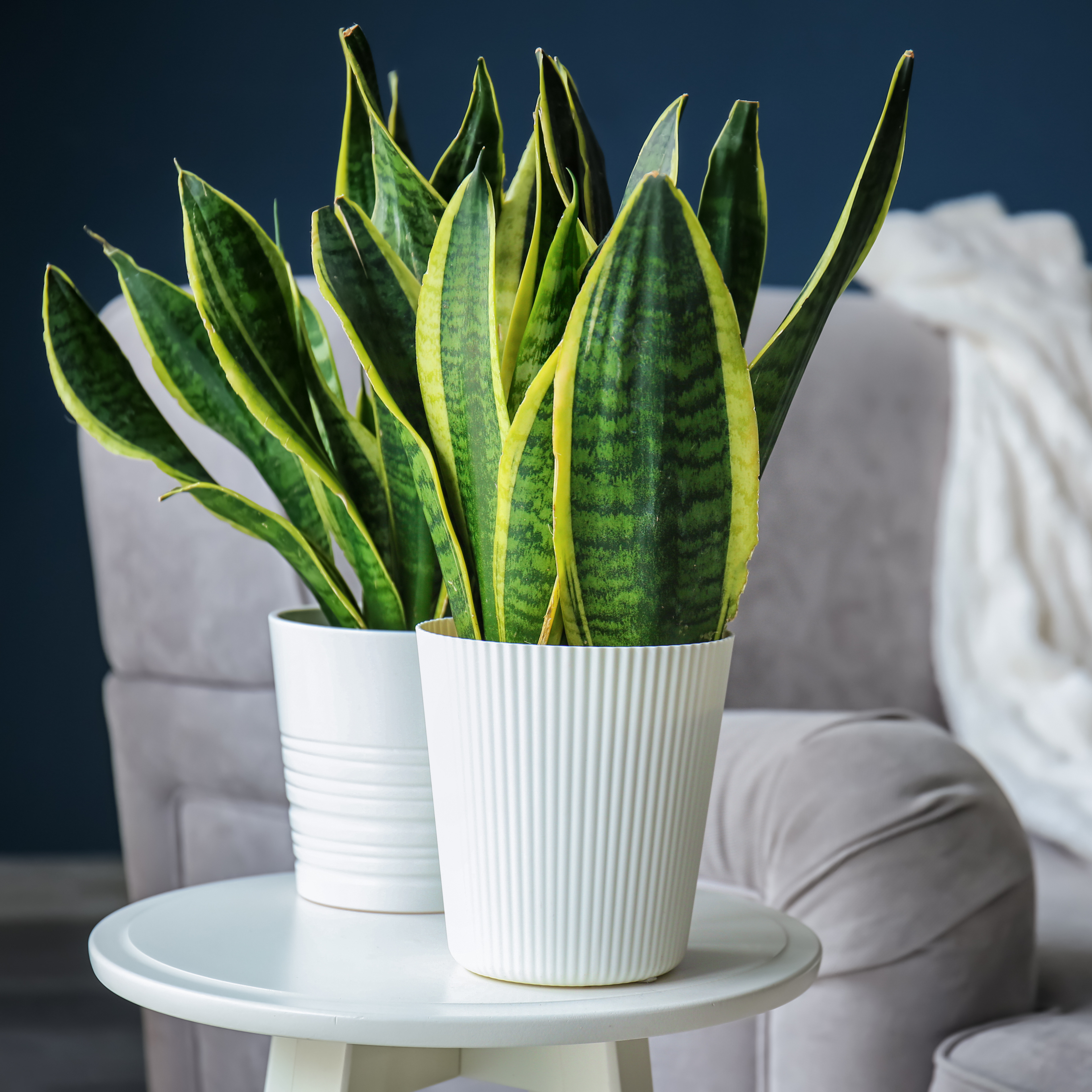
Snake Plant

Peace Lily

  • Tolerates lower light levels
  • Easy to care for
  • Indicates thirst by drooping slightly

Spider Plant

  • Fast growing
  • Produces baby plantlets
  • Adaptable and forgiving

Snake Plant

  • Extremely low maintenance
  • Tolerates varying light conditions
  • Requires infrequent watering

All three are attractive, easy to grow and forgiving of common beginner mistakes, making them ideal choices for building confidence with indoor plants. They’re particularly popular with university students and first-time renters, thanks to their low-maintenance nature and ability to thrive in compact living spaces.

๐ŸŒฟ Visit Our Garden Centre

Our team can help you choose the right houseplants for your home, from easy-care favourites to something new for an established indoor collection.

We stock a wide range of quality plants, specialist composts, plant feeds, decorative pots, horticultural grit and houseplant care essentials. We can also advise on watering, feeding and pest control to help keep your plants healthy.

๐Ÿ‘‰ย Visit usย inย Kington. Browse our range of houseplants, decorative pots and houseplant care essentials, and find the perfect additions to bring your indoor spaces to life.