
Open today 9:00 - 17:00
Agapanthus, commonly known as African lily or lily of the Nile, is a striking perennial grown for its large, rounded flowerheads held high above clumps of strap-shaped leaves. Originally from southern Africa, it brings height, structure and beautiful summer colour to gardens.
With flowers in shades of blue, purple and white, Agapanthus looks particularly effective in sunny borders, gravel gardens and large patio containers. There are both deciduous and evergreen varieties, making it important to choose a plant suited to your garden conditions.
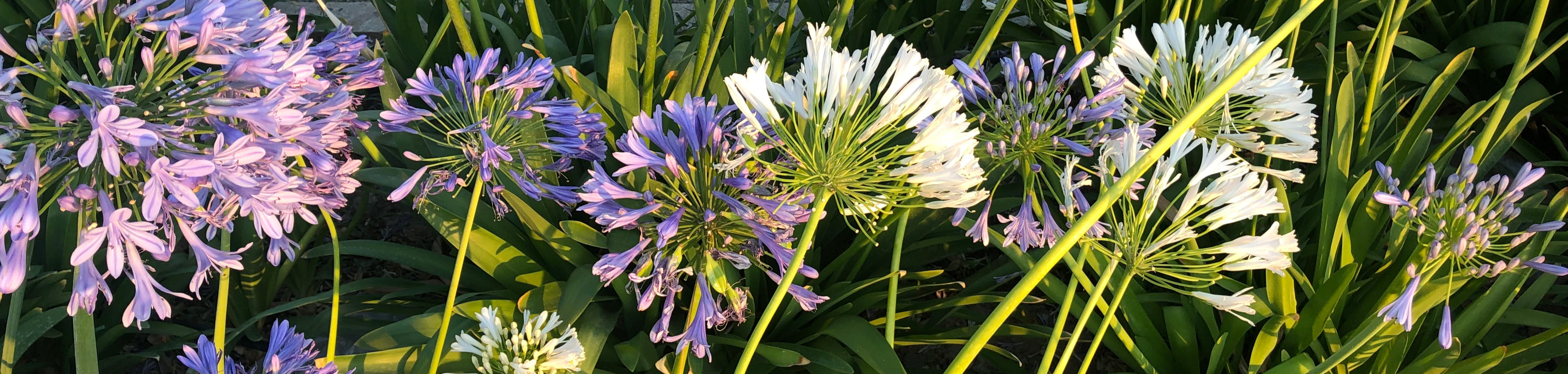
Agapanthus generally flowers from July through September, although the exact flowering period varies between varieties and growing conditions.
Its tall, upright stems carry rounded clusters of trumpet-shaped flowers, creating an impressive display above the foliage. Some varieties produce tightly packed flowerheads, while others have a looser, more delicate appearance.
Flower colours include:
💙 Blue, from pale lavender-blue to deep navy
💜 Purple and violet
🤍 White
Some varieties also have attractive two-tone flowers, with contrasting colours or darker stripes along the petals.
Height varies considerably. Compact varieties may reach just 20–60cm, making them suitable for pots and smaller gardens, while taller types can grow to 1.5m or more.
The flowers are also visited by bees and other pollinating insects, adding wildlife interest to summer planting schemes.
Agapanthus thrives in a sunny position with good drainage. Although relatively easy to grow, it dislikes cold, waterlogged conditions, particularly during winter.
Sunlight: Full sun is essential for reliable flowering. Plants grown in too much shade may produce plenty of foliage but few flowers.
Soil: Fertile, moisture-retentive but well-drained soil is ideal.
Drainage: Avoid heavy, waterlogged ground, especially where winter rainfall is prolonged.
Shelter: A warm, sheltered position helps protect flowering stems and benefits less hardy varieties.
Spring, usually from late March through April, is the best time to plant Agapanthus outdoors. This gives the roots time to establish before winter.
Prepare the planting area by incorporating well-rotted garden compost where necessary. Remove the plant carefully from its container and position it at the same depth as it was previously growing. Firm the soil gently and water thoroughly.
Allow enough space for the plant to develop into a substantial clump, checking the expected spread of your chosen variety.
For container growing, choose a sturdy pot with drainage holes and fill it with a good-quality, peat-free compost. A soil-based compost is particularly suitable for larger specimens.
Avoid choosing a pot that is excessively large for the root system. Agapanthus grows well in a reasonably snug container, although severely congested roots can eventually reduce flowering.
Once established, Agapanthus needs relatively little maintenance, although plants growing in containers require more attention.
Watering: Water newly planted specimens regularly during dry weather. Established plants in borders are fairly drought tolerant, but container-grown plants should be watered consistently throughout the growing season.
Feeding: Feed container-grown plants with a liquid fertiliser, such as a seaweed-based feed, during active growth, following the manufacturer’s instructions.
Supporting: Most varieties have sturdy flowering stems, although taller plants may benefit from support in exposed positions.
A sunny position, suitable feeding and consistent watering during the growing season will help Agapanthus produce a good display of flowers.
Remove faded flower stems by cutting them close to the base. This keeps the plant tidy, prevents energy being spent on seed production and may help prolong the flowering display.
Continue watering container-grown plants during late summer and early autumn, even after flowering has finished. This is particularly important because the plant develops the buds that will produce next year’s flowers during this period.
If a plant produces plenty of leaves but few flowers, check that it receives sufficient sunlight. Plants that have become excessively pot-bound may also flower poorly and benefit from repotting or division.
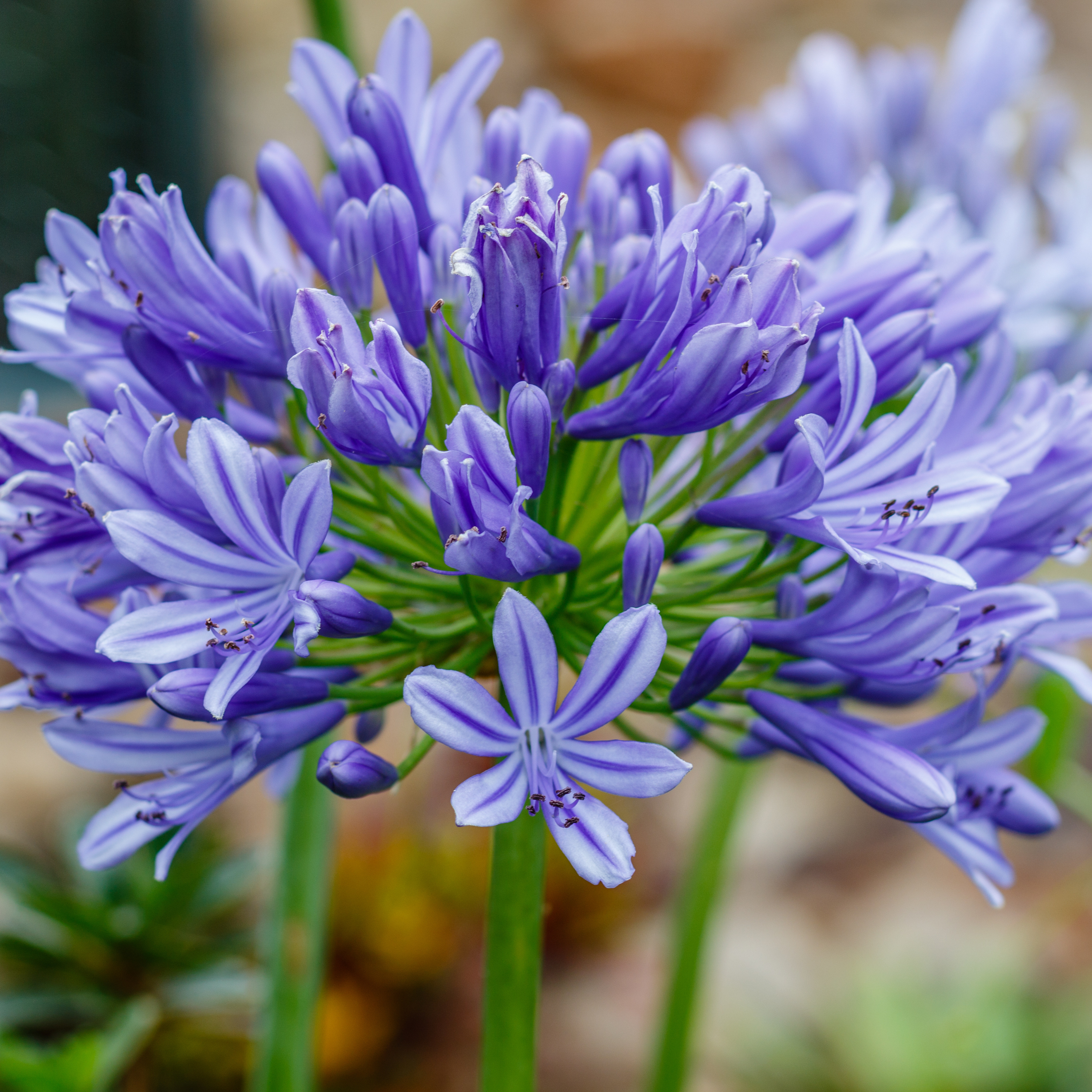
Agapanthus can remain attractive long after its flowers have faded. The rounded seedheads provide architectural interest during autumn and early winter, particularly when left standing among ornamental grasses and other late-season perennials.
Winter care depends largely on whether your plant is deciduous or evergreen.
Deciduous varieties lose their leaves naturally as temperatures fall. Many are hardy enough to remain outdoors in well-drained soil, although a generous layer of mulch can provide additional protection in colder areas.
Evergreen varieties retain their foliage throughout winter but are generally less hardy. Many are best grown in containers that can be moved into a cool, frost-free greenhouse or conservatory during colder weather.
Container-grown plants are particularly vulnerable because their roots are more exposed to freezing temperatures. Even hardy varieties benefit from protection during prolonged frost.
Reduce watering considerably during winter, keeping the compost from becoming waterlogged.
Remove dead or damaged foliage in spring as fresh growth begins.
Established clumps can be divided every few years when they become overcrowded or outgrow their space.
Spring, around late March or April, is the best time to divide them.
Carefully lift the plant and separate the clump into smaller sections, ensuring each has healthy roots and growing points. Replant promptly in suitable soil or containers and water thoroughly.
Avoid dividing plants into excessively small pieces, as these may take longer to establish and resume flowering.
Agapanthus can also be grown from seed, although seedlings may take several years to flower and will not necessarily resemble the parent plant. Division is the more reliable method of reproducing named varieties.
Agapanthus is generally a healthy plant, but a few problems can affect its growth and flowering.
Poor flowering: Too much shade, insufficient water during late summer, overcrowded roots or unsuitable winter conditions can all reduce flowering. Check the growing conditions before moving or dividing the plant.
Agapanthus gall midge: This small insect can cause developing flower buds to become distorted, discoloured or fail to open. Remove and destroy affected flowerheads to help reduce the problem.
Slugs and snails: Young leaves may occasionally be damaged, particularly as new growth emerges in spring.
Winter damage: Prolonged frost or waterlogged soil can damage roots and foliage, especially in evergreen or less hardy varieties.
The tall, elegant stems and distinctive rounded flowerheads make Agapanthus a beautiful choice for floral arrangements.
Blue, purple and white varieties combine particularly well with ornamental grasses and other summer flowers, while the strong stems add height and structure to larger displays.
For the best results, cut stems when some of the individual flowers within the cluster have begun to open, with others still in bud.
Remove any foliage that would sit below the waterline and place the stems in a clean vase with fresh water. Change the water regularly and keep arrangements away from direct heat and strong sunlight.
For more inspiration, see our guide to creating a cut flower garden.
Agapanthus is harmful if eaten. Keep children and pets from eating any part of the plant, and wear gardening gloves when handling or dividing established clumps.
With its striking flowerheads, elegant foliage and wide choice of sizes, Agapanthus brings a distinctive architectural quality to summer gardens. It is equally attractive planted in groups through sunny borders or displayed in large containers on patios and terraces.
For more ideas on adding colour and interest to your garden, explore our guide to summer-flowering bulbs, featuring a selection of plants for borders and containers.
Visit us in Kington for ideas on combining flowering perennials and creating colourful summer planting displays.