
Open today 9:00 - 17:00
Achillea, commonly known as yarrow, is a hardy perennial valued for its colourful, flat-topped flowerheads and finely divided, fern-like foliage. Its clusters of tiny flowers create a soft, natural appearance, making it particularly attractive in cottage gardens, mixed borders and prairie-style planting schemes.
Easy to grow and tolerant of dry conditions once established, Achillea is an excellent choice for sunny gardens. It also provides a valuable source of nectar and pollen for visiting insects, while its flowers can be enjoyed in both fresh and dried arrangements.
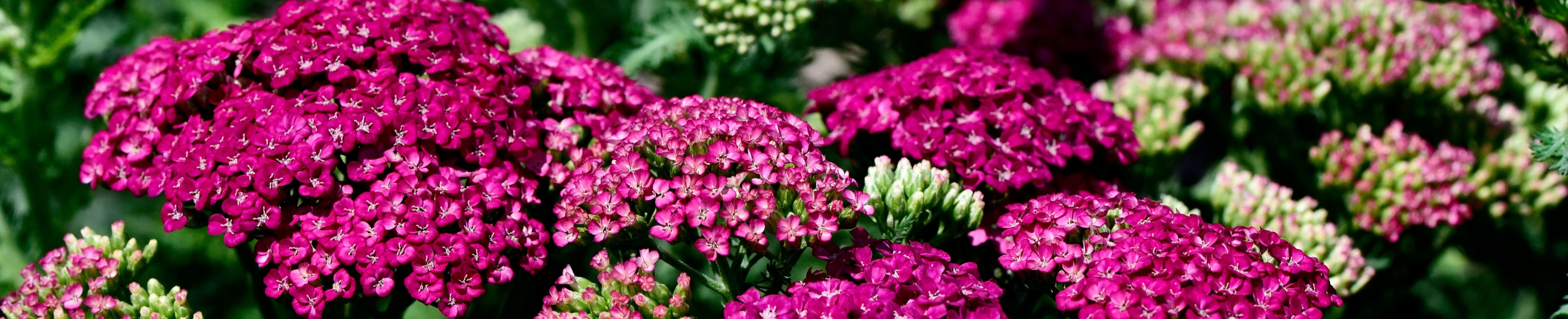
Achillea generally flowers from June through September, with some varieties continuing into autumn if regularly deadheaded.
Its distinctive flowerheads consist of numerous tiny flowers grouped into broad, flattened or slightly domed clusters. These rise above attractive, often aromatic foliage that ranges from bright green to silvery grey.
Flower colours include white, cream, yellow, gold, pink, apricot, orange and red. Some varieties gradually change colour as their flowers mature, creating an attractive mixture of shades on the same plant.
Most popular border varieties grow between 30–90cm tall, although taller types, such as Achillea filipendulina ‘Cloth of Gold’, can reach around 1.8m. Smaller, low-growing species are also available for rock gardens and the front of borders.
The open flowerheads are particularly attractive to bees, butterflies and hoverflies. Their accessible flowers provide nectar and pollen throughout the summer, making Achillea a useful addition to wildlife-friendly planting schemes.
Most varieties thrive in open, sunny positions and prefer soil that drains freely. They are particularly well suited to gravel gardens and areas where the soil is relatively poor.
Their tolerance of dry conditions also makes them a useful choice for low-water planting schemes. For more inspiration, explore our dry garden ideas.
Sunlight: Full sun encourages strong growth and abundant flowering. Too much shade can produce weak, floppy stems.
Soil: Most varieties prefer well-drained soil and tolerate sandy, chalky or relatively poor ground.
Drainage: Avoid heavy, waterlogged soil, particularly during winter, as prolonged wet conditions can damage the roots.
Exposure: Most varieties tolerate exposed positions, although taller types may benefit from some shelter.
One exception is Achillea ptarmica, commonly known as sneezewort, which prefers moister soil and can tolerate partial shade.
Spring is the ideal time to plant, although established container-grown plants can also be planted in autumn if the soil is not waterlogged.
Choose a suitable position and remove any weeds before planting. There is usually no need to enrich the soil with additional compost, as overly fertile conditions can encourage excessive leafy growth and weak stems.
Remove the plant carefully from its container and position it at the same depth as it was previously growing. Firm the soil gently and water thoroughly.
Allow sufficient space for the clump to spread, checking the mature size of your chosen variety.
Compact varieties can also be grown in containers. Use a peat-free compost mixed with horticultural grit to improve drainage, and choose a pot with adequate drainage holes.
Once established, Achillea is generally low maintenance and requires little additional attention.
Watering: Water regularly during the first growing season while the roots establish. Mature plants in borders usually need watering only during prolonged drought.
Feeding: Plants growing in the ground rarely need additional fertiliser. Container-grown specimens benefit from occasional feeding during active growth.
Supporting: Taller varieties may need discreet support, particularly if grown in rich soil or exposed positions.
Regular deadheading helps extend the flowering season and keeps plants looking tidy.
As individual flowerheads begin to fade, cut the flowering stems back to a healthy pair of leaves or a developing side shoot. This encourages fresh growth and can produce additional flowers later in the season.
For taller varieties, the Chelsea chop can also be useful. Cutting stems back by up to half in late May encourages shorter, sturdier growth and delays flowering slightly, helping to extend the overall display.
This technique is particularly useful where plants tend to become tall and floppy, although it will delay the first flowers.
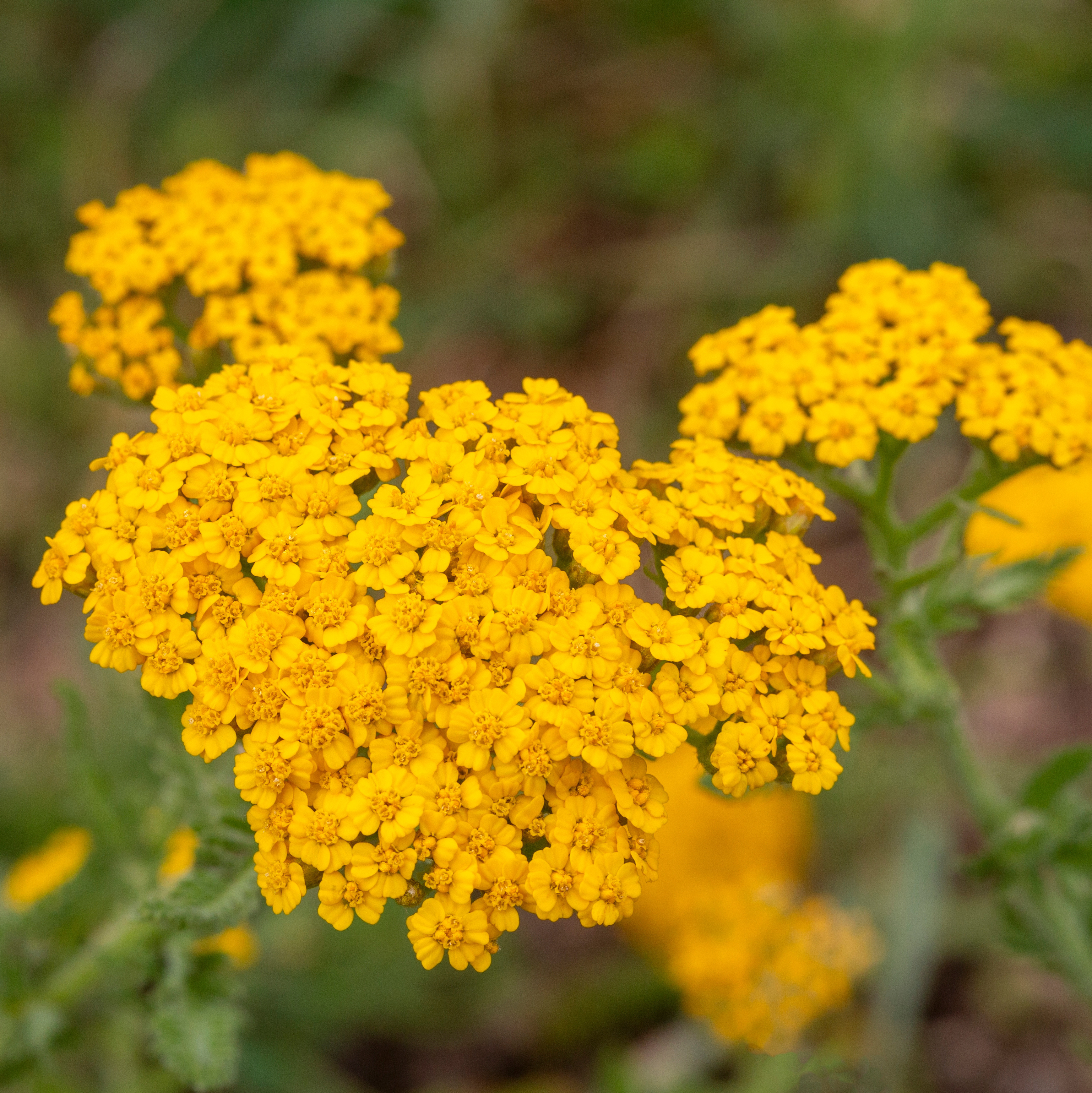
As autumn approaches, the flowerheads gradually dry and fade, often retaining their distinctive shape long after flowering has finished.
Rather than cutting everything back immediately, consider leaving some of the dried stems standing through winter. Their seedheads add structure to the garden and can provide food and shelter for wildlife.
Most commonly grown varieties are hardy in UK gardens and require little winter protection, provided the soil drains well.
In early spring, cut back the remaining dead stems and remove any untidy foliage to make way for fresh growth.
Established clumps benefit from division every three to five years to maintain healthy growth and reliable flowering.
Spring is the best time to divide them. Lift the clump carefully with a garden fork and separate it into smaller sections, each with healthy roots and shoots.
Discard any old, woody or dead sections from the centre, then replant the healthy divisions and water thoroughly.
Achillea can also be grown from seed or propagated from young basal shoots in spring. However, seedlings from named cultivars may not retain the exact flower colour or characteristics of the parent plant.
Common yarrow, Achillea millefolium, can spread readily through underground stems and may become too vigorous for smaller borders. Dividing or removing unwanted growth helps keep it under control.
Achillea is generally trouble-free, although unsuitable growing conditions can occasionally cause problems.
Powdery mildew: A white, powdery coating may develop on leaves, particularly when plants are stressed by dry conditions. Improve air circulation and water the soil during prolonged drought.
Aphids: These small insects may gather on young shoots and flower stems. Encourage natural predators such as ladybirds and hoverflies, and remove heavy infestations where necessary.
Weak or floppy stems: Excessively rich soil, too much shade or overcrowding can cause plants to lose their upright habit. Move plants to a sunnier position or divide congested clumps.
Root rot: Poor drainage and prolonged winter wet can cause plants to decline. Improve drainage or move affected plants to a more suitable position.
Achillea is an excellent plant for attracting pollinating insects into the garden. Its broad, flat flowerheads are made up of numerous small, accessible flowers, providing nectar and pollen for a variety of beneficial visitors.
🐝 Bees visit the flowers for nectar and pollen.
🦋 Butterflies are attracted to the broad flowerheads, which provide convenient landing places while feeding.
🌼 Hoverflies and other beneficial insects visit the small, open flowers, adding to the diversity of wildlife in the garden.
The long flowering season makes Achillea particularly useful in wildlife-friendly borders, where it combines well with other nectar-rich perennials to provide food throughout summer.
Leaving some flowerheads standing after flowering can also provide shelter for small insects during autumn and winter.
For more ideas on supporting bees, butterflies and other beneficial insects, see our guide to creating a pollinator garden.
Achillea is an excellent choice for homegrown floral arrangements, with its broad flowerheads providing texture and contrast alongside larger summer blooms.
The flowers combine particularly well with roses, cosmos, dahlias and ornamental grasses, while their long stems make them useful for both informal bouquets and more structured displays.
For fresh arrangements, cut stems when the flowerheads are well developed and place them promptly in clean water.
Achillea is also particularly suitable for drying. Harvest stems when the flowers are fully open, remove the lower leaves and hang them upside down in small bunches somewhere dry, dark and well ventilated.
Once dried, the flowerheads retain much of their shape and can be used in arrangements and seasonal decorations.
For more ideas, explore our guide to creating a cut flower garden.
Contact with Achillea foliage may cause skin irritation or aggravate existing skin allergies in some people. Wear gardening gloves when planting, dividing or cutting back established plants.
With its long flowering season, wide range of colours and tolerance of dry conditions, Achillea is a versatile addition to sunny borders. Its delicate foliage and colourful flowerheads combine beautifully with other perennials, while its value to pollinating insects makes it particularly welcome in wildlife-friendly gardens.
Visit us in Kington for ideas on combining hardy perennials and creating colourful, easy-care planting schemes.