Autumn Garden Care Guide

πŸ‚ Autumn Garden Care: A Guide to Preparing Your Garden for Winter and a Thriving Spring

Autumn marks the transition between the growing season and winter, making it an important time to prepare the garden for the months ahead. Many of the jobs carried out now help plants establish well, protect vulnerable specimens and lay the foundations for healthy growth next spring.

Warm soil, cooler air temperatures and more reliable rainfall create favourable conditions for planting, improving soil, maintaining lawns and preparing the garden for winter.

A little time spent on seasonal jobs now can make spring gardening easier while giving many plants the best possible start to the new growing season.

🌱 Why Autumn Matters in the Gardening Calendar

Routine autumn garden care helps keep plants healthy through winter and gives many new plantings time to establish before growth slows. Tackling seasonal jobs while the weather remains mild also makes spring gardening easier.

Prioritise tasks such as clearing diseased foliage, improving soil with organic matter, planting hardy trees and shrubs, dividing overcrowded perennials and keeping lawns in good condition.Β 

πŸ‘‰ Expert Tip: Keep a garden notebook during autumn. It’s the ideal time to record areas that need improvement while the successes and challenges of the growing season are still fresh in your mind.

🌳 Plant Trees, Shrubs and Perennials

Autumn provides favourable conditions for planting new specimens. Warm soil encourages strong root development, while cooler temperatures reduce stress on plants as they settle in. Trees, shrubs and perennials planted now have time to establish before winter, giving them a stronger start when growth resumes in spring.

It’s also an excellent time to lift and divide overcrowded perennials. Dividing plants helps restore vigour, improve flowering performance, and reduce competition for water and nutrients. As an added benefit, a single mature plant can often be split into several healthy divisions, providing additional plants for other areas of the garden at no extra cost.

What To Plant In Autumn

  • Fruit trees such as apples, pears, plums, cherries, nectarines and peaches
  • Blackcurrants, gooseberries, raspberries, blueberries and figs
  • Evergreen shrubs
  • Hardy perennials
  • Ornamental grasses
  • Japanese maples and flowering cherries
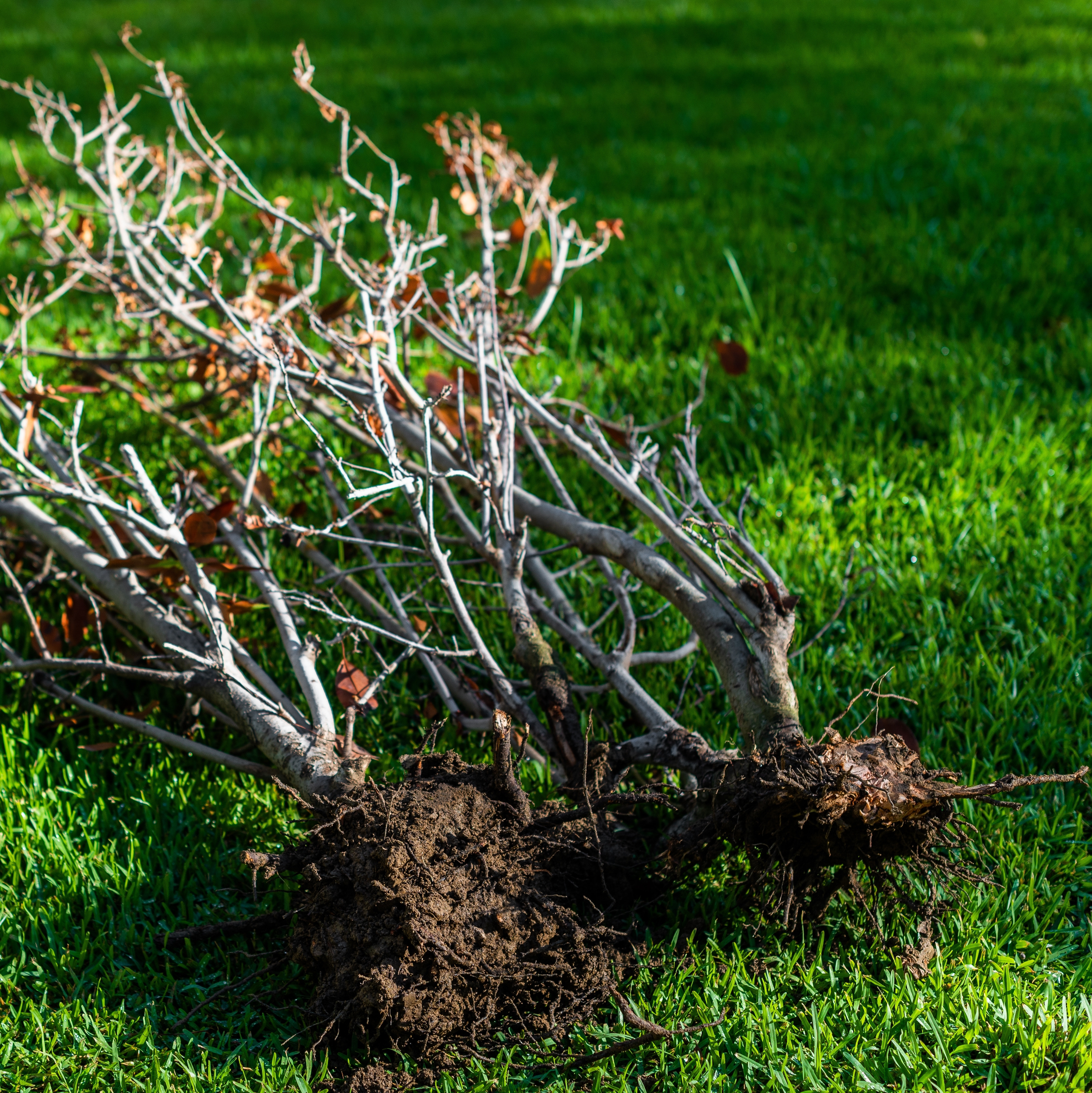
Bare-root trees ready for planting
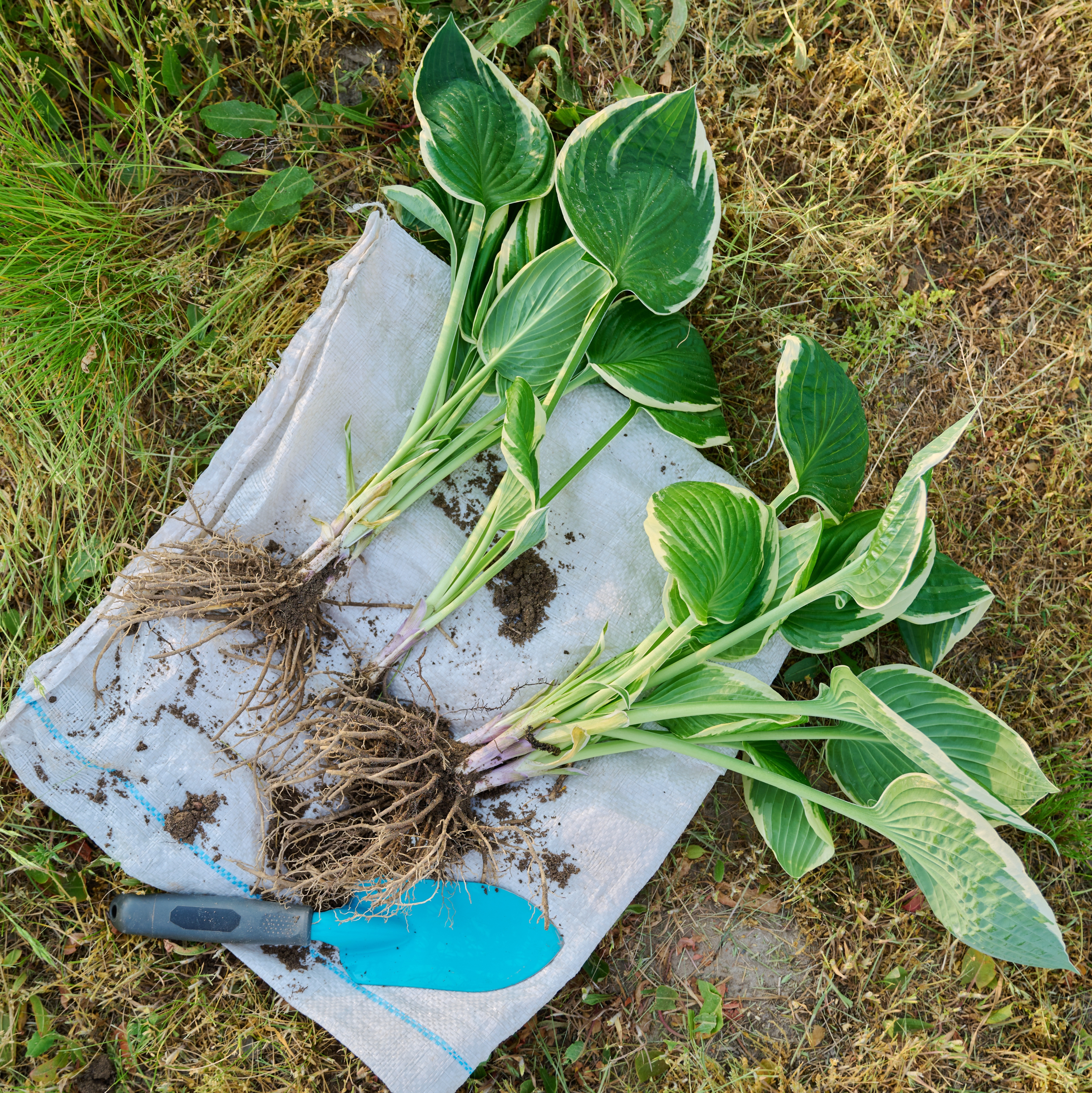
Dividing a mature hosta plant into smaller sections by separating the root ball, ready for replanting in different areas of the garden.

Divide Overcrowded Perennials

Popular plants to divide include:

  • Hostas
  • Daylilies
  • Hardy geraniums
  • Astilbes
  • Sedums

Nothing brightens early spring quite like bulbs emerging after winter.

Autumn is the ideal time to plant:

  • Daffodils
  • Crocuses
  • Alliums
  • Irises
  • Hyacinths
  • Snowdrops

Tulips are best planted later in autumn, usually during November, when cooler temperatures help reduce the risk of disease.

For maximum impact, plant bulbs in large groups rather than individually. Layer different bulb varieties in containers to create a succession of colour throughout spring.

πŸ‘‰ Pro Tip: Plant bulbs in drifts or clusters of odd numbers for a more natural and professional-looking display.

🍁 Recycle Autumn Leaves and Apply Mulch for Healthier Soil

Autumn leaves are one of the most valuable free resources available to gardeners. Rather than disposing of fallen leaves, collect them to make leaf mould, a natural soil conditioner that improves soil structure, boosts moisture retention and supports beneficial soil life. Widely used in organic gardening, leaf mould is an excellent way to recycle garden waste while enhancing the long-term health of your soil.

To make leaf mould, gather fallen leaves and place them in a dedicated leaf bin, breathable hessian sack, or black plastic bags with a few air holes. Leave them to decompose for one to two years before using the finished material around your garden.

Applying organic mulches in autumn also helps improve soil and protect plants through the colder months. A layer approximately 5cm thick can be applied around beds, borders and established plants using:

Using leaf mould and other organic mulches offers several benefits:

  • Improved soil structure and texture
  • Better moisture retention
  • Increased microbial activity
  • Reduced green waste
  • Fewer weeds
  • Protection for plant roots during winter
  • Long-term improvements in soil fertility

As earthworms and other beneficial soil organisms incorporate organic matter into the soil, they help create healthier growing conditions and support a thriving garden ecosystem.

πŸ‘‰ Expert Tip: If mulch supplies are limited, prioritise beds, borders and newly planted areas. A generous layer in key locations will provide greater benefits than spreading a thin layer across the entire garden.

βœ‚οΈ Prune and Tidy Plants Selectively

Autumn is a good time to remove dead, damaged or diseased growth and tidy up areas of the garden that have finished flowering. Pruning and cutting back selected plants can improve appearance, reduce the spread of disease and prepare the garden for winter.

Tasks to prioritise:

  • Trim damaged tree branches
  • Remove diseased plant material
  • Cut back faded herbaceous perennials
  • Remove spent annuals
  • Collect seeds for next year’s planting

Avoid heavy pruning of tender plants, as fresh growth may be damaged by winter weather. Always remove and dispose of diseased material rather than adding it to compost heaps.

πŸ¦‹ Create Winter Habitats for Garden Wildlife

While some tidying is beneficial, autumn is also an important time to support wildlife. Many birds, insects and small mammals rely on gardens for food and shelter during the colder months.

Consider leaving or creating:

  • Seedheads as a food source for birds
  • Log piles for insects and other invertebrates
  • Leaf piles in quiet corners for hedgehogs and other wildlife
  • Undisturbed areas of vegetation for overwintering insects

Keep bird feeders topped up and provide a reliable source of fresh water throughout winter.

If you have a pond, use wildlife-safe netting to reduce leaf build-up while still allowing animals access. By leaving some areas of the garden undisturbed, you can help support biodiversity until spring arrives.

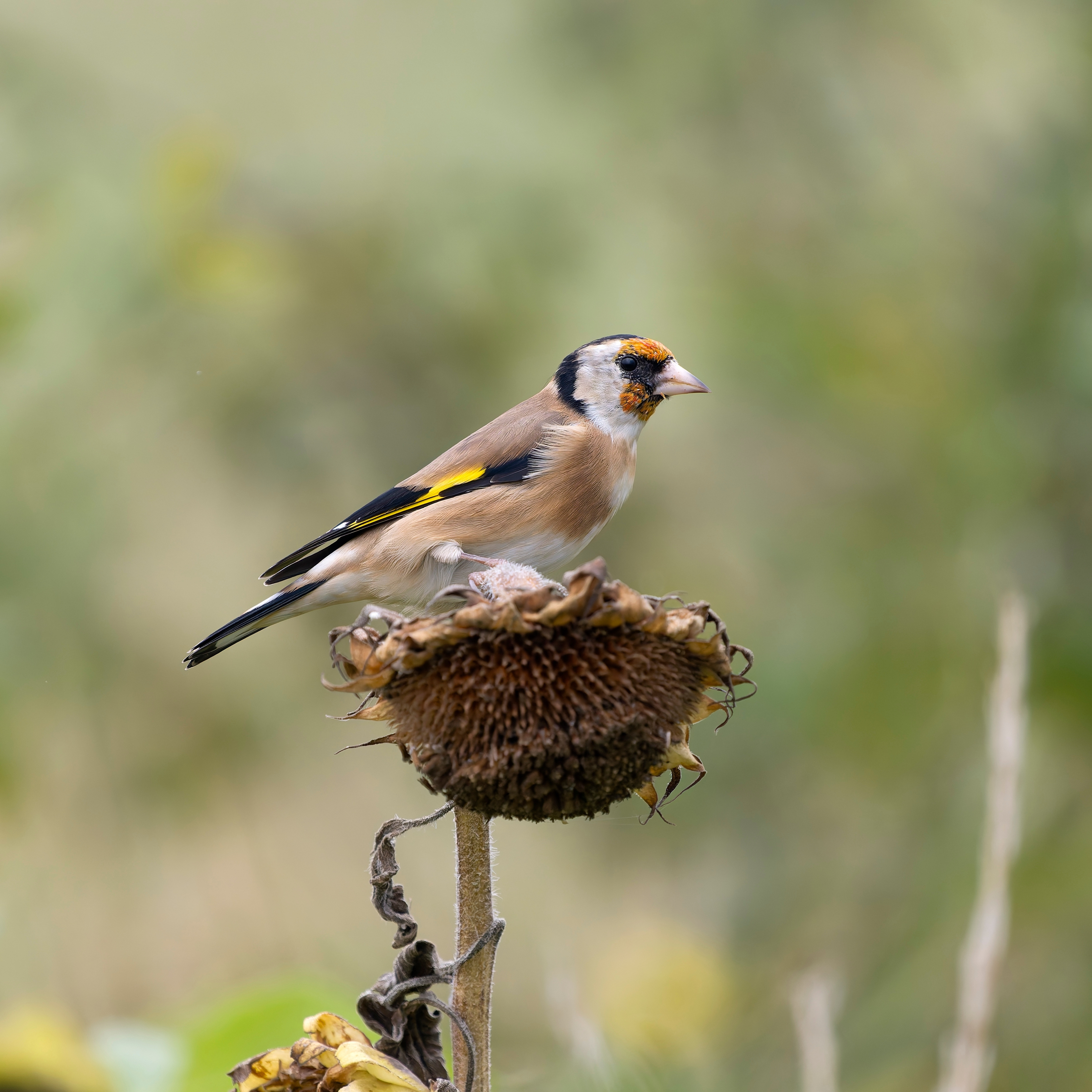
Goldfinch feeding on dried sunflower seed heads in a winter garden

πŸͺ΄ Protect Pots, Containers and Tender Plants

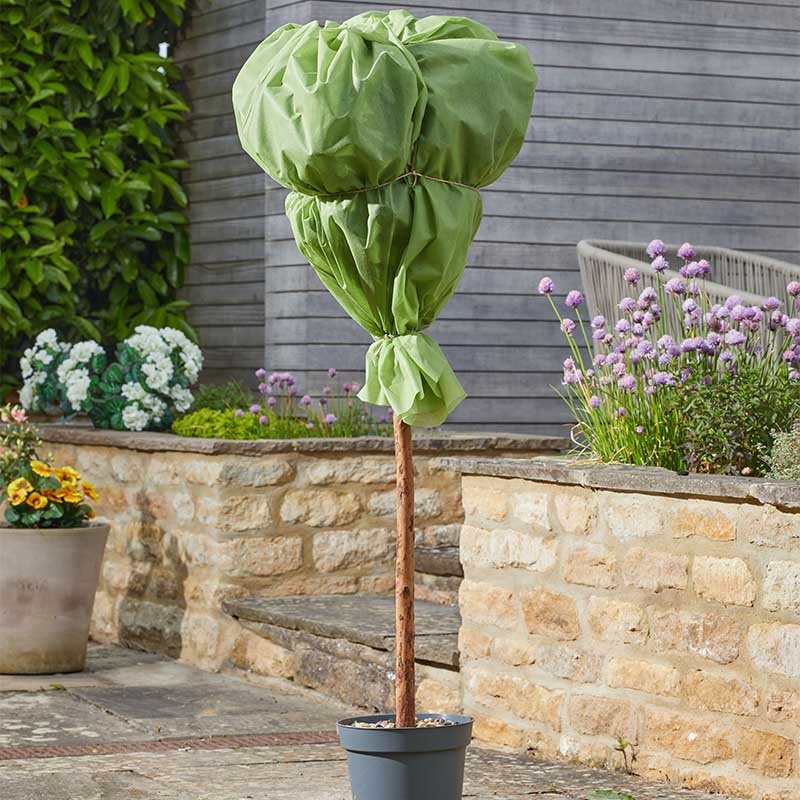
A tree wrapped in horticultural fleece for frost protection

Container-grown plants need extra attention before winter.

Autumn Container Checklist

  • Raise pots on pot feet
  • Ensure drainage holes remain clear
  • Group containers together in sheltered areas
  • Protect tender plants with horticultural fleece
  • Move vulnerable specimens against walls or into cold frames

Taking a few preventative measures in autumn can help container plants come through winter in better condition. Well-drained, protected pots are less likely to suffer from frost damage, root rot or waterlogging, giving plants the best chance of thriving in the growing season ahead.

🌺 Refresh Pots and Plan Future Colour

Autumn care is not only about tidying up. It is also a good time to refresh tired summer containers and make notes on where your garden lacked colour this year.

For instant seasonal interest, plant containers with pansies, violas, cyclamen, heathers and trailing ivy. These will brighten patios, doorways and borders through autumn and into winter.

Autumn is also a great time to plant shrubs and small trees that will provide colour in future years. Japanese maples, flowering cherries and ornamental crab apples can bring beautiful autumn foliage, and many compact varieties grow well in large containers.

πŸ‘‰ Expert Tip: Take photos of your borders in autumn. They make it much easier to spot dull areas and plan where to add bulbs, shrubs or late-season plants for next year.

🌱 Give Your Lawn Some Autumn Attention

Autumn lawn care can dramatically improve next year’s results.

Essential Lawn Tasks

  • Rake leaves regularly
  • Apply an autumn lawn feed
  • Scarify to remove moss and thatch
  • Aerate compacted areas
  • Repair bare patches
  • Sow new grass seed during early autumn

These steps improve drainage, encourage healthy roots and create a stronger lawn for spring.

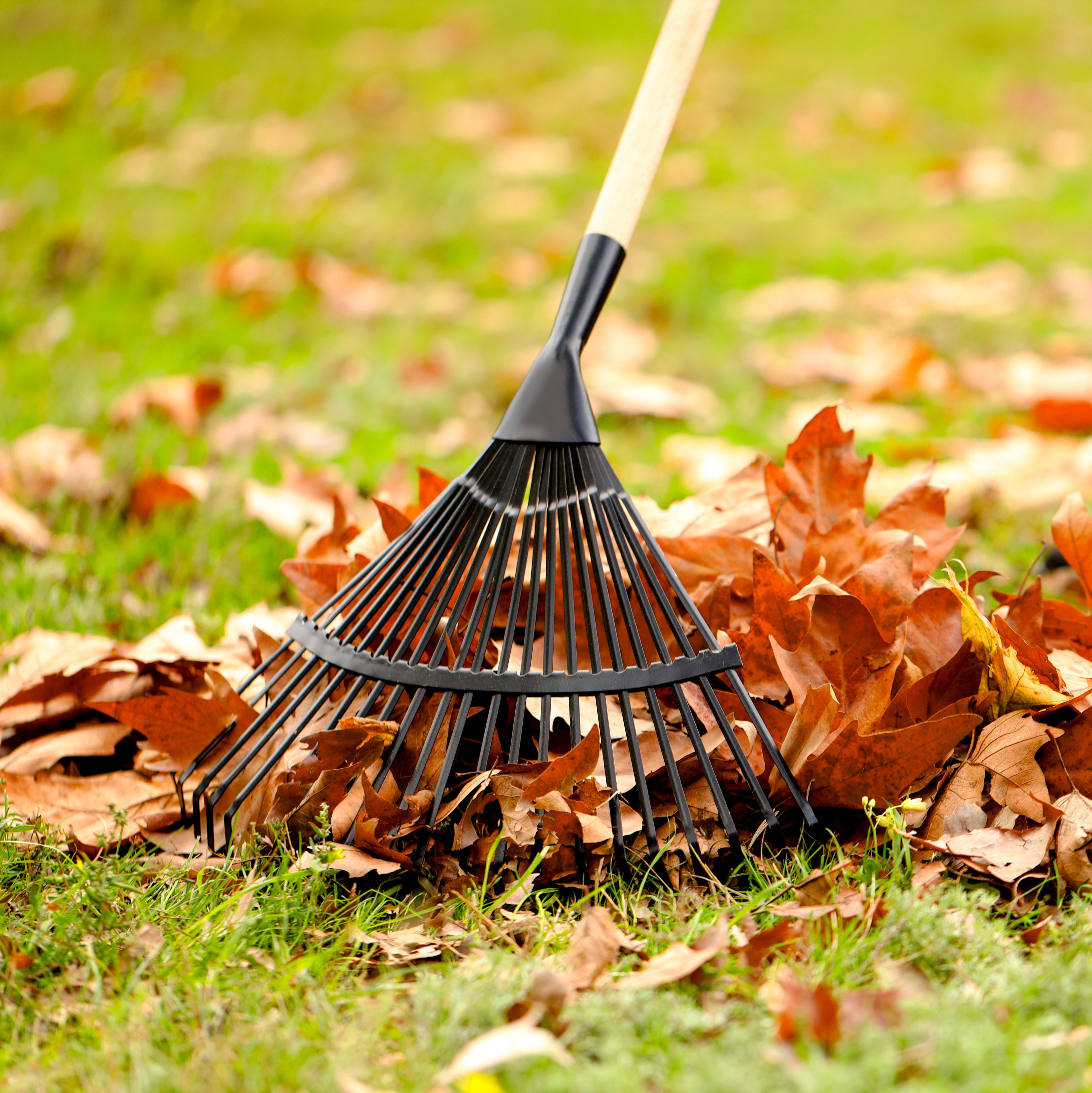
A splayed rake pulling through autumn leaves on a lawn

🧽 Clean and Protect Your Garden

Regular garden maintenance is an important part of preparing your garden for winter, helping to protect outdoor spaces, tools and garden features from seasonal wear and damage.

Cleaning Jobs Worth Doing Now

  • Wash empty pots and containers
  • Scrub patios and decking
  • Clean greenhouses
  • Remove algae and moss from paths
  • Clean and sharpen garden tools

Protect Outdoor Features

  • Cover garden furniture
  • Secure arches and supports
  • Store bamboo canes
  • Check fences and structures
  • Protect water features

A little time spent cleaning and protecting your garden now can make a big difference over the months ahead. Well-maintained tools, tidy hard surfaces and protected outdoor features are less likely to suffer from winter damage, helping you keep your garden safe, attractive and ready to enjoy whenever the weather allows.

πŸ“… Plan Ahead for Next Year

Autumn is an excellent time to review what worked well in your garden this year and start planning for the seasons ahead.

Consider:

  • Which plants performed best
  • Areas that would benefit from more colour or structure
  • Opportunities to support more wildlife
  • New planting ideas or border layouts
  • Crop rotation plans for vegetable gardens

By reflecting on this year’s successes and challenges, you’ll be better prepared to make informed planting decisions and achieve your garden goals next season.

🌱 Visit Our Garden Centre in Kington

Autumn is the ideal time to prepare your garden for the changing seasons. A few well-timed jobs now will help keep your garden healthy through winter and ready to flourish again in spring..

πŸ‘‰Β Visit usΒ inΒ Kington. Our team can offer practical advice on autumn gardening and help you choose spring bulbs, autumn bedding plants, composts, mulches and quality garden tools.