
Open today 9:00 - 17:00
Designing a new garden gives you the opportunity to create an outdoor space that suits your lifestyle and the way you want to use it. From the first sketch on paper to watching plants mature through the seasons, thoughtful garden design transforms an ordinary outdoor area into a beautiful, functional space you can enjoy year after year.
Good garden design starts with understanding the space you have and deciding what you want from it. This guide looks at planning the layout, choosing plants and considering practical details to help you create a garden that works well, looks attractive and develops successfully over time.
Before buying plants or choosing paving, begin by creating a detailed plan of your garden.
Measure your outdoor space carefully and draw it to scale on paper. Mark important features including:
Understanding the natural layout of your garden makes every design decision easier later on.
Understanding how sunlight moves across your garden will help you decide where different plants and features should go.
Observe how light changes throughout the day and across the seasons. South-facing borders generally receive more sun, while north-facing areas are often better suited to shade-tolerant plants.
This simple step helps you:
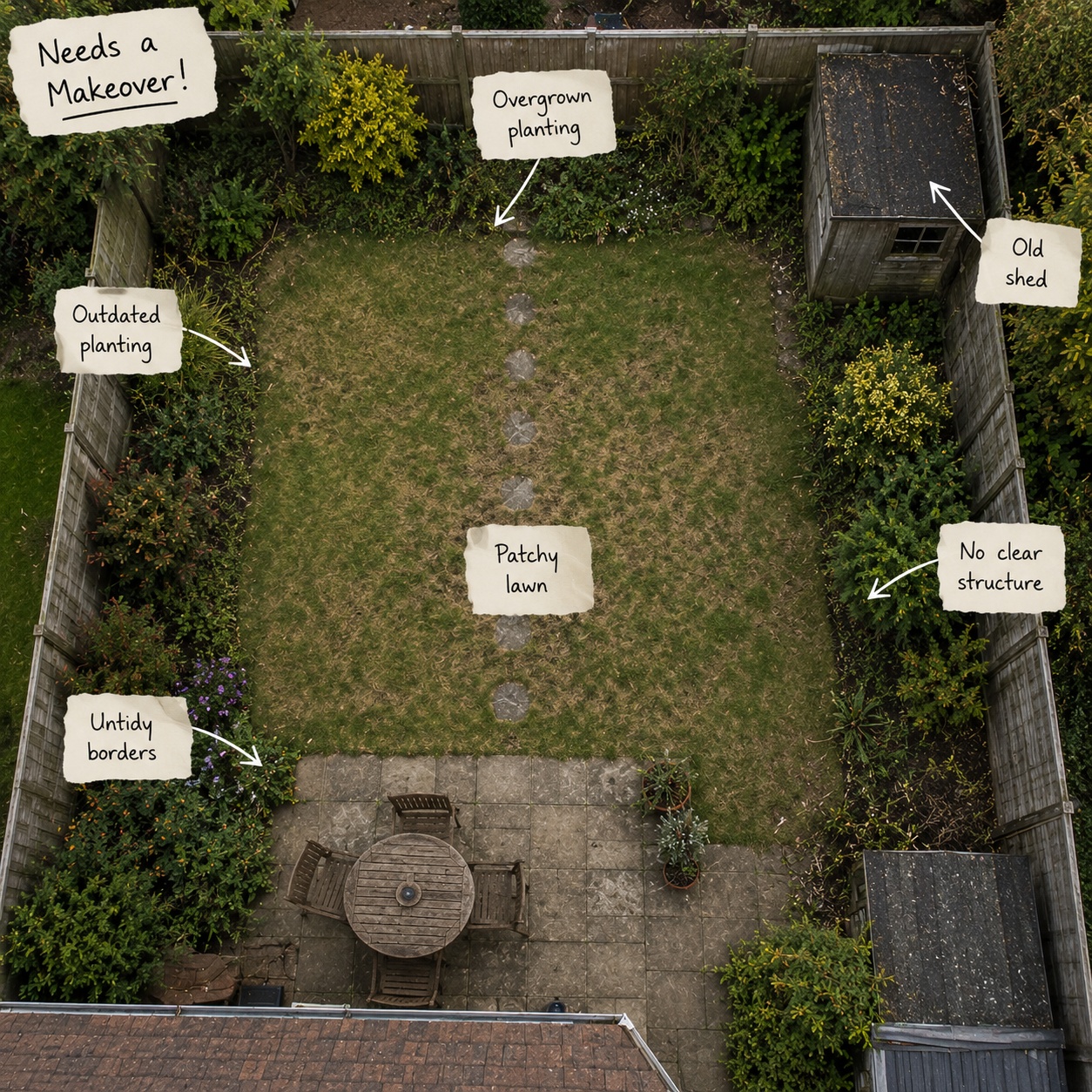
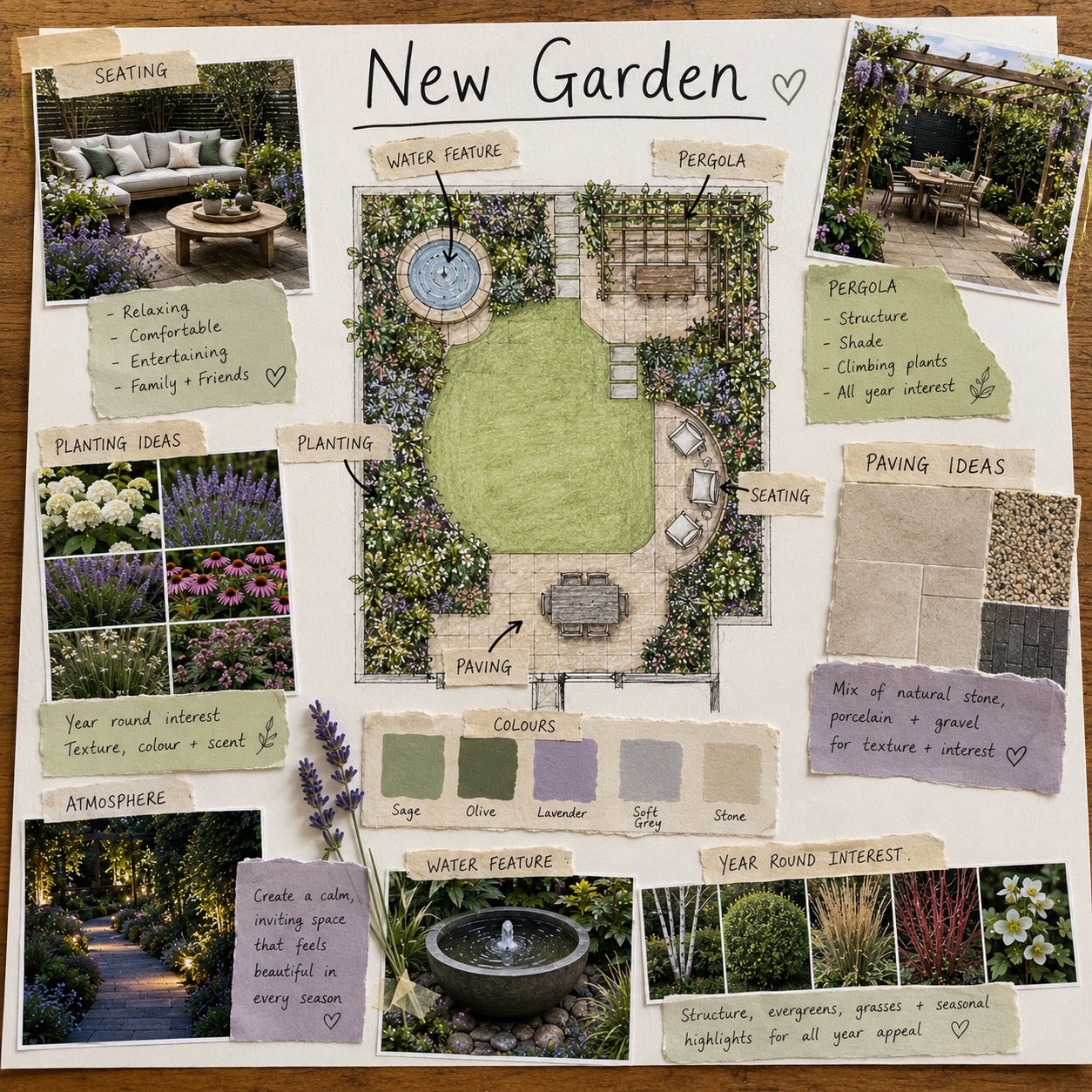
The best garden design combines beauty with practicality. Think carefully about how your outdoor space will function for your lifestyle.
Consider creating dedicated areas for:
Mark these zones clearly on your plan. This helps you visualise movement through the garden and identify where paths, screens, or focal points are needed.
A truly successful garden design looks attractive in every season, not just summer.
Include:
Layering seasonal interest ensures your garden always feels alive and inviting.
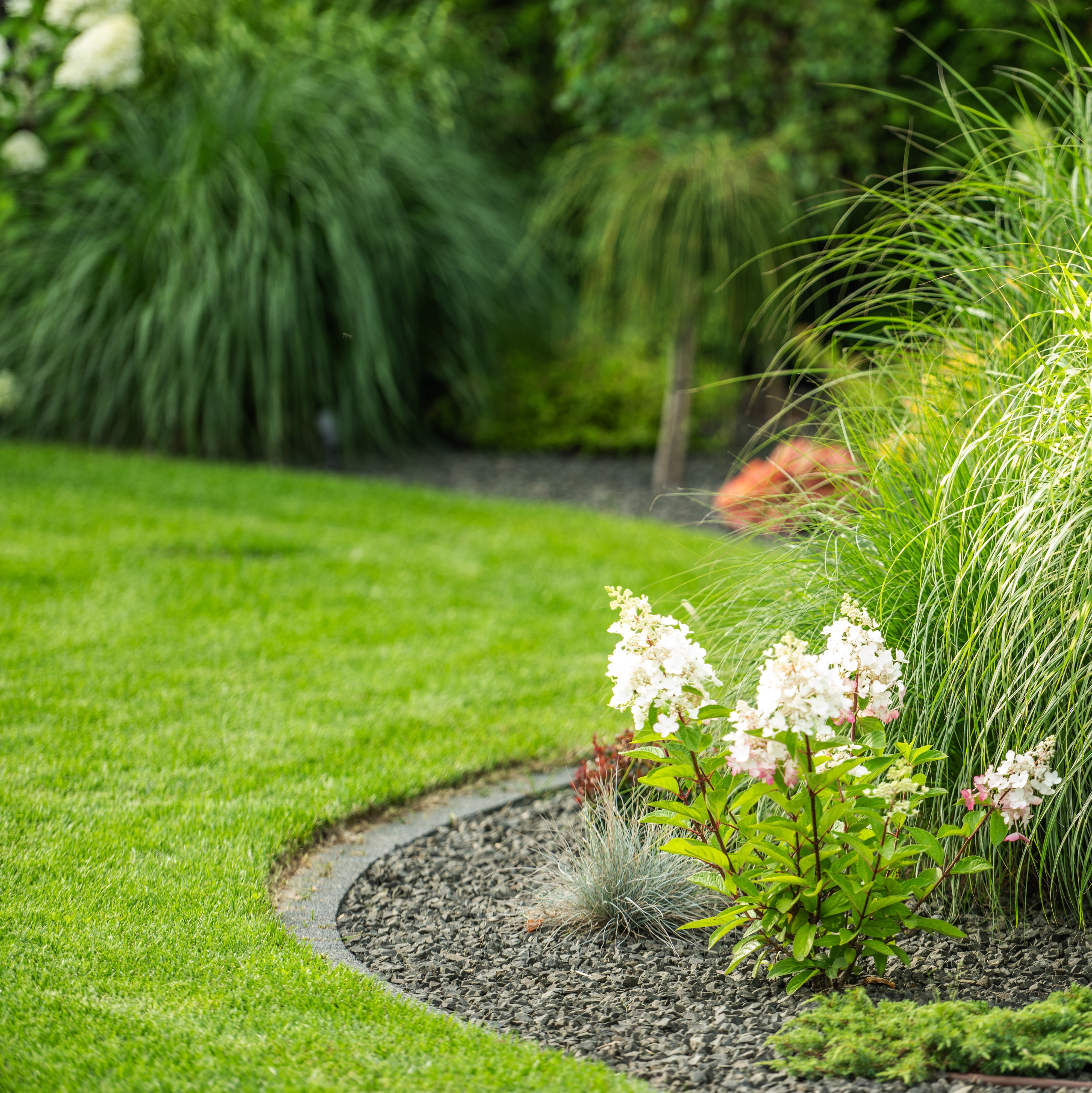
Lawns often form the foundation of a garden design, so their shape has a huge impact on the overall appearance.
Experiment with shapes on your garden plan before making permanent changes.
For smaller square gardens, positioning paths and borders diagonally at a 45-degree angle can make the entire space feel larger and more dynamic.
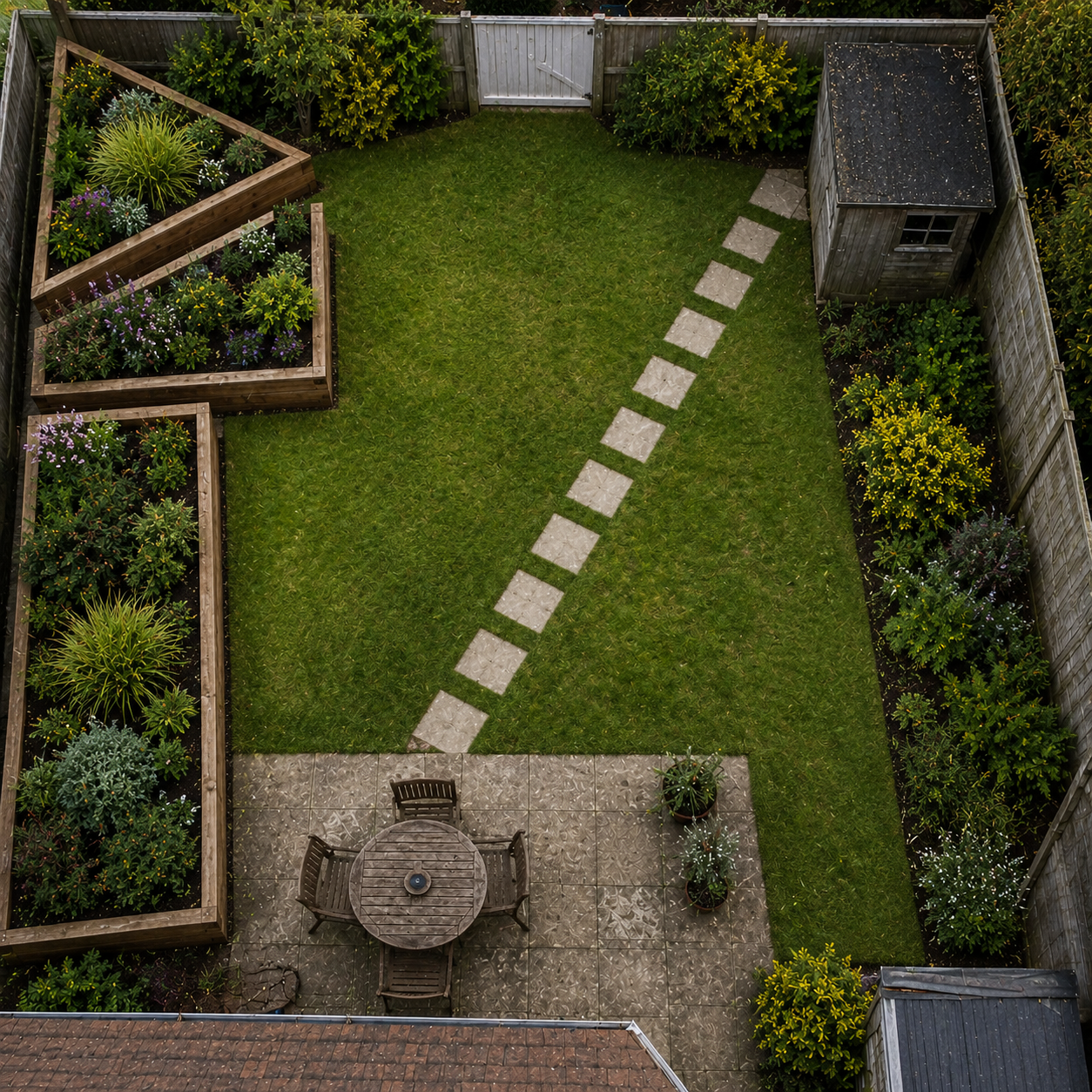
Every path in your garden should lead somewhere meaningful.
Avoid pathways that stop abruptly. Instead, guide visitors toward:
Narrow winding paths can create a sense of discovery and make compact gardens feel much larger than they really are.
When choosing path materials, ensure they complement your home and garden style. Gravel, natural stone, porcelain paving, and brick each create very different moods.
When designing a new garden, always begin planting with structure first.
Start with:
These plants provide:
Once these anchor plants are in place, fill gaps with flowering perennials and seasonal colour.
👉 Top Tip: If space is limited, compact ornamental trees are a brilliant way to add height, seasonal colour, privacy, and structure without overwhelming your garden.
It can be tempting to fill gaps when planting a new garden, but young plants need enough space to reach their mature size. Checking their eventual height and spread before planting helps avoid overcrowding later.
Garden design can also provide valuable food and shelter for wildlife without compromising the overall look of the space.
Consider adding:
These features can support a greater variety of wildlife while adding interest to the garden.
A few practical decisions made during the planning stage can make the finished garden easier to use and maintain.
Choose a garden style and planting scheme that suit the amount of time you realistically have available for ongoing care.
Think about how plants will be watered before establishing beds and borders. If you plan to install an irrigation system, doing so before planting can make the process considerably easier.
If you want to use the garden after dark, consider lighting during the design stage. It can illuminate paths and seating areas as well as highlight selected plants or garden features.
Preparing the soil before new plants go in gives them a better start. Adding suitable organic matter can improve soil structure, drainage and moisture retention.
Designing a new garden should feel exciting, inspiring, and achievable. With careful planning, the right planting choices, and thoughtful layout design, you can create an outdoor space that looks beautiful throughout the year and perfectly suits your lifestyle.
Visit us in Kington today. Explore our fantastic range of plants and garden essentials, and let us help you create a stunning new garden you’ll enjoy for years to come.