🌿 How To Build A Raised Bed: A Brief Guide for Successful Raised Bed Gardening
Raised beds provide a practical way to create defined growing areas for vegetables, herbs and flowers. They give you greater control over soil quality and drainage, while the additional height can make planting, weeding and harvesting more comfortable.
Building a raised bed requires some planning, from choosing the right location and materials to deciding on its size and filling it with suitable soil. This step-by-step guide explains how to build a raised bed, prepare it for planting and look after it throughout the year.
🌿 Why Choose Raised Bed Gardening?
Raised beds allow you to create good growing conditions even where the existing soil is poor, compacted or difficult to work. By filling the bed with suitable soil or growing medium, you have greater control over drainage, soil structure and fertility.
Raised bed gardening can also make some gardening tasks more accessible. Taller beds reduce the need for bending and kneeling at ground level, making planting, weeding and harvesting more comfortable.
Benefits of Raised Bed Gardening:
- Improved drainage
- Greater control over soil quality and structure
- Easier weed management
- Reduced soil compaction
- More comfortable planting and harvesting
- Suitable for vegetables, herbs and flowers
- Useful for creating organised growing areas
Raised beds can also warm up more quickly in spring than the surrounding ground, which may allow sowing and planting to begin a little earlier.
🪵 What Is a Raised Bed?
A raised bed is a contained growing area built above ground level. The structure is then filled with a tailored mix of topsoil and compost to create ideal growing conditions.
Popular materials for a DIY raised bed include:
- Untreated timber boards
- Railway sleepers
- Bricks or blocks
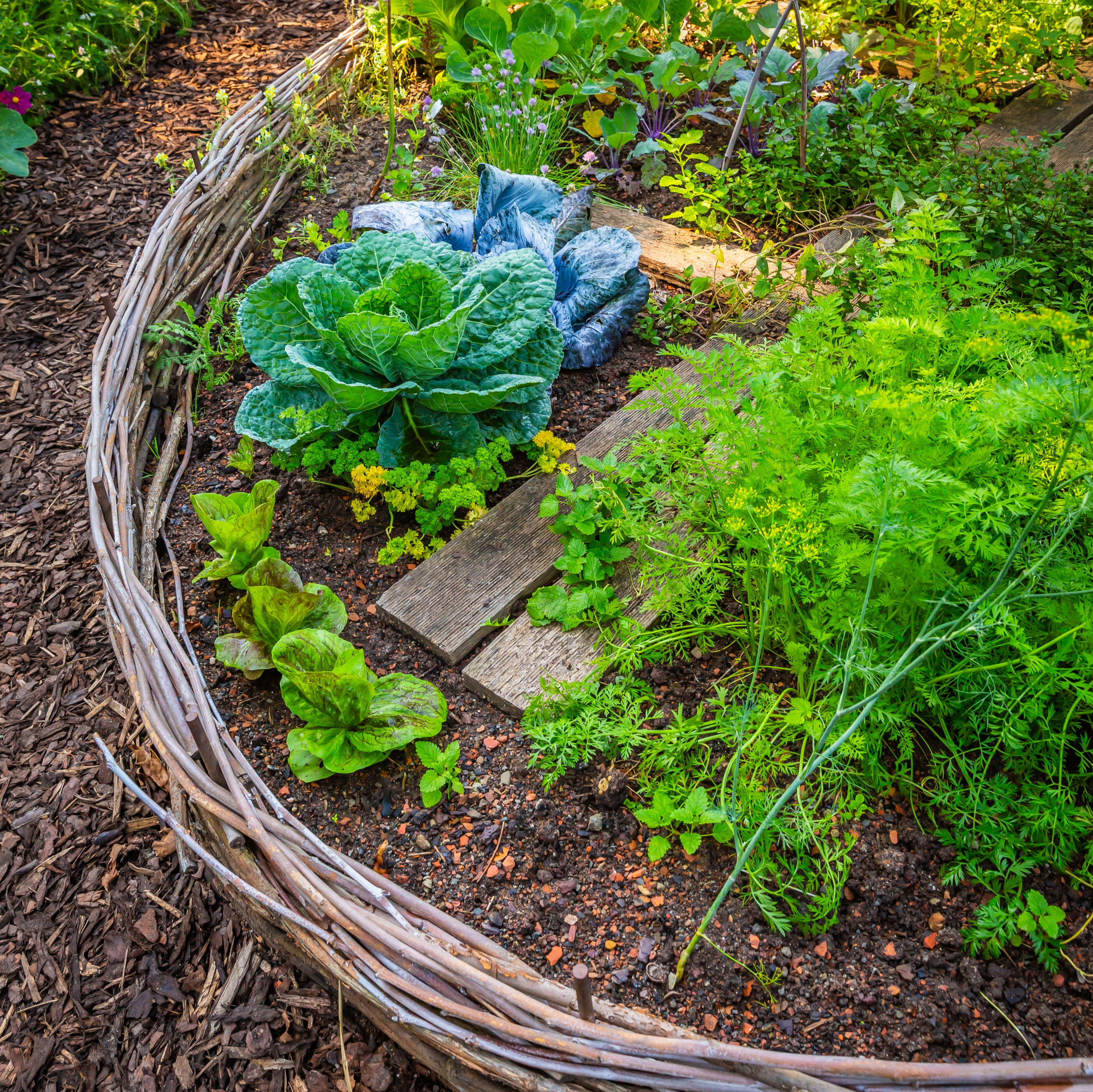
- Woven willow
- Reclaimed wood suitable for outdoor use
Raised bed kits are also available, offering a quick and convenient option for gardeners who prefer not to build their own.
📍 Choosing the Best Location for Your Raised Bed
Choosing the right location is an important first step when planning a raised bed.
Sunlight Requirements
Most vegetables and herbs grow best in a sunny position with at least 6 to 8 hours of direct sunlight each day.
For healthy growth and better harvests:
- Position raised beds in the sunniest part of the garden where possible
Place your raised beds so they run from north to south for more even sunlight throughout the day
Avoid areas beside tall hedges, fences, or walls that create too much shade
- Keep beds away from large trees that compete for water and nutrients
- If your garden is partly shaded, grow crops that tolerate lower light levels, such as lettuce, spinach, and herbs
Choosing the right location will help plants grow stronger and produce better yields throughout the season.
Raised Bed Size Tips
A common mistake in DIY raised bed projects is making beds too wide or placing them too close together.
For the best results:
- Keep raised beds around 1.2m wide so you can easily reach the middle without stepping on the soil
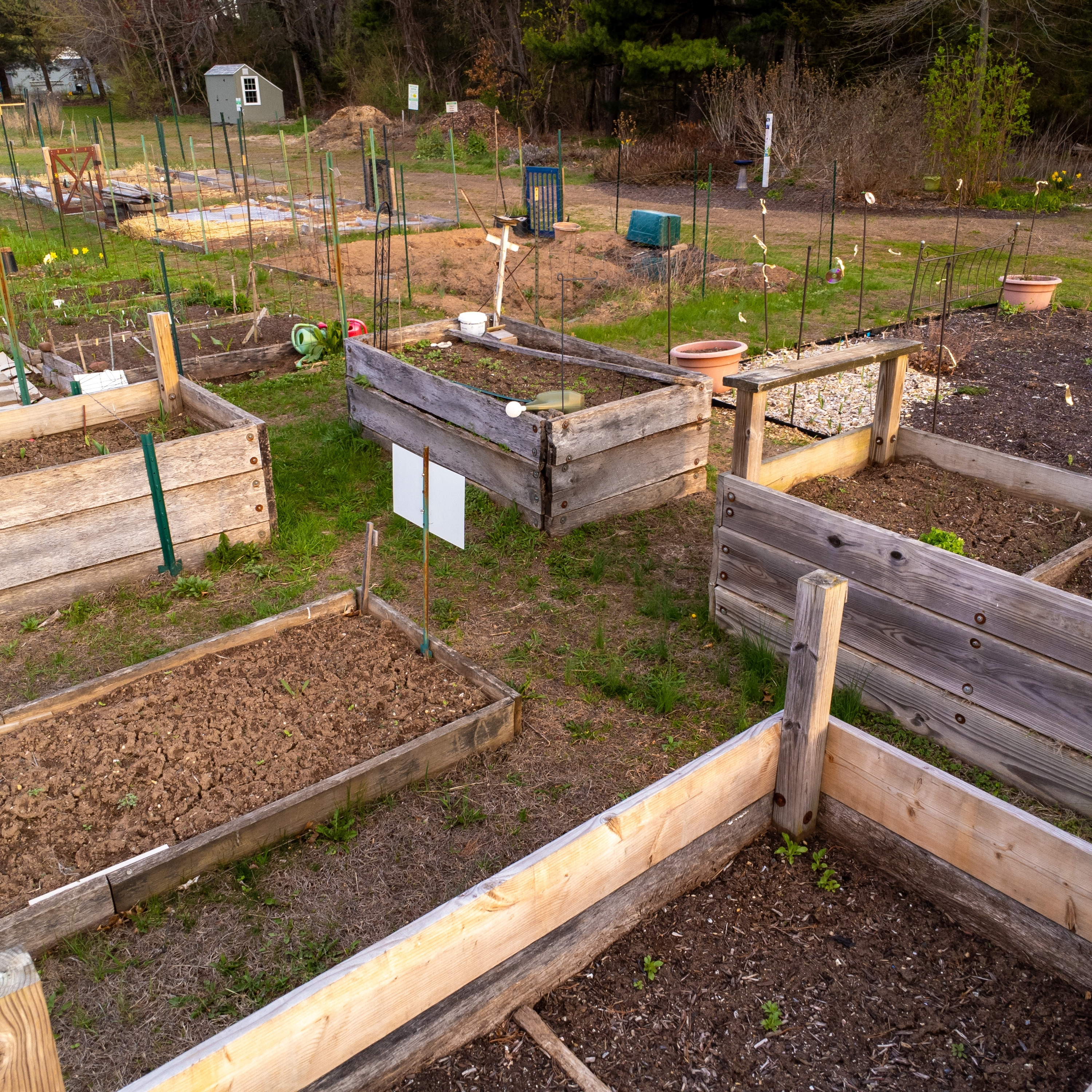
- Leave pathways of at least 60cm between beds for comfortable access and wheelbarrow space
- Beds between 1.8m and 3m long are usually the easiest to manage
- Consider taller raised beds if you want easier planting and less bending
- Leave extra room for supports, climbing plants, or future expansion
Planning the size carefully will make raised bed gardening easier and more enjoyable year after year.
Raised beds can be built at a range of heights to suit both the gardener and the plants being grown. Low beds are often sufficient for vegetables and flowers, while taller beds provide more comfortable access and are particularly useful for gardeners who want to reduce bending or kneeling.
🧰 What You’ll Need to Build a Raised Bed
Before you start building your raised bed garden, gather all the materials and tools you’ll need to make the project quicker, easier and more organised.
Materials
- Timber boards or sleepers
- Wooden corner posts
- Long exterior screws
- Heavy-duty plastic sheeting for protecting softwood timber
- Landscape fabric or hessian as breathable alternatives to plastic liners
- Topsoil
- Peat-free compost
For a longer-lasting raised bed, consider using naturally durable timber such as cedar, larch, oak, or untreated hardwood sleepers, which can reduce or even remove the need for plastic lining altogether.
Tools
- Tape measure
- Spirit level
- Drill or screwdriver
- Spade
- Hammer or mallet
- Saw for cutting timber
- String line and set square
- Wheelbarrow for moving soil and compost
🛠️ How To Build A Raised Bed Step by Step
1️⃣ Clear and Prepare the Area
- Mark out the shape and size of the raised bed using string lines, canes, or spray marker paint
- Remove turf, weeds, large stones, and old roots
- Loosen and level the soil beneath the raised bed to improve drainage
- Raised beds can be built directly onto grass, but removing turf first helps reduce weeds
Expert Tip: If perennial weeds are a problem, lay cardboard over the ground before filling the bed. This naturally suppresses weeds while breaking down over time.
2️⃣ Build the Frame
- Position wooden posts at each corner of the bed and hammer them firmly into the ground
- Use string lines or a tape measure to help keep the shape straight and even
- Check the frame sits as level as possible before securing the boards
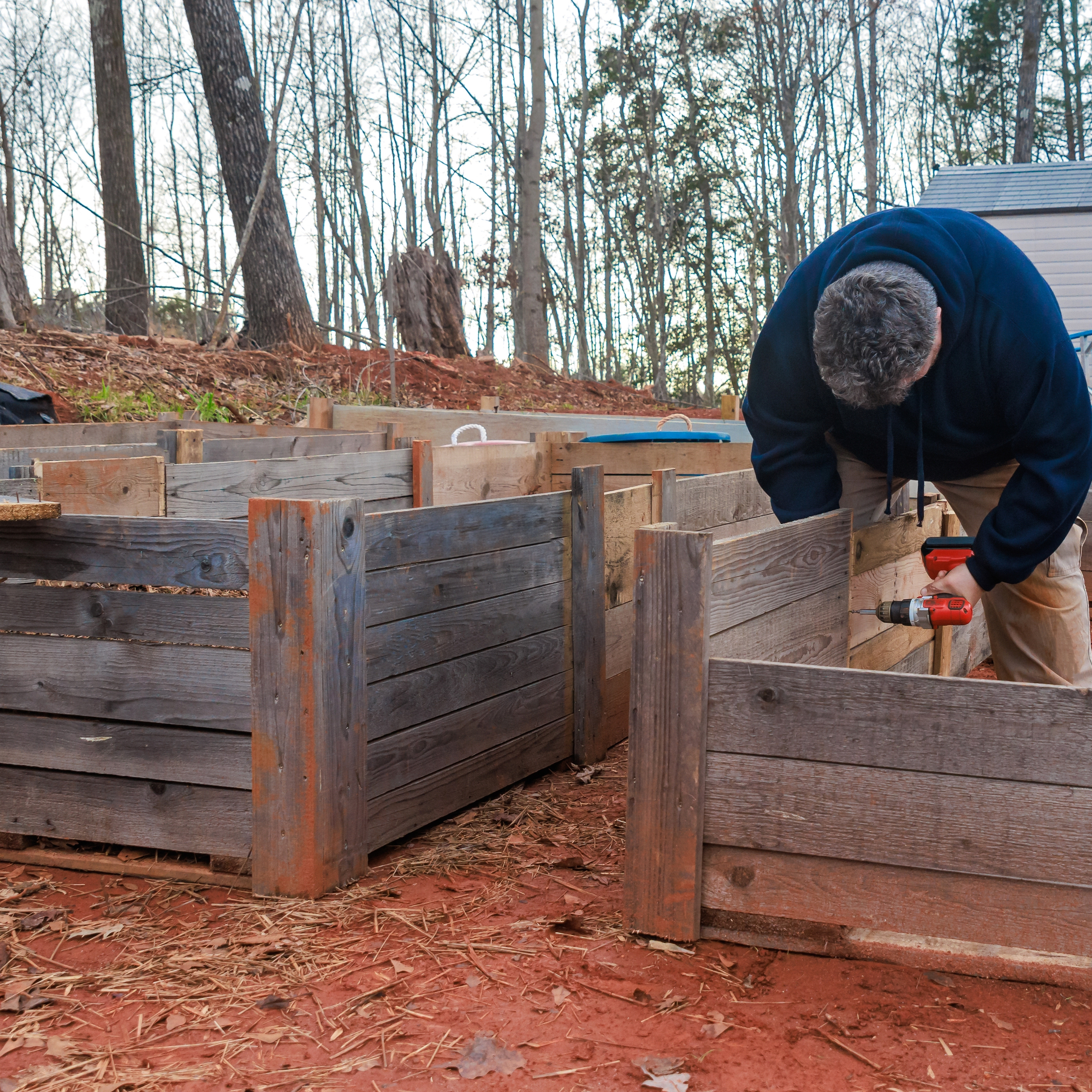
Attach the timber boards to the posts using long exterior-grade screws.
Pro Tip for Larger Beds – Beds longer than 3 metres may need extra support posts along the sides and central bracing. Timber boards around 3.5cm to 5cm thick are usually stronger and less likely to warp over time
3️⃣ Protect the Timber
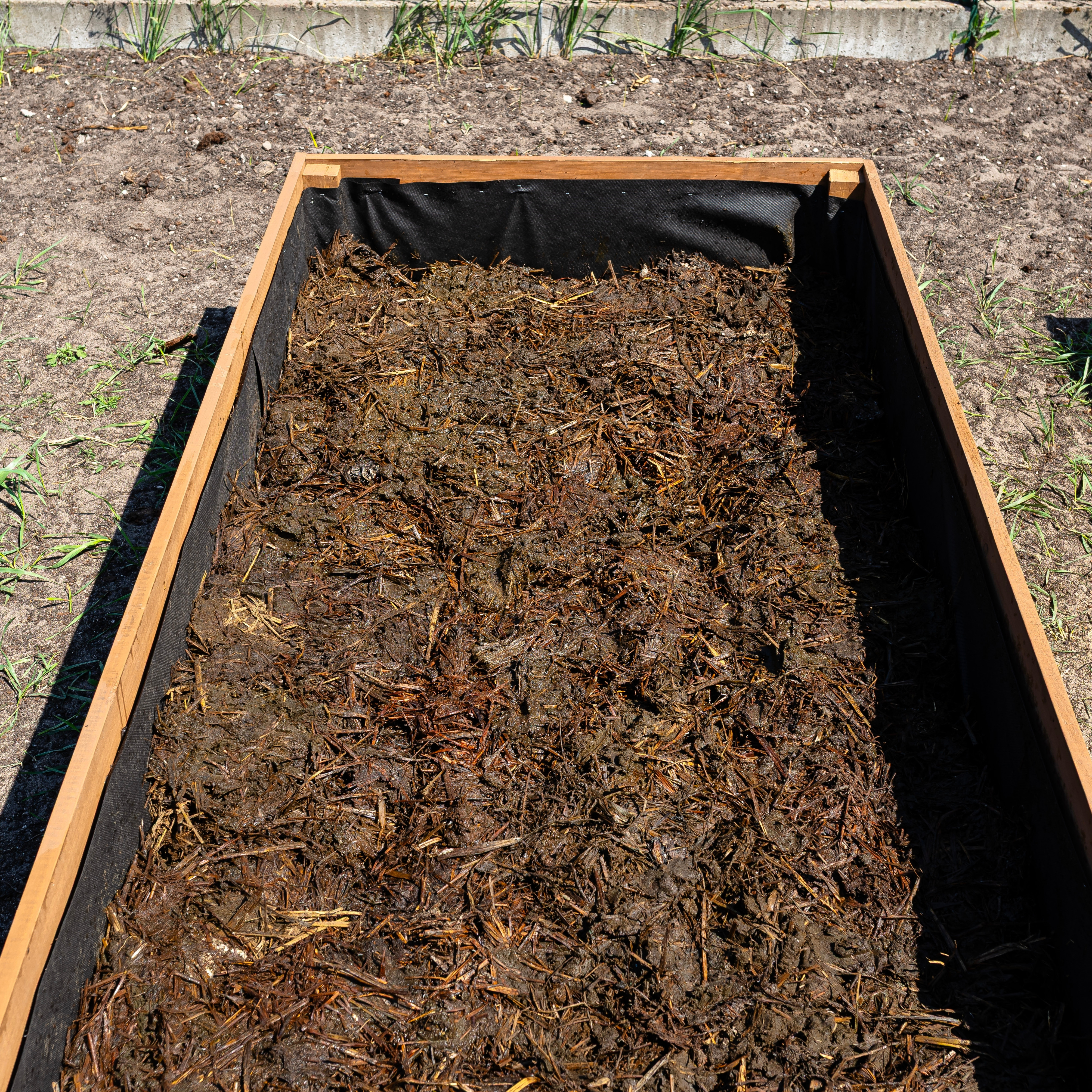
If you are using softwood timber, lining the inside walls can help protect the wood from constant contact with damp soil.
You can use:
- Heavy-duty plastic sheeting
- Landscape fabric
- Hessian or breathable raised bed liners
Only line the inside sides of the bed, not the base, as good drainage is essential for healthy roots.
For a longer-lasting raised bed, consider naturally durable timber such as:
- Cedar
- Larch
- Oak
- Untreated hardwood sleepers
These materials are naturally more resistant to rot and may not need lining at all.
4️⃣ Fill Your Raised Bed
One of the biggest advantages of raised bed gardening is being able to control the soil quality.
A good starting mix is:
- 50% quality topsoil – 50% peat-free multipurpose compost
For vegetable growing, you can also add:
- Well-rotted manure – Organic soil improver – Slow-release fertiliser
For Mediterranean herbs such as rosemary and thyme, improve drainage by mixing in:
- Horticultural grit – Sharp sand
Most vegetables grow well in raised beds at least 30cm deep, while deeper-rooted crops such as carrots may benefit from deeper soil.
5️⃣ Allow the Soil to Settle
Leave the raised bed for around 1 to 2 weeks before planting if possible.
This gives the soil time to:
- Settle naturally
- Balance moisture levels
- Reduce air pockets around roots
Top up the soil if the level drops significantly after settling.
Raised beds can also dry out more quickly during warm weather, so regular watering and mulching will help keep moisture in the soil.
🌱 What Can You Grow in a Raised Bed?
Raised beds are ideal for growing a wide range of vegetables, herbs, flowers, and even soft fruit. Popular choices include lettuce, carrots, tomatoes, courgettes, strawberries, and herbs such as basil, mint, and parsley. They are also perfect for cut flowers and pollinator-friendly plants.
If you’re new to raised bed gardening, start with easy crops such as salad leaves, radishes, beetroot, and bush beans for quick and reliable results.
Choose plants suited to the amount of sunlight your raised bed receives for healthier growth and better harvests.
💧 Raised Bed Gardening Maintenance Tips
Raised beds are relatively low maintenance, but a few simple jobs will keep plants healthy and productive throughout the growing season.
- Water regularly, especially during warm or dry weather, as raised beds drain faster than ground soil
- Add mulch or compost each year to improve soil structure and help retain moisture
- Feed hungry crops such as tomatoes and courgettes during the growing season
- Remove weeds early before they spread or compete with plants for nutrients
- Rotate crops each year to help reduce pests and soil-borne diseases
With regular care, raised beds can remain productive and easy to manage for many years.
❌ Common DIY Raised Bed Mistakes
A few simple mistakes can shorten the life of your raised bed or affect plant growth.
Try to avoid:
- Using thin or poor-quality timber that may warp or rot quickly
- Making beds too wide to comfortably reach across
- Placing raised beds in too much shade
- Filling beds with low-quality soil or unfinished compost
- Forgetting to water regularly during warm weather
- Blocking drainage by lining the base of the bed
Planning carefully from the start will make raised bed gardening easier, more productive, and more enjoyable in the long run.
🌿 Visit Our Garden Centre in Kington
Building a raised bed gives you greater control over your growing conditions. By choosing the right location, quality soil and suitable materials, you can create a productive growing space that will serve you well for years to come.
Visit us in Kington today to explore our fantastic range of plants, seeds, compost, and raised bed gardening supplies. Let our friendly team help you create the perfect growing space for your garden.