Fire Pits and Chimeneas for the Garden: Choosing the Best Outdoor Heating
Fire pits and chimeneas can transform a garden from a space used only in warm weather into an outdoor room that remains enjoyable throughout much of the year. Whether you want somewhere to gather with friends on a cool evening, add a focal point to a patio, or simply enjoy the atmosphere of a real fire, both options provide warmth and character.
Choosing the right style depends on how you plan to use the space, the size of your garden and the level of maintenance you are comfortable with. Understanding the differences between fire pits and chimeneas will help you select the best option for your outdoor living area.
πΏ Why Add a Fire Pit or Chimenea to Your Garden?
With the addition of outdoor heating, comfortable seating and a covered area, your garden can become an inviting space to relax and entertain all year round
The appeal extends beyond warmth. The glow of a fire creates a welcoming atmosphere for entertaining, family gatherings or simply relaxing after a day in the garden.
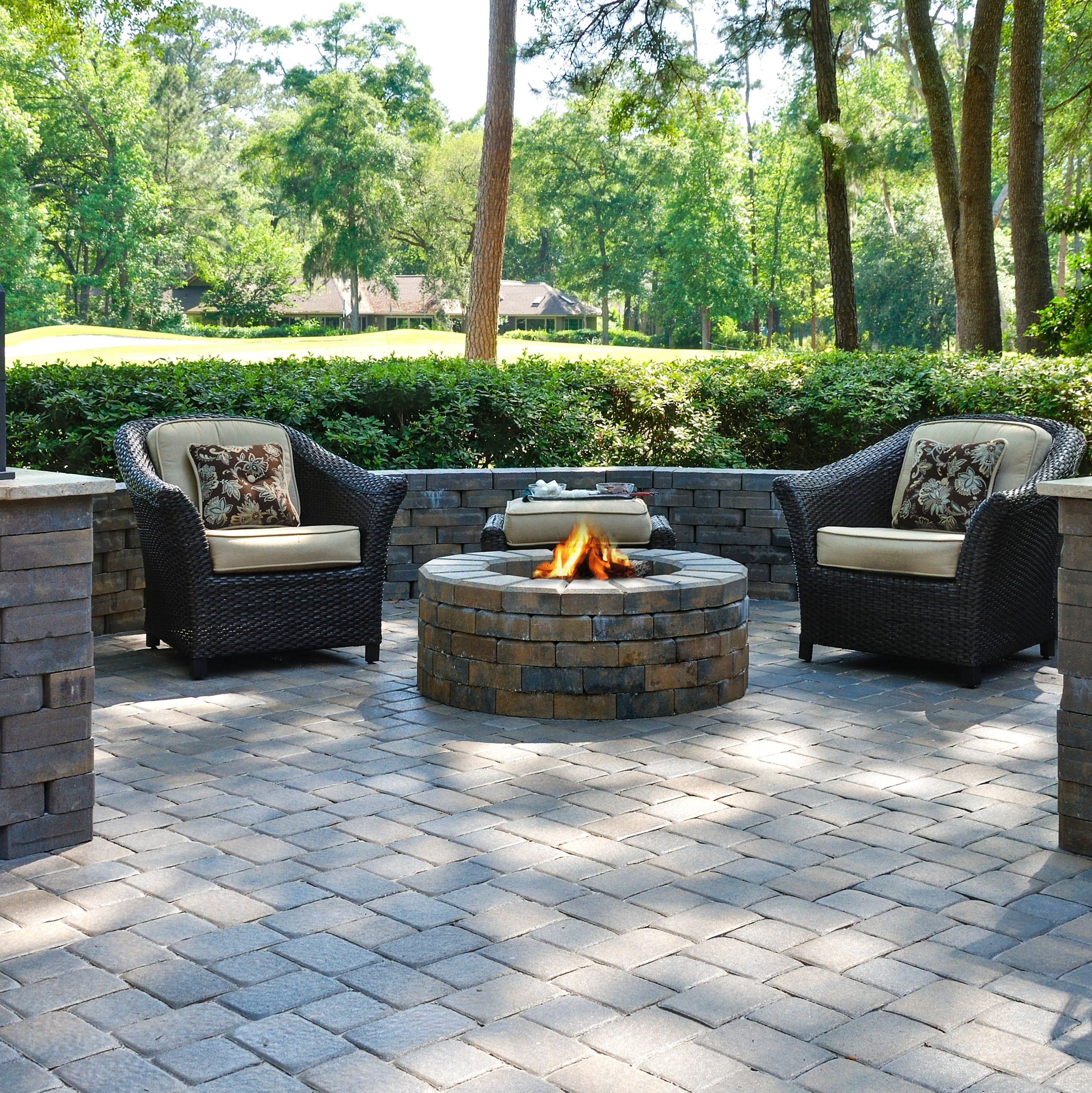
Fire pits typically create a more social setting, allowing people to gather around the flames from all sides. Chimeneas provide a more concentrated source of heat and often suit smaller seating areas where space is limited.
π Expert Tip: Position seating slightly beyond the immediate heat zone. This creates a more comfortable environment and allows everyone to enjoy both the warmth and the view of the flames.
π₯ Fire Pit vs Chimenea: Which Is Best?
Fire Pits
Fire pits feature an open design that allows people to sit around the flames from multiple directions. They are available in styles ranging from simple steel bowls to decorative contemporary designs.
Advantages include:
- Excellent for entertaining groups
- Wide variety of styles and sizes
- Can burn logs, briquettes or approved fuels
- Creates a dramatic visual focal point
Because they are open, fire pits generally produce more visible flames but may be more affected by wind.
Chimeneas
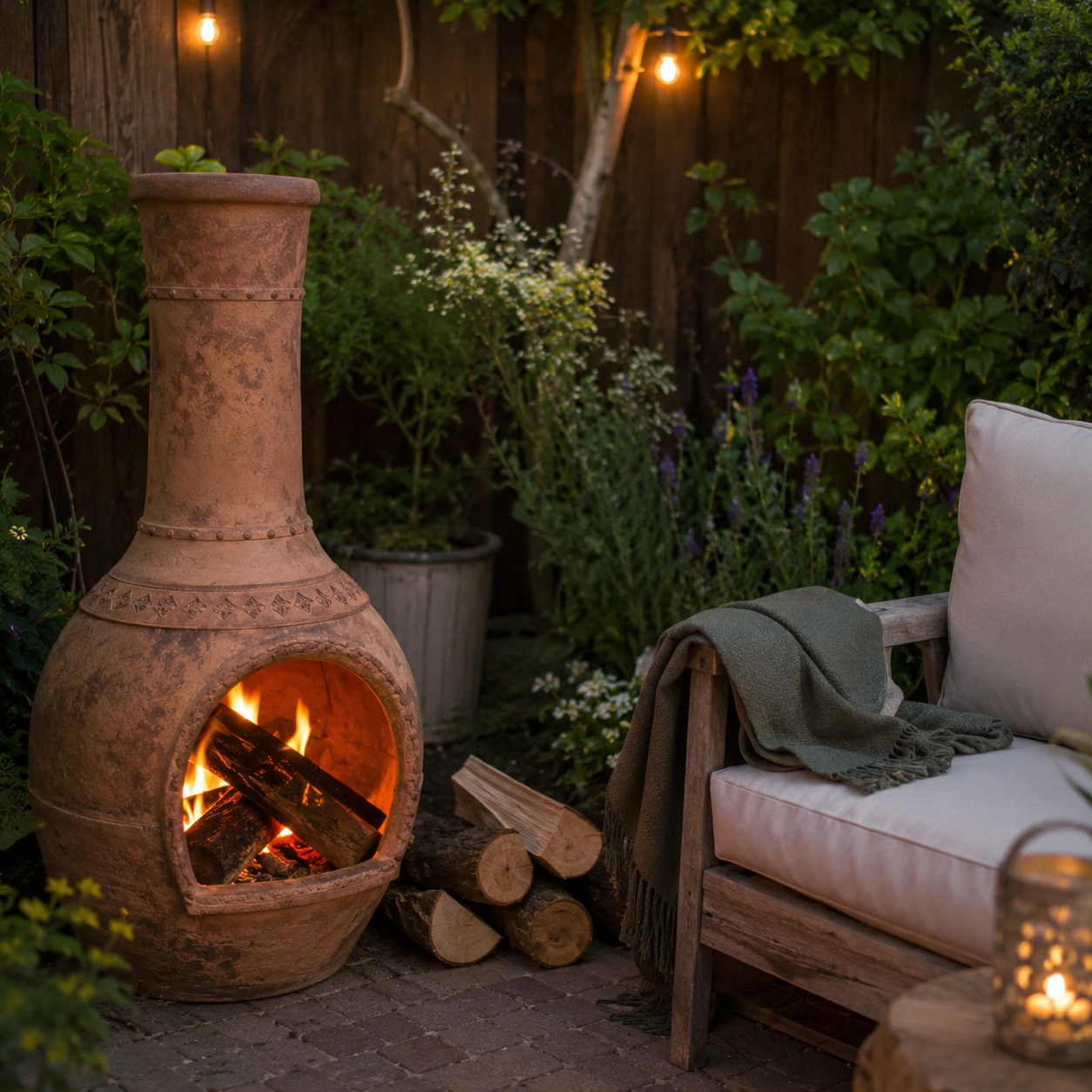
A chimenea acts more like an outdoor fireplace. Its enclosed fire chamber and chimney direct smoke upwards while radiating heat forwards.
Advantages include:
- More concentrated heat output
- Smoke directed away from seating areas
- Suitable for smaller patios
- Traditional appearance that complements many garden styles
π Pro Tip: If your garden regularly experiences shifting winds, a chimenea often provides a more comfortable experience because the chimney helps carry smoke away from guests.
π‘ Choosing the Right Style and Material
Both fire pits and chimeneas are available in a range of materials, each offering a different balance of appearance, durability and maintenance.
Steel is one of the most popular choices thanks to its strength, affordability and versatility. It suits both traditional and contemporary gardens and is available in everything from simple fire bowls to modern statement pieces.
Cast iron is valued for its durability and excellent heat retention. Once warmed, it continues to radiate heat long after the fire has died down, making it ideal for longer evenings outdoors. Its weight also provides stability, although it can be harder to move than lighter alternatives.
Copper fire features add a decorative touch and develop an attractive natural patina over time, giving them increasing character as they age.
Traditional clay chimeneas remain a popular choice for cottage and informal gardens. Their classic appearance complements a wide range of planting styles, although they benefit from protection during prolonged frost and wet weather.
When choosing between styles, consider the size of your outdoor space as well as the material itself. Larger gardens can accommodate substantial fire pits that create a focal point for entertaining, while smaller patios often benefit from the compact footprint and directed heat of a chimenea.
π Expert Tip: Before selecting a model, consider where people will sit. A fire feature should complement your seating area, creating a comfortable gathering point without overwhelming the space.
π οΈ Installing and Positioning Your Fire Feature
Positioning is just as important as selecting the fire feature itself.
Place fire pits and chimeneas on:
- Paving
- Stone
- Concrete
- Purpose-built non-combustible surfaces
Position your fire pit or chimenea on a stable, level surface with enough space around it for seating and movement. Consider the prevailing wind direction and how smoke will travel across the garden. Taking a little time to choose the right location can make the area far more comfortable to use throughout the year.
βοΈ Caring for Your Fire Pit or Chimenea
A little routine maintenance will help keep your fire pit or chimenea looking its best and performing reliably for years to come.
Remove excess ash once the appliance has cooled completely, as a build-up can restrict airflow and encourage corrosion. Metal fire pits benefit from occasional inspection for signs of rust, particularly if they are exposed to the elements throughout the year.
When not in use, a weatherproof cover will help protect the finish and reduce unnecessary wear. Clay chimeneas deserve particular attention during winter, as prolonged exposure to frost and excessive moisture can lead to cracking.
π Expert Tip: If you only use your fire feature occasionally, store it under cover during the wettest months. This simple step can significantly extend its lifespan and reduce maintenance.
πΏ Visit Our Garden Centre
A well-chosen fire pit or chimenea can help transform a patio or seating area into a space that can be enjoyed well beyond the height of summer. By selecting the right style, material and location, you can create a welcoming focal point that adds warmth and atmosphere to your garden.
Β Visit usΒ inΒ Kington. Discover inspiring outdoor living ideas, browse our range of garden products and speak to our friendly team about creating a space that suits your home and lifestyle.