
Feeding Houseplants

Feeding Houseplants: A Guide to Healthy Indoor Plants

Houseplants bring colour, freshness, and style into the home, but even the healthiest indoor plants need the right nutrients to thrive.

In this guide, we’ll explain when to feed indoor plants, the best plant food for houseplants, and practical houseplant fertiliser tips to help your indoor garden flourish all year round.

Healthy indoor houseplants displayed on a white background

🌿 Why Feeding Houseplants Matters

Unlike outdoor plants, houseplants rely entirely on the nutrients available in their pots. While fresh compost contains enough food for the first few weeks, nutrients are quickly used up or washed away during watering.

Without regular feeding, indoor plants can become:

  • Pale or yellowing
  • Slow growing
  • Weak or leggy
  • Less likely to flower

Most potting compost provides nutrients for around six weeks. After this, supplementary feeding becomes essential to maintain healthy growth.

👉 Expert Tip: Yellowing leaves are often one of the first signs your plant needs feeding, especially during spring and summer growth periods.

🪴 Understanding Plant Fertiliser Nutrients

When learning how to fertilise indoor plants, it helps to understand the three key nutrients found in fertilisers:

Nitrogen (N)

Encourages lush green foliage and healthy leaf growth.

Phosphorus (P)

Supports strong roots and vigorous shoots.

Potassium (K)

Promotes flowers, fruit production, and overall plant resilience.

This combination is known as the NPK ratio, displayed on fertiliser packaging.

Examples of NPK Ratios

Fertiliser Type Purpose
Balanced feed Suitable for most houseplants
High nitrogen feed Best for leafy foliage plants
High potassium feed Ideal for flowering plants

A balanced fertiliser works well for most indoor plants, while specialist feeds can improve results for orchids, citrus plants, succulents, and flowering varieties.

👉 Pro Tip: Always dilute fertiliser exactly as instructed. Overfeeding is one of the most common causes of damaged houseplants.

🌱 Best Plant Food for Houseplants

Choosing the best plant food for houseplants depends on the type of plants you grow indoors.

Foliage Houseplants

Plants such as philodendrons, palms, monsteras, and tradescantia benefit from nitrogen-rich feeds that encourage leafy growth.

Feed every two weeks during spring and summer.

Flowering Houseplants

Flowering indoor plants need extra potassium to support blooms. Tomato fertiliser diluted to half strength works exceptionally well for many flowering houseplants.

Close-up of a pink orchid flower blooming indoors, showing delicate petals and detailed floral structure.
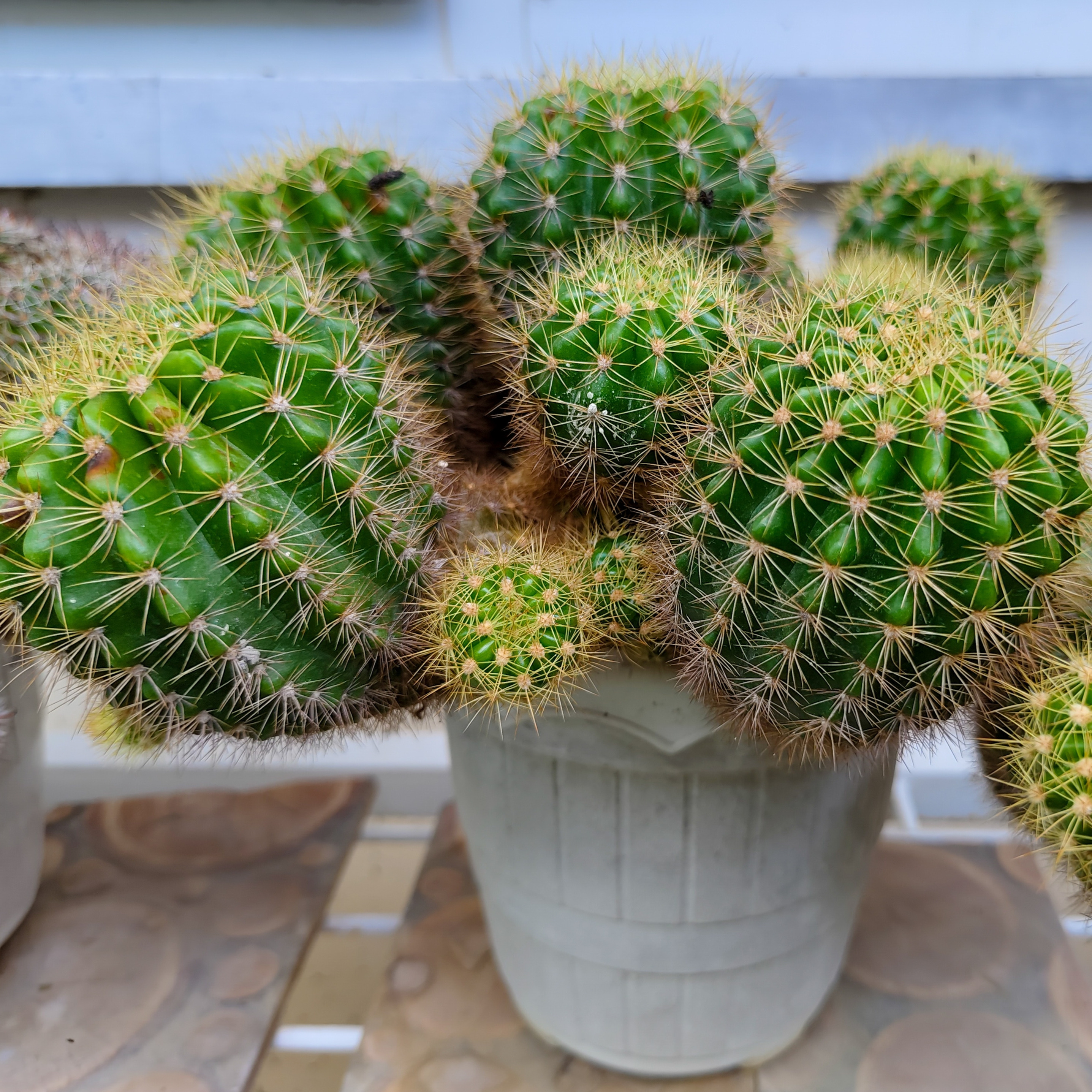
Golden Barrel Cactus in a white pot, displaying a rounded green body with pronounced ribs and dense golden spines.
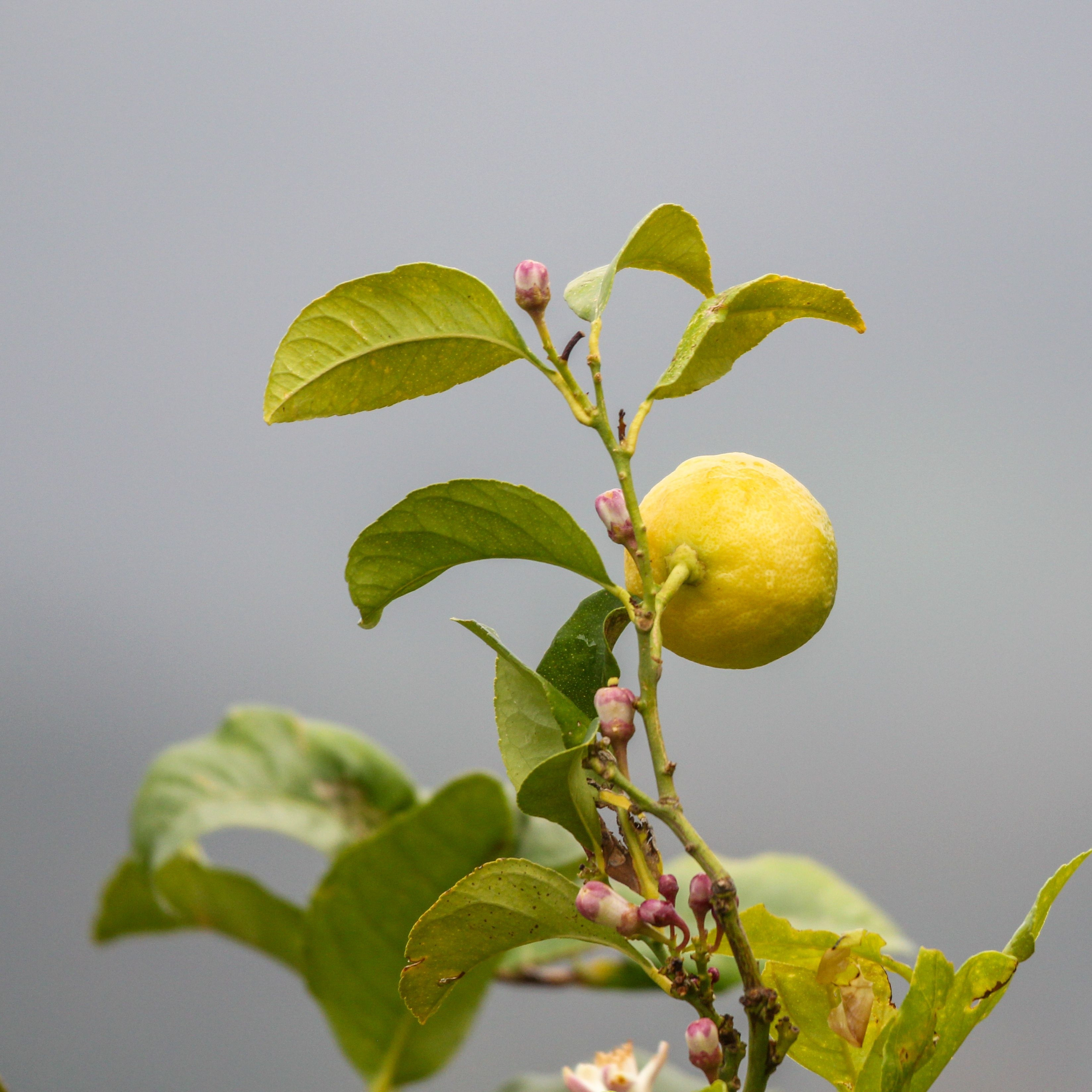
A ripe yellow lemon and delicate citrus blossom growing on an indoor citrus plant with glossy green leaves.

Orchids

Orchids are sensitive to overfeeding and require specialist orchid fertiliser or a diluted houseplant feed.

Cacti and Succulents

These low-maintenance plants need minimal feeding but will produce stronger growth and flowers with occasional fertiliser in spring and summer.

Citrus Plants

Indoor citrus trees are hungry plants and benefit from regular feeding every two weeks during active growth.

📅 When to Feed Houseplants

Most indoor plants actively grow from spring through to early autumn.

General Feeding Schedule

Spring and Summer

  • Feed fortnightly
  • Increase watering as temperatures rise

Autumn

  • Reduce feeding to monthly

Winter

  • Most houseplants enter dormancy
  • Stop feeding or feed very lightly

Plants growing under warm indoor conditions with artificial lighting may continue slow winter growth and benefit from occasional feeding.

💧 How to Fertilise Indoor Plants Correctly

Knowing how to fertilise indoor plants properly can prevent root damage and maximise nutrient absorption.

Follow These Simple Steps

  1. Water the plant lightly first
  2. Apply diluted fertiliser to moist compost
  3. Avoid feeding dry soil
  4. Never exceed recommended dosage
  5. Feed during active growth periods only

Liquid feeds are the easiest option for most houseplants because they combine easily with regular watering routines.

Slow-release pellets and drip feeders can also be useful for busy households or when travelling.

👉 Expert Tip: Rotate your houseplants every few weeks while feeding to encourage even growth and balanced foliage.

🌸 Specialist Houseplant Fertiliser Tips

Orchids

  • Use orchid-specific fertiliser
  • Feed weakly and regularly
  • Avoid fertiliser build-up in compost

Succulents and Cacti

  • Feed sparingly
  • Use cactus fertiliser during spring and summer only

Carnivorous Plants

  • Usually do not need feeding
  • They obtain nutrients naturally from insects

Acid-Loving Houseplants

Plants such as African violets and azaleas may benefit from ericaceous fertiliser designed for acidic soil conditions.

🚫 Common Houseplant Feeding Mistakes

Overfeeding

Too much fertiliser can scorch roots and damage leaves. Always dilute feeds as instructed, as stronger solutions can do more harm than good.

Feeding Dormant Plants

Most plants need little or no feed during winter when growth slows down.

Using the Wrong Feed

Different plants have different nutritional needs, so choose a fertiliser suited to your plant.

Feeding Dry Compost

Always water plants first before applying liquid feed to avoid root burn and help nutrients absorb properly.

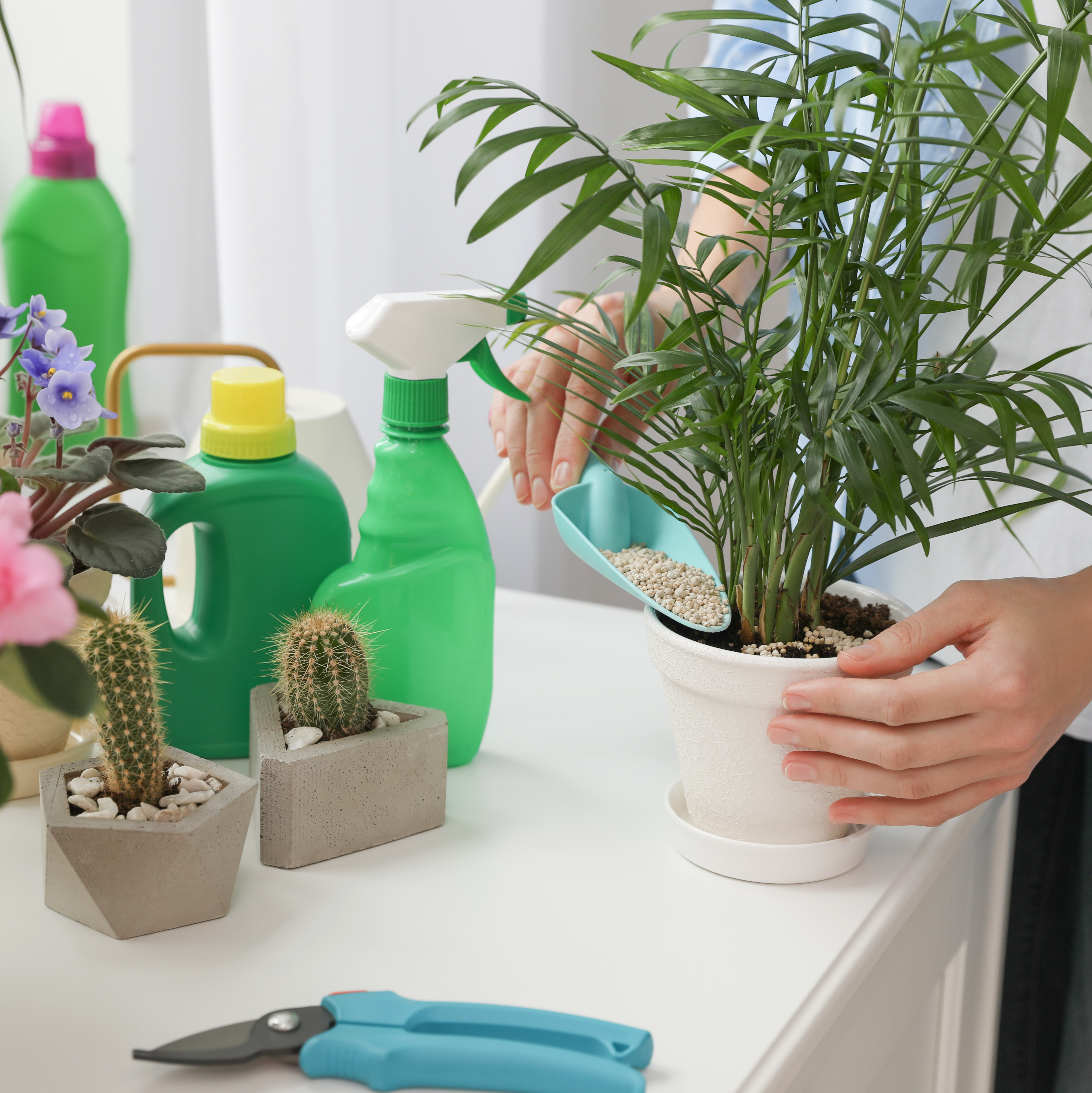
Caring for indoor plants with regular feeding

🏡 Extra Care Tips for Healthier Houseplants

Feeding is only one part of successful houseplant care. Combine feeding with these simple practices for the best results:

  • Wipe leaves regularly to remove dust
  • Repot rootbound plants every 1 to 2 years
  • Improve humidity for tropical plants
  • Position plants in suitable light conditions
  • Check regularly for pests

Healthy plants absorb nutrients more effectively and grow more vigorously.

🌿 Visit Our Garden Centre in Kington

Choosing the right feed helps houseplants maintain healthy growth, strong foliage and, for flowering varieties, a good display of blooms. At our Garden Centre in Kington, we stock a range of houseplant fertilisers, including specialist orchid and citrus feeds for plants with more specific requirements.

You’ll also find healthy indoor plants, decorative pots, watering equipment and practical plant care products, with friendly advice available if you need help choosing the right products.

👉 Visit us in Kington today and discover everything you need to keep your houseplants healthy, vibrant, and flourishing throughout the year.