How to Store Autumn Harvests: Expert Tips for Keeping Homegrown Produce Fresh for Longer
Autumn brings an abundance of fruit, vegetables and herbs ready for harvesting, but knowing how to store them correctly is just as important as growing them. From crisp apples and juicy pears to beetroot, herbs and versatile squash, careful storage helps preserve flavour, reduce waste and extend the enjoyment of your homegrown produce throughout winter and beyond.
Different crops require different storage conditions. Some keep best in a cool, dark place, while others can be frozen, dried or preserved to maintain their quality for months after harvest.
This guide explains how to harvest, prepare and store some of the most popular autumn crops, helping you make the most of every harvest.
🍎 Harvesting and Storing Apples and Pears
Apples and pears are among the most iconic autumn harvests. With proper picking and storage techniques, many varieties can last for several months.
When Are Apples and Pears Ready to Harvest?
Ripening times vary depending on variety and weather conditions, but most apples and pears are ready between September and November.
Look for these signs:
- Fruit comes away easily with a gentle lift and twist.
- Windfalls begin appearing beneath the tree.
- The fruit has developed its full colour and flavour.
- Seeds inside are dark brown rather than pale.
👉 Expert Tip: Plant a mixture of early, mid-season and late varieties to enjoy a longer harvest period and staggered storage times.
How to Store Apples and Pears
For the longest storage life:
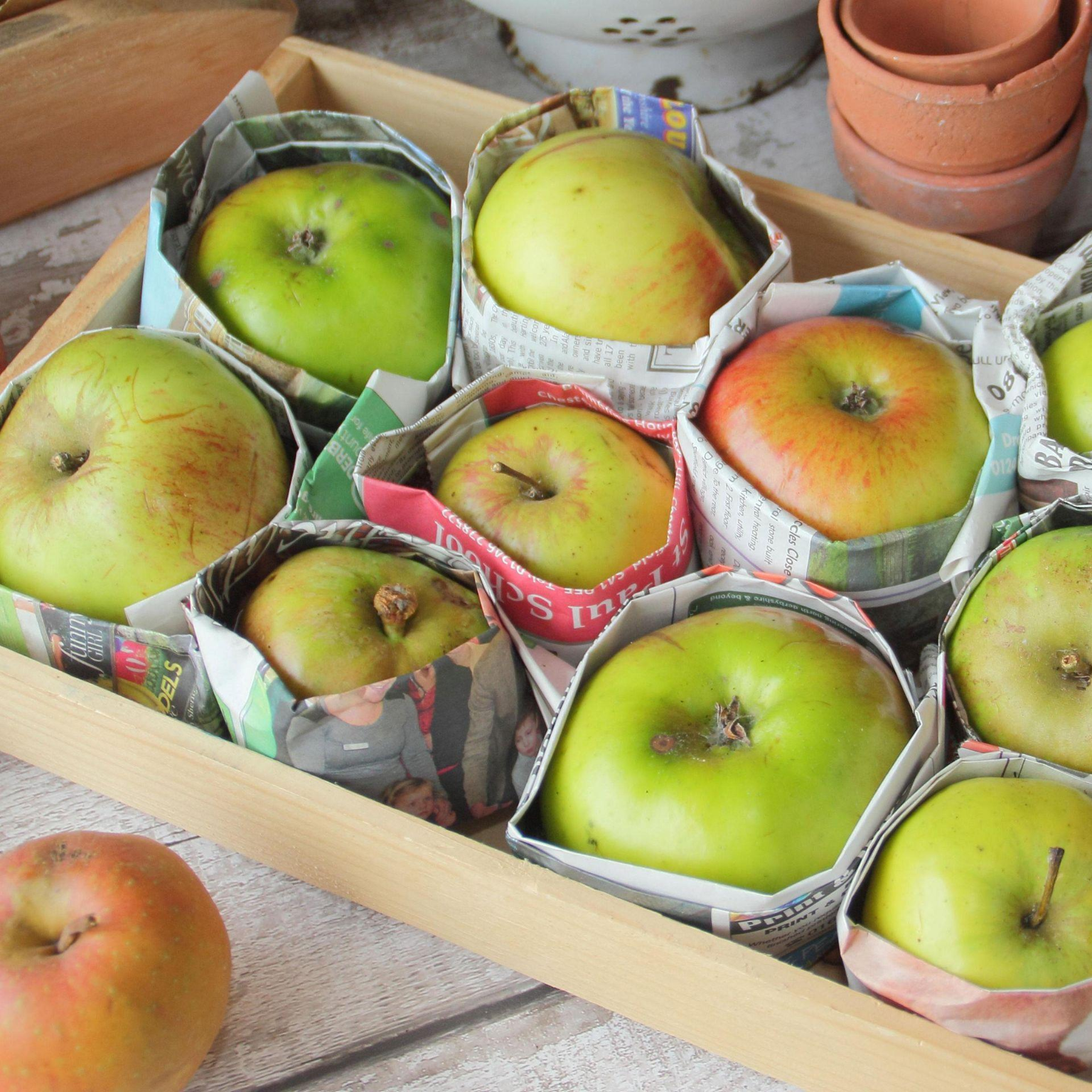
- Wrap individual fruits in newspaper or tissue paper.
- Place them in shallow crates or trays.
- Ensure fruits do not touch.
- Store in a cool, dark, frost-free and well-ventilated location.
- Check regularly and remove any damaged fruit immediately.
Apples naturally release ethylene gas, which speeds up ripening. Good ventilation helps prevent spoilage.
🎃 How to Store Squash and Pumpkins
Squash and pumpkins are among the easiest autumn crops to store successfully.
Harvesting Squash for Storage
For the longest storage life:
- Leave fruits on the vine for as long as possible.
- Harvest before the first hard frost.
- Cut with a short section of stem attached.
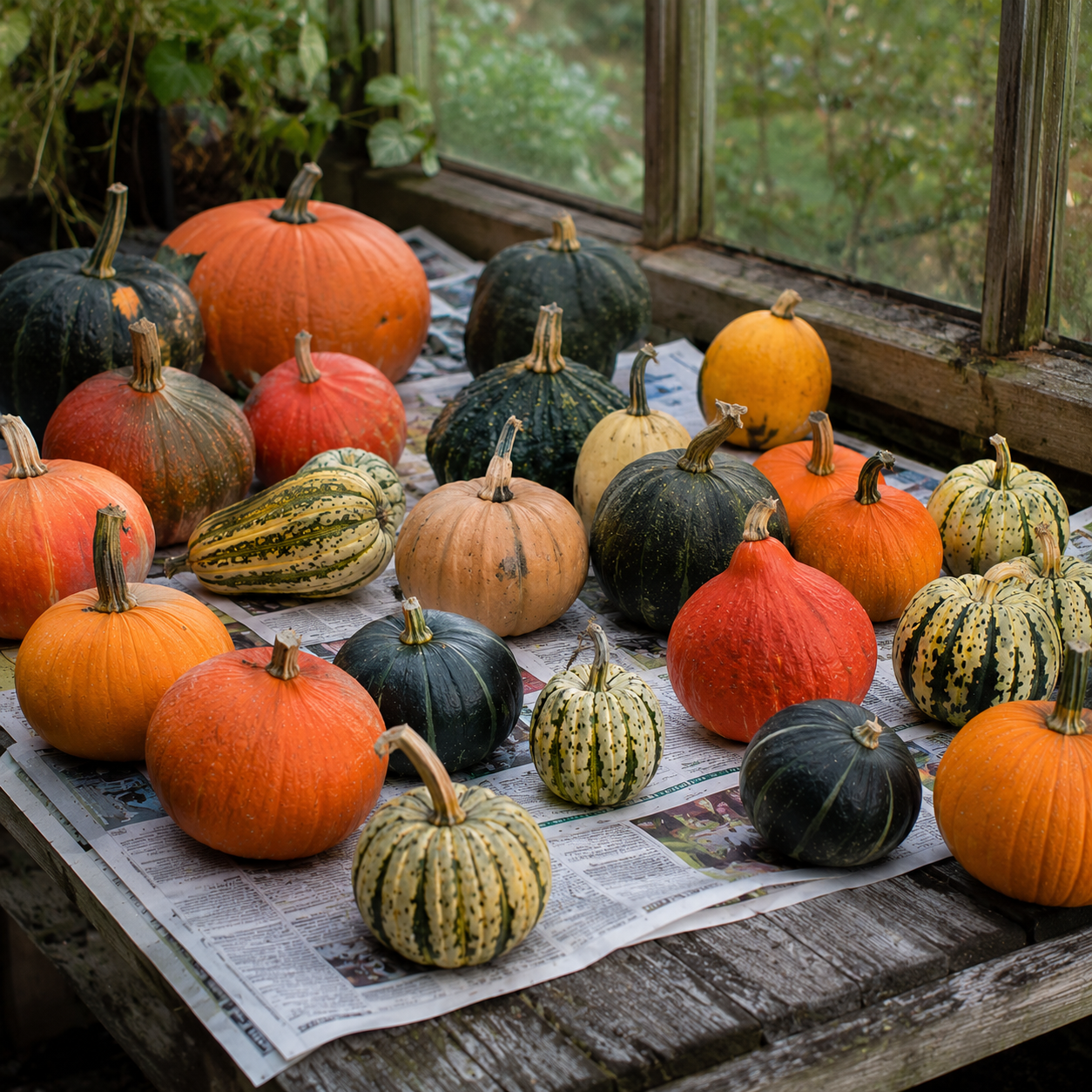
- Cure in a warm, dry place for 7 to 10 days before storing.
Best Storage Conditions
Store pumpkins and squash:
- In a cool, dry place.
- Out of direct sunlight.
- With good air circulation.
- Off cold concrete floors.
🌿 Expert Tip – In mild, dry weather, pumpkins and squash can be cured outdoors in the sun. If autumn turns cool or wet, move them to a bright windowsill, greenhouse or conservatory to finish curing before storage.
Preserving Squash and Pumpkins
Although pumpkins and winter squash can often be stored successfully for several months in cool, dry conditions, you may prefer to preserve or cook part of your harvest, especially if you have more produce than you can use fresh.
If you have a particularly large harvest, consider:
- Freezing diced squash portions for soups, stews and roasted vegetable dishes.
- Making homemade soups and freezing them in portion-sized containers.
- Preparing casseroles, curries or pies for batch cooking and freezing.
- Roasting and freezing squash purée for use in baking and seasonal recipes.
This approach helps reduce waste and gives you convenient homegrown ingredients ready to use throughout winter.
🥕 Harvesting and Storing Root Vegetables
Root vegetables are ideal for providing fresh produce throughout winter. Beetroot, carrots, parsnips, swedes and turnips can all be stored successfully when harvested and prepared correctly.
When to Harvest Root Vegetables
Most root vegetables are ready to harvest from late summer through autumn, depending on the variety and sowing date.
Look for:
- Roots reaching their expected mature size.
- Healthy foliage above ground.
- Shoulders of the roots visible at the soil surface.
- Firm, undamaged roots.
Many gardeners harvest smaller roots first and leave others to continue growing, helping to extend the season.
How to Harvest Root Vegetables
To minimise damage:
- Water dry soil the day before harvesting.
- Lift carefully using a garden fork.
- Loosen the soil around the roots before pulling.
- Avoid bruising or cutting the vegetables, as damaged roots do not store as well.
👉 Pro Tip: Harvest on a dry day whenever possible. Excess moisture on freshly harvested vegetables can shorten their storage life.
How to Store Root Vegetables
After harvesting:
- Brush off excess soil and remove damaged roots.
- Trim foliage to around 2-3cm above the crown.
- Store in boxes of slightly damp sand, compost or sawdust.
- Keep in a cool, dark, frost-free location.
Carrots, parsnips, swedes, turnips and beetroot can all be stored successfully for several months using this method.
Preserving Root Vegetables
Although root vegetables store well naturally, preserving part of your harvest can help reduce waste and provide convenient ingredients throughout winter.
Popular preservation methods include:
- Blanching and freezing.
- Roasting and freezing in portions.
- Making soups for freezing.
- Preparing chutneys and relishes.
- Pickling sliced vegetables for long-term storage.
Many root vegetables freeze exceptionally well and retain much of their flavour and texture when prepared correctly. Blanching before freezing helps preserve colour, flavour and nutritional value, making them ideal for adding to soups, stews, casseroles and roast dinners throughout the winter months.
Pickling and preserving are also excellent ways to make the most of a surplus harvest. Root vegetables such as beetroot, carrots and turnips can be pickled to create flavourful additions to salads, sandwiches and cheese boards. Chutneys and relishes are another great option, combining homegrown vegetables with spices and vinegar to create delicious accompaniments that can be enjoyed for months after harvest.
🫘 Storing and Preserving Beans
As summer draws to a close, many gardeners find themselves harvesting a final crop of beans. Whether you’re growing runner beans, French beans or drying varieties such as borlotti beans, there are several ways to preserve your harvest for the months ahead.
Freezing Beans
Freezing is simple and effective:
- Wash and trim beans.
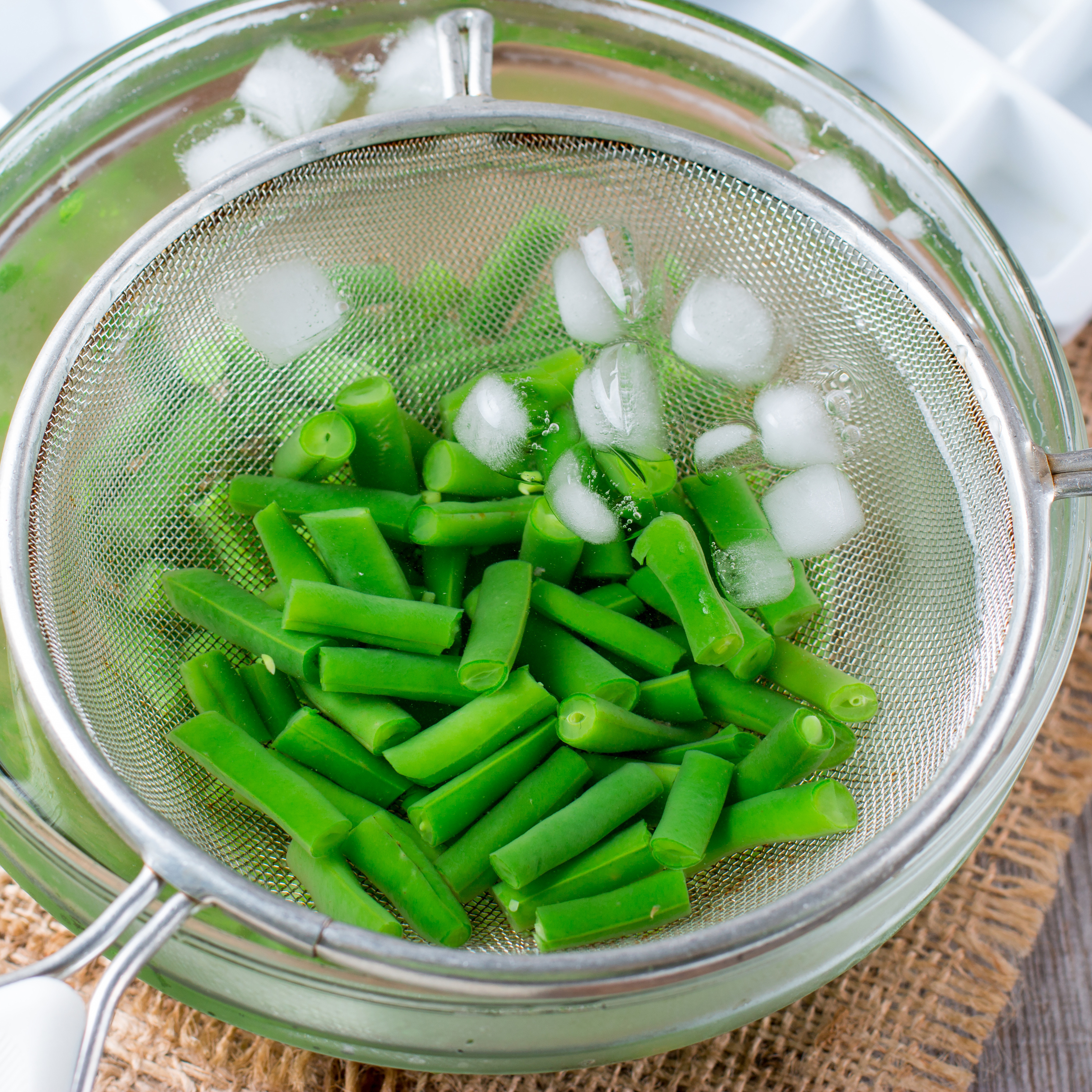
- Blanch in boiling water for 2 to 3 minutes.
- Cool immediately in iced water.
- Drain thoroughly.
- Freeze in labelled bags.
Freeze beans in portion-sized quantities so you can take out only what you need, helping to reduce food waste and make meal preparation easier.
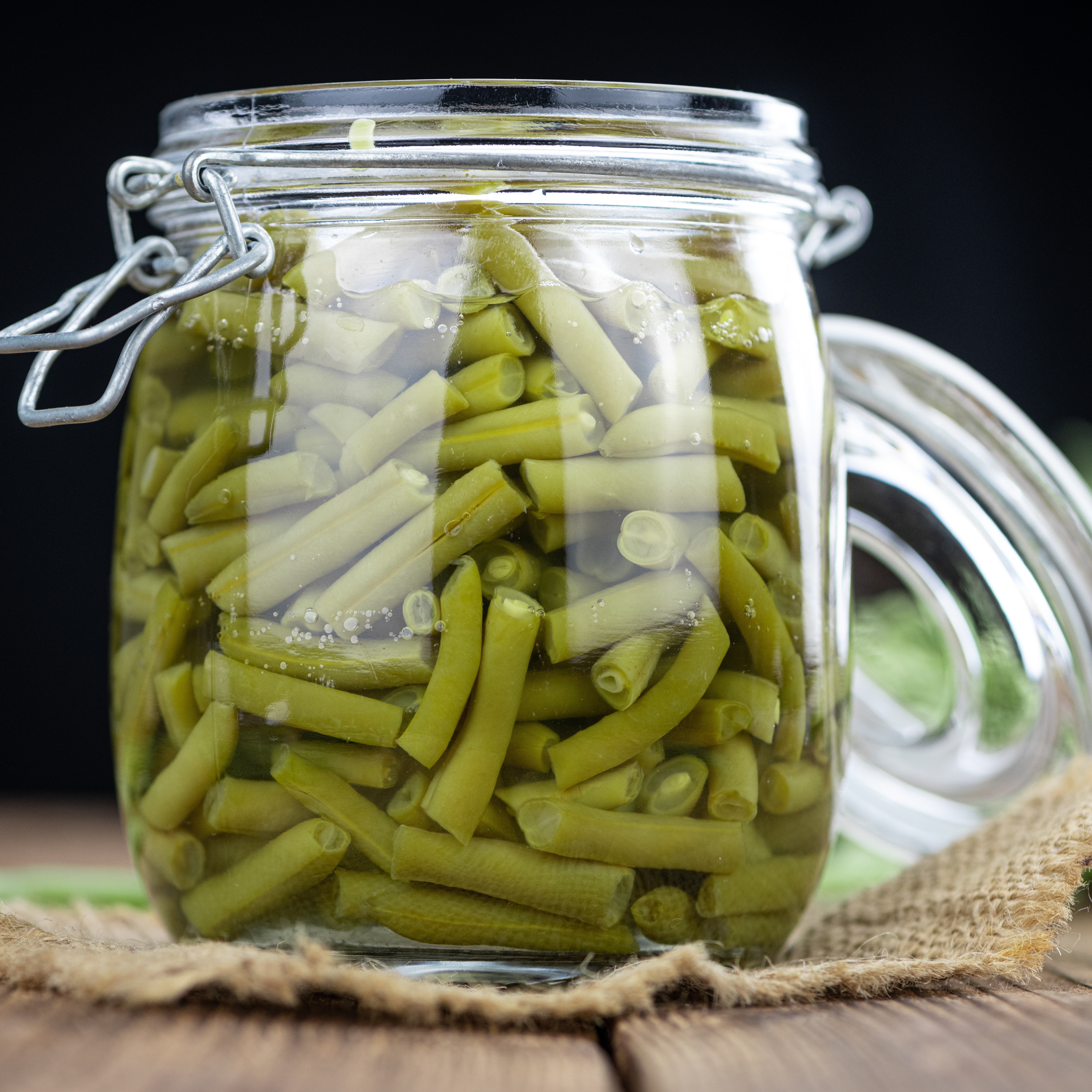
Pickling Beans
Pickled beans make a delicious addition to winter meals.
Popular additions include:
- Mustard seeds
- Garlic
- Dill
- Peppercorns
- White wine vinegar
For the best flavour, allow pickled beans to mature for at least two to four weeks before opening. This gives the vinegar, herbs and spices time to fully infuse the beans.
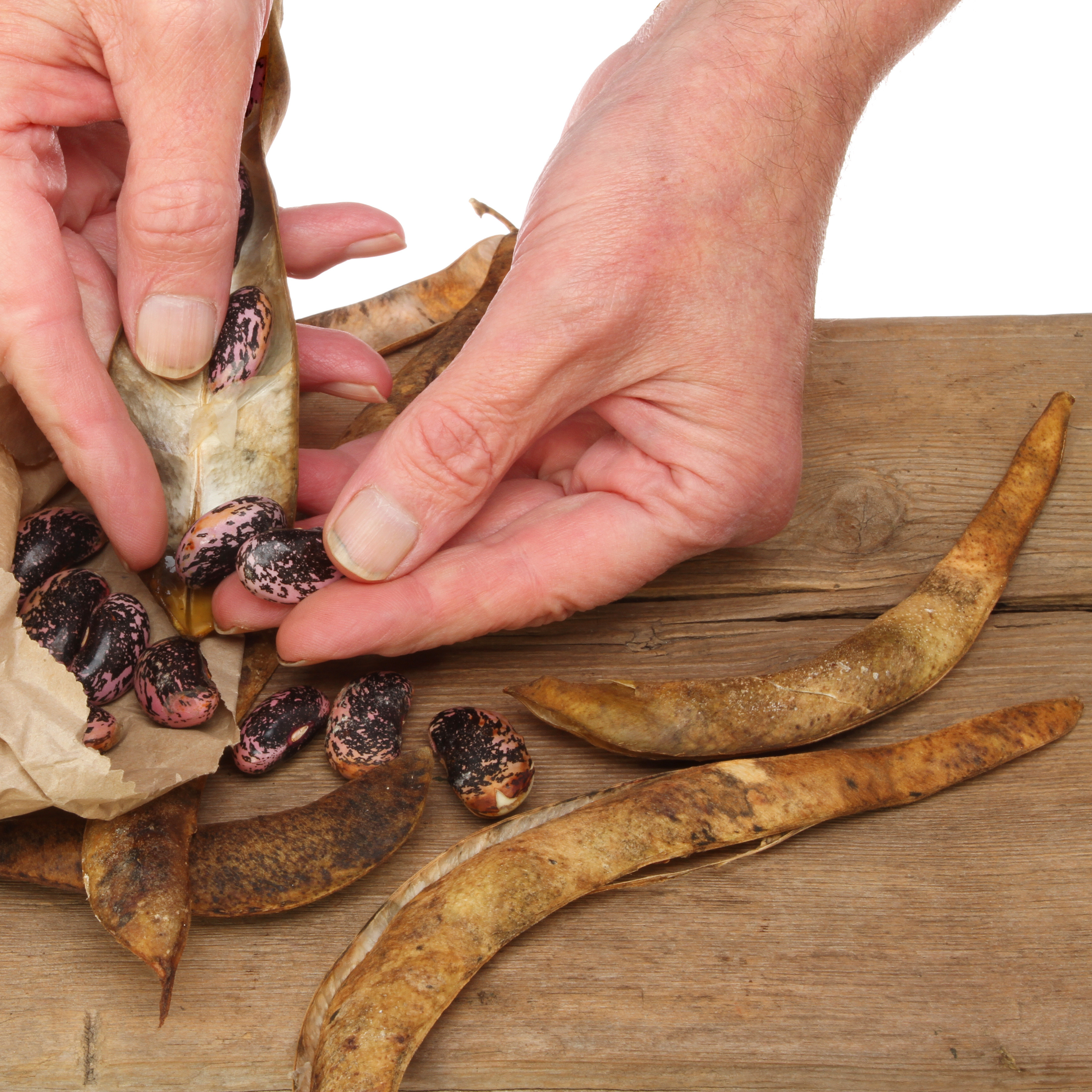
Drying Beans
Some bean varieties can be left on the plant to mature fully for storage.
Popular beans for drying include:
- Borlotti beans
- Haricot beans
- Cannellini beans
- Runner beans
Store dried beans in airtight containers only once they are completely dry. Properly dried beans should feel hard and make a rattling sound when shaken in a jar.
🍓 Freezing Soft Fruits and Berries
Soft fruits and berries freeze exceptionally well, making them one of the easiest harvests to preserve for winter use.
Best Way to Freeze Soft Fruits
Freezing is one of the simplest ways to preserve soft fruits and berries. To achieve the best results, wash and dry the fruit carefully before spreading it out on a tray in a single layer. Once frozen, transfer the fruit to labelled freezer bags or containers. Freezing fruit individually first helps prevent it from clumping together, making it easier to use only the amount you need.
Frozen berries are incredibly versatile and can be used throughout winter in smoothies, crumbles, pies, compotes and breakfast dishes. When frozen correctly, they retain much of their flavour and nutritional value, allowing you to enjoy a taste of your garden long after the harvest season has ended. While many gardeners make jams and preserves from their fruit harvests, freezing remains one of the quickest and simplest ways to retain flavour and reduce waste.
🌿 Preserving Herbs for Winter
While herbs can be harvested throughout much of the growing season, autumn is an ideal time to preserve any surplus before winter arrives. Many culinary herbs, including parsley, thyme, sage, rosemary and mint, can be dried or frozen for later use, helping you enjoy homegrown flavour throughout the colder months.
For more advice on growing, harvesting and preserving herbs, read our guide to Growing Herbs at Home.
🌸 Visit Our Garden Centre in Kington
Knowing how to store autumn harvests properly allows you to enjoy homegrown produce long after the growing season ends. Whether you’re storing apples and pears, preserving root vegetables, freezing soft fruits or drying herbs, a little preparation can help reduce waste and keep your harvests in great condition throughout winter.
Visit us in Kington today. Our team can help you choose fruit trees, soft fruit plants, herb plants, vegetable seeds, harvest baskets, storage solutions, compost and growing supplies. Whatever you’re planning for this year’s harvest or next season’s crops, we’re here to help you make the most of your garden all year round.