Summer rose care

Summer Rose Care: Keep Your Roses Blooming Beautifully All Season

Few flowers capture the beauty of an English summer quite like the rose. From climbing varieties draped over arches to compact roses in containers, these timeless plants can provide months of colour and fragrance throughout the summer.

Summer rose care focuses on maintaining healthy growth and encouraging continued flowering. Warm temperatures, strong sunlight and prolonged dry spells can affect blooms and foliage, making regular watering, feeding and deadheading particularly important at this time of year.

Roses grown in borders and containers have slightly different needs during warmer weather. These practical summer rose care tips will help you keep plants healthy, manage common problems and encourage more flowers throughout the season.

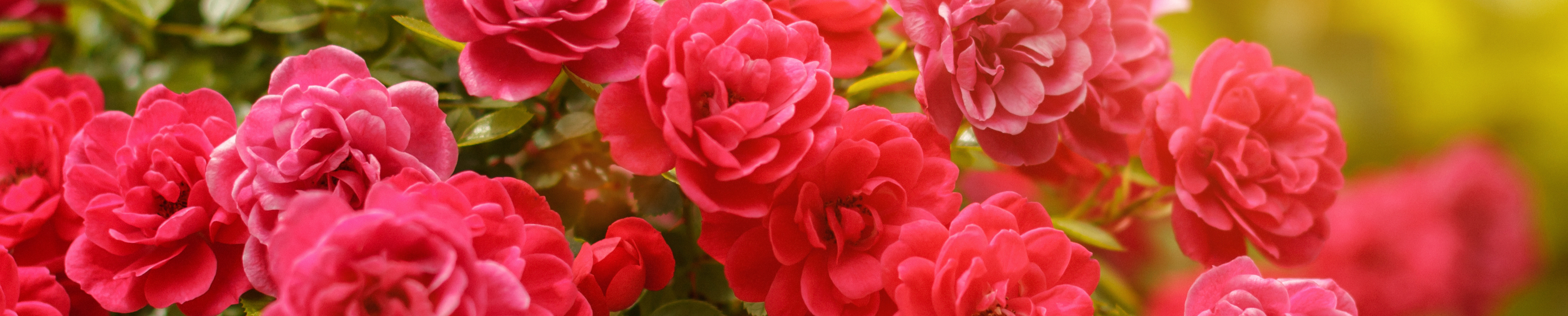
Pink rose blooms flowering in summer

🌹 Why Summer Rose Care Matters

Roses are surprisingly easy to grow, but summer conditions can put them under stress. Regular maintenance helps:

  • Encourage repeat flowering
  • Prevent pests and diseases
  • Improve fragrance and bloom quality
  • Keep plants healthy during hot weather
  • Extend the flowering season well into autumn

πŸ‘‰ Expert Tip: Healthy roses are far more resistant to black spot and mildew. Consistent watering and feeding make a huge difference.

🌿 Feeding Roses During Summer

Roses are hungry plants and benefit greatly from regular feeding throughout the growing season.

Best Feeding Schedule for Roses

  • Late winter to early spring: Apply a nitrogen-rich fertiliser after pruning to encourage fresh leafy growth.
  • From spring through summer: Container roses benefit from fortnightly feeding during summer, while border roses usually need feeding in spring and again after the first flush of flowers
  • Late summer: Gradually reduce feeding as plants prepare for autumn.

High-potash feeds help produce stronger stems, vibrant flowers and healthier foliage.

Signs Your Roses Need Feeding

Look out for:

  • Smaller blooms
  • Pale leaves
  • Reduced flowering
  • Weak or spindly growth

Container-grown roses especially need regular feeding because nutrients are washed out of pots more quickly.

πŸ’§ Watering Roses Properly in Hot Weather

Warm summer weather means roses need consistent watering to stay healthy and productive.

How Often Should You Water Roses?

  • Established roses prefer a deep soak once or twice weekly during dry weather rather than frequent light watering
  • Newly planted roses may need watering daily
  • Container roses often require watering every day in hot weather

Always water at the base of the plant rather than over the foliage. Wet leaves can encourage fungal diseases such as black spot.

Avoid Overwatering

Although roses enjoy moisture, they dislike sitting in waterlogged soil.

To prevent root problems in container grown plants:

  • Ensure pots have drainage holes
  • Use quality compost
  • Avoid leaving containers standing in saucers of water

πŸ‘‰ Pro Tip: Water roses early in the morning. This helps plants absorb moisture before the heat of the day and reduces evaporation.

βœ‚οΈ Deadheading and Summer Pruning Roses

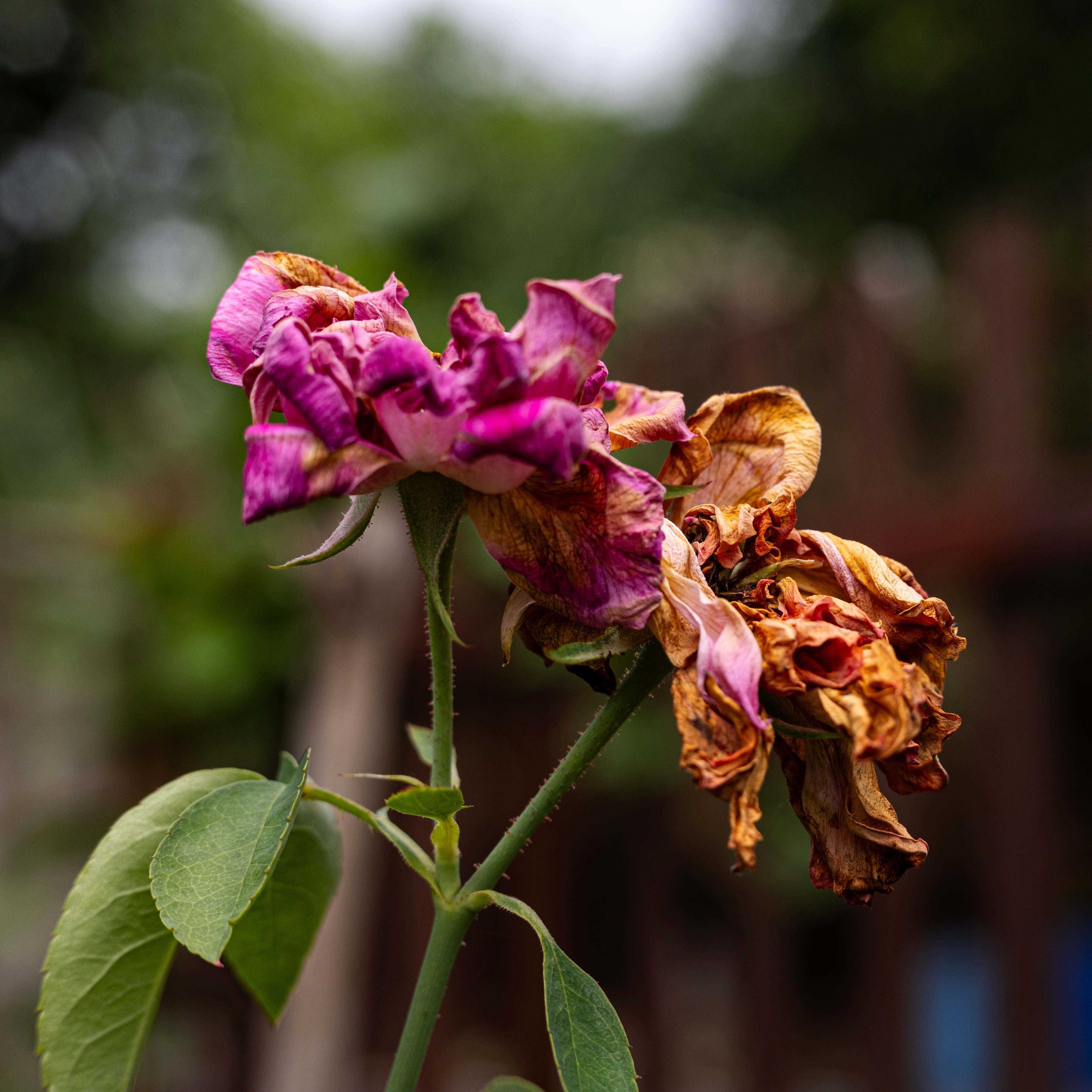
Regular deadheading keeps roses healthy and flowering for longer through summer. Removing faded blooms encourages the plant to produce fresh buds instead of seed heads.

Deadheading

A rose is ready for deadheading when:

  • Petals begin falling
  • Flowers fade or discolour
  • Blooms turn brown at the edges

Using clean secateurs, cut the stem back to just above a healthy outward-facing leaf to encourage strong new growth.

Light Summer Pruning

Summer is a good time to tidy roses by removing:

  • Dead stems
  • Diseased foliage
  • Weak or damaged growth

Avoid heavy pruning until late winter when roses are dormant.

A close up of a decaying rose bloom ready for deadheading
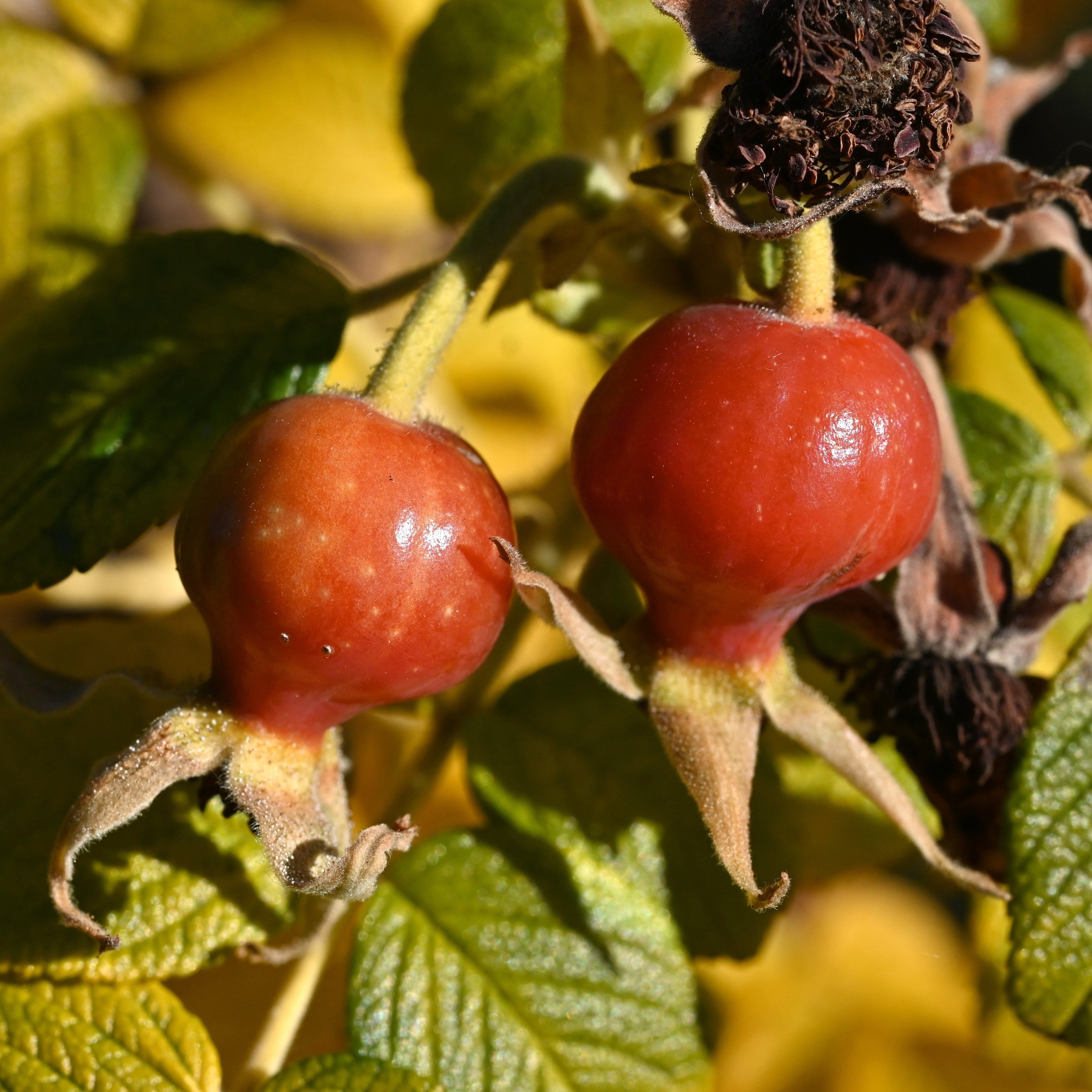
A close up of red rose hips surrounded by green foliage

Should You Leave Rose Hips?

If your rose produces decorative hips, leave some flowers uncut towards the end of summer. Rose hips add colour through autumn and winter, especially on shrub and wild roses, creating lasting seasonal interest in borders.

They also support wildlife by providing food for birds during colder months while adding extra structure and texture to the garden.

Benefits of leaving rose hips:

  • Adds autumn and winter colour
  • Provides food for birds and wildlife
  • Creates a natural cottage garden look

πŸ‘‰ Expert Tip: Wipe or disinfect secateurs after pruning each plant to help prevent the spread of rose diseases.

🐞 Preventing Common Rose Problems in Summer

Hot, humid weather can encourage pests and diseases, but good care reduces the risk significantly.

Common Rose Problem Symptoms How to Prevent or Treat It
Black Spot Dark spots on leaves followed by leaf drop – Water at soil level
– Improve airflow around plants
– Remove infected leaves promptly
Aphids Clusters of greenfly on soft shoots and buds – Encourage ladybirds and beneficial insects
– Wash aphids off with water
– Use suitable garden treatments if needed
Powdery Mildew White dusty coating on leaves and flower buds – Avoid drought stress
– Water consistently
– Keep plants well ventilated

🌸 Creative Uses for Rose Petals

Roses are not only beautiful in the garden. Their petals can also be used in a variety of creative ways at home.

Ideas for Using Rose Petals

  • Make homemade potpourri
  • Create natural wedding confetti
  • Add petals to relaxing baths
  • Brew fragrant rose petal tea
  • Decorate cakes and desserts
  • Make refreshing rosewater toner

Only use petals from edible or untreated garden roses. Avoid using florist roses, as they are often treated with chemicals unsuitable for consumption.

πŸ‘‰ Pro Tip: Dry rose petals naturally in a cool dark place to preserve their colour and fragrance.

🌿 Visit Our Garden Centre in Kington

Regular feeding, watering and deadheading will help roses stay healthy and continue flowering throughout the summer. Paying particular attention to plants during hot, dry weather can make a noticeable difference to both growth and flowering.

At our garden centre, you’ll find a large selection of roses alongside products for seasonal care and practical advice on looking after your plants.

πŸ‘‰Β Visit usΒ inΒ Kington to explore our rose selection and find inspiration for adding more colour and fragrance to your garden.