Ornamental Alliums
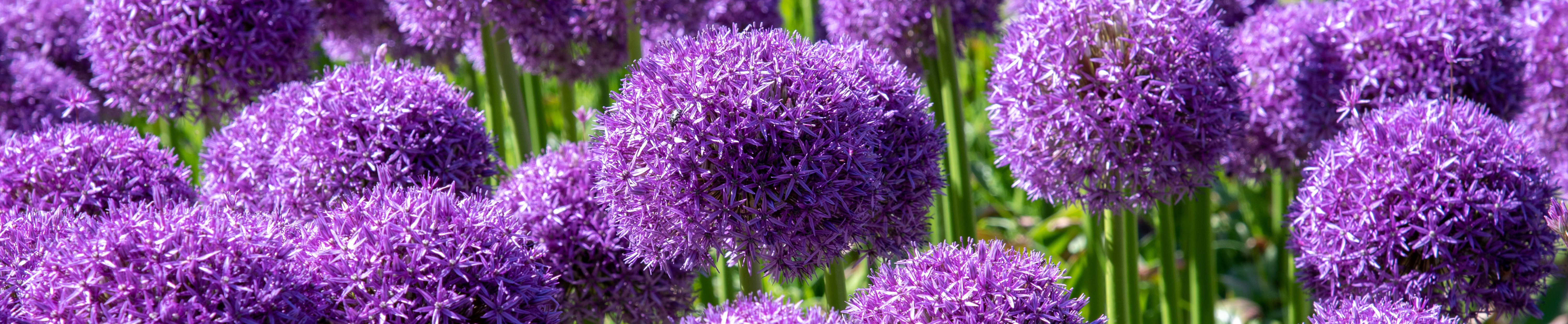
Alliums are distinctive ornamental bulbs, instantly recognisable for their rounded flower heads held above the border on slender, upright stems. From compact varieties suitable for containers and the front of a border to dramatic forms reaching well over a metre tall, they bring strong shape and structure to the garden.
Most ornamental alliums flower from late spring into early summer, filling the gap between spring bulbs and the main flush of summer perennials. Their flowers combine particularly well with grasses and herbaceous plants, while the seed heads of many varieties remain decorative long after the colour has faded.
When Do Alliums Flower?
Most ornamental alliums flower during May and June, although the season varies considerably between species and cultivars. Earlier forms can begin flowering in spring, while later varieties such as Allium sphaerocephalon continue the display into July and August.
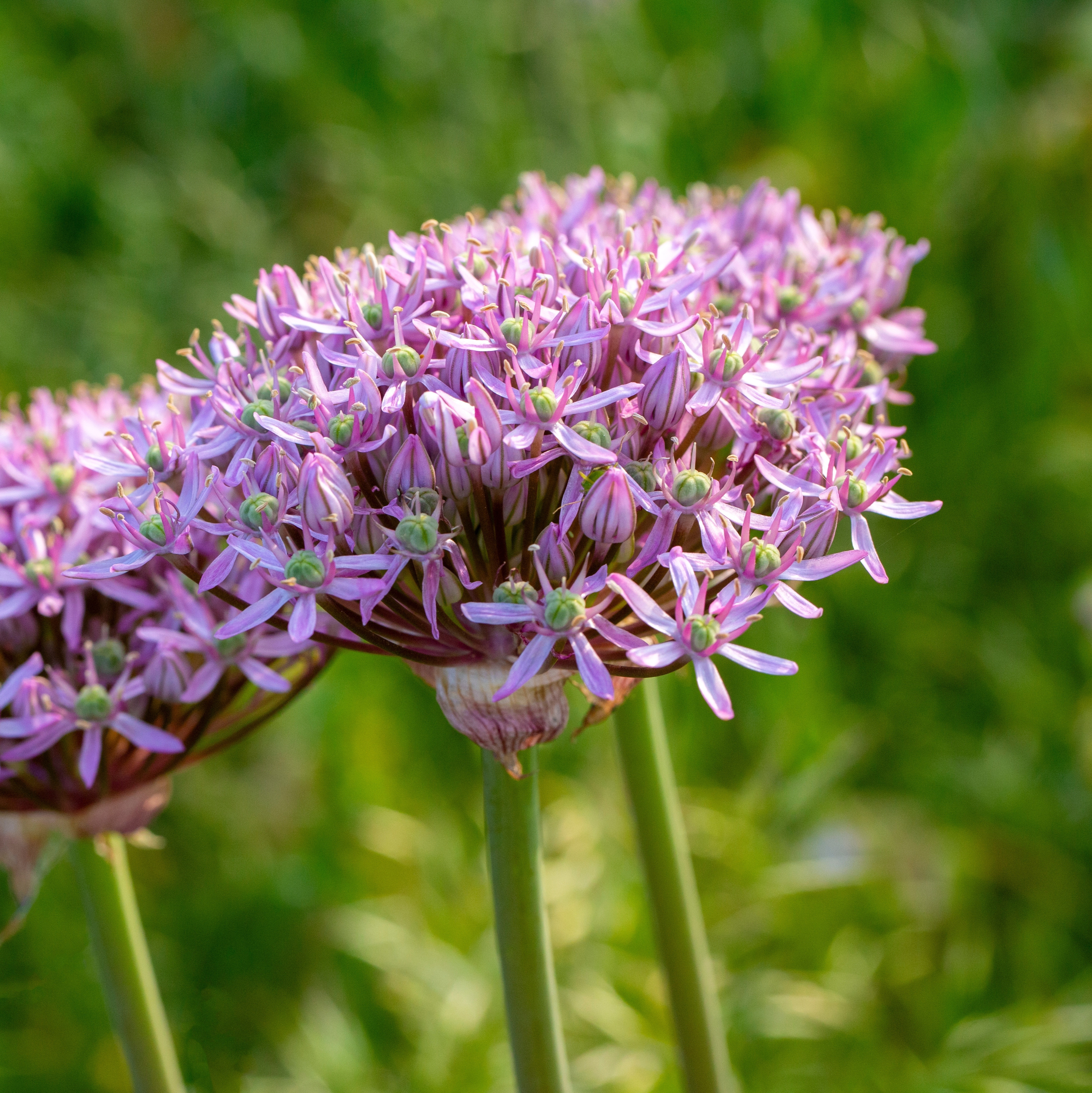
The individual flowers are small and star-shaped or bell-shaped, but they are grouped together to create distinctive flower heads. These range from neat globes only a few centimetres across to spectacular spheres approaching 20cm in diameter.
Flower colours include:
Purple and violet
Blue
Pink and mauve
White
Yellow in selected species
Purple and violet are the colours most strongly associated with ornamental alliums, but the considerable variation in size, shape and colour makes this a surprisingly diverse group of plants.
Some produce densely packed spherical heads, while others have looser clusters or unusual starburst-shaped flowers. Once flowering finishes, many develop attractive architectural seed heads that can remain standing for weeks.
How to Grow
Choosing the Right Position
Most ornamental alliums thrive in full sun and well-drained soil. A warm, sunny border is ideal for the large ornamental varieties commonly grown in UK gardens.
Good drainage is particularly important. Allium bulbs cope well with dry conditions once established but can rot if they remain in cold, waterlogged soil, especially over winter.
For best results, choose:
- A sunny position
- Free-draining soil
- A sheltered or moderately protected site for very tall varieties
- Somewhere the bulbs can remain largely undisturbed
Heavy clay soil can be more challenging. Improving the soil structure and drainage before planting can help, although gardeners with persistently wet ground may find alliums easier to grow in raised beds or containers.
There are exceptions to the usual preference for hot, sunny conditions. Some smaller and specialist alliums tolerate cooler conditions or light shade, so it is worth checking the requirements of individual species when choosing less familiar varieties.
Planting
Allium bulbs are usually planted in early to mid autumn, giving them time to establish before winter.
Planting depth should be adjusted according to the size of the bulb rather than using a single measurement for every allium. As a general guide, plant ornamental allium bulbs at a depth of around four times the diameter of the bulb, with the pointed end facing upwards.
Spacing also depends on the eventual size of the plant. Smaller alliums can be planted around 7.5–10cm apart, while taller varieties generally need at least 20cm between bulbs.
Before planting:
- Remove perennial weeds from the area.
- Loosen compacted soil.
- Improve drainage where necessary.
- Avoid adding large quantities of fresh manure or rich fertiliser directly around the bulbs.
Alliums often look most effective planted in groups or repeated through a border rather than as isolated individual bulbs. Allow enough space for neighbouring perennials to grow around them, as these plants can help disguise the allium foliage as it begins to fade.
Growing Alliums in Containers
Many ornamental alliums grow successfully in pots, making them a useful choice for patios and smaller gardens as well as borders.
Choose a deep container with good drainage holes and use a quality peat-free compost. Adding horticultural grit can improve drainage where necessary.
Containers are particularly useful for smaller or specialist alliums that prefer exceptionally free-draining conditions. They can also be moved into a less prominent position once the foliage begins to die back.
Caring for Alliums
Watering
Water newly planted bulbs if the soil is dry after planting. Autumn rainfall will often provide sufficient moisture once they are established.
During active growth, alliums generally need little additional watering when grown in the ground unless conditions are particularly dry.
Container-grown alliums need closer attention because compost dries more quickly. Water when required, but avoid allowing pots to remain continually wet.
Feeding
Alliums growing in reasonably fertile garden soil do not usually require regular feeding.
A modest application of a general-purpose fertiliser in spring can support plants growing in poorer soil, but excessive feeding is unnecessary. Avoid high-nitrogen fertilisers, which encourage leafy growth rather than flowers.
Supporting
Most alliums have naturally strong, upright stems and require no support.
Very tall varieties may benefit from a sheltered position, particularly in gardens exposed to strong winds. Planting them amongst other perennials can provide some natural protection without hiding their flowers.
Encouraging More Flowers
Established alliums are generally reliable flowerers when their basic growing requirements are met.
For the best displays:
- Give them plenty of sunlight.
- Make sure the soil drains freely.
- Allow the foliage to die back naturally.
- Avoid disturbing established bulbs unnecessarily.
- Divide overcrowded clumps when flowering begins to decline.
- Choose species and cultivars suited to the conditions in your garden.
The leaves play an important role in replenishing the bulb after flowering. Removing them too early can weaken the bulb and reduce the following year’s display.
After Flowering
Deadheading
Alliums do not need to be deadheaded to keep them flowering.
Once the flowers fade, the heads gradually dry to form distinctive seed heads. These can be left standing if you enjoy their architectural appearance or removed if you prefer a tidier border.
Some species may self-seed when the flower heads are left in place. Remove the heads before the seed ripens if this is not wanted.
Foliage
The foliage of many ornamental alliums begins to yellow and die back around flowering time. This is a natural part of their growth cycle rather than a sign that the plant is unhealthy.
Allow the leaves to die back naturally so they can continue feeding the bulb. Once they are yellow and come away easily, they can be removed.
This sometimes untidy foliage is worth considering when positioning alliums. Planting them amongst emerging perennials, ornamental grasses and other border plants allows neighbouring foliage to conceal the fading leaves while the flower heads remain clearly visible above them.
Autumn and Winter Care
Most commonly grown ornamental alliums are hardy in UK gardens and require little winter protection when planted in suitable soil.
Good drainage is more important than protection from cold. Avoid allowing bulbs to sit in waterlogged ground during wet winter weather.
Alliums grown in containers are more exposed to cold and prolonged winter rain. Pots can be moved to a sheltered position where necessary, while still allowing the compost to drain freely.
Dividing or Propagation
Established alliums often produce small offsets around the original bulb.
If a clump becomes congested or flowering starts to decline, lift the bulbs once the flowers and foliage have died down. Separate healthy offsets and replant them in well-drained soil.
Offsets may take time to reach flowering size, but this is a straightforward way to increase established plants.
Alliums can also be grown from seed. This is a much slower method, and seedlings may take several years to produce flowers. Seed collected from hybrid cultivars may also produce plants that differ from the parent, so division is generally more useful where you want to retain the characteristics of a particular cultivar.
Common Problems
Ornamental alliums are generally robust plants and experience relatively few problems when grown in suitable conditions.
Bulb Rot
Poor drainage is one of the most common causes of failure.
Bulbs left in persistently wet or waterlogged soil can rot, particularly during winter. Choosing a free-draining position and improving heavy soil before planting greatly reduces the risk.
Slugs and Snails
Young foliage can occasionally be damaged by slugs and snails as it emerges in spring.
Damage is usually cosmetic rather than serious, although young plants may need protection where populations are particularly high.
Allium Pests and Diseases
The wider Allium family can be affected by pests and diseases associated with onions, leeks and garlic. Serious problems are less commonly encountered on ornamental alliums in garden borders.
Keeping plants healthy, avoiding waterlogged conditions and removing obviously diseased material are usually sufficient for ornamental plantings.
Warnings
Ornamental alliums should be treated as garden plants rather than edible onions or garlic.
Plants in the Allium genus can be toxic to pets if eaten, so bulbs and plant material should be kept away from dogs and cats that are inclined to chew or dig up garden plants.
Wildlife Benefits
Alliums are excellent plants for pollinating insects. Their flower heads contain numerous small, nectar-rich blooms, creating a valuable feeding point when the plants are in flower.
They are particularly attractive to:
- 🐝 Bees
- 🦋 Butterflies
- 🪰 Hoverflies
- Other pollinating insects
Planting several alliums together can create a particularly useful concentration of flowers, while choosing varieties with different flowering periods helps extend their contribution through the season.
Cut Flowers
Alliums make striking cut flowers, particularly the larger globe-flowered varieties.
Cut stems as the flower heads begin to open and use them as architectural features in fresh arrangements. Their strong shape works particularly well alongside softer flowers and foliage.
The dried seed heads can also be cut and used in dried arrangements, allowing their distinctive structure to be enjoyed long after flowering has finished.
Why Grow Alliums?
Alliums bring height, shape and vivid colour to the garden at a particularly useful point in the growing season. Their flowers rise above surrounding planting without taking up large amounts of border space, making them easy to weave amongst existing perennials and spring-flowering plants.
The range is remarkably varied. Tall purple globes can create bold punctuation through a mixed border, while compact and more unusual species suit gravel gardens, containers and smaller spaces. Attractive seed heads extend their ornamental value beyond flowering, and their nectar-rich blooms provide an additional benefit for garden pollinators.
For gardeners with a sunny, well-drained position, ornamental alliums offer a dependable way to bridge the transition from spring into summer. Visit us in Kington to explore our seasonal selection of alliums and find varieties to complement your garden.