How to Create a Colourful Spring Garden
Spring brings some of the most welcome colour of the gardening year. Early bulbs begin appearing while much of the garden is still dormant, followed by primroses, pansies, blossom and an increasing range of flowering perennials as the weather warms.
A good spring display does not depend on filling every available space with flowers. The most effective gardens combine plants that flower at different times, placing colour where it will have the greatest impact and choosing plants suited to the conditions in each part of the garden.
With a little planning, you can create a succession of flowers from the first signs of spring through to the beginning of summer.
๐ท Start with Spring-Flowering Bulbs
Spring-flowering bulbs provide the backbone of many spring gardens. Crocuses and early narcissi can start the display, followed by daffodils, hyacinths, muscari and tulips as the season progresses.
Most spring-flowering bulbs are planted while dormant in autumn, although exact planting times vary. Tulips, for example, are generally planted later in autumn than many daffodils and other spring bulbs.
Rather than relying on a single variety, choose bulbs with different flowering periods. Combining early, mid and late-season varieties can keep fresh flowers appearing for much longer.
Planting in groups also creates more impact than scattering individual bulbs widely through a border. Smaller bulbs such as crocuses and muscari can work particularly well towards the front, with taller tulips and daffodils appearing behind existing perennials.
๐ Expert Tip: Check flowering times when choosing bulbs rather than relying on colour alone. Two varieties that look perfect together on the packet may flower several weeks apart.
๐ฑ What if You Missed Autumn Planting?
Missing the autumn bulb-planting season does not mean waiting another year for spring flowers.
Pots of growing daffodils, tulips, hyacinths and other bulbs can be bought during spring and added to containers or planted into suitable positions in the garden. Bulbs sold already growing should be planted promptly and kept adequately watered while they establish.
Once flowering finishes, deadhead the faded blooms but leave the foliage intact until it dies back naturally. The leaves continue feeding the bulb and help build up its reserves for future growth.
๐ชด Create Spring Colour with Containers
Containers are particularly useful in spring because they allow you to put colour exactly where you want it. A bright pot beside the front door, on a patio or close to a frequently used path can have far more impact than the same plants tucked away in a distant corner.
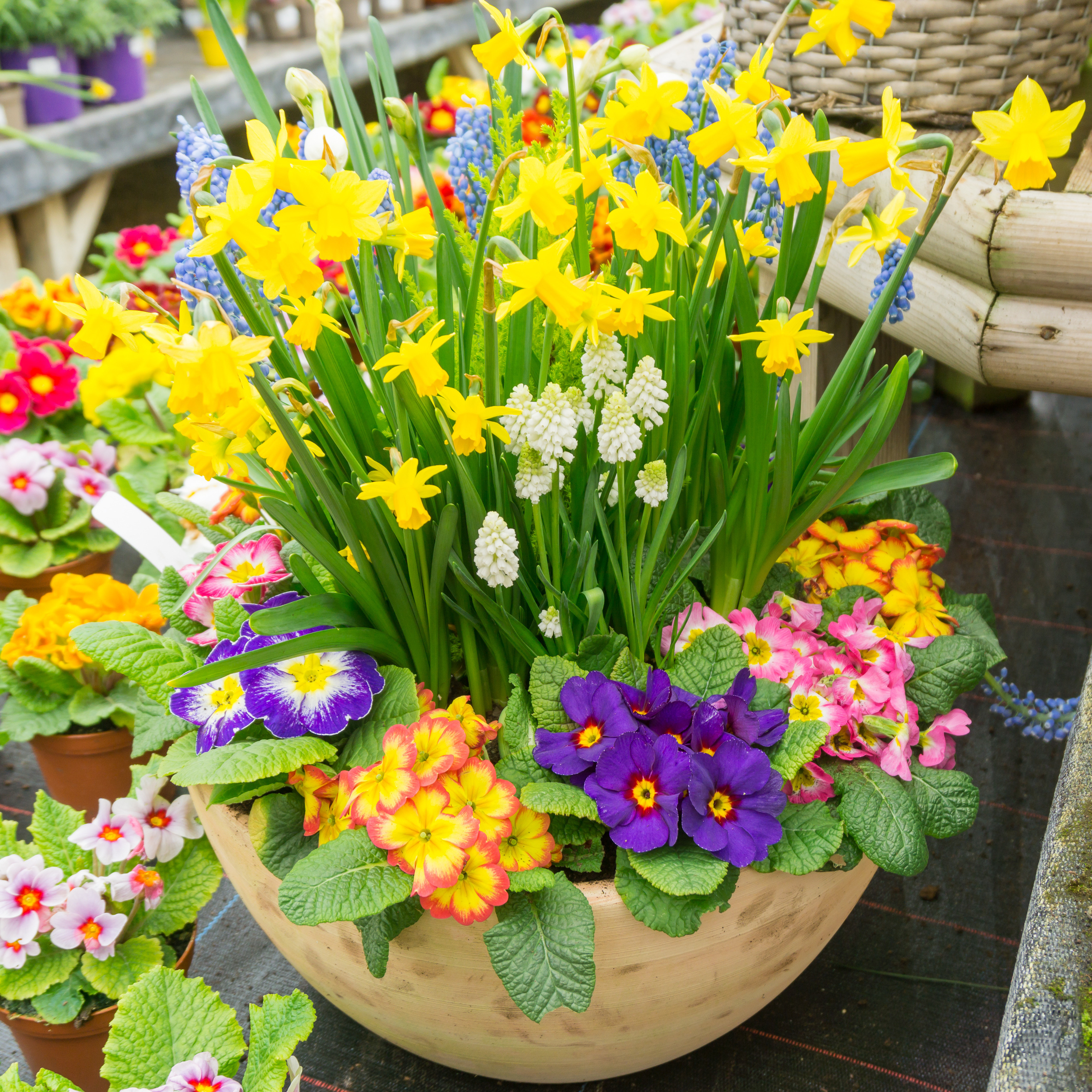
Spring pots can combine bulbs with seasonal flowers and foliage plants. Tulips rising through violas or primulas make a simple combination, while muscari, miniature daffodils and pansies work well where a lower display is needed. Heucheras can add contrasting foliage that remains attractive beyond the spring flowering period.
The important thing is to match plants with broadly similar growing requirements rather than choosing solely by appearance.
Containers must also have adequate drainage. Spring weather can bring prolonged wet periods, and compost that remains saturated can cause problems for bulbs and other container plants.
๐ Expert Tip: Don’t hide your best spring pots in the same position all year. Move containers into prominent positions as they come into flower, then move them elsewhere once the display fades.
๐ผ Good Plants for Spring Pots
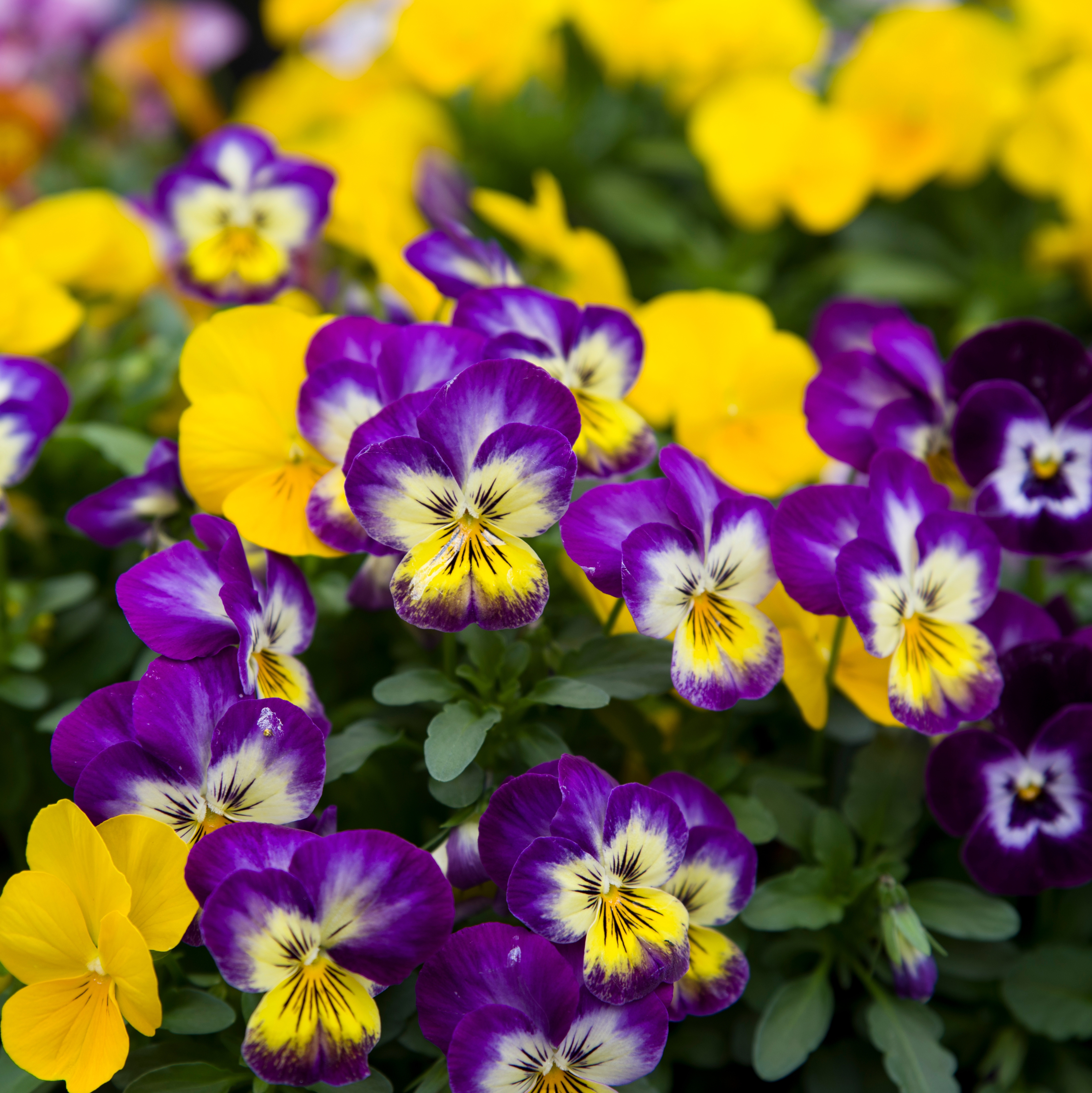
Pansies and violas are useful for early displays and bring a wide choice of colours. Regularly removing faded flowers helps keep the display tidy and encourages continued flowering.
Primroses and polyanthus are another spring favourite. They grow well in containers and can cope with sun or light shade, provided their compost is neither allowed to dry out completely nor become waterlogged.
Wallflowers bring height, strong colour and, in many varieties, fragrance. Bellis daisies provide compact flowers around the edges of pots, while heucheras introduce foliage in shades ranging from lime and amber to deep purple.
If you are planting a larger container, combining different heights and forms generally creates a more balanced display than using several plants of similar size.
๐ธ Add Perennials for Colour That Returns
Seasonal bedding and bulbs are excellent for immediate impact, but established perennials help build a spring garden that returns and develops each year.
Primroses can settle happily into suitable borders, while pulmonaria provides early flowers in shadier areas. Hellebores bridge the gap between winter and spring, and euphorbias can bring vivid fresh colour as the season develops.
The key is choosing plants for the conditions you actually have. A plant suited to moist partial shade is unlikely to thrive in a hot, dry border simply because you like the flower.
Look at the amount of sun a position receives, how well the soil drains and how much space the plant will eventually need before planting.
This also creates opportunities to combine spring-flowering plants with later perennials. As bulbs begin to fade, emerging perennial foliage can gradually disguise their dying leaves and take the border into summer.
๐ณ Think Beyond Flowers at Ground Level
Some of the most dramatic spring colour comes from above.
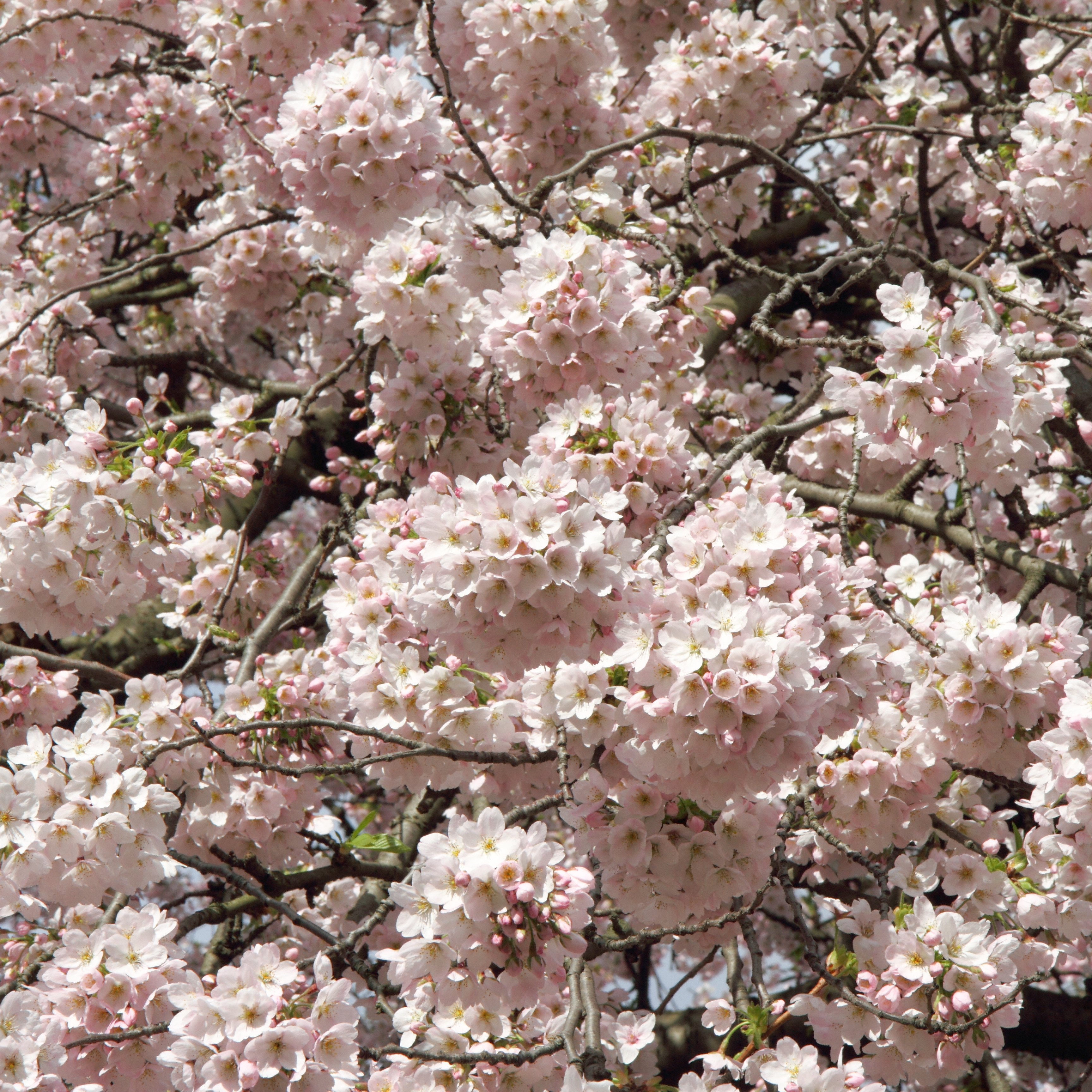
Magnolias, flowering cherries, crab apples and other spring-flowering trees can transform a garden when in bloom. In smaller gardens, choosing an appropriately sized tree is particularly important, as eventual height and spread matter far more than the size of the plant when you buy it.
Spring-flowering shrubs can perform a similar role at a lower level. They provide permanent structure through the year, with their flowering period becoming part of the wider succession of spring colour.
A garden containing bulbs at ground level, flowering perennials and shrubs through the middle layer, and blossom overhead can feel abundant without needing every part of the border to flower simultaneously.
๐ฑ Naturalise Bulbs in Lawns and Informal Areas
Spring bulbs do not have to be confined to borders and containers.
Crocuses, daffodils and some other bulbs can be naturalised in grass, where they create an informal display that can increase over time. Smaller bulbs can also work beneath deciduous trees, where they receive plenty of light early in the year before the tree canopy develops.
The main consideration when growing bulbs in grass is mowing. Their foliage needs time to die back naturally after flowering, so you will need to delay mowing the area until the leaves have yellowed and faded.
For this reason, naturalised bulbs tend to work best in areas where a slightly longer lawn is acceptable rather than in grass you want to keep closely cut throughout spring.
๐ Include Flowers for Early Pollinators
Spring flowers are not only decorative. As temperatures begin to rise, bees and other pollinating insects become increasingly active and need reliable sources of nectar and pollen.
A garden containing a range of flowers over a long period is therefore more useful than one enormous display that blooms for only a couple of weeks.
Spring-flowering plants such as primroses, pulmonaria and suitable flowering shrubs can form part of this succession. Allowing some less formal areas of the garden to flower can provide additional food and habitat.
This is another good reason to think of spring planting as a sequence rather than a single display.
๐ Plan for Early, Mid and Late Spring
One of the simplest ways to improve a spring garden is to stop thinking of spring as one flowering season.
Look at what is happening at different stages:
- Early spring: crocuses, snowdrops, early narcissi, hellebores and primroses
- Mid spring: daffodils, hyacinths, muscari, wallflowers and blossom
- Late spring: tulips, later-flowering perennials, shrubs and the first plants that begin bridging the gap towards summer
Exact flowering times vary with variety, location and weather, but planning across the whole season reduces the risk of having several spectacular weeks followed by an unexpectedly bare garden.
๐ Expert Tip: Take photographs of your garden every few weeks through spring. They make it much easier to spot gaps in flowering when you come to choose bulbs and plants for the following year.
โ๏ธ Keep Spring Displays Looking Their Best
Spring plants generally need relatively little maintenance, but a few simple jobs can extend displays and prepare plants for the next stage of the year.
Keep containers watered when necessary, particularly during dry or windy spells, but avoid leaving them permanently waterlogged. Deadhead seasonal flowers such as pansies and violas to keep them producing fresh blooms.
Remove spent bulb flowers, but resist the temptation to cut off untidy bulb foliage while it is still green. Allowing it to die back naturally helps replenish the bulb for the following year.
As individual containers finish flowering, they can be moved away from prominent positions and replaced with plants coming into their best. In borders, later-growing perennials can gradually take over from fading bulbs.
๐ฟ Visit Our Garden Centre
A successful spring garden combines early bulbs, seasonal flowers, established perennials and longer-term planting to create colour that develops as the season progresses. Choosing plants for the right conditions and varying their flowering times will help you enjoy the display for much longer.
ย Visit usย inย Kington. Explore our seasonal selection of spring garden plants, flowering bulbs, perennials and plants for colourful containers, with plenty of ideas for extending colour throughout the season.