How to Identify, Prevent and Treat Houseplant Pests
Indoor plants bring colour, texture and life into the home, but even the healthiest collection can occasionally attract unwanted visitors. Houseplant pests are often small and easy to miss at first, yet they can quickly weaken plants, damage foliage and spread throughout a collection if left unchecked.
Fortunately, most indoor plant pests can be identified and controlled before they cause serious problems. Regular inspections, good plant care and prompt treatment are usually enough to keep infestations under control and maintain healthy, thriving houseplants.
🌿 Why Indoor Plant Pests Appear
Pests rarely appear without reason. Most are introduced on newly purchased plants, cut flowers, open windows or even on clothing after working in the garden.
Indoor environments can also provide ideal conditions for certain pests. Warm temperatures, dry air and poor air circulation encourage rapid breeding, particularly for spider mites and aphids.
Plants under stress are generally more susceptible to attack. Overwatering, underwatering, insufficient light and nutrient deficiencies can all weaken natural plant defences and make infestations more likely.
👉 Expert Tip: Before adding a new plant to your collection, keep it separate from existing houseplants for two to three weeks. This simple quarantine period often prevents pests spreading throughout your indoor garden.
🔍 Common Houseplant Pests and How to Identify Them
Different pests leave different clues. Learning to recognise them early is the most effective form of control.
Spider Mites
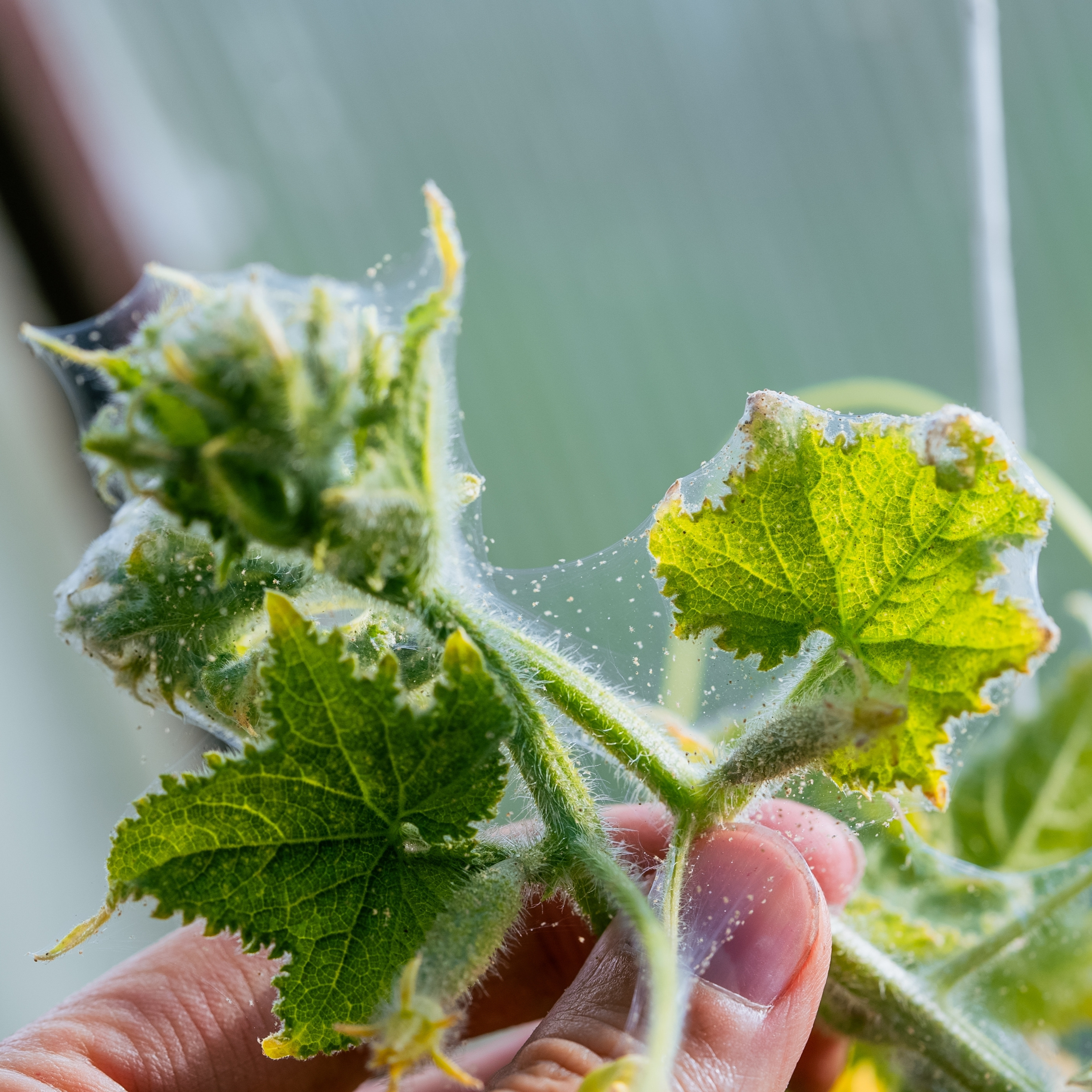
Spider mites are among the most common indoor plant pests. They thrive in warm, dry conditions and are often found on plants such as Calathea, Alocasia and Ficus.
Signs include:
- Fine webbing between leaves and stems
- Tiny pale speckles on foliage
- Gradual yellowing and leaf drop
Aphids
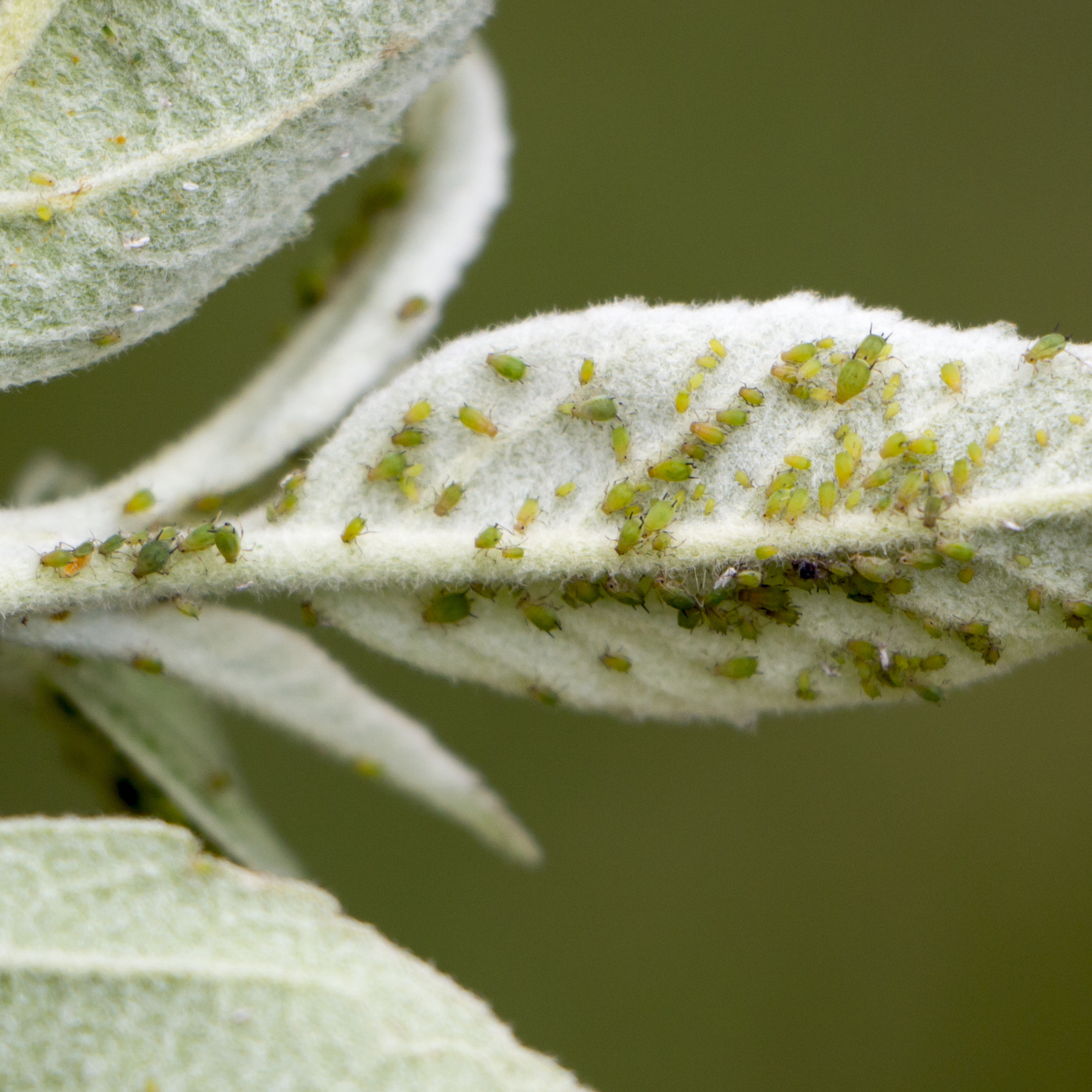
Aphids are small, soft-bodied insects that cluster on new shoots, flower buds and tender growth.
Look for:
- Distorted young leaves
- Sticky residue on foliage
- Visible green, black or brown insects
Mealybugs
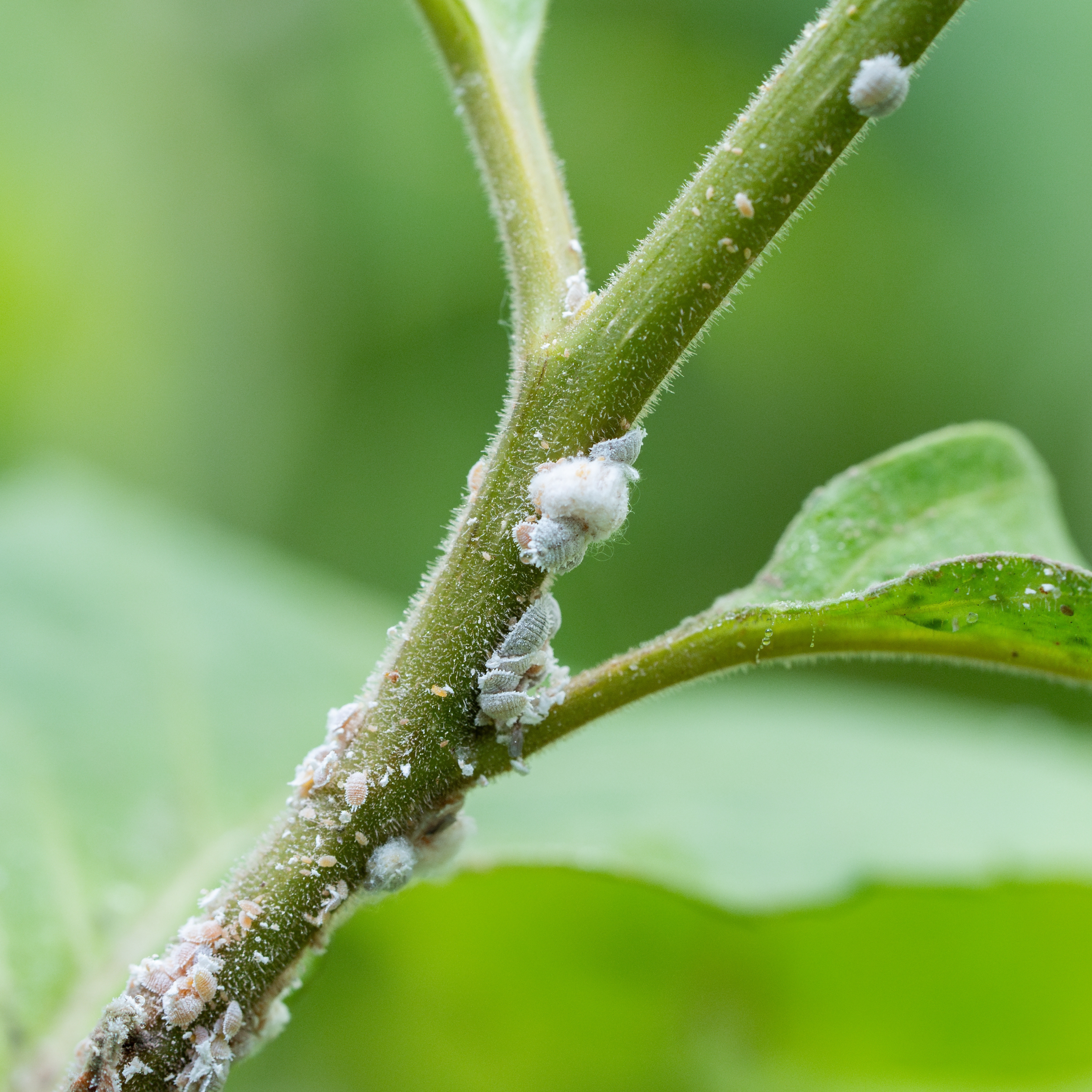
Mealybugs appear as white, cotton-like masses tucked into leaf joints and stem crevices.
Symptoms include:
- White fluffy deposits
- Sticky leaves
- Slowed growth
Scale Insects
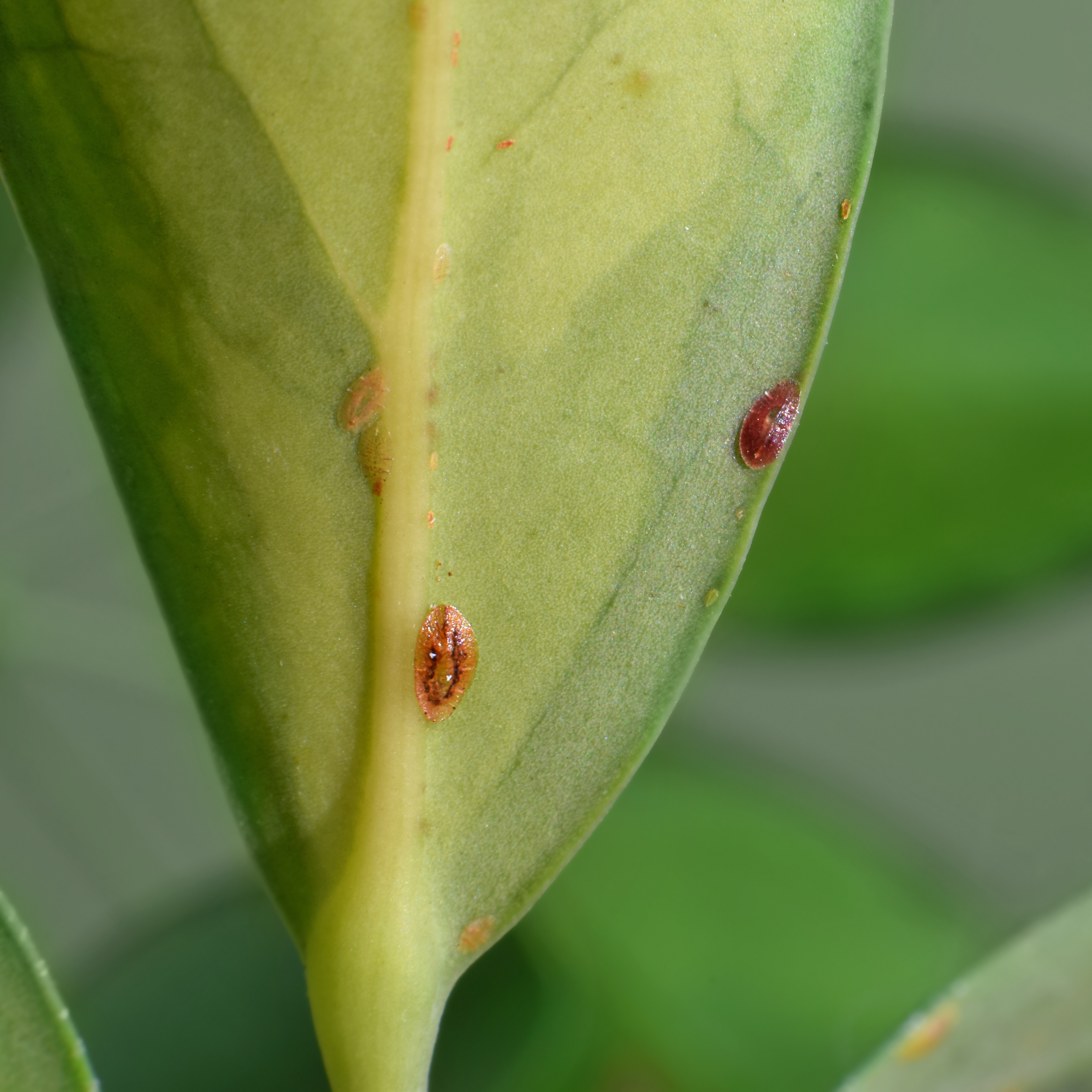
Scale insects disguise themselves as small brown or tan bumps attached to stems and leaves.
Signs include:
- Sticky honeydew deposits
- Yellowing foliage
- Reduced vigour
Fungus Gnats
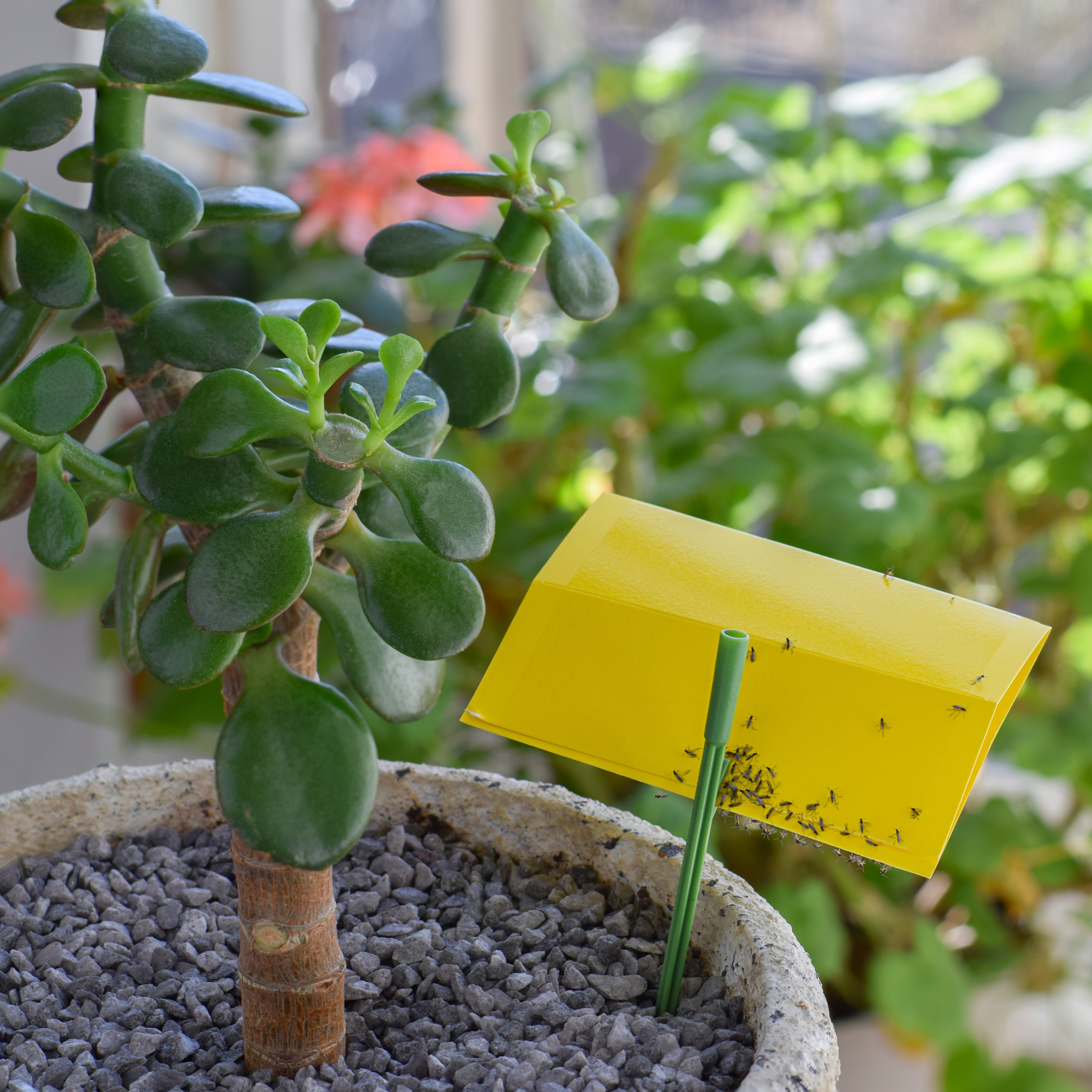
Adult fungus gnats are mostly a nuisance in the home, but their larvae can become a genuine plant pest. Living in consistently wet compost, they feed on organic matter and fine roots, with heavy infestations weakening young plants and seedlings.
Indicators include:
- Small black flies around pots
- Poor plant growth
- Persistently damp compost
⚠️ Early Warning Signs of an Infestation
The pests themselves are not always the first thing you’ll notice. Damage often appears before the insects become obvious.
Watch for:
- Yellowing leaves
- Tiny pale speckles or stippling
- Distorted new growth
- Sticky residue on leaves or nearby surfaces
- Premature leaf drop
- Fine webbing
- Reduced growth
Take a few moments each week to inspect both the upper and lower leaf surfaces, stems and the compost surface. A regular check while watering is often enough to catch problems early.
🛡️ Preventing Houseplant Pests Naturally
Good plant care remains the most effective long-term defence against pests.
Keep leaves clean by gently wiping away dust, which allows you to spot problems sooner and improves photosynthesis. Avoid overcrowding plants, as good airflow discourages many common pests.
Water according to each plant’s requirements rather than following a fixed schedule. Consistently wet compost encourages fungus gnats, while drought-stressed plants are more attractive to sap-sucking insects.
Regularly remove dead leaves and faded flowers, as decaying material can harbour pests and disease.
When introducing new plants, inspect them thoroughly and continue monitoring them during their quarantine period.
👉 Expert Tip: Make pest inspections part of your regular watering routine. Early intervention is far easier than treating a widespread infestation later.
🌱 How to Treat Houseplant Pests
If pests are discovered, act quickly before they spread.
First, isolate the affected plant away from the rest of your collection.
For light infestations, wiping leaves with a damp cloth or rinsing the plant under lukewarm water can remove significant numbers of pests. Mealybugs can often be removed individually using a cotton bud.
For larger infestations, treatments such as neem oil or insecticidal soap can be highly effective when applied according to instructions. Thorough coverage is essential, particularly on the undersides of leaves where pests often hide.
Most treatments need repeating every 7 to 14 days to break the pest life cycle and eliminate newly hatched insects.
Continue monitoring the plant for several weeks after treatment to ensure the problem has been fully resolved.
👉 Pro Tip: Treat nearby plants even if they show no symptoms. Pests often spread before visible damage appears.
🏡 Visit Our Garden Centre
If you’ve spotted unusual markings on leaves, sticky residue, webbing or insects on your houseplants, we’re here to help. Bring along a photograph or a sample of the affected foliage and our team can help identify the problem and recommend the most appropriate treatment.
We stock a range of houseplant care products, pest control solutions and healthy indoor plants, along with practical advice to help prevent future infestations.
Visit us in Kington today. Whether you need help identifying a pest, choosing an effective treatment or improving your houseplant care routine, our team will be happy to help keep your indoor plants in excellent condition.