
Acid Loving Plants: A Guide to Growing Ericaceous Plants
Acid loving plants bring colour, structure and seasonal interest to gardens across the UK. Rhododendrons, azaleas, camellias, pieris and blueberries are all familiar examples of ericaceous plants that need acidic growing conditions to thrive.
Soil pH is particularly important when growing acid loving plants. Knowing whether your soil is naturally acidic will help you decide which plants to grow in the ground and when ericaceous compost or container growing may be a better option.
๐ฟ What Are Acid Loving Plants?
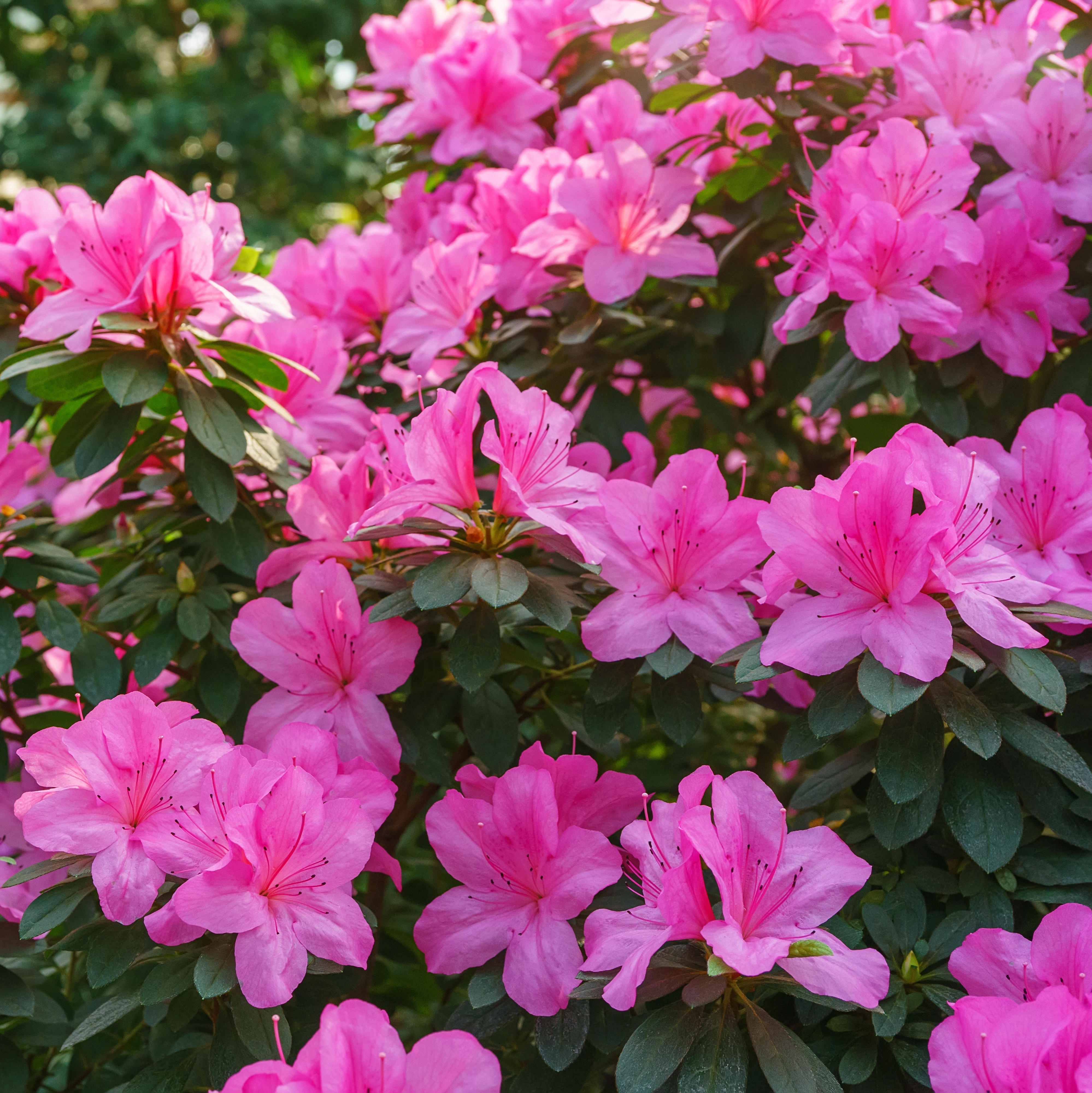
Acid loving plants, also known as ericaceous plants, grow best in acidic soil. Familiar examples include rhododendrons, azaleas, camellias, pieris, heathers and blueberries. In alkaline conditions, some can struggle to absorb nutrients effectively, leading to poor growth and yellowing leaves.
๐ How to Tell if You Have Acidic Soil
If you plan to grow acid loving plants in the ground, testing your soil will tell you whether the existing conditions are suitable.
Understanding Soil pH
| Soil Type | pH Range |
|---|---|
| Strongly Acidic | Below 5.5 |
| Acidic | 5.5 – 6.5 |
| Neutral | 6.5 – 7.5 |
| Alkaline | Above 7.5 |
Many acid loving plants prefer a pH of around 4.5 to 6.5, although requirements vary between species.
A Simple Way to Test Your Soil
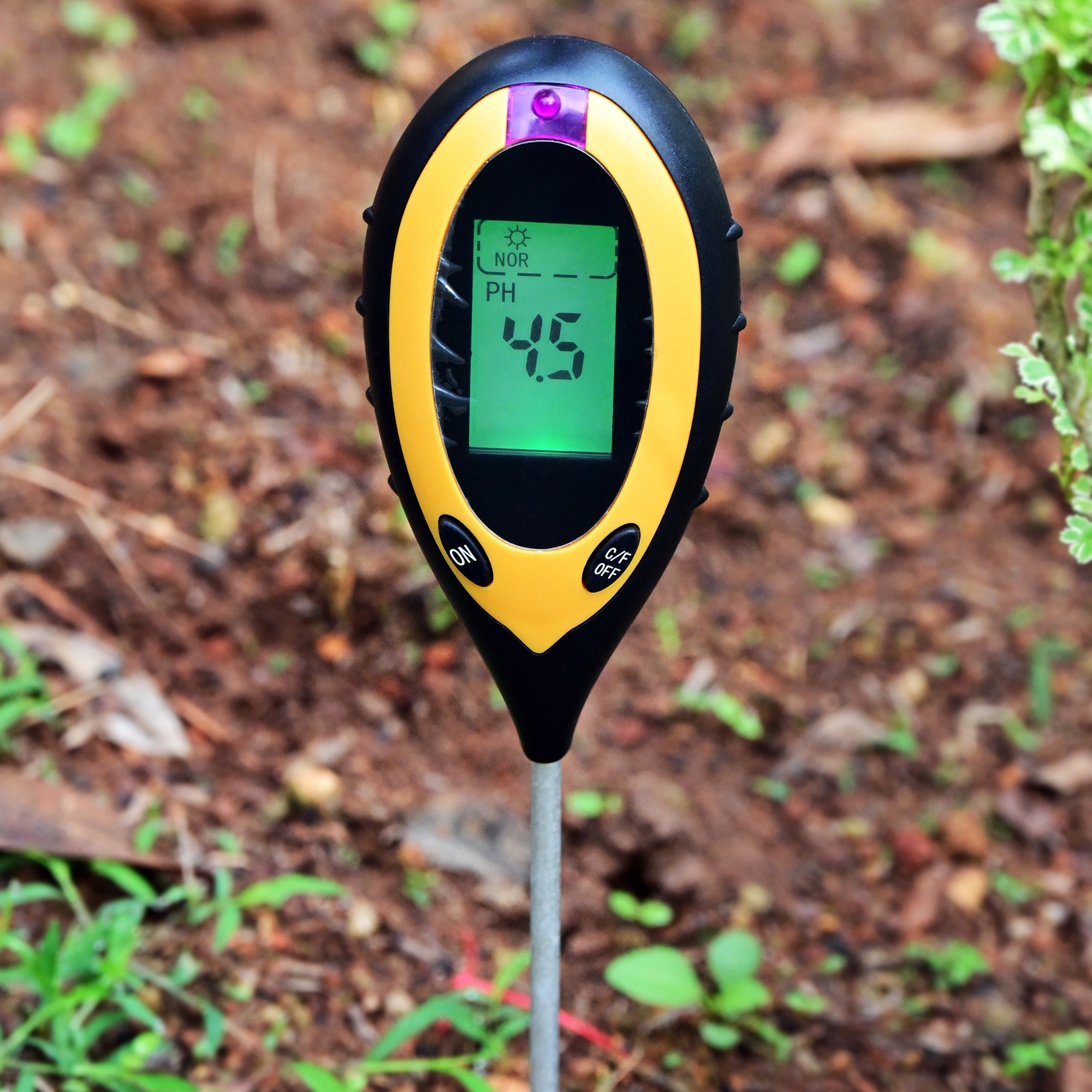
Before choosing acid loving plants, it’s worth taking a few minutes to test your soil’s pH. Home soil testing kits are inexpensive, easy to use, and widely available. Some use a probe that is inserted directly into the ground, while others require a small soil sample that is mixed with water and tested using a colour-changing strip or solution.
For the most accurate results:
- Take samples from several locations around your garden.
- Remove any surface debris, such as mulch or leaves.
- Follow the manufacturer’s instructions carefully.
- Test the soil when it is moist but not waterlogged.
- Record your results for future reference.
๐ฑ Best Soil and Ericaceous Compost for Acid Loving Plants
Ericaceous compost is specially formulated for plants that prefer acidic growing conditions and is particularly useful for container growing.
Ericaceous compost provides:
- A suitable acidic pH
- Good drainage
- Moisture retention
- Nutrients to support healthy growth
๐ Expert Tip: If the leaves of your acid loving plants begin turning yellow while the veins remain green, the soil may be too alkaline. Applying an ericaceous feed and checking your soil pH can often help restore healthy growth.
๐ชด Growing Acid Loving Plants in Containers
Growing acid loving plants in containers is a practical option if your garden soil is alkaline, as you can provide the acidic conditions they need without altering the surrounding soil.
How to Plant Ericaceous Plants in Containers
- Choose a container with drainage holes.
- Fill with high-quality ericaceous compost.
- Position in suitable light conditions.
- Water thoroughly after planting.
- Mulch the surface with pine bark or pine needles.
Camellias, azaleas, pieris and blueberries can all be grown successfully in containers. Check compost moisture regularly during dry weather, as pots can dry out more quickly than garden soil, and repot plants when they become congested or the compost needs refreshing.
๐ง Watering and Feeding Acid Loving Plants
Water quality is particularly important in hard-water areas, where repeated use of tap water can gradually raise the pH of container compost.
When watering and feeding:
- Use collected rainwater whenever possible.
- Apply a specialist ericaceous fertiliser during the growing season, following the product instructions.
- Water deeply during dry spells.
- Avoid overwatering, especially in containers.
๐ผ Acid Loving Plants for Year-Round Interest
To create interest throughout the year, combine acid loving plants that flower, fruit or provide attractive foliage and evergreen structure at different times. The seasons below indicate when each plant can make a particularly useful contribution to the garden, although flowering times and seasonal interest vary between species, varieties and growing conditions.
| Spring | Summer | Autumn | Winter |
|---|---|---|---|
| Azaleas | Hydrangeas | Pieris japonica | Evergreen Rhododendrons |
| Rhododendrons | Blueberries | Skimmia | Camellias |
| Camellias | Magnolias | Heathers | Winter-flowering Heathers |
๐ฟ Visit Our Garden Centre
Acid loving plants can bring colour and structure to borders and containers, provided they are given the acidic growing conditions they need.
ย Visit usย inย Kington to browse our seasonal plant range and gardening supplies. If you need help choosing plants for your soil or advice on growing ericaceous plants in containers, our team will be happy to help.