How to plant a tree

How to Plant a Tree: Advice for Healthy, Long-Lived Trees

Planting a tree correctly gives it the best possible start. Good preparation, careful planting and consistent aftercare encourage strong root development, improve stability and help the tree establish more quickly.

Although container-grown trees can be planted for much of the year, timing and technique still make a significant difference. Planting during the dormant season, preparing the soil properly and avoiding common mistakes all contribute to healthy, long-term growth.

This guide explains when to plant a tree, how to prepare the planting site, the correct planting technique, when staking is necessary and how to care for your tree during its first few years.

🌳 Why Plant a Tree?

A tree is often the largest and longest-lived plant in the garden. Once established, it provides structure throughout the year while supporting wildlife and contributing to the overall character of the landscape.

Depending on the species, a tree may provide:

  • Spring blossom and fresh foliage.
  • Summer shade and shelter.
  • Autumn colour, berries or ornamental fruit.
  • Attractive bark and winter interest.
  • Nesting sites for birds.
  • Nectar, pollen and food for pollinating insects.
  • Habitats that support a wide range of garden wildlife.

As trees mature, they also improve the garden itself. Their roots help maintain healthy soil structure, fallen leaves break down into valuable organic matter and their canopies create a more varied growing environment for other plants.

πŸ‘‰ Expert Tip: If space allows, planting more than one tree with different seasonal features can provide year-round interest while supporting a greater variety of wildlife.

🌱 Tree Buying Options

Trees are available in several forms, each with its own advantages. Knowing the differences will help you understand when each type can be planted and what to expect when you bring it home.

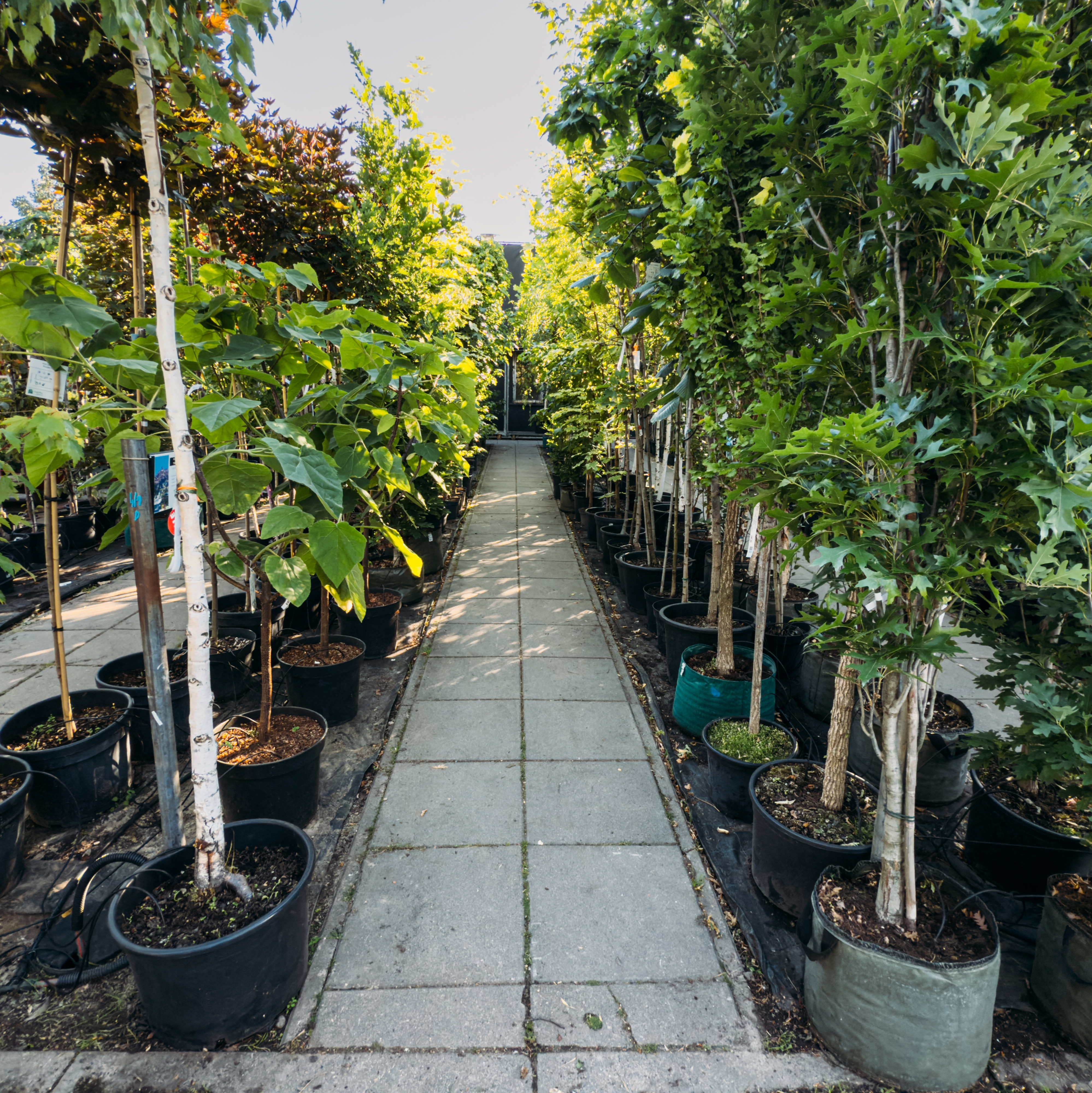
Container-grown trees

Container-grown trees have been cultivated in pots, allowing their root systems to remain largely undisturbed when planted. They are widely available throughout the year and offer the greatest flexibility for planting.

Although they can be planted during most seasons, autumn and winter generally provide the best growing conditions, with cooler temperatures and naturally moist soil helping roots establish more easily.

Rows of container-grown trees in a commercial nursery
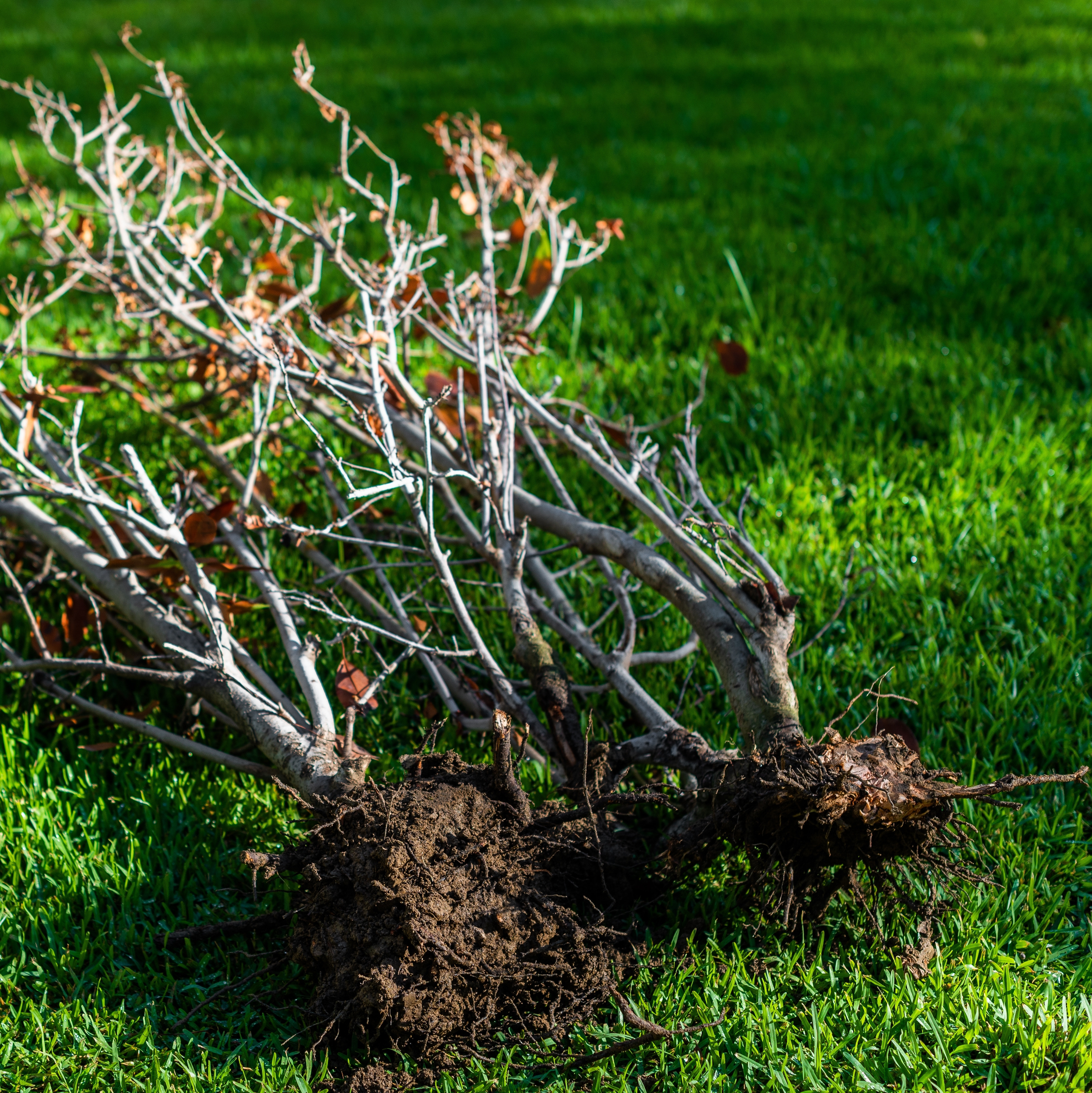
Bare root trees ready to be planted

Bare-root trees

Bare-root trees are grown in the ground before being lifted during their dormant period. They are supplied without soil around the roots and should be planted while dormant, typically between late autumn and early spring.

Because the roots are exposed, they should never be allowed to dry out before planting.

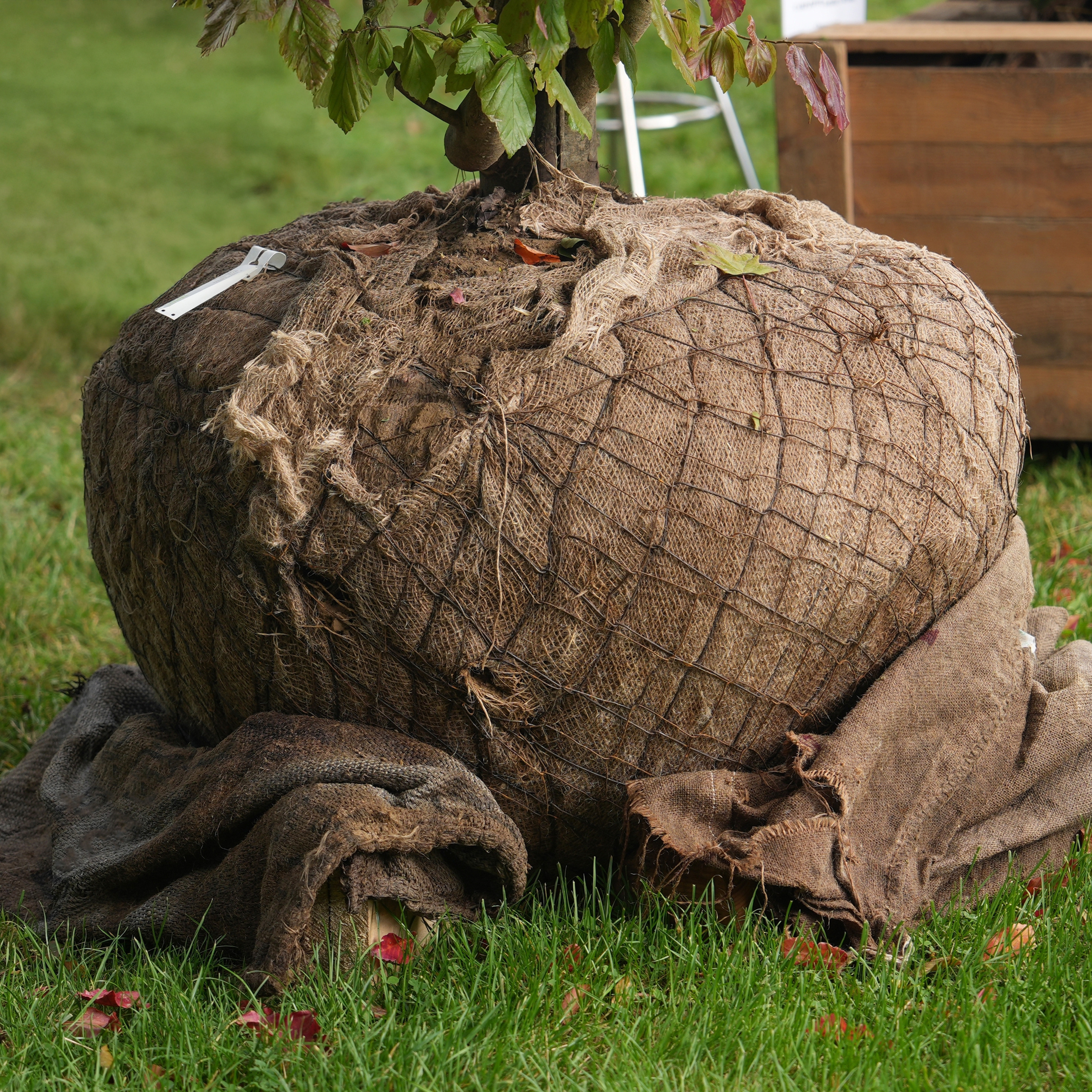
Root-balled trees

Root-balled trees are field-grown and lifted with a ball of soil surrounding the roots, which is usually wrapped in hessian or a biodegradable material.

Like bare-root trees, they are planted during the dormant season and are commonly used for larger trees where retaining the root system improves establishment.

Root-balled tree ready for transporting to planting site

πŸ“… When Is the Best Time to Plant a Tree?

For most trees, autumn is the best time to plant. The soil is still warm after summer, encouraging root growth before winter, while cooler temperatures and more reliable rainfall reduce stress on newly planted trees.

Winter and early spring are also suitable planting seasons, provided the ground is not frozen or waterlogged.

The timing then depends on how the tree has been grown:

  • Bare-root trees should be planted during the dormant season, typically from late autumn until early spring.
  • Root-balled trees are also planted while dormant, allowing the root system to establish before active growth begins.
  • Container-grown trees can be planted throughout much of the year because their roots remain undisturbed. However, autumn remains the preferred planting season, as it encourages quicker establishment and usually reduces the need for supplementary watering.

πŸ‘‰ Expert Tip: If planting a container-grown tree during late spring or summer, water deeply and consistently during dry spells until the tree is well established.

πŸ“ Choosing the Right Location

A tree will most likely remain in the same position for decades, so choosing the right location is as important as planting it correctly.

Before planting, consider:

  • the tree’s mature height and spread
  • nearby buildings, walls and boundaries
  • overhead cables
  • underground drains or utilities
  • the amount of sun or shade the site receives
  • soil type and drainage

Allowing enough space for future growth reduces the need for heavy pruning later and helps the tree develop its natural shape.

If planting close to other trees or large shrubs, remember that competition for light, water and nutrients will increase as the plants mature.

🌱 Step-by-Step Tree Planting

Step 1 – Prepare the Planting Hole

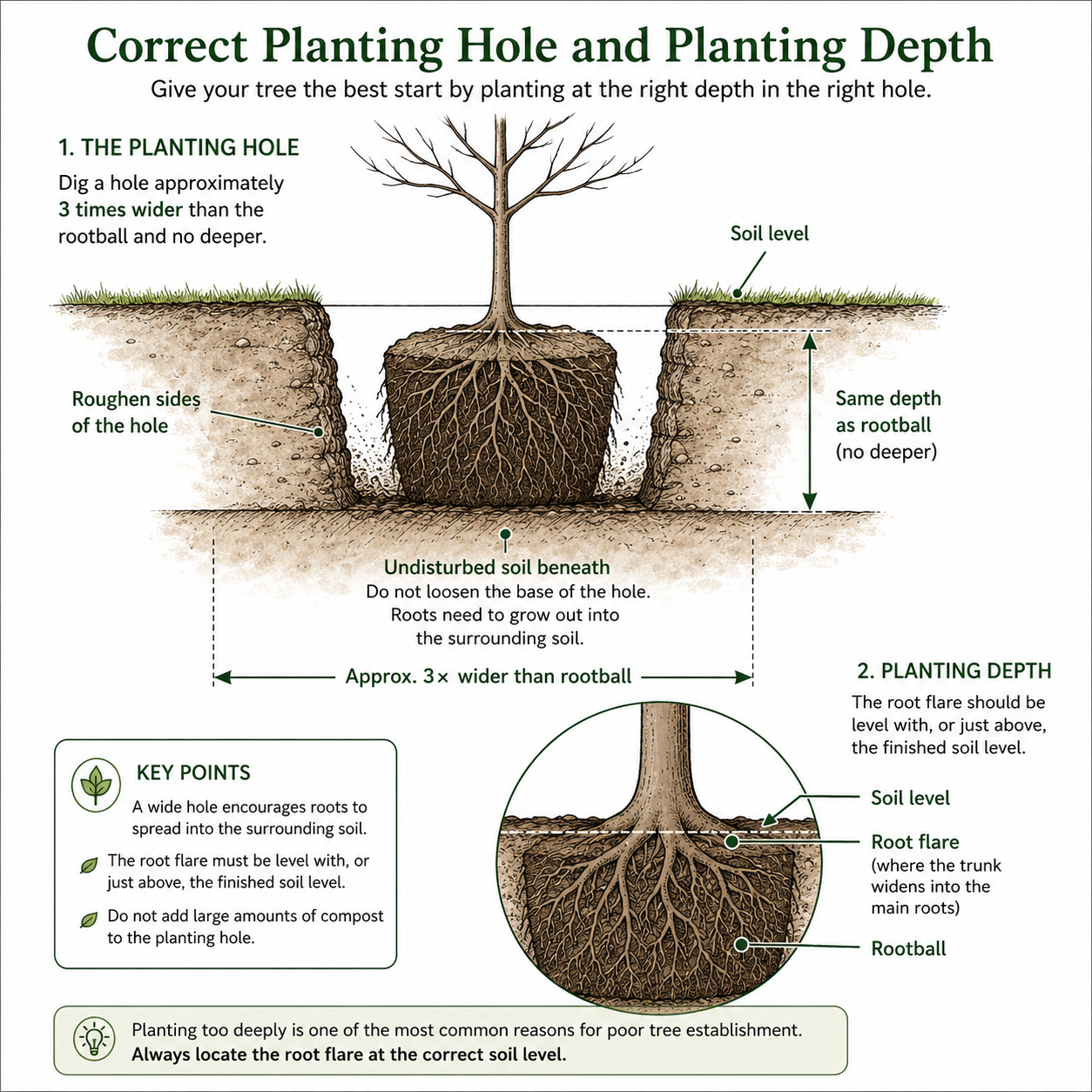
Dig a planting hole approximately three times wider than the root system and no deeper than the rootball or root spread.

A wide planting hole encourages roots to spread into the surrounding soil, while a square hole can help prevent roots from continuing to circle within the original planting area.

Before planting, check the soil conditions:

  • Heavy clay: Loosen the sides and base of the hole with a garden fork to prevent glazing.
  • Very sandy soil: Mix a little organic matter into the excavated soil to improve moisture retention.
  • Compacted ground: Fork over the surrounding area to encourage roots to spread more easily.

Avoid filling the hole entirely with compost. Using mainly the excavated soil encourages roots to establish beyond the planting hole.

Step 2 – Position the Tree

Place the tree in the hole so the root flareβ€”where the trunk widens into the main rootsβ€”sits at, or just above, the finished soil level.

Lay a bamboo cane or straight piece of timber across the hole to check the planting depth before backfilling.

For bare-root trees, spread the roots out naturally without bending or forcing them. If the rootball is wrapped in biodegradable hessian, loosen or fold it back from the top of the rootball once the tree is in position, following the supplier’s guidance.

πŸ‘‰ Expert Tip: Planting too deeply is one of the most common causes of poor establishment. Always position the root flare at the correct soil level rather than relying on the compost level in the container.

Diagram showing how to plant a tree correctly, including the recommended planting hole dimensions, root flare at soil level and proper planting depth.

Step 3 – Backfill and Firm

Refill the planting hole with the excavated soil, working it gently around the roots to remove air pockets.

Firm the soil carefully with the heel of your boot as you go, ensuring the tree remains upright.

Step 4 – Water Thoroughly

Water generously immediately after planting to settle the soil around the roots and ensure good contact between the roots and the surrounding soil. As the water soaks in, you may notice air bubbles rising to the surface as any remaining air pockets around the roots are filled.

Step 5 – Apply Mulch

Apply a layer of organic mulch, such as composted bark, leaf mould or well-rotted garden compost, around the base of the tree.

Mulch helps to:

  • conserve soil moisture
  • suppress weeds
  • regulate soil temperature
  • gradually improve soil structure

Leave a small gap around the trunk to allow air to circulate and reduce the risk of the bark remaining damp.

Step 6 – Stake the Tree if Necessary

Not every tree requires staking, but larger trees or those planted in exposed locations will benefit from temporary support while they establish.

Drive the stake into the ground at a 45Β° angle before attaching the tree with a flexible tree tie. Position the stake on the side of the prevailing wind so the tree is supported without excessive movement.

Check the tree tie regularly and remove the stake once the tree has established a strong root system, usually after one or two growing seasons.

πŸ‘‰ Expert Tip: A tree should be able to move slightly in the wind. Gentle movement encourages the trunk to strengthen, whereas staking too rigidly can slow natural development.

πŸ’§ Watering and Aftercare

Newly planted trees need regular watering while their root systems become established. How often you need to water will depend on the weather, soil type and the size of the tree, but the aim is always to encourage deep rooting rather than frequent, shallow watering.

During the first growing season:

  • Water thoroughly during prolonged dry spells.
  • Apply enough water to soak the root zone rather than just wetting the soil surface.
  • Check the soil beneath the mulch before watering, as the surface may appear dry while the soil below remains moist.
  • Container-grown trees planted during spring or summer are likely to require more frequent watering than those planted in autumn.

Maintain a layer of organic mulch around the base of the tree, topping it up as it gradually breaks down to help conserve moisture and improve the soil.

πŸ‘‰ Expert Tip: It’s better to water deeply once or twice a week during dry weather than to apply small amounts every day. Deep watering encourages roots to grow down into the soil, making the tree more resilient during future dry periods.

🌿 Caring for Your Tree During Its First Year

The first year is the most important for helping a newly planted tree establish a healthy root system. Regular checks and simple routine maintenance will help keep your tree healthy as it settles into its new position.

  • Keep the area around the base free from weeds and grass to reduce competition for water and nutrients.
  • Inspect stakes and tree ties regularly, ensuring they remain secure without rubbing or restricting the trunk. Remove them once the tree is firmly established.
  • Check the tree after strong winds or heavy rain, firming the soil if it has loosened and looking for damaged branches or signs of pests and diseases.

πŸ‘‰ Expert Tip: Spending a few minutes checking a newly planted tree every couple of weeks can help identify small problems before they become more difficult to correct.

🏑 Visit Our Garden Centre

Choosing the right tree is only the first step. Careful planting and good aftercare will help it establish quickly and thrive for many years.

πŸ‘‰Β Visit usΒ inΒ Kington. Our knowledgeable team can help you choose the right tree for your garden and offer practical advice on planting and aftercare. You’ll also find ties, compost, mulches and other planting essentials to give your new tree the best possible start.