
How to grow tomatoes : A Quick Guide

🍅 How to Grow Tomatoes: A Quick Guide

There is nothing quite like the flavour of home-grown tomatoes picked fresh from the vine on a warm summer day. Tomatoes can be grown successfully in vegetable beds, greenhouses and containers, making them a great choice for gardens and growing spaces of many sizes.

This beginner-friendly guide takes you through growing tomatoes from sowing seeds and caring for young plants to feeding, watering and harvesting ripe fruits. You’ll also find practical tomato growing tips for keeping plants healthy, encouraging a good crop and getting the best flavour from your tomatoes.

Close-up view of fresh tomatoes on the vine

🌱 Bush or Cordon Tomatoes?

For a first attempt at growing tomatoes, there is no need to get too caught up in finding the perfect variety. More useful is understanding how the plant grows, because this affects the space, support and pruning it will need.

Tomatoes are generally divided into two main growing types: bush and cordon.

Bush Tomatoes

Bush tomatoes grow to a more compact size and are particularly useful where space is limited. They can be grown in pots, containers, raised beds and other suitable sunny positions.

Most bush varieties require little pruning and their side shoots should not normally be removed. Plants may still benefit from support once they become laden with fruit, particularly if stems begin to bend under the weight.

For a beginner who wants a relatively low-maintenance tomato plant, a bush variety can be a good place to start.

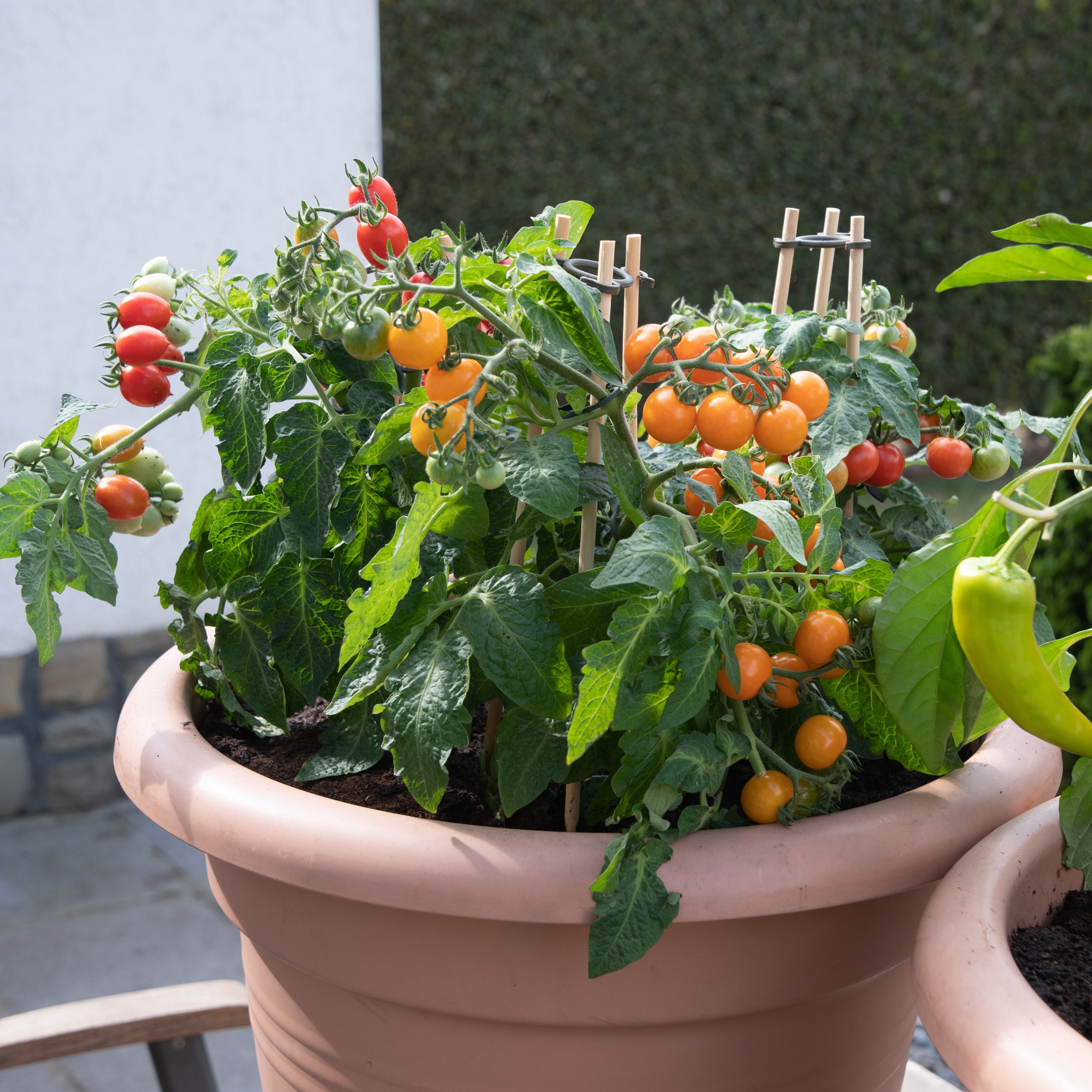
Bush tomato plants growing in a patio pot with ripening cherry tomatoes.
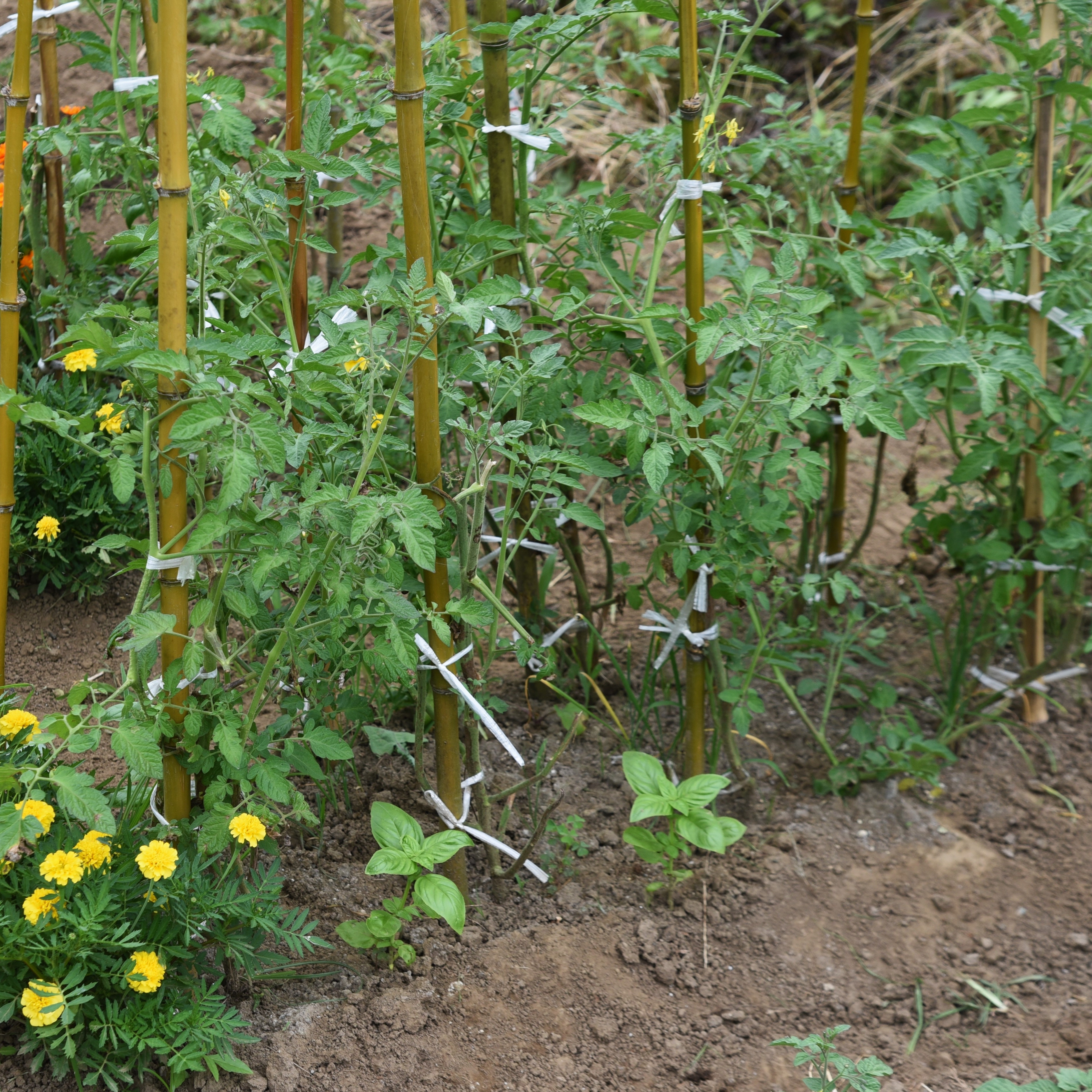
Rows of young cordon tomatoes being supported by ties and canes

Cordon Tomatoes

Cordon tomatoes grow upwards on a single main stem and continue producing trusses of fruit as the plant develops. They are commonly grown in greenhouses, grow bags and sunny, sheltered positions outdoors.

Unlike bush tomatoes, cordons need regular support. Tie the main stem loosely to a cane or other support as it grows and remove the side shoots that appear between the main stem and leaves.

This keeps the plant manageable and concentrates growth along the main fruiting stem.

🍅 Popular Tomato Types

Once you’ve decided between bush and cordon, choosing the fruit itself is largely a matter of preference. For a first crop, simply pick a tomato you enjoy eating.

Cherry

Small, sweet tomatoes that are ideal for salads, lunchboxes and eating straight from the plant.

Plum

Fleshy, oval-shaped tomatoes often chosen for sauces and cooking.

Salad

Medium-sized tomatoes that are useful for sandwiches, salads and everyday cooking.

Beefsteak

Large, fleshy tomatoes that produce substantial slices and are particularly good in sandwiches and burgers.

🌿 How to Sow Tomato Seeds

Tomatoes need a reasonably long growing season, so seeds are generally sown indoors during spring where they can germinate in warm, protected conditions.

Step-by-Step Seed Sowing

  1. Fill small pots or seed trays with seed compost.
  2. Sow the seeds according to the instructions on the packet and cover lightly with compost.
  3. Water gently and allow excess moisture to drain.
  4. Place somewhere warm and bright.
  5. Keep the compost moist but not waterlogged while the seeds germinate.

Once seedlings appear, remove any covering and give them plenty of light to prevent weak, leggy growth.

When the seedlings are large enough to handle comfortably, transplant them individually into small pots and continue growing them somewhere bright and protected.

Hardening Off Tomato Plants

Tomato plants raised indoors need time to adjust before being planted outside. Once the risk of frost has passed, gradually acclimatise them to outdoor conditions over a week or two.

Start by placing plants outside in a sheltered position during the day and bringing them back under cover at night. Gradually increase the amount of time they spend outside before planting them in their final position.

Pro Tip: Rotate seedlings growing on a windowsill regularly so they don’t continually lean towards the light.

☀️ Best Conditions for Growing Healthy Tomato Plants

Tomatoes need warmth, plenty of light and consistent moisture to grow and fruit well. A sunny, sheltered position is ideal for outdoor plants, while greenhouses provide the additional warmth that some varieties prefer.

Good airflow is also important, particularly when plants are grown under cover, as crowded and humid conditions can encourage problems.

 
TopicAdvice
Soil and CompostUse nutrient-rich, well-drained soil or compost to support healthy growth. Grow bags and large containers are ideal for smaller spaces.
Watering Tomatoes ProperlyWater consistently to prevent split fruits, blossom end rot, and plant stress. Water deeply at the base of the plant rather than over the leaves.
Feeding ScheduleOnce fruits begin forming, feed every two weeks with a high-potash tomato fertiliser to encourage stronger growth and heavier crops.

Watering Tomatoes

Consistent watering becomes particularly important once fruit begins to develop. Allowing plants to become very dry and then giving them large amounts of water can contribute to problems such as fruit splitting.

Container-grown tomatoes may need particularly close attention during hot weather because their compost dries much more quickly than garden soil.

🍅 How to Harvest Tomatoes

Tomatoes are generally ready to harvest once they have developed their mature colour and the fruits come away readily from the plant. Pick them individually as they ripen rather than waiting for an entire truss to be ready.

Regular picking means you can enjoy each tomato at its best and keep an eye on the remaining crop.

Freshly harvested tomatoes are generally best stored at room temperature rather than in the refrigerator, where low temperatures can affect flavour and texture.

Pro Tip: At the end of the growing season, pick remaining mature green tomatoes before cold weather damages them. They can be brought indoors to ripen or used while still green in recipes such as chutney.

🐛 Common Tomato Problems

Checking tomato plants regularly makes it easier to spot changes in leaves, stems and fruit before a problem becomes widespread.

🍂 Blight

Tomato blight is a fungal-like disease that can spread rapidly during warm, wet weather.

Signs can include:

  • Brown patches on leaves
  • Dark lesions on stems
  • Brown, firm patches developing on fruit

Remove affected material promptly and avoid leaving infected plant material around the growing area. Providing good airflow and avoiding unnecessary wetting of foliage may help reduce conditions favourable to infection.

If blight has been a recurring problem, consider choosing a variety bred for increased resistance.

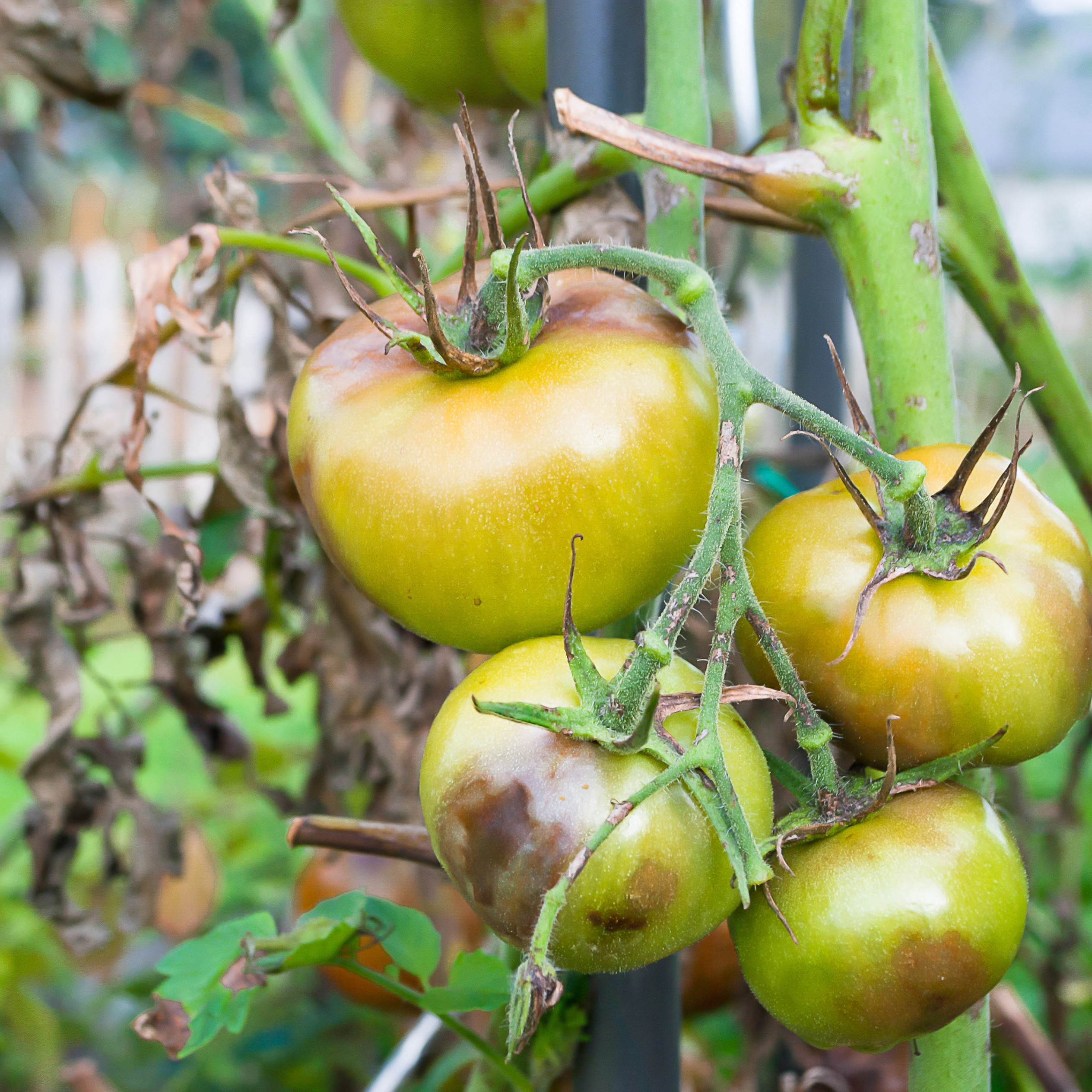
Ripening tomatoes with blight symptoms, including brown fruit lesions and dying leaves.
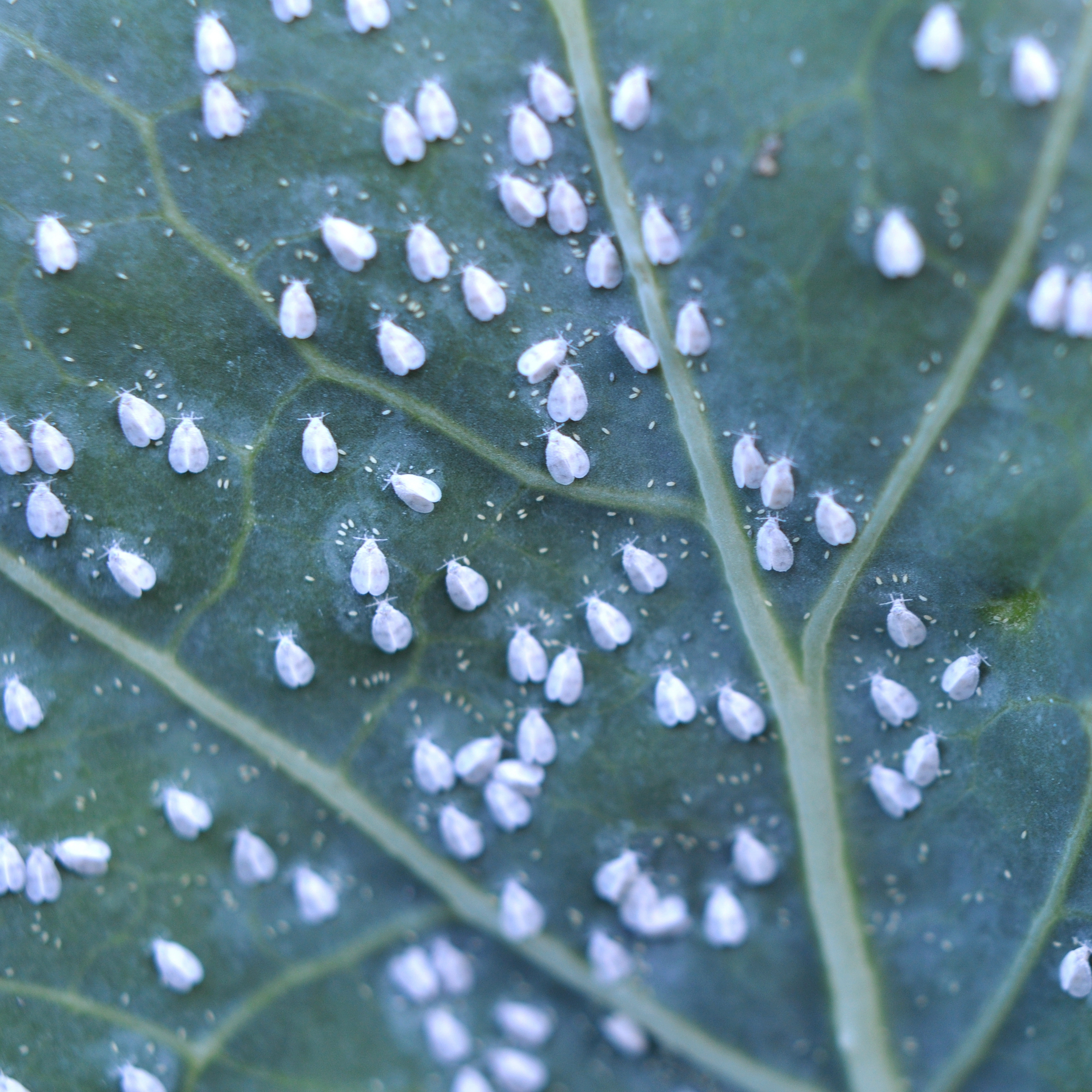
Whitefly can affect tomatoes, particularly those grown in greenhouses or other protected environments.

🪰 Whitefly

Whitefly are tiny sap-feeding insects commonly encountered on plants grown under cover.

Look for:

  • Tiny white insects flying up when foliage is disturbed
  • Insects clustered beneath leaves
  • Sticky honeydew on foliage
  • Weak or yellowing growth where infestations are severe

Check the undersides of leaves regularly. Biological controls and sticky traps can be useful in greenhouses, while encouraging natural predators can help with outdoor plants.

🌿 Less Common Pests and Diseases

Less common, but still potentially devastating if left untreated, these tomato problems can quickly affect plant health and reduce harvests.

🕸️ Red Spider Mite

Red spider mites favour warm, dry conditions and can become troublesome in greenhouses.

Affected leaves may become pale or mottled, and severe infestations can produce fine webbing around the foliage. Check plants regularly during prolonged hot, dry weather so infestations can be tackled early.


⚫ Blossom End Rot

Blossom end rot causes a dark, sunken patch at the base of developing fruit. Although associated with calcium uptake, it is commonly triggered when inconsistent moisture prevents the plant from taking up calcium effectively.

Keep plants evenly watered and pay particular attention to tomatoes growing in containers and grow bags, which can dry out quickly during warm weather.

🌿 Getting More from Your Tomato Plants

A few good habits can make tomato plants easier to manage and help maintain healthy growth through the season.

Give Plants Enough of Space

Avoid crowding plants together. Adequate spacing improves airflow and gives leaves better access to light. As a general guide, allow around 45–60cm between plants, although larger varieties may need more room

Water Consistently

Check plants regularly during warm weather rather than allowing the compost or soil to alternate repeatedly between very dry and saturated.

Feed Once Fruits Begin to Develop

Tomatoes grown in containers have limited access to nutrients. Once fruit begins forming, feed according to the instructions for your chosen tomato fertiliser.

Keep Cordon Tomatoes Under Control

Continue tying cordon tomatoes to their supports and removing side shoots as they appear. Bush tomatoes should generally be allowed to develop naturally without side-shoot removal.

Harvest Regularly

Pick tomatoes as they ripen and enjoy them fresh from the plant.

🌿 Extra Tomato Growing Tips for Beginners

If you are new to growing tomatoes, these simple habits can make a huge difference to the health and productivity of your plants:
  • Use large containers with drainage holes
  • Mulch around plants to retain moisture
  • Avoid overcrowding
  • Rotate crops yearly if growing in soil
  • Harvest regularly to encourage more fruits

If it is too late in the season to sow seeds, ready-grown tomato plants are a great alternative and can still provide excellent harvests with the right care.

Tomatoes are one of the easiest and most rewarding edible crops to grow, making them perfect for gardeners of all experience levels.

🌱 Starting with Ready-Grown Tomato Plants

You don’t have to grow tomatoes from seed. Ready-grown plants are an excellent option for beginners and for anyone who has missed the spring sowing period.

Starting with an established young plant means you can move straight on to planting and ongoing care, before enjoying the best part: harvesting your own tomatoes.

🌼 Visit Our Garden Centre in Kington

Growing tomatoes doesn’t need to be complicated. Give plants plenty of light, consistent water and suitable support, and keep an eye on them as they develop through the summer.

At our garden centre, you’ll find tomato plants during the growing season along with gardening products to support them from planting through to harvest. Practical advice is also available if you need help getting started or dealing with a problem.

👉 Visit us in Kington for practical advice and gardening essentials to support your tomatoes from planting through to harvest.