🌿 15 Gardening Tips for July: Keep Your Garden Thriving All Summer
July is one of the most rewarding months in the garden. With long, warm days and plants growing at full speed, it’s the perfect time to enjoy your outdoor space.
These 15 gardening tips for July will help you stay on top of essential jobs, boost flowering, and maximise your harvest.
🌸 1. Sow Biennials for Next Year’s Blooms
Plan ahead by sowing biennials such as:
Foxgloves
Wallflowers
Honesty
Sow into trays or modules and grow on in a sheltered spot.
👉 Pro Tip: Transplant young plants in autumn for strong spring flowering.
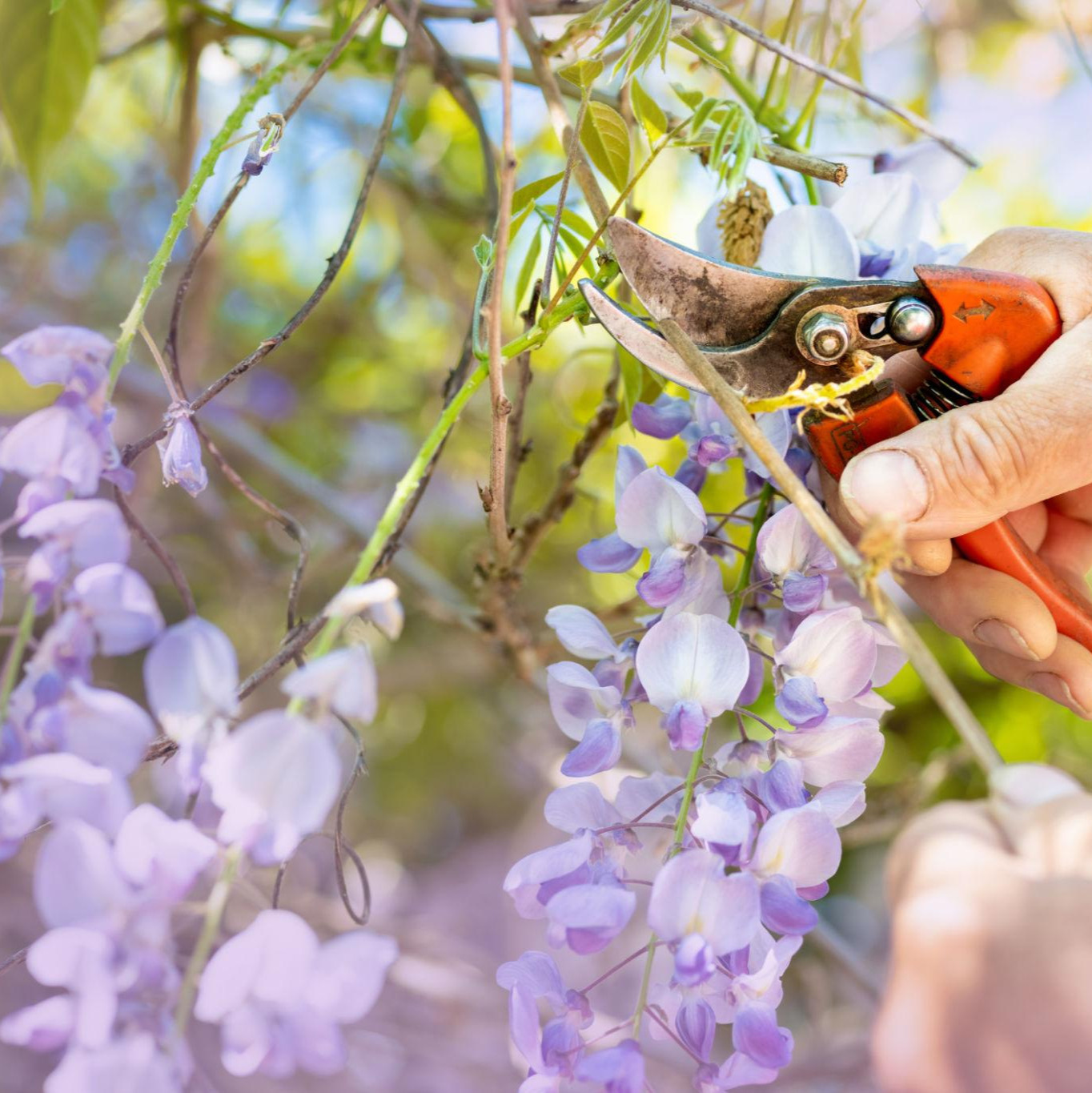
July is the perfect time to prune wisteria and keep this vigorous climber under control. Done correctly, summer pruning encourages better flowering and prevents the plant from becoming unruly.
✂️ How to Prune Wisteria in Summer
Cut back long, whippy side shoots to around 5–6 leaves from the main framework
Focus on this season’s growth, not the older woody structure
Remove any tangled, overcrowded, or wayward stems to improve airflow
Tie in strong new shoots to your support to build future structure
🌱 Pro Tips for Best Results
Use sharp, clean secateurs for precise cuts and to prevent disease
Avoid cutting back the main structural branches unless reshaping
Combine with a winter prune for maximum flowering potential
Feed with a balanced fertiliser after pruning to support recovery
🥬 6. Keep Sowing Salad Crops
For a continuous harvest:
Sow lettuce every 2–3 weeks
Grow in partial shade during hot weather
Use gaps where earlier crops (like potatoes or peas) have been harvested
This makes the most of your growing space and keeps beds productive throughout summer.
👉 Prevents bolting, keeps leaves tender, and maximises your garden’s yield with succession planting
🐛 7. Watch for Pests and Diseases
Warm conditions bring increased pest activity.
Check leaves daily for damage
Remove pests by hand where possible
Encourage beneficial insects like ladybirds
👉 Early action prevents bigger problems later.
🌻 8. Keep Containers and Baskets Hydrated
Pots and hanging baskets dry out much faster than garden beds, especially during summer, so they need extra attention to stay healthy and vibrant.
Water daily, ensuring it drains from the base to fully soak the roots. For better water efficiency, place pots in a trough so they can absorb moisture from below.
Feed regularly with a liquid fertiliser every 1-2 weeks
Group pots and baskets together to help reduce moisture loss
Use water-retaining compost or add water gel crystals to help maintain consistent moisture levels
Remove faded flowers and dead leaves to keep plants looking fresh and encourage new blooms
🥕 9. Keep Harvesting Little and Often
Regular harvesting of your kitchen garden keeps plants productive.
Pick courgettes while small
Harvest beans frequently
Check crops daily during peak season
👉 The more you harvest, the more your plants will produce.
🔶 10. Control Weeds Before They Spread
Weeds grow rapidly in warm weather and compete with your plants for water, nutrients, and light. Staying on top of them early will save time and protect your garden’s productivity.
Hoe regularly on dry days to cut weeds off at the root and let them dry out on the surface
Remove weeds before they flower and set seed to prevent them spreading further
Focus on young weeds, which are much easier to remove than established ones
Apply a layer of mulch such as compost, bark, or straw to suppress new growth and retain moisture
Hand-weed around delicate plants to avoid disturbing roots
Keep pathways and edges clear to stop weeds creeping into beds
👉 Pro tip: Weed after rainfall or watering when the soil is moist. Roots come out more easily, making the job quicker and more effective.
🌿 11. Take Cuttings
July is an ideal time to propagate plants, as many shrubs are producing strong, healthy growth that roots easily.
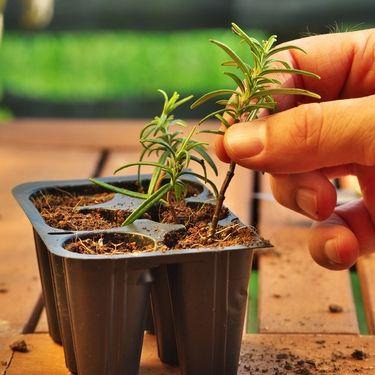
Take softwood cuttings from shrubs such as lavender, fuchsia, and hydrangea
Choose healthy, non-flowering shoots about 10–15cm long for the best success rate
Remove the lower leaves and trim just below a leaf node to encourage root development
Insert cuttings into moist, free-draining compost and firm gently in place
Keep cuttings in a warm, sheltered spot out of direct sunlight
Cover with a propagator lid or a clear plastic bag to retain humidity
👉 Pro tip: Check cuttings regularly for moisture levels and ventilation. Too much moisture can cause rot, while too little will slow root formation.
🌼 12. Refresh Summer Bedding Plants
Keep your displays looking vibrant throughout the season.
Remove tired or leggy growth to encourage fresh blooms
Deadhead regularly to prolong flowering
Feed weekly with a liquid fertiliser for continuous colour
Replace any struggling plants to maintain impact
👉 Pro tip: A mid-season trim can revitalise bedding plants and produce a second flush of flowers.
🪴 13. Harvest Herbs Regularly
Frequent harvesting keeps herbs productive and full of flavour.
Pick herbs like basil, mint, and parsley regularly
Cut above a leaf joint to encourage bushier growth
Allow some plants to flower, then collect seeds once they have dried for future sowing
Use fresh or dry for later use
👉 Pro tip: Morning is the best time to harvest herbs when their essential oils are strongest.
🛠️ 14. Check and Maintain Garden Tools
Keeping your tools clean and well-maintained not only makes gardening easier but also helps protect your plants from damage and disease. Here’s how to care for your most-used garden tools.
Remove soil and debris with a stiff brush or water
Dry tools thoroughly to prevent rust
Clean blades after working with diseased plants
👉 Pro tip: Keep a bucket of sand mixed with a little oil to quickly clean and protect metal tools.
Apply oil to hinges on secateurs, loppers, and shears. Sharpen blades regularly to ensure clean cuts and reduce strain on plants
Wipe metal surfaces with an oily cloth to prevent rust
Keep moving parts smooth and easy to use
👉 Pro tip: A light household oil works well and only needs to be applied sparingly.
Hang tools up to keep them dry and organised
Avoid leaving tools outside in wet conditions
Use racks or hooks to prevent damage
👉 Pro tip: Good storage not only protects your tools but also saves time when gardening.
☀️ 15. Ventilate Greenhouses and Polytunnels
In July, temperatures inside greenhouses and polytunnels can rise quickly, putting plants under stress.
Open vents, doors, and windows daily to improve airflow
Use shading or netting to reduce intense sunlight
Water floors or damp down surfaces to help cool the space
Monitor temperature to prevent overheating
👉 Pro tip: Automatic vent openers are a simple upgrade that helps regulate temperature, even when you’re not around.
🌟 Conclusion: Stay Consistent for Summer Success
July is all about consistency. With regular watering, feeding, and harvesting, your garden will continue to thrive and reward you with colour, flavour, and beauty.
These gardening tips for July will help you stay in control during the busiest part of the season and make the most of everything your garden has to offer.
🌿 Visit Our Garden Centre in Kington
👉 Visit us in Kington today for expert advice, seasonal plants, tools, and everything you need to keep your garden thriving this summer.
We use cookies to ensure that we give you the best experience on our website. If you continue to use this site we will assume that you are happy with it.