General Pruning Advice: How to Keep Your Garden Healthy, Tidy and Thriving
Every gardener has stood in the garden at some point and thought, โThat plant really needs cutting back.โ But knowing how to prune garden plants properly, and when to prune shrubs and trees, can feel confusing. Cut too much and you risk damaging the plant. Cut too little and it can quickly become overgrown, weak or untidy.
The good news is that pruning does not need to be complicated. With the right timing, a few essential tools and some simple techniques, you can improve flowering, encourage healthy growth and keep your garden looking its best throughout the year.
In this guide, we share practical, easy-to-follow garden pruning advice for perennials, shrubs and trees, along with expert tips to help you prune confidently.
โ๏ธ Why Pruning Matters
Pruning is about far more than simply tidying up plants. Done correctly, it can:
- Encourage stronger, healthier growth
- Improve flowering and fruit production
- Remove dead or diseased stems
- Improve air circulation
- Prevent plants becoming overcrowded
- Shape shrubs and trees attractively
- Extend the life of many garden plants
Regular pruning also helps you spot pests, disease or damage before they become bigger problems.
๐ Expert Tip: Always prune on a dry day whenever possible. Wet conditions can spread fungal diseases between plants and make cuts slower to heal.
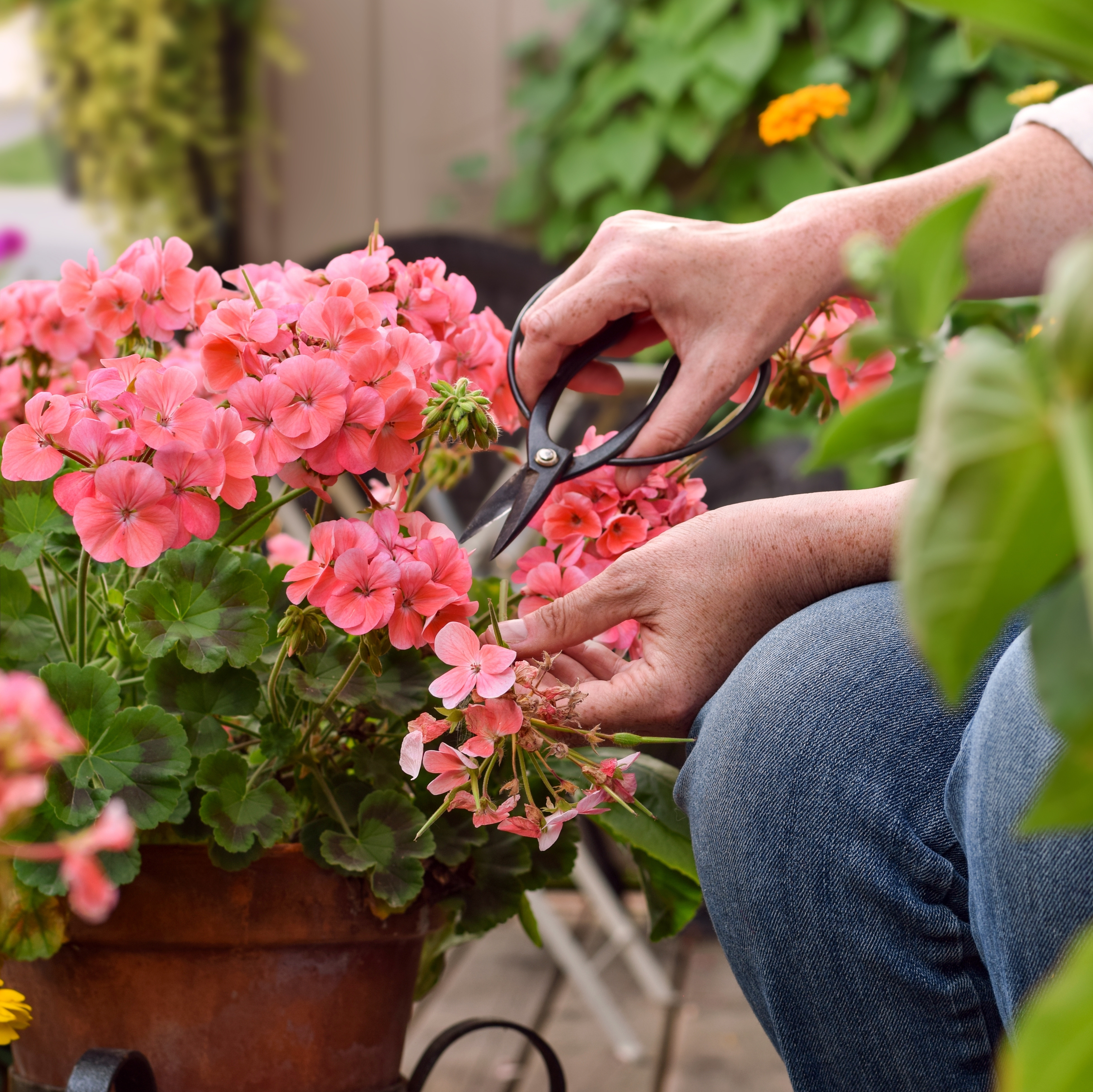
๐ฟ How to Prune Garden Plants: Cutting Back Perennials
Gardeners often wonder whether herbaceous perennials should be cut back in autumn or left standing through winter.
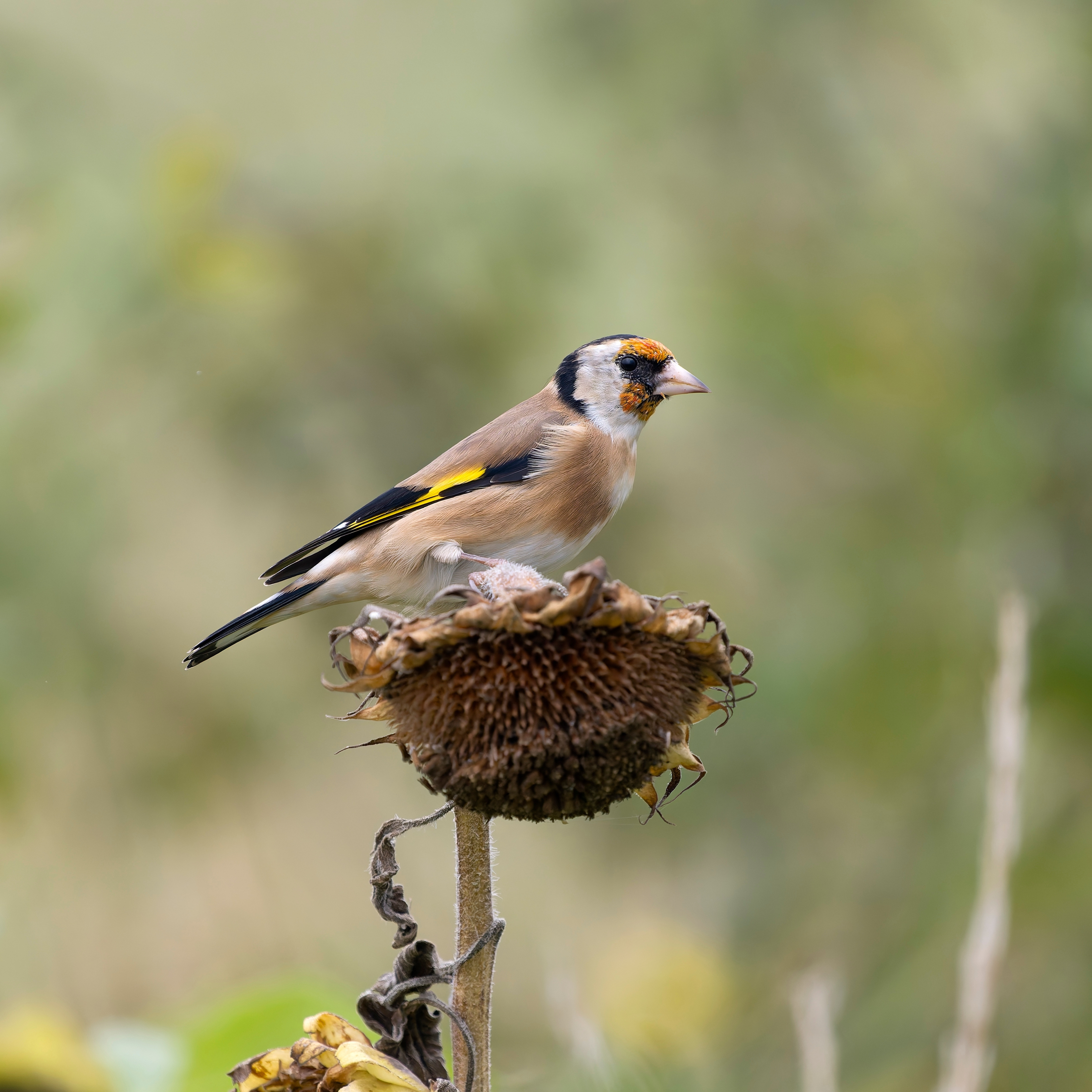
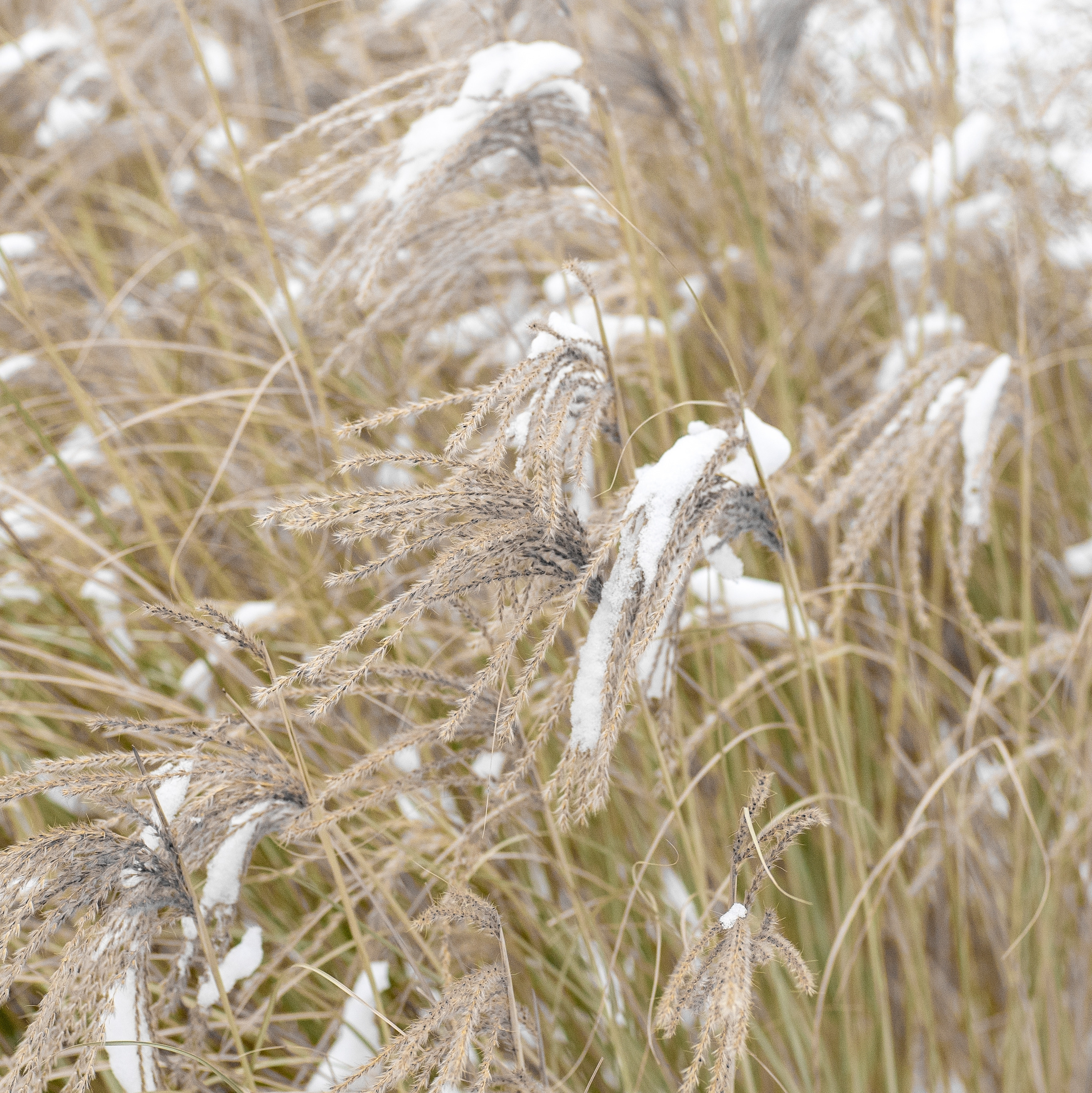
Frosted seed heads can look beautiful on crisp winter mornings, and leaving some stems in place provides valuable shelter for insects and seeds for birds. Standing growth can also offer some protection to plants during colder weather.
In wet UK gardens, however, some perennial growth can quickly collapse and become soggy or untidy. Cutting back plants that have finished for the season can make borders easier to manage, while leaving selected stems and seed heads standing provides winter interest and supports garden wildlife.
Hardy Herbaceous Perennials
Cut flowering stems back to ground level in autumn and remove damaged foliage.
Examples include:
- Delphiniums
- Geraniums
- Phlox
- Peonies
Removing old growth helps improve airflow around the crown of the plant and reduces the risk of pests and fungal diseases over winter.ย
Evergreen Perennials
Do not cut these plants back to ground level. Instead, remove only tired, damaged or dead leaves as needed.
Examples include:
- Hellebores
- Euphorbias
- Bergenias
Removing old hellebore leaves also helps reduce the spread of leaf spot disease while allowing winter flowers to shine.
Half-Hardy Perennials
Leave these plants standing over winter, as their stems help protect fresh growth from frost damage.
Examples include:
- Penstemons
- Verbena bonariensis
- Salvia microphylla
In spring:
- Cut plants back once new shoots appear
- Remove dead or damaged stems
- Avoid cutting into healthy new growth
๐ Pro Tip: If you are unsure whether a plant should be cut back, wait until spring. New shoots will show you exactly where healthy growth begins.
๐ณ When to Prune Shrubs and Trees
Understanding when to prune shrubs and trees is essential because different plants flower and grow at different times. Pruning at the correct time encourages stronger growth, better flowering and healthier plants overall.
As a general guide:
- Spring-flowering shrubs should usually be pruned after flowering
- Summer-flowering shrubs are best pruned in late winter or early spring
- Most deciduous trees can be pruned during winter dormancy
- Avoid pruning during periods of hard frost
Spring-Flowering Shrubs
These shrubs bloom on growth produced the previous year, so pruning too early can remove developing flower buds.
Examples include:
- Forsythia
- Lilac
- Weigela
- Flowering currant
Lightly trim and reshape these shrubs once flowering has finished to maintain healthy growth and encourage blooms next season.
Summer-Flowering Shrubs
These varieties flower on new growth produced in the current season, making them ideal candidates for harder spring pruning.
Examples include:
- Buddleia
- Dogwood
- Lavender
- Hydrangea paniculata
Cut back old growth in late winter or early spring to encourage vigorous new shoots and stronger flowering displays.
๐ Expert Tip: Always remove dead, damaged and diseased wood first before shaping a shrub or tree. This instantly improves airflow and helps you see the plantโs natural structure more clearly.
Essential Garden Pruning Advice
Good pruning technique is just as important as timing. A few careful cuts will always give better results than aggressive pruning.
Follow these simple rules:
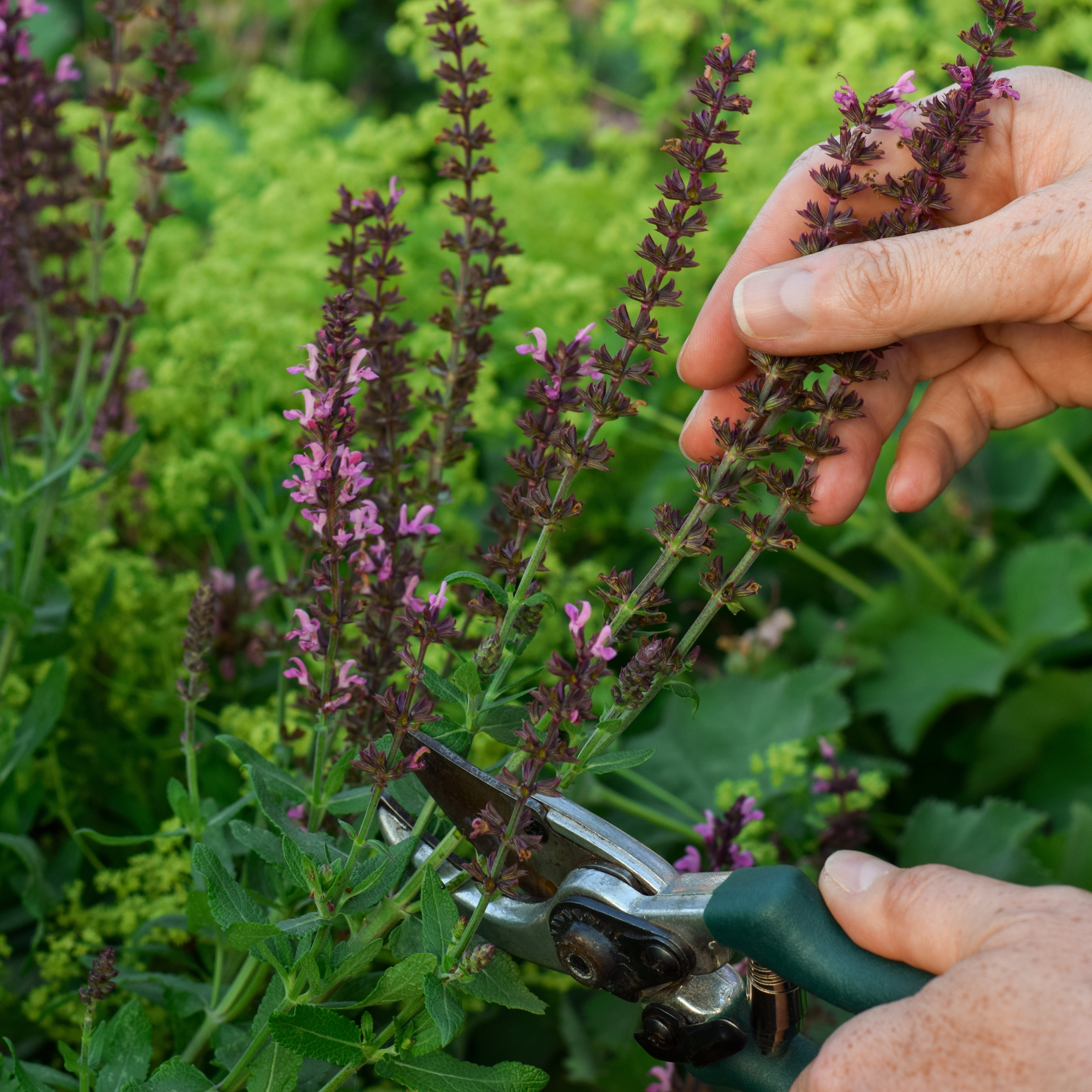
- Use sharp, clean secateurs for neat cuts
- Cut just above an outward-facing bud
- Make clean cuts close to the main stem or just above a healthy bud
- Step back regularly to check the shape
- Remove crossing or overcrowded branches
- Cut large branches back in stages for safety
Many pruning problems are caused by rushing or removing too much growth at once. Taking your time helps maintain a natural shape and reduces stress on the plant.
When pruning larger branches:
- Remove weight gradually from the branch tip inward
- Support heavy branches where possible
- Avoid tearing bark during removal
- Use the correct tool for the branch thickness
๐ Pro Tip: Cleaning secateurs between plants can help prevent fungal diseases spreading around the garden.
๐ Seasonal Pruning Calendar
Spring
- Cut back penstemons
- Prune buddleia and dogwood
- Remove winter-damaged growth
Summer
- Deadhead flowering perennials
- Lightly trim hedges
- Prune spring-flowering shrubs after blooming
Autumn
- Cut back hardy herbaceous perennials
- Remove diseased foliage
- Tidy borders before winter
Winter
- Prune dormant deciduous trees
- Remove crossing branches
- Avoid pruning during severe frost
๐ Wildlife-Friendly Pruning
Pruning can also support wildlife when approached thoughtfully. Leaving selected seed heads and hollow stems over winter provides shelter for insects and food for birds during colder months.
You can make your garden more wildlife-friendly by:
- Leaving some perennial seed heads standing
- Creating small habitat piles with prunings
- Delaying pruning on selected plants until spring
- Avoiding excessive cutting during nesting season
Balancing tidy borders with wildlife-friendly gardening creates a healthier and more natural garden environment.
๐ Expert Tip: Leave a small section of your garden slightly wild during winter to support pollinators and beneficial insects.
๐งค Essential Tools and Equipment for Pruning
Using the right tools makes pruning easier, safer and far more effective.
Useful pruning tools include:
- Bypass secateurs for precise cuts
- Loppers for thicker stems
- Pruning saws for mature branches
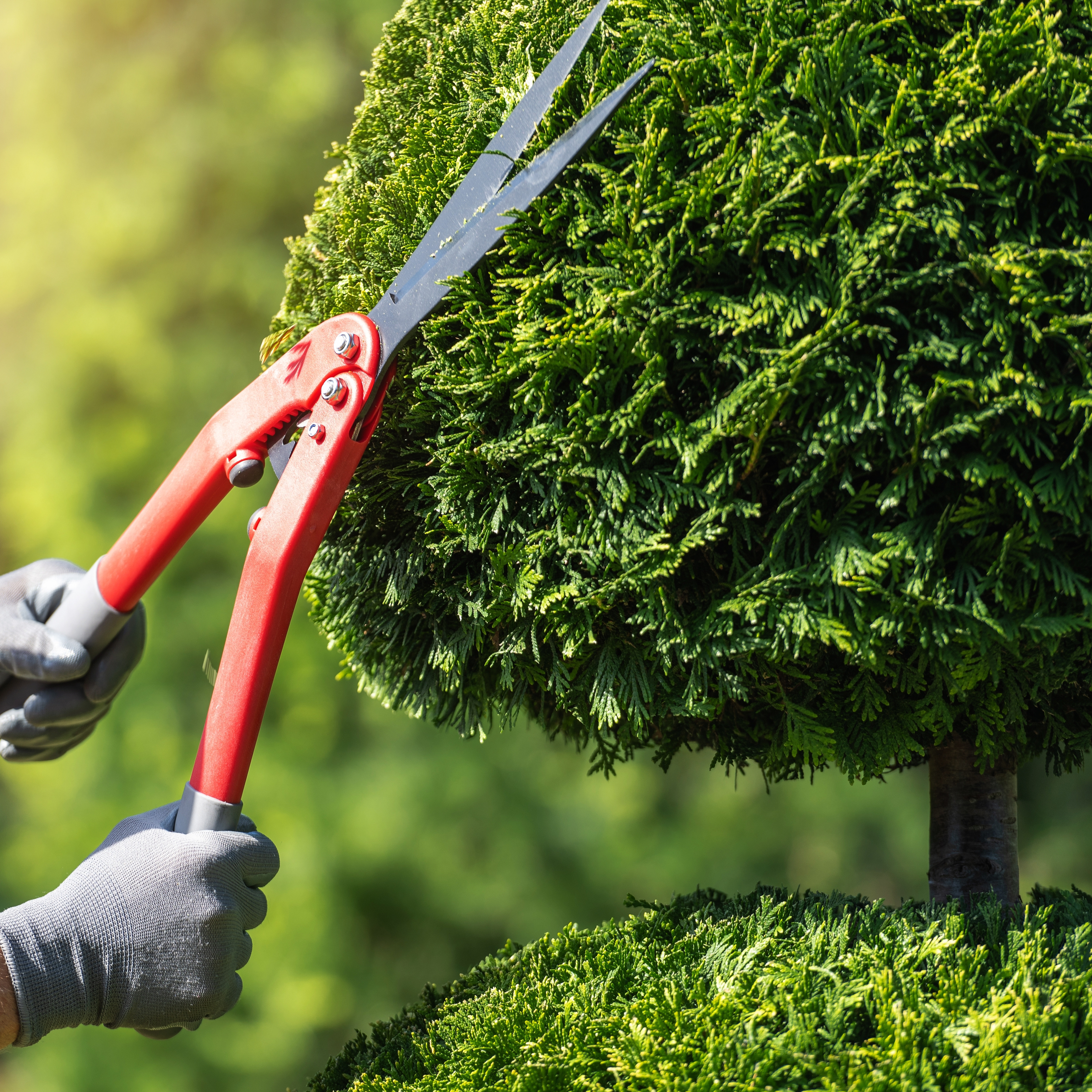
- Hedge shears for shaping hedges
- Gardening gloves for protection
Keeping blades sharp and clean will improve cutting performance and reduce plant damage.
๐ฟ Visit Our Garden Centre in Kington
Regular pruning helps maintain healthy growth, improve plant shape and keep shrubs, trees and perennials manageable. Good tools also make pruning easier and help you achieve cleaner cuts.
ย Visit usย inย Kington for pruning tools, seasonal plants and practical advice on caring for your garden. Our staff can offer guidance on pruning techniques and general plant care throughout the year.